Posted on Leave a comment

All About Probiotics

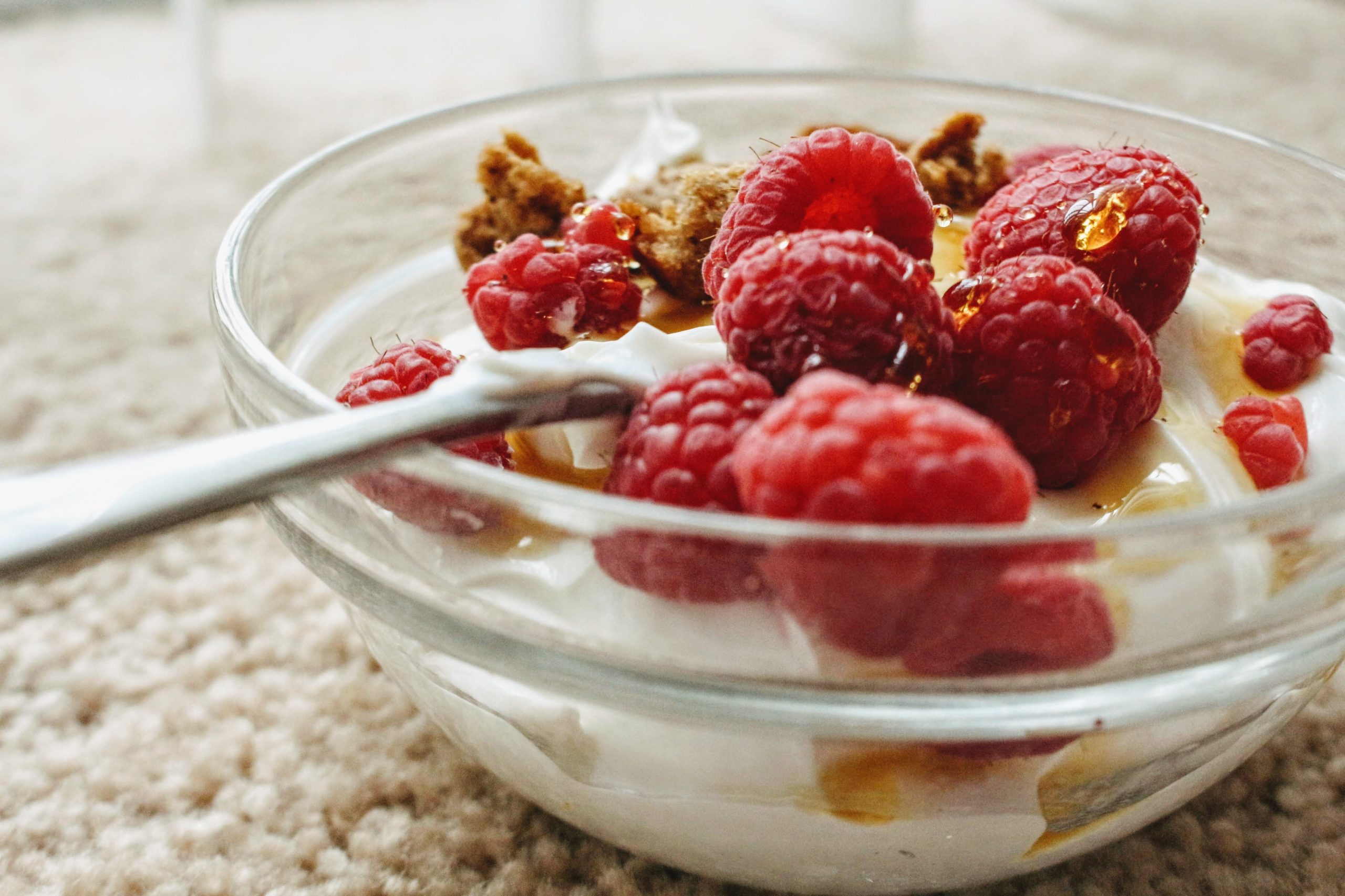
Yogurt; all about probiotics.

Probiotics are an important part of a supplement regimen and a healthy lifestyle, but just how important are they? They have shown potential in easing the symptoms of conditions like IBS, acid reflux, constipation, and even anxiety and depression. Taking a daily probiotic is one of the best things you can do to help promote a healthy gut, and a healthier gut means a healthier immune system. Let’s learn all about probiotics and take a look at why these bacteria are so important for our health.

Good and Bad Bacteria

Our gut contains an estimated 100 trillion bacteria, which is more than the number of human cells in your body. There are “good” and “bad” bacteria, and different strains have different uses. However, our gut flora (bacteria) can get out of balance, which can contribute to a number of different health conditions like allergies, IBS and other stomach issues, heart disease, depression, anxiety, and potentially obesity and certain cancers. One of the types of “bad” bacteria in our guts that most people are familiar with is candida. Candida is present in everyone in some amount, but the problem begins when it multiplies too much. This usually happens due to a poor diet high in sugar and processed food, which essentially “feeds” the candida, and/or taking antibiotics, especially for an extended period of time, which can decrease the good bacteria in your gut that would normally keep the bad bacteria under control, allowing candida to flourish. This is one reason why probiotics are so important because increasing the number of good bacteria in your gut is crucial to reducing candida and other bacteria that may have gotten out of hand, and for maintaining a good balance.

Neurotransmitters

Neurotransmitters are essentially chemical messegers that send signals throughout the brain and other parts of the body. The science behind neurotransmitters is fairly complicated, so we won’t get into the details of it all, but there are a few neurotransmittes you’re likely familiar with. Serotonin, dopamine, and histamine are a few of the many neurotransmitters in our bodies. Much of these and other neurotransmitters are synthesized in the gut, and research is beginning to show that our gut flora may affect how much of these neurotransmitters are produced. Research suggests that probiotics may have the potential to help decrease the symptoms of depression, anxiety, schizophrenia, bipolar disorder, and other mental health conditions, likely through balancing the gut bacteria which may lead to more balanced neurotransmitters. Many antidepressants are SSRI’s, or Selective Serotonin Reuptake Inhibitors, and they work by blocking the reabsorption of serotonin into the brain, meaning there is more serotonin available for use. However, if probiotics are able to increase the production of serotonin in the gut by balancing the gut bacteria, they may prove to be a useful option in treating certain mental health conditions, but more research is needed to prove this.

Immune System

Our gut flora also plays a large role in the health of our immune system. It is estimated that seventy percent or more of our immune system can be found in our gut because the bacteria in our gut plays a large role in the development of white blood cells and antibodies. So, having an imbalance in the gut flora may affect immune system function, potentially increasing your risk of certain infections. There is so much research being conducted now on different strains of bacteria and what roles they play in the development of certain diseases, and researchers have found that a person’s gut flora can actually change in response to certain infections and diseases, and that certain strains of bacteria may contribute to the development of some serious medical conditions like colon cancer.

Probiotic Options

There are many different probiotics with different strains of bacteria and different amounts, but here are a few we really like:

  • Target gb-X – Probiotic supplement specifically designed to support positive mood by influencing the gut-brain axis through the microbiome. It is powered by Ecologic BARRIER, a 5B CFU blend of 9 probiotic strains, that has been clinically shown to decrease overall cognitive reactivity to sad mood, rumination, negative thoughts, and aggressive thoughts.1
  • Probio Lean – Contains a blend of 7 select probiotic species in a cellulose base. Designed to increase intestinal diversity and support healthy metabolism and weight management, each capsule provides 25 billion CFU.
  • Probio Ease – This shelf-stable, 50 billion CFU formulation contains a blend of 7 select probiotic species with Sunfiber®, a low-FODMAP certified prebiotic. This formulation provides comprehensive microbiome, immune, and healthy inflammation support in one convenient capsule.

Generally the best time to take most probiotics is at bedtime before you sleep so that there isn’t food interfering with the probiotic’s activity.

The bacteria in our gut is being researched now more than ever, and it has been shown to play a role in the development or prevention of many different health conditions. We stress the importance of gut health because it plays such a big role in overall health and wellness. Taking a high-quality probiotic, and eating a variety of organic fruits and vegetables, grass-fed meats, wild-caught fish, and good fats can go a long way in helping to feed the good bacteria in your gut and reduce the bad.

Posted on Leave a comment

How Physical Health Affects Emotions

Woman running; how physical health affects emotions.

This year has been one of the most stressful years of many people’s lives, and depression and anxiety has become much more common all across the U.S. and much of the world. Now that the holidays are approaching and stress levels are rising even higher, some people are trying to cope in unhealthy ways by drinking more alcohol and/or making poorer food choices like eating more sugar and processed foods. While you may think drinking more alcohol or eating whatever you want will help you deal with these negative emotions, it can actually make them worse. Your physical health affects your emotions in several ways, and it’s so important to keep yourself as healthy as you can both physically and emotionally during this time.

Liver and Kidneys

The health of your liver and kidneys could play a role in your emotional health. In traditional Chinese medicine, each organ is connected to different emotions. So, it is believed that if your liver is diseased or not functioning optimally, you may experience feelings of anger, frustration, bitterness, irritability, and/or resentment. If your kidneys are not functioning optimally, you may experience feelings of fear, isolation, and insecurity. So, if you begin consuming too much alcohol (especially if you are also dehydrated), it could put a strain on your liver and kidneys, and could contribute to feelings of anger, fear and isolation. Poor liver or kidney function could also affect sleep patterns and energy levels, potentially worsening any negative emotions you’re already experiencing.

Gut Health

Poor gut health is incredibly common, and a majority of the American population deals with at least one digestive issue on a regular basis. Things like food allergies/intolerances, irritable bowel syndrome, poor digestion, diarrhea, constipation, and more serious conditions like Crohn’s disease have all become much more common over the last few decades. The rise in these conditions is mostly attributed to the processed foods we eat that can wreak havoc on our digestive systems and the rest of our bodies. While this can greatly affect our physical health, it can also have an affect on your emotions. Most of our neurotransmitters like serotonin, dopamine and GABA are produced in the gut by the bacteria found there. These neurotransmitters are critical for healthy mood and sleep regulation, and feelings of happiness and well-being. This is believed to be one of the reasons some studies have linked probiotic consumption with decreased cases of depression and anxiety.

What Can You Do?

Fortunately there are several things you can do to help support your physical and emotional health. Be careful about the amount of alcohol you consume and how often you drink it. Studies have shown that chronic and excessive consumption of alcohol can contribute to weight gain, and the development of insulin resistance, liver disease, dehydration, and alcoholism. Be sure to drink plenty of water each day, especially on any days that you consume alcohol, or engage in activities that make you sweat. You can also take a product like Liver Support & Detox to help provide some of the nutrients your liver needs to function optimally. Try to cut out processed foods and beverages as much as you can, as well as foods high in refined carbohydrates like breads, pasta and pastries. You can also take a probiotic to help support the good bacteria in your gut. It’s time we start viewing the human body as a whole, connected unit.

You can listen to our Emotional Health Takes Physical Effort podcast episode here. You can also listen on our YouTube channel here.

Posted on Leave a comment

Emotional Health Takes Physical Effort

Microphone and computer; hanging on to anxiety and stress

With the holidays quickly approaching, and the many stressful events that occurred this year, many people are looking for ways to lower stress levels and improve their emotional health. However, many people are unaware of the connection between physical health and emotional health. In this week’s episode we’ll discuss some of the diet and lifestyle changes that could have a positive effect on both physical and emotional health, and why emotional health takes physical effort to see the biggest improvements.

Products Mentioned in Today’s Show

GABA – Gamma-Aminobutyric acid (GABA), as the major inhibitory neurotransmitter in the central nervous system, helps support normal relaxation, neuronal excitability, and muscle tone.

Stress Response – A comprehensive formula of nutrients and botanicals with demonstrated and unique neurosupportive effects creates a robust and multifactorial approach to support daily brain health and function.† The brain’s complex metabolism requires many different nutrients for optimum cellular communication and a balanced response to stress. Excessive or chronic release of adrenaline and cortisol, accumulated effects of environmental exposures, and oxygenation can affect the brain with an impact on mental alertness, memory, and other functions.

EZ Relax – We’ve teamed nature’s greatest stress management ingredients to create a uniquely effective combination. Formulated with Ashwagandha, valerian extract, L-theanine, and GABA.

You can also listen to Emotional Health Takes Physical Effort on our YouTube channel here.

Posted on Leave a comment

Is it an Affair of the Heart?

Microphone and computer; hanging on to anxiety and stress

With heart diseasee being the most common cause of death in the United States, it’s important that we do everything we can to support a healthy heart. Stress, along with a poor diet and other lifestyle factors, can play a large role in the development of heart disease. Throughout this year, many people across the country have reported being much more stress than usual due to the current situations happening around the country and world. This stress can take a toll on the heart and the rest of the body, and it’s important that we do our best to keep our stress levels as low as possible. In this week’s episode, Is it an Affair of the Heart?, we’ll go over how stress affects the heart, and what you can do to help protect your heart and lower stress levels.

Products Mentioned in Today’s Show

Omega Supreme – Omega Supreme is a convenient omega-3 fatty acid supplement offering 1,000 mg eicosapentaenoic acid (EPA) and docosahexaenoic acid (DHA) in the natural, triglyceride form per soft gel.

Nattokinase – Nattokinase is a proteolytic enzyme whose principle effect is fibrinolysis or degradation of fibrin, a fibrillar protein that when linked together forms the mesh essential for blood clot formation. Nattokinase also upregulates the body’s natural mechanism that guards against excess fibrin formation.† Produced from fermentation of non-GMO soybean isolates by Bacillus subtilis natto. Standardized to fibrin activity units and free of vitamin K.

Pantothenic Acid Complex – The ability of the adrenal gland to respond to physiological stress is supported by botanicals with recognized adaptogenic properties. Eleuthero and rhodiola act on neurotransmitter function, the central nervous system, and cardiovascular function to help the body adjust appropriately when faced with biological, physical, or chemical challenges. Cordyceps mushroom, known for its revitalizing effects, and pantothenic acid, a B vitamin required for adrenal hormone formation, are also included.

You can also listen to Is it an Affair of the Heart? on our YouTube channel here.

Posted on Leave a comment

Reducing Your Risk of Heart Disease

Neon heart; reducing your risk of heart disease

Heart disease is the number one cause of death in the United States, so taking care of your heart should be a priority. Stress, poor diet, genetics, and a sedentary lifestyle can all contribute to the development of heart issues, so knowing what you can do to reduce stress and eat healthier could make a big difference. It can be difficult to know where to start, but making some diet and lifestyle changes can go a long way in reducing your risk of heart disease and heart attacks. Let’s go over what heart disease is and what you can do to help reduce your risk.

Heart Disease

Heart health is a hot topic due to the increasing number of heart disease diagnoses. Heart disease refers to several conditions that are related to the heart including conditions that involve damaged or clogged arteries, a damaged or dysfunctional heart, and certain types of blood clots. Things like poor diet, lack of exercise, high blood pressure, inflammation, nutrient deficiencies, genetics, smoking cigarettes, and several other things can contribute to the development of heart disease, but many of these things can be controlled. Your heart is one of the most important organs and without it we couldn’t live, so make heart health a priority and consider making some changes.

Prevention

You can greatly lower your risk of heart disease through better nutrition, exercise, quitting smoking, and taking certain supplements. Your diet should be focused on organic fruits and vegetables, good fats like olive oil and coconut oil, and grass-fed meats. Processed foods, trans fats and other bad fats like vegetable oil and margarine, processed meats like hot dogs, and high-sugar foods should be eliminated from your diet because these foods can increase inflammation in the arteries and throughout the body which can put extra strain on the heart and surrounding vessels. Drinking enough filtered water is also important because it may help decrease the risk of developing a blood clot.

Supplements

We have several supplements that we recommend for those wanting to improve heart health, balance cholesterol levels, and/or lower blood pressure. These include:

  • Omega Supreme – Omega Supreme is a convenient omega-3 fatty acid supplement offering 1,000 mg eicosapentaenoic acid (EPA) and docosahexaenoic acid (DHA) in the natural, triglyceride form per soft gel.
  • BP Support – BP Support is formulated to help maintain healthy blood pressure levels by enhancing endothelial cell and arterial function. Using a combination of highdose L-citrulline, quercetin and grape seed extract, this product delivers full-spectrum support to help maintain normal inflammatory balance, arterial elasticity, optimal nitric oxide levels, and blood flow.
  • Quercetin Bromelain Ultra – Quercetin is a powerful bioflavonoid that protects cells and tissues against free radicals.† Bromelain, papain, and pancreatin provide a mixture of protein-specific and other enzymes that help ensure proper breakdown of protein molecules that may otherwise cause irritation.† Vitamin C, buffered with magnesium to eliminate acidity, supports histamine metabolism, detoxification processes, and collagen synthesis.†
  • Active Mag – Magnesium is an essential mineral for health, strength, and longevity; it functions as the required bio-inorganic catalyst in over 350 enzyme reactions. Magnesium is necessary for energy (ATP) production; sustaining heart health and healthy blood vessels; maintaining adequate blood flow to the brain to support healthy neurons and nerves; and for optimal skeletal muscle function.

Heart health should not be taken lightly. There are many changes you can make that can greatly reduce your risk of heart disease like switching to a whole food diet, engaging in light exercise, quitting smoking, taking certain supplements, and reducing stress.

If you are having any heart issues you should see your doctor right away, or if you are having symptoms of a heart attack you should seek emergency medical attention. Signs of a heart attack can include pain in the jaw, neck, or left arm, dizziness, sudden fatigue, chest pain, cold sweats, heartburn, and nausea.

You can listen to our Is it an Affair of the Heart? podcast episode on here. You can also listen on our YouTube channel here.

Posted on Leave a comment

Cleaning Up A Toxic Liver

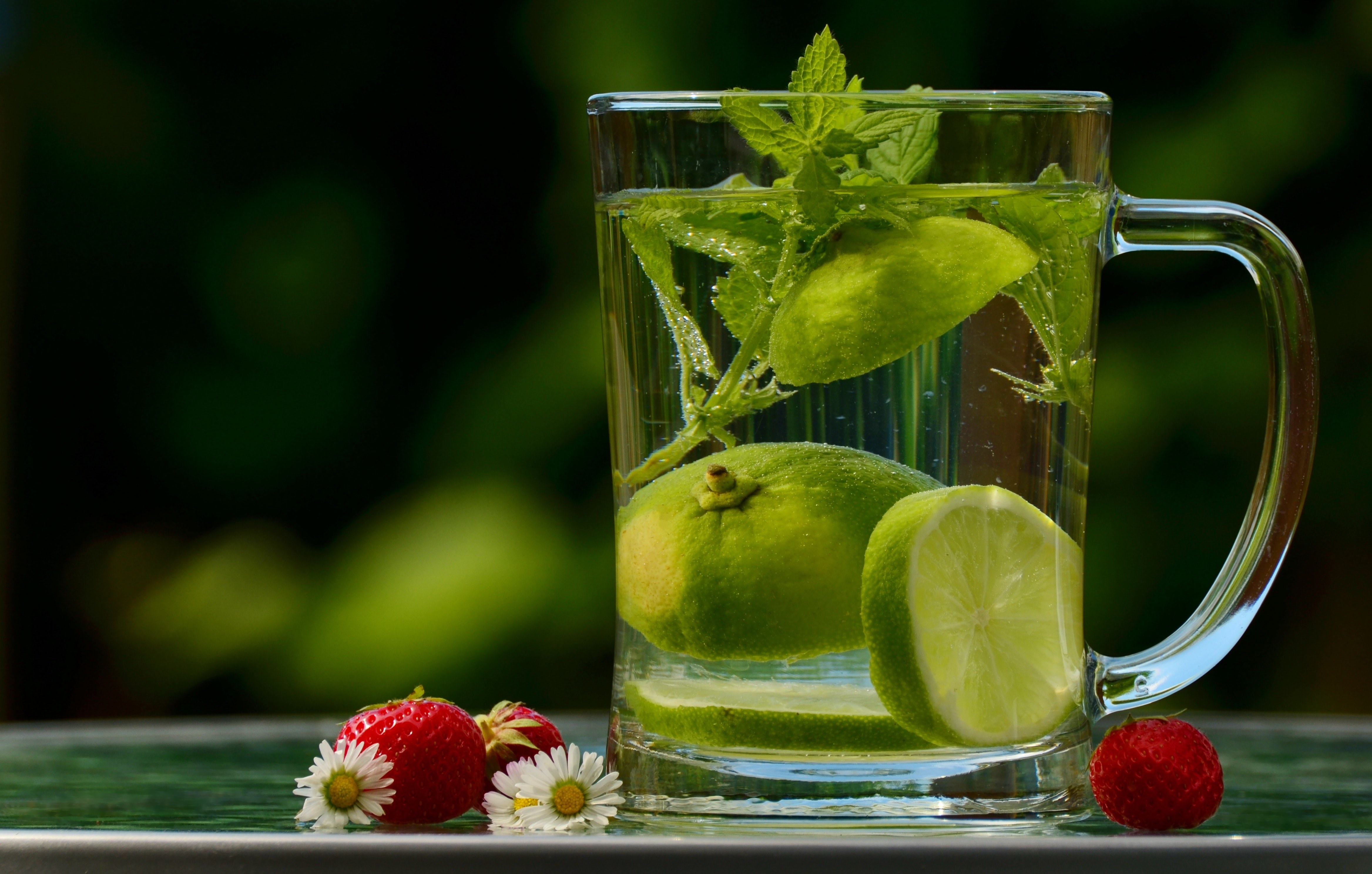
Herbs and limes; cleaning up a toxic liver.

Our bodies have to deal with a near constant influx of toxins including pesticides, chemicals, pollutants in our air and water, chemicals in our food, heavy metals, mold, and much more. The liver has many important jobs, and one of them is filtering through these toxins each day, but due to the staggering amount of chemicals the average person encounters each day (which can range from hundreds to thousands of different chemicals), the liver often ends up overworked and dysfunctional. The liver is such an important organ that is necessary for many vital functions in the body, so it’s important to keep it as healthy as we can. Let’s discuss what the liver does, and some things we can do to help clean up a toxic liver.

Jobs of the Liver

The liver is responsible for over 500 tasks like producing bile, filtering blood, producing cholesterol, storing glucose, and many others. Keeping your liver healthy is crucial to overall health, and sluggish livers are a common problem today. We encounter many different chemicals every day in our air, water, food, medications, beauty products, plastics, etc. Our bodies are constantly working to filter through these chemicals to minimize the harm done, but our livers and other organs can’t always keep up. Many people also do not eat correctly and lack vitamins and minerals essential for proper liver function, add this to the toxic load we’re carrying, and it’s a wonder our livers are functioning at all.

Glutathione

Glutathione is an antioxidant that the body is supposed to produce in cells, but production may not be optimal due to genetic mutations and/or environmental factors. We also produce less glutathione as we age, so supplementation is often recommended, especially for older individuals. Glutathione has many functions and benefits, including potentially reducing damage in liver cells, supporting a healthy nervous system, and improving insulin resistance and fat-burning especially in older people. One of the main benefits of glutathione is that it can help reduce oxidative stress, which greatly influences aging, certain chronic conditions, and autoimmune conditions. In autoimmune conditions, the mitochondria of the cells are often damages, and gluathione may help protect the mitochondria from further damage. Supplementing with glutathione may help aid in cleaning up a toxic liver, as well as many other potential benefits.

Symptoms of a Sluggish Liver

When the liver is not working quite as well as it should be, it is often referred to as sluggish. This doesn’t mean it is diseased, just that it is not functioning at the level it should be. Some of the symptoms of a sluggish liver may include:

  • Dark circles under the eyes
  • Waking up at 2am-3am for no apparent reason
  • Fatigue
  • Acne and/or rashes
  • Moodiness
  • Headaches
  • Brain fog

This is not an exhaustive list as symptoms can manifest differently in each person, but it is good to be aware of these common ones.

What Can You Do?

The good news is that we can do a lot to promote healthy liver function, but consistency is important. Reducing your exposure to toxins as much as possible is a great first step. Try to avoid synthetic household cleaning products, aerosol products like hairspray and air freshener, and opt for natural products whenever possible. You can also supplement with vitamins, minerals, and herbs that can help promote healthy liver function. Liver Support & Detox and Vital Detox are great products for liver health, and can aid in both phase 1 and phase 2 liver detoxification. Limiting alcohol intake is also important because excessive drinking can cause liver damage and may contribute to some forms of liver disease.

Cleaning up a toxic liver means you should focus on eating a varied diet of fruits, vegetables, high-quality meats, and healthy fats like coconut oil and avocados. You should also make sure the food you eat is organic because pesticides are a major source of toxins, and make sure you are drinking clean, filtered water to avoid the chemicals, heavy metals and other harmful substances found in tap water. Exercising regularly may also help improve liver function, and limiting alcohol intake may decrease your risk for certain forms of liver disease. Your liver is a very important organ and it has a lot of responsibilities, so take good care of it!

You can listen to our Happy Liver Makes a Happy Life podcast episode here. You can also listen on our YouTube channel here.

Posted on Leave a comment

Happy Liver Makes a Happy Life

Microphone and computer; hanging on to anxiety and stress

The average American encounters so many different environental toxins each day. Some experts estimate that we are exposed to hundreds of different chemicals every day, and some experts believe it could be as high as tens of thousands of differenct chemicals. They can be found in our air, food, water, cosmetics, soaps, cleaners, clothes, etc., and can cause a myriad of health issues over time. Our liver has many functions in the body, but one of its most important functions is the filtering of toxins. The liver works constantly along with other organs like the kidneys to rid our body of the different toxins we consume. However, if the liver is not functioning properly, its ability to filter things can be inhibited, this is why it’s so important to support the liver. In this week’s show we’ll discuss some things you can do to help support the liver, and why a happy liver makes a happy life.

Products Mentioned in Today’s Show

Reduced L-Glutathione – Glutathione is a powerful antioxidant and detoxifying compound consisting of three amino acids: cysteine, glutamic acid, and glycine. Produced in the liver, glutathione assists with detoxifying xenobiotics and heavy metals, neutralizes hydrogen peroxide, maintains the integrity of blood cells, and helps transport amino acids across cell membranes. It aids in the breakdown of oxidized fats and is necessary for carbohydrate metabolism. Glutathione is also involved in metabolizing insulin and regulating blood glucose levels. This hypoallergenic formulation has been specifically designed using the active, reduced form of glutathione for maximum benefit.

Liver Detox & Support – This formula contains nutrients known to enhance intracellular levels of glutathione, glutathione peroxidase, and superoxide dismutase (SOD)—crucial antioxidants that protect hepatocytes and help detoxify everyday foreign substances. The balance of supportive nutrients makes this product suitable to help strengthen the liver against everyday challenges to liver function.

N-Acetyl Cysteine – This derivative of the amino acid cysteine is often used as the preferred substrate for intracellular glutathione synthesis. It also assists detoxification, provides cellular antioxidant protection, and is much safer than cysteine.

You can also listen to Happy Liver Makes a Happy Life on our YouTube channel here.

Posted on Leave a comment

Early Warning Signs of a Thyroid Problem

Microphone and computer; early warning signs of a thyroid problem.

Thyroid conditions are more common now than ever, with some experts believing this is mostly due to the high number of environmental toxins we are exposed to every day. There are many chemicals that are classified as endocrine disruptors (which means they interfere with hormones and can cause hormonal imbalances) that can be found in our air, water, and many cosmetic products. There are other things that can impact thyroid health like diet and lifestyle, and in this week’s show we’ll go over thyroid health and how you can support the thyroid, as well as discuss some possible early warning signs of a thyroid problem.

Products Mentioned in Today’s Show

Thyroid Essentials Plus – Thyroid Essentials Plus is designed to be an all-in-one thyroid support product that may benefit many thyroid conditions. In just one product, it is now possible for the clinician to provide botanical and nutritional enhancement of thyroid hormone production, peripheral conversion of T4 to T3, as well as receptor function and recognition of thyroid hormones.

Bacopa 320Bacopa monnieri, commonly known as Brahmi, is an adaptogenic, nootropic plant. CDRI 08 is the most extensively researched bacopaextract shown to support cognitive function, spatial working memory, new information retention, stress management, and mood.

Iodine Forte – Iodine is an essential element. Although its main function is in the production of thyroid hormones T3 and T4, other organs in the body have a need for iodine in order to function normally.

You can also listen to Early Warning Signs of a Thyroid Problem on our YouTube channel here.

Posted on Leave a comment

Hyperthyroidism and Hypothyroidism

Fish and vegetables; hyperthyroidism and hypothyroidism.

Hyperthyroidism and hypothyroidism are conditions that affect the thyroid gland. The thyroid is responsible for releasing hormones that are crucial to many important functions like regulation of metabolism, heart rate, breathing, and body temperature. It also affects cholesterol levels, mood, energy, and weight management. Let’s take a look at the differences between hypothyroidism and hyperthyroidism, and what you can do to help improve thyroid health.

Hyperthyroidism

Hyperthyroidism means the thyroid gland is producing too much of certain thyroid hormones (T4 for example). Symptoms of hyperthyroidism can include unexplained weight loss, brittle hair, sensitivity to heat, sleep issues, irregular heartbeat, weakness, fatigue, anxiety, irritability, and mood swings. However, these symptoms could also be signs of a more serious condition, so always check with your doctor. Some common causes of hyperthyroidism include an autoimmune condition like Graves’ Disease, and inflammation of the thyroid.

Hypothyroidism

Conversely, hypothryoidism is a condition in which the thyroid gland is underactive and does not produce enough thyroid hormones. Symptoms of hypothyroidism can include unexplained weight gain, fatigue, weakness, thinning hair, decreased heart rate, dry skin, and depression. The most common causes of hypothyroidism include an autoimmune condition like Hashimoto’s thyroiditis, radiation therapy, inflammation of the thyroid gland, an iodine deficiency, and certain medications.

What You Can Do

Although thyroid issues are common, there are some things you can do to help improve the health of your thyroid and possibly reduce your risk of developing more serious thyroid conditions. The main thing you need to do is take a look at your diet. What you eat affects every system in your body, and proper nutrition is necessary for good health. Getting enough vitamins, minerals, and iodine in your diet is crucial to a properly functioning thyroid, in addition to all other organs and bodily systems. Some of the best foods to get iodine from are fish, shrimp, and other seafood because you also get omega-3’s. Cutting inflammatory foods and drinks out of your diet is also important because inflammation is one of the main causes of thyroid conditions. Inflammatory foods include processed foods, sodas, candy, breads, etc.

Taking certain supplements may also help provide the nutrients necessary for a healthy thyroid. Our product Thyroid Essentials Plus is a great formula containing iodine, selenium, l-tyrosine, and several other ingredients that may help promote thyroid health. Bacopa 320 is another product that is great for overall hormone balancing, including thyroid hormones, and may help promote healthy memory, energy levels, and mood.

Thyroid issues are becoming more and more common, which is likely due to the stress and environmental toxins we encounter each day. Fortunately, proper nutrition and supplementation may help improve some of the symptoms of existing conditions, and may even help lower your risk of developing some in the future. Your health should always be a top priority, and we want to help you feel your best!

You can listen to our Early Warning Signs of a Thyroid Problem podcast episode on our website here. You can also listen on our YouTube channel here.

Posted on Leave a comment

Supporting Brain Health

Fish on plate; supporting brain health.

Many people only begin to consider the health of their brain as they get older, or as they notice a decline in memory, learning speed, or focus. However, as with any health journey, people typically have better results when they start young. Fortunately there are many things you can do to help support your brain throughout your life, from supplements to diet and lifestyle changes. Let’s go over a few simple ways you can help support your brain.

Fish Oil

One of the most commonly recommended supplements is fish oil, and for several reasons. High-quality fish oil has a wide range of potential health benefits including, but not limited to, supporting brain health, balancing cholesterol levels, and reducing blood pressure, triglyceride levels, and inflammation. The omega-3s (EPA and DHA) found in high-quality fish oil are crucial for healthy brain function throughout a person’s life. Pregnant women are advised to supplement with fish oil throughout pregnancy as it is necessary for healthy brain development in the baby. Lower levels of DHA later in life have been associated with a decrease in brain size, which can signal accelerated brain aging. Fish oil is also heavily recommended for people with heart disease, or a family history of heart disease.

Dietary and Lifestyle Changes

Eating a diet rich in organic fruits and vegetables, plenty of healthy fats to support the brain, high-quality meats, and plenty of water may also help support the brain, as well as the rest of the body. It’s also important to get a minimum of seven to eight hours of sleep each night, as sleep deprivation can have negative effects on memory and focus, along with other negative health effects. Eating a healthy diet may also help decrease inflammation in the body, which is important because high inflammation levels are believed to contribute to accelerated aging, chronic diseases, hormone imbalances, certain types of cancer, etc. Engaging in activities that stimulate the brain like puzzles, reading, and learning new things may also help support healthy brain function.

You can listen to our Start When You’re Young to Protect Your Brain podcast episode on our website here. You can also listen on our YouTube channel here.