Posted on Leave a comment

Your Most Common Health Questions Answered

Microphone and computer; exercising consistent health habits.
Play

Most of our patients are doing everything they can to get better, including evaluating their daily habits to see what might have a negative effect on their health goals. We wanted to address a couple of the most common ones about cell phone radiation and the safety of tap water. Cell phones and microwaves do emit radiation, and tap water can have some harmful substances in it, but cell phones are unavoidable, and you need water to live, so what can you do about it? Let’s take a closer look at these issues and some possible solutions. Listen today to get your most common health questions answered!

Common Health Questions

  • Is my cell phone killing me?
  • Can Vitamin D really save my life? Do you really need to take four times the recommended daily dose?
  • Is it okay to cleanse your body by fasting from time to time?
  • Can I trust my tap water? Does it make any difference if I buy bottled water?
  • Is my microwave giving me cancer?
  • How long am I contagious when I have the flu or cold?
  • Can I trust my tap water? Does it make any difference if I buy bottled water?

For example, tap water goes through intense filtration systems and is tested for contaminants often. However, the purification methods they use do not get out some potentially dangerous substances. Certain heavy metals and chemicals like chlorine, bromine, and flouride are often still found in tap water.

Find out the answers to these questions and all about the new products we are now carrying and what they replace.

Product Mentioned in Today’s Show:

D3 + K2 Ultra – Clinical research suggests that the combination of vitamin D3 plus K2 together help provide support for healthy cardiovascular function, bone health, and immune system function.

You can also listen to our Most Common Health Questions Answered episode on our YouTube channel here.

Posted on Leave a comment

Bad Gut Habits

Potato chips as an example of bad gut habits.

Gut health is so important to your overall physical and emotional health. An imbalance in the gut may contribute to the development of issues like allergies, skin conditions, depression, anxiety, insomnia, and even some autoimmune diseases and certain types of cancer. Fortunately, there are many things you can do to help heal your gut and reduce inflammation, but how did the gut get inflamed in the first place? Let’s take a look at some bad habits that might be hurting your gut, and some good habits we can replace them with.

Processed Foods and Sugar

When we use the term “processed foods” we are referring to unhealthy pre-packaged foods that contain unnatural and unhealthy ingredients. Things like artificial colors, flavors and preservatives, trans fats, refined vegetable oils, high-fructose corn syrup, and MSG (monosodium glutamate – an excitotoxin) just to name a few. You can read more about artificial sweeteners and excitotoxins here. Trans fats increase LDL “bad” cholesterol and lower HDL “good” cholesterol, while vegetable oils corn and canols oils are high in inflammatory omega-6 fats. High-fructose corn syrup can increase inflammation and may contribute to insulin resistance, obesity, non-acoholic fatty liver disease, and some types of cancer. These are just a few examples of some inflammatory ingredients that can be found in processed foods. This is why it is best to choose natural whole foods, and always read ingredient labels on pre-packaged products.

Many processed foods also contain large amounts of sugar. Consuming too much sugar can increase your risk of developing a number of different health conditions. High sugar consumption has been linked diabetes and heart disease, among others. In addition to its affects on blood sugar levels, sugar can also increase inflammation in the body. It can also “feed” bad bacteria in our guts, allowing them to flourish.

Overuse of Antibiotics

Antibiotics can be a life-saving tool to fight off infections, but they can also kill off good bacteria. We have more bacteria in our bodies than cells, and these bacteria play important roles in our health, so it’s important to keep them balanced. If you frequently take antibiotics, it may be killing off too much of the good bacteria in your gut. These bacteria are still being studied, but researchers have found that some types of bacteria in our gut play important roles in synthezising neurotransmitters like serotonin. This is one reason why gut health is believed to influence emotional health. The bacteria in our guts are also a key part of our immune system. Taking a probiotic each night may help increase your good bacteria.

Good Gut Habits

We need to cut out the bad gut habits and replace them with good habits. You can start by cutting out processed foods and sugars as much as you can. Replace these foods with whole foods like fruits and vegetables, grass-fed meats, and good fats like coconut oil. Eating these foods will help give your body the nutrients it needs to work on reducing inflammation and healing any damage the inflammation may have caused. Consuming the right nutrients can also help boost immune system function.

There are also many supplements you can take to help heal your gut. These include GI Support Vanilla, SBI Support (available in powder or capsules), Saccharomyces Boulardii, and many others. Consuming organic bone broth is another great way to help heal the lining of your gut and reduce inflammation. Bone broth also contains amino acids and collagen that can help improve gut health and digestion.

Eating a diet rich in natural foods and low in processed foods and keeping your immune system healthy can help reduce inflammation which may help reduce your risk of developing many different health conditions. Getting rid of bad gut habits is a great step towards better health. When it comes to nutrition and lifestyle changes, every little bit helps. Healing takes time, but you’ll be glad you did it!

You can listen to our What Gut Type Are You? podcast here. You can also listen to this podcast on our YouTube channel here.

Posted on Leave a comment

What Gut Type Are You?

Microphone and computer; exercising consistent health habits.
Play

Good gut health is so important to your overall health. An imbalance in the gut may contribute to the development of issues like allergies, skin conditions, depression, anxiety, insomnia, and even some autoimmune diseases and certain types of cancer. Fortunately, there are many things you can do to help heal your gut and reduce inflammation. Let’s discuss gut health and figure out what gut type you are.

Gut Types

There are specific gut types that create certain environments in your gut. They are as follows:

  • Candida Gut:
  • The bad habit – Ice Cream, Cookies, Cupcakes, etc.
  • Emotional Profile – Worrisome, Anxious, Obsessive.
  • Gastric Gut:
  • The bad habit – Inhaling your food (and large portions of it).
  • Emotional Profile – Fiery, passionate, reactive.
  • Stressed Gut:
  • The bad habit – Overdoing the coffee and booze.
  • Emotional Profile – Type-A workaholics.
  • Immune Gut:
  • The bad habit – Popping antibiotics every time you feel sick.
  • Emotional Profile – Impatient, frequently frustrated, quick to anger.
  • Toxic Gut:
  • The bad habit – Eating processed or fast food.
  • Emotional Profile – Impatient, frequently frustrated, quick to anger.

Try cutting out processed foods and sugars as much as you can, and replace these foods with whole foods like fruits and vegetables, grass-fed meats, and good fats like coconut oil. Eating a diet rich in natural foods and low in processed foods and keeping your immune system healthy may also help reduce inflammation which may help reduce your risk of developing many different health conditions. There are also many supplements you can take to help heal your gut. Consuming organic bone broth is another great way to help heal the lining of your gut and reduce inflammation. Bone broth also contains amino acids and collagen that can help improve gut health and digestion.

Product Mentioned in Today’s Show:

Stress Response – A comprehensive formula of nutrients and botanicals with demonstrated and unique neuro-supportive effects creates a robust and multifactorial approach to support daily brain health and function.

You can also listen to this podcast on our YouTube channel here.

Posted on Leave a comment

Artificial Sweeteners

Gummy bears as an example of artificial sweeteners.

Artificial sweeteners can be found in many different foods, drinks, candies, and even some medications. You may think they are a good alternative to sugar, but they may actually be doing more harm. Artificial sweeteners like sucralose and aspartame have been linked to the development of birth defects, neurological diseases, obesity, diabetes, and some cancers. Let’s take a look at how our bodies react to different sweeteners.

Sucralose

The artificial sugar that gives Splenda its sweetness is called sucralose, and it can be found in a variety of foods and beverages like diet sodas, canned fruit, and sugar-free syrups and condiments. Sucralose is created through a chemical process that involves replacing three atoms on a sugar molecule with three chlorine atoms. This results in a sweet-tasting, calorie-free substance, but our bodies do not recognize it. The makers of sucralose claim that because it is indigestible it passes through your body without absorbing or doing any harm, meaning it is essentially calorie-free.

However, some animal studies done on the effects of sucralose in the body showed absorption rates as high as fifteen percent. Animal studies also showed a decrease in sperm count in male animals, decreased red blood cells, and increases in kidney issues, miscarriages, and deaths when sucralose was ingested daily. There have been very few studies done on humans about the effects of sucralose, with the longest study only lasting four days. So, we do not know what the long-term effects of daily consumption of sucralose could be.

Aspartame

Aspartame has a long, controversial history that is far too long to discuss in this article. It can be found in Equal and other brand-name artificial sweeteners. It is also in a wide variety of sugar-free food items like diet sodas and gum. Aspartame is a synthetic substance made up of two amino acids and something called a methyl ester bond. The two amino acids are phenylalanine and aspartic acid. While these amino acids are found in natural foods like meat, eggs, and fish, they are in much higher quantities in aspartame and are in unnatural proportions.

When aspartame is ingested, the body metabolizes it into the two amino acids. It breaks down into phenylalanine and aspartic acid, and is also broken down into methanol. Methanol is considered extremely toxic to humans because it breaks down into formaldehyde. Formaldehyde is a known carcinogen, and it can have negative affects on the nervous system, vision, and gastrointestinal system.

Aspartame is also classified as an excitotoxin. Excitotoxins are compounds that essentially “excite” cells to death. They can stimulate nerve cells and brain cells until they become damaged or die. MSG (monosodium glutamate) is another example of an excitotoxin. Excitotoxins may contribute to the development of neurological disorders like Parkinson’s and Alzheimer’s

What Should I Eat Instead of Artificial Sweeteners?

We recommend eating a balanced diet containing plenty of organic fruits and vegetables, grass-fed meat, and good fats like organic coconut oil and olive oil. If you decide to eat something sweet, make sure that it is free of artificial sweeteners. Be especially wary of food and drink items labeled sugar-free as they usually contain some type of artificial sweetener. Reading ingredient labels on packaged foods and drinks is a great habit to get into. A few natural alternative sweeteners are stevia, monkfruit extract, erythritol, and xylitol. Erythritol and xylitol are sugar alcohols and can cause digestive upset in some people. So, limit consumption of these, and avoid them if you notice any diarrhea or other gastrointestinal issues after consuming them.

The Takeaway

If you had been choosing artificial sweeteners in an effort to control your blood sugar, remember that the consumption of artificial sweeteners has been linked to the development of diabetes, and may not be a good alternative. Eliminating sugar and artificial sweeteners from your diet is even more important if you are diabetic or have prediabetes. Certain supplements like CM Core and Diaxinol may also help you maintain healthy blood sugar levels.

If you are going to drink a soda, it is far safer to drink a soda made with sugar than a diet soda that contains artificial sweeteners. However, you should still limit your sugar consumption as much as you can. Some of the research is lacking on the potential harmful effects of different artificial sweeteners. So, it may be good to play it safe and consume only natural foods and sweeteners. We encourage you to read ingredient labels and research ingredients you don’t recognize, the answers may surprise you!

You can listen to our Bad Magic – Artificial Sweeteners podcast here. You can also listen to this podcast on our YouTube channel here.

Posted on Leave a comment

Adrenal Insufficiency

Tired woman; possible adrenal insufficiency.

Poor adrenal function is something we discuss frequently because it can have a big impact on overall health and well-being, and it is also one of the most common undiagnosed medical issues. Poor adrenal function can be hard to diagnose because it shares symptoms with many other medical conditions, but it is important to know the symptoms. Let’s look at what the adrenal glands and cortisol do, some causes of low cortisol, and what we can do about it.

Adrenal Glands and Cortisol

The adrenal glands are two small glands located on top of each kidney, and they are responsible for producing several different hormones including cortisol and adrenaline. Cortisol is often called the stress hormone because it is released when we experience stress due to physical exertion, traumatic events, or even something as simple as running late. Cortisol also plays an important role in regulating metabolism and blood sugar, reducing inflammation and forming memories, but as with other hormones, it needs to be balanced. Many people have too little or too much cortisol, and both come with negative impacts.

Adrenal insuffiency, or poorly functioning adrenal glands, usually leads to low cortisol. Low cortisol can cause low blood sugar, loss of appetite, weight loss, fatigue, low blood pressure, nausea, abdominal pain, trouble sleeping, depression, anxiety, etc. Low cortisol can affect a person’s well-being and energy levels, making it difficult to exercise, be productive at work, and can make it difficult to perform small tasks like getting out of bed or going to the store.

Causes

The causes of adrenal insufficiency can be hard to pinpoint. Arguably the most common cause is chronic stress which can put a strain on the adrenal glands, eventually causing them to produce less hormones than they are supposed to. It may also be caused by an autoimmune disorder that affects the adrenal glands. If the autoimmune reaction targets the adrenals, it can damage them and prevent them from functioning correctly. Lack of sleep and a poor diet may also contribute to impaired adrenal function because it contributes to stress, and poor sleep and nutrition can make it difficult for your body to repair any damage that may occur.

What to Do?

There are some things you can do to help ensure your adrenals have the right nutrients to help them function correctly. This includes getting at least eight hours of sleep per night, drinking plenty of filtered water each day, eating a diet high in organic fruits and vegetables, avoiding processed food and excessive amounts of sugar, and supplementing with herbs and vitamins that help regulate adrenal function. Some supplements we recommend are:

  • Adrenal Response Complete Care – Excellent formula containing adaptogenic herbs like ashwagandha that may help balance cortisol levels.
  • Pantothenic Acid Complex – This formula contains Cordyceps, Rhodiola Extract, Eleuthero Extract, and Pantothenic Acid to help support adrenal function.

Having adrenal insufficiency can make the smallest tasks difficult to complete, but giving your adrenals the sleep and nutrients it needs can go a long way!

If you are experiencing serious symptoms, or have a sudden change in symptoms, you should see a doctor right away to rule out more serious conditions.

You can listen to our Common Signs of Adrenal Insufficiency podcast here. You can also listen to it on our YouTube channel here.

Posted on Leave a comment

Are You a Pre-Diabetic?

Microphone and computer; exercising consistent health habits.
Play

The Standard American Diet (SAD) typically consists of foods high in sugar, calories, carbohydrates, and bad fats, and low in fiber, vitamins, minerals, and protein. This diet has been linked to the development of many different health issues like diabetes, heart disease, autoimmune diseases, and certain cancers. A diet high in sugar is especially harmful to someone with a family history of diabetes as they are usually at a higher risk of developing diabetes. With how common blood sugar issues are, you may be wondering if you are a pre-diabetic. In this episode we’ll discuss some common symptoms of blood sugar issues, and what you may be able to do help balance them.

Symptoms of Hypoglycemia:

  • Intense Hunger
  • Anxiety
  • Sweating, Including Night Sweats
  • Feeling Dizzy or Lightheaded
  • Becoming Fatigued
  • Trouble Sleeping
  • Feeling Irritable
  • Paleness in the Face
  • Headaches
  • Muscle Weakness
  • Brain Fog

One of the best things you can do to decrease your risk of developing diabetes (and for increased health overall) is to cut out processed and sugary foods, and replace them with whole foods like nuts and seeds, grass-fed meats, fruits and vegetables, and good fats like coconut and olive oil. You should also be as active as you can which can mean going to the gym, doing a workout or yoga routine at home, or going for a walk a few times a week. Eating a healthy, balanced diet and exercising regularly may also help you maintain a healthy weight which may further decrease your risk of developing diabetes and other health conditions.

Product Mentioned on Today’s Show:

Gluco Support – Supplies a powerful mix of nutrients and botanicals that efficiently help support normal glucose metabolism, structure and function of basement membranes such as nerve tissue, and insulin sensitivity.

Lab Mentioned in Today’s Show:

Comprehensive Panel – Comprehensive Panel w Consult panel contains 13 tests with 102 biomarkers.

You can also listen to our Are You A Pre-Diabetic? episode on our YouTube channel here.

Posted on Leave a comment

How Stress Ages Us

Chronic stress affects many people and can be caused by financial struggles, marital issues, health issues, demanding careers, or a number of other different things. We may think chronic stress just makes us tired and more agitated, but we often don’t consider the effects it can have on our body. Stress can age us and increase our risk of developing certain diseases, but why? Let’s talk about what happens when we’re stressed, and what we can do about it.

Adrenal Glands, Cortisol, and Adrenaline

Being overworked, fighting with your spouse, experiencing financial difficulties, being sleep deprived, having nutritional deficiencies, or dealing with emotional disorders like depression and anxiety can all contribute to stress. When you are stressed, your adrenal glands release cortisol and adrenaline. When adrenaline is released, a person typically experiences an increase in blood pressure and heart rate, and may feel more energy for a short period of time. This can be helpful in a dangerous situation, but a chronic release of adrenaline can damage the heart, and may even contribute to vision and hearing loss due to the effects of prolonged blood vessel constriction.

Cortisol also gets released during times of stress and it can help regulate blood sugar, blood pressure and metabolism, and can help reduce inflammation. However, it needs to be released in the right amounts or it can have some negative effects on your health, as is the case with high or low cortisol. Low cortisol, also called adrenal fatigue, may be due to an underlying health condition, but the most common cause is being stressed for such a long period of time that your adrenal glands essentially “burn out”. The adrenal glands are responsible for producing and releasing certain hormones, and are critical to your health. They also control the “fight-or-flight” response, and release hormones accordingly. However, when we stay in the “fight-or-flight” (stressed out) mode for too long, our adrenal glands get tired, and greatly decrease the amount of cortisol they produce and release. This can lead to depression, food cravings, low blood pressure, irritability, diarrhea, etc.

Conversely, high cortisol usually occurs before adrenal fatigue develops. Being stressed leads to a release of cortisol, and a continual release of cortisol due to chronic stress can cause high blood pressure, osteoporosis, depression, irritability, muscle weakness, increased thirst, etc. Keeping your stress levels down can help keep your cortisol levels balanced.

Aging

The ways in which chronic stress age us physically can be complicated, and the research is still ongoing, but there are a few things we know. Stress can damage DNA and lead to an increased risk of developing conditions like heart disease, Parkinson’s, and cancer. Vision and hearing may also be affected by stress due to the prolonged release of adernaline as discussed above. Adrenaline causes blood vessels to constrict, potentially reducing the blood flow to the eyes and ears.

Stress can also speed up the aging process in some indirect ways. When a person experiences stress they are more likey to crave unhealthy foods and alcohol, less likely to engage in exercise, and may find it more difficult to get enough quality sleep each night. Each of these things can speed up the aging process, contribute to a lower quality-of-life, and increase a person’s risk of developing certain conditions.

Reducing Stress

There are a few things you can do that may help reduce stress. Meditation, taking a relaxing bath, taking a walk, spending time with loved ones, taking a nap, or finding a calming hobby can all help reduce stress. If your stress is work-related, try to keep your workspace organized and know what needs to be done each day. If you are dealing with financial struggles, try creating a budget plan. Simply reminding yourself that something isn’t worth being stressed out over may also help.

Chronic stress is a problem affecting millions of people, and it can have lasting impacts on physical and mental health. Eating a balanced diet high in organic fruits and vegetables, and gettting at least seven hours of quality sleep every night can help provide the nutrients and energy you need to face the day, and can help increase your body’s ability to handle stress. It is so important to reduce stress whenever possible, so find time to take care of yourself every day.

Posted on Leave a comment

The Aging Effects of Stress

Play

Stress is affecting your quality of life by:

  • It is messing with your brain
  • Increases risk of heart attack, heart disease and stroke
  • Stress dials down your immune system
  • Chronic stress contributes to aging
  • Contributing to weight gain and digestive disorders
  • Chronic stress affects your mood and relationships
  • Stress increases pain
  • Stress affects sexuality and reproductive functions
  • Chronic stress affects your skin, hair and teeth
  • Stress contributes to addiction

Product mentioned in today’s show:

Core Support – Core Support helps maintain Phase II detoxification by providing protein, fiber and nutrients to promote normal detoxification function.

Lab Mentioned in Today’s Show:

Comprehensive Panel – Comprehensive Panel w Consult panel contains 13 tests with 102 biomarkers.

Posted on Leave a comment

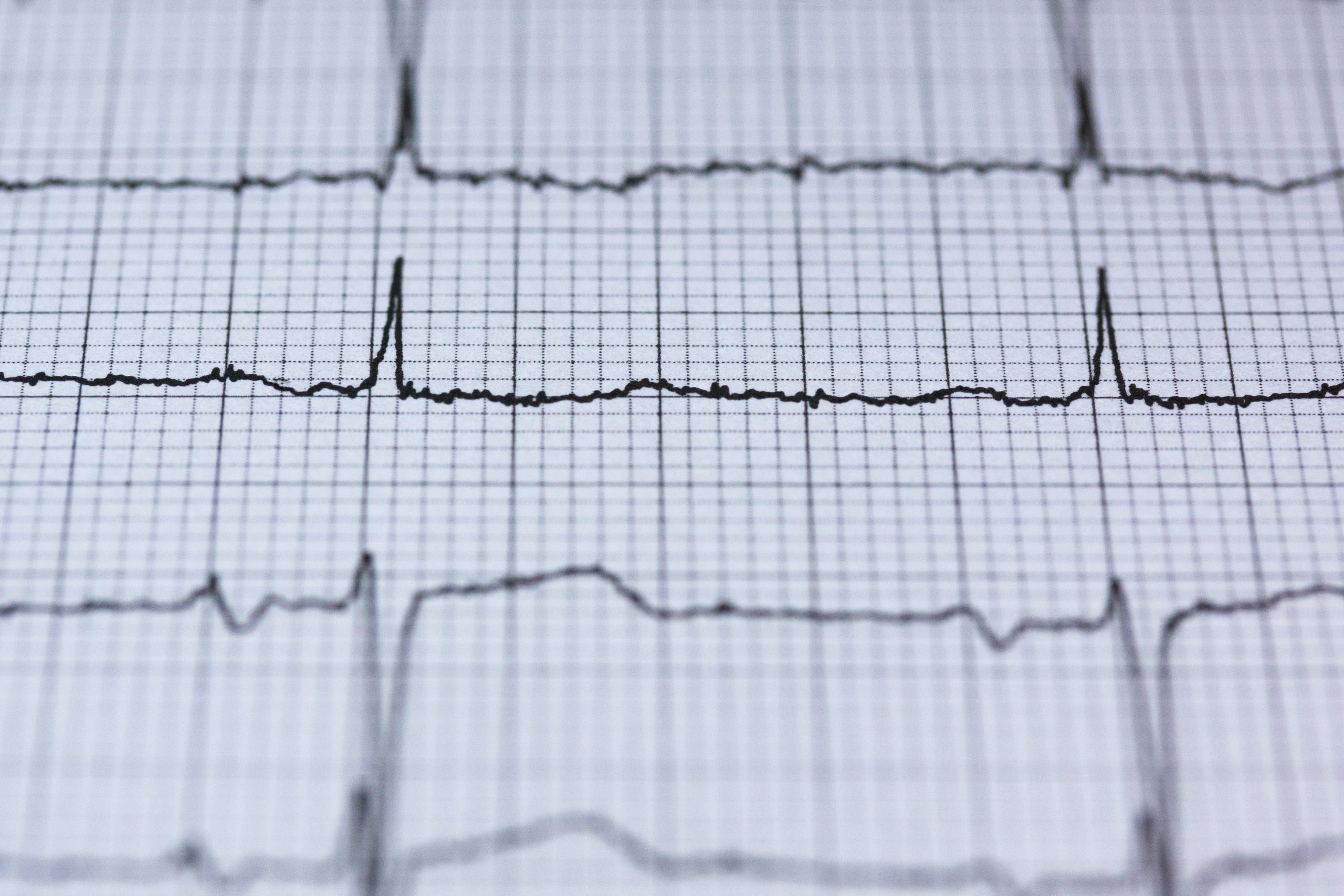
Tachycardia

Tachycardia generally refers to a resting heart rate that is higher than one-hundred beats per minute. Some potential reasons for an elevated heart rate are stress, anxiety, physical exertion through exercise or a physically demanding task, anemia, anger, certain medications, heart damage, congenital heart problems, high blood pressure, hyperthyroidism, and some other medical conditions. Heart conditions are more common now than ever, and tachycardia is one of many. Let’s take a look at some reasons for an elevated heart rate, and what we can do about them.

Stress, Anxiety, and Anger

Your emotional state can affect your body in many different ways. One of the most common parts of your body that is affected by strong emotions is your heart. Stress, anxiety, and anger can increase cortisol levels and trigger a release of adrenaline. This release of hormones can lead to an elevated heart rate, faster breathing, feeling of a tight chest, and some research suggests that these strong emotions may also contribute to inflammation. This can be particularly damaging when someone experiences these emotions every day. Many people are experiencing chronic stress, anxiety, and/or anger due to things like a demanding career, an unhappy marriage, family issues, financial struggles, etc. This prolonged release of cortisol and other hormones can wreak havoc on the body, decrease adrenal gland function, and may increase a person’s risk of heart disease, stroke, and other medical conditions. However, if a person notices a high resting heart rate and is not experiencing stress, anxiety, or anger, other causes should be considered.

Medical Conditions and Medications

Some medical conditions can cause an elevated heart rate, even at rest. Anemia is a medical condition in which iron levels are too low, which decreases the amount of red blood cells, leading to lower oxygen levels in the blood. This can cause an elevated heart rate because your heart is trying to compensate for the low blood oxygen by pumping blood throughout the body faster. Hyperthyroidism is a condition in which the thyroid gland produces too much thyroid hormone, which can also lead to an elevated heart rate. There are many other conditions that can cause an elevated heart rate, so it’s best to check with your doctor if you have an elevated resting heart rate to rule out any medical conditions. Certain medications can also cause an increase in heart rate, so you should be familiar with the potential side effects of any medications you are taking.

Heart Healthy Habits

The health of your heart largely depends on your diet and lifestyle. Eating a balanced diet, engaging in light exercise, staying hydrated, practicing stress-reducing techniques, and taking supplements formulated to support heart health can all go a long way in keeping your heart healthy. Processed foods should be avoided as much as possible, and your diet should consist mainly of organic fruits and vegetables, grass-fed and free-range meats, and high-quality fats like those found in coconut oil and olive oil. You should also do your best to drink around 64 ounces of clean, filtered water every day.

Some supplements that may help improve heart health include:

  • Orthomega – High-quality fish oil supplement providing EPA and DHA.
  • Bergamot BPF – Contains bergamot orange extract, which may help balance cholesterol levels and improve liver function.
  • Methyl CPG – Contains a high-dose of vitamin B12, and is designed to help decrease homocysteine levels in the body.

Taking care of your heart is so important, and we’re here to help you learn how!

You can listen to our Heart Health podcast here.

Posted on Leave a comment

SIBO Explained

Digestive disorders have become more and more common in the last few years. Diagnoses of conditions like IBS, Crohn’s disease, colitis, leaky gut syndrome, Celiac disease, and many others are increasing every year, but experts aren’t sure why. It could be due to a number of things such as increased environmental toxins, poor diet, low fiber, imbalance of good and bad bacteria, and possibly SIBO. Many doctors are beginning to look at SIBO as a possible root cause of many of these conditions, but what is it and why does it happen?

What and Why

SIBO stands for small intestinal bacterial overgrowth, and it occurs when bacteria begins to multiply in the small intestine. Our gut is home to trillions of bacteria of many different strains, with some being bad and some being good. An imbalance of good and bad bacteria is believed to contribute to many different health conditions, but SIBO isn’t always due to this. Most of the bacteria in the gut resides in the large intestine, but bacteria can make its way into the small intestine and cause problems. Even bacteria that is usually considered good can cause problems when it’s in the wrong place, as is the case with SIBO. Bacteria that should not be in the small intestine can find a way in and multiply.

So, bacteria can get into the small intestine and cause problems, but how did it manage to get there in the first place? There are a couple of potential reasons for this including low stomach acid, and a sluggish intestinal tract. Many people take medications like antacids that decrease stomach acid, and while some people may actually have too much stomach acid, many more people don’t have enough. Low stomach acid can cause a number of different problems like heartburn, vitamin and mineral deficiencies, gas, bloating, diarrhea, and overall poor digestion. When food is not digested properly it may move into the small intestine without being fully broken down, providing a great meal for any bacteria that shouldn’t be there. When the bacteria have an abundant food source, they can continue to multiply and worsen your symptoms.

A sluggish, poorly functioning intestinal tract may also contribute to the development of SIBO and other conditions. A sluggish intestinal tract has many potential causes including dehydration, not eating enough fiber, poor diet, certain illnesses like food poisoning, damage from past surgeries, and certain health conditions like hypothyroidism. When partially digested food moves through the intestines it typically contains bacteria from your stomach, and it may also attract bacteria that is in your intestinal tract. When this partially digested food and bacteria move too slowly through the intestines, as is the case with constipation (having less than 1-2 bowel movements per day), the bacteria can migrate to other parts of the intestines where it shouldn’t be, and begin to multiply.

Possible Symptoms of SIBO

SIBO can cause a number of different symptoms, including:

  • Diarrhea
  • Abdominal Pain
  • Constipation
  • Bloating
  • Gas
  • Nausea
  • Vitamin and Mineral Deficiencies
  • Anxiety
  • Depression
  • Belching
  • Fatigue
  • Headaches
  • Food Allerges/Intolerances

Many other digestive disorders share these same symptoms, and a person may have been experiencing these symptoms for many years without realizing SIBO could be the cause. Doctors often diagnose this as IBS or other conditions, when it may have been SIBO the whole time.

IBS and Leaky Gut Connection

IBS and leaky gut syndrome are two of the most common gastrointestinal disorders, but they may be caused by SIBO in many cases. It is estimated that over 75% of IBS cases are caused by SIBO. IBS generally refers to a collection of symptoms (like gas, bloating, constipation, diarrhea, abdominal pain, food allergies/intolerances, etc.) rather than an actual disorder. IBS is often what doctors will “diagnose” you with if they haven’t found a specific reason for your symptoms. Over-the-counter medications for gas, diarrhea, or constipation may be suggested, but this doesn’t deal with the root cause. Almost all of the symptoms of IBS mentioned above are also symptoms of SIBO as listed earlier in this article.

Leaky gut syndrome, also sometimes referred to as intestinal permeability, is a condition is which the lining of the intestines becomes damaged. Tiny holes can form in the intestinal lining allowing food particles, toxins, and other substances to leak out into the bloodstream. The body recognizes these food particles and other substances as foreign invaders, and mounts an immune response against them. This is also how leaky gut syndrome can lead to food allergies/sensitivities because the body begins to recognize certain foods as foreign invaders, and the immune response can present itself as an allergic reaction. Inflammation is part of the immune response, and as we’ve discussed in other articles, chronic inflammation is believed to be a large contributing factor in the development of certain autoimmune diseases, cancers, and other serious health conditions. When someone has SIBO, the bacteria that have moved into the small intestine can damage the lining of the intestine, leading to intestinal permeability (leaky gut), which can lead to a host of other issues. Leaky gut symptoms can include headaches, constipation, food allergies/intolerances, gas, bloating, fatigue, brain fog, vitamin and mineral deficiencies, and many others. Unsurprisingly, SIBO and leaky gut syndrome share many of the same symptoms.

Role of Diet

Diet may also play an important role in the development, treatment, and prevention of SIBO. A diet high in sugar and simple carbohydrates like bread and pasta may provide a food source for bad pathogens in the gut like candida. While experts aren’t sure if SIBO or candida overgrowth occurs first, or if they are directly related, increasing the bad bacteria in your gut is not a good thing. Drinking enough water and eating enough fiber to help keep your bowels moving may help reduce your risk of developing SIBO and other conditions. Certain diets like the SCD (specific carbohydrate diet) have helped provide relief for some people suffering from SIBO.

Possible Treatment

SIBO is a complicated condition to treat, but it is not impossible. It often takes a lot of trial and error to find the treatment that works best for you. For many people with SIBO, it often takes a combination of supplements, diets like SCD or GAPS, intermittent fasting, and other measures to get the best results. Some supplements that may help with some of the conditions mentioned in this article include Candicid Forte, Intestin-ol, and Lauricidin. Candicid Forte and Intestin-ol may help reduce candida overgrowth, and Lauricidin has anti-fungal, anti-bacterial, anti-viral, and anti-parasitic qualities, and may also help reduce candida overgrowth.

Regardless of whether or not you have any of the symptoms of the conditions discussed throughout this article, we recommend that you drink around 64 ounces of clean, filtered water each day, eat a diet low in grains, sugar, and processed foods, eat plenty of organic produce and healthy fats like coconut oil and olive oil, and eat high-quality meats. Digestive issues can have a serious impact on your everyday life, as well as potentially increasing your risk of developing more serious conditions later in life, so do what you can to help protect your gut!

Listen to our Is It SIBO or IBS? podcast here.