Posted on Leave a comment

Finding Joy and Being Grateful

Microphone and computer; the blood sugar rollercoaster.
Play

As the new year begins and the holiday season comes to an end, many people abandon the focus on gratitude they had during the holidays, but being grateful is important all year, and can even potentially have some health benefits. Focusing on what you have instead of what you are lacking can be a great way to improve your mood and general outlook on life, as well as decrease stress levels. Lower stress levels may lead to a lower risk of stroke and heart attacks, along with many other potential health benefits. Let’s choose to find joy and practice being grateful throughout this entire year.

Products Mentioned in Today’s Show

Acetyl L-Carnitine – Research on this acetylated derivative of L-carnitine has centered largely on its role in maintaining brain and nerve function during aging. The acetyl group can serve as a metabolic source of acetylcholine, a brain neurotransmitter, while the L-carnitine component carries fatty acids into mitochondria of nerve, heart, and muscle cells for use in energy production. Other actions benefit membrane stability, production of nerve growth factor, and cerebral blood flow.

L-Theanine – L-theanine, a unique amino acid compound found in green tea, is noted for its calming benefits. Studies show it can stimulate alpha brain wave activity and promote relaxation without drowsiness.

Don’t forget to read our article, Finding Joy Within, here. You can also listen to Finding Joy and Being Grateful on our YouTube channel here.

Posted on Leave a comment

Finding Joy Within

With everything 2020 has thrown at us, you may feel like everything has gone a bit (make that a lot!) sideways. And in many ways it has. But this year has also turned out to be more about appreciating what we have instead of wanting for more hasn’t it?

While there have been ups and downs, a lot has happened at the community and personal level that we can be grateful for, and we have all become a little more aware of the importance of the little things; the moments of connection and our individual ability to infuse joy into each day.

Let’s look at some simple ways in which we can focus on what truly matters most and bring joy into every day.

Focus on Your Community

The better part of this year has shone a spotlight on the importance of community support. Many have turned to their neighbours for practical help, but also for social and emotional support. Some communities have combined all three with initiatives like neighbourhood food banks, clothing drives, errand support and job search help. As well, shopping local and supporting local business has become a huge desire across the country.

Create The Community You Want

Sometimes it’s simply about getting together safely to share a joyful moment and blow off some steam. Some neighbourhoods have created weekly outdoor parties featuring a wide range of engaging activities. Painting neighbourhood murals and making a joyful noise by singing or having an impromptu music jam are just some of the ways that communities are stepping up to spread joy.

Safe Santa Visits

Wondering how your kids will get their wish list to Santa safely? While some malls are implementing social distancing measures for in-person visits, many Santa’s are going virtual and offering Zoom calls.

One such Virtual Santa notes that Zoom calls are twice as long as the usual mall visit. Your kids may get more Santa joy with a personal video call than in a crowded mall.

Helping your kids feel supported and safe is important. Find ways to keep normalcy in an otherwise abnormal time while keeping in mind kids are really just living in the moment!

Get Serious About What You Can Control

How many times have you told yourself that when a certain thing happens, you will finally be happy? Perhaps when you finish that big work project, get that promotion, pay off the mortgage. Or meet that special someone.

You Are In The Driver’s Seat

Reality check: you are in control. Joy does not depend on outside influences. Joy need not wait for a moment in the future that may never arrive. Joy resides within and is available to you 24/7 – if you are conscious of it and take action. 

Where is Your Locus of Control?

Psychologists use the term locus of control to describe how much control we feel over our lives. An internal locus of control means that we feel strong agency in our lives and attribute our successes to our own abilities and efforts. Those with an external locus of control do not feel they have much control over their lives, and attribute success to external factors. It’s time to take back the power of your level of happiness by getting back to what’s really important. Family, health, nature, laughter and love.

The Power of Positivity

Our consumer culture tells us: buy more. Do more. Be more. But what about the little things? Isn’t it time to get back to basics? That brilliant yellow leaf, glinting in the sun. Your children’s happy smiles when you take them out in nature. Joy is captured in moments (and they don’t need to all end up on social media). But your heart must be open to joy, or those precious moments may just pass you by.

Meditation

Instead of looking for more outside of yourself, try looking within. Meditation can bring us to a place of stillness where we can truly hear ourselves. Without the roar of constant seeking and doing, we are finally free to hear our inner guidance.

You Have All You Need

From a spiritual perspective, you already have everything that you need. As Buddhist philosopher Pema Chodron says: “How do we cultivate the conditions for joy to expand? We train in staying present.”

Bring Back the 80’s

The 80’s was about more than acid-wash jeans, neon sweaters and feathered hair. Without the internet it was a slower, more social time. Is it time to ease up on our beloved tech and slow things down – 80’s style?

Family walk

Walking is the original exercise. There is something about walking in the forest – the sound of the wind rustling through the trees. The crunch of leaves and running water. The fresh smell of cedar and pine. Try taking your family (or just yourself) for a long forest walk. Nature has a way of bringing out the best in us, and you may find that you feel more abundant after time spent outdoors.

Games Night

Board games were a staple of the 80’s. Why not get your family together and kick it old school with Monopoly, Risk or Scrabble? For a modern twist, try these 6 board games you can play over Zoom.

Block Party

Block parties are a great way to get to know your community. Try organizing an outdoor sing-along with your neighbours – BYOHC (Bring Your Own Hot Chocolate).

Live to Give

We can get so caught up with our day-to-day lives that it’s easy to forget the joy of giving. Giving back takes us out of ourselves and shifts the focus to someone else.

Giving Makes You Happier

In a 2020 study, participants were asked to play a multiple-choice video game. Only half were told that a donation to the United Nations World Food Programme would be made for every answer they got right. In the post-game assessment, the first group was significantly happier. Giving makes you happier, which leads to more giving, which further increases happiness. As the authors concluded, people feel good when they do good.

Small Gestures Make A Difference

Giving doesn’t have to be a grand or expensive gesture. Drop off a fresh batch of cookies to your neighbour with a new baby. Donate some warm socks to a women’s shelter. Use your loyalty points to buy goods for those in need, every little bit helps. The key is to choose an activity that you enjoy doing, for a community that you love.

Plan Ahead

Do you plan for joy? It’s important to make sure you have something to look forward to. Not just for the holidays, but more importantly for the weeks and months that follow.

Something To Look Forward To

Write down one activity that you will engage in over the next week. This can be as simple as watching a movie you are excited to see or calling a friend to chat. It can be anything that you find enjoyable, as long as it is not unhealthy (i.e., eating a whole cake in one sitting).

Something You’re Good At

You can give your happiness an added boost by scheduling an activity for each day that provides you with a sense of accomplishment. Learning a tune on a musical instrument, fixing something in the house, some DIY projects, re-organizing your spice shelf or even donating a pair of socks to a local charity. These are all activities that can help to bring your “Locus of Control” back to centre.

Cultivate an Attitude of Gratitude

Gratitude journals are great for some, but they’re not for everyone. Here are 3 simple ways to up your gratitude quotient:

Gratitude Break

Set an alarm on your phone for a quick gratitude break. Wherever you are and whatever you’re doing, stop for a moment and think of something you’re grateful for, then resume what you were doing.

Bring The Positivity

When planning social video calls (aka Online Happy Hour), set a small homework task for everyone who will be participating in the call: To show up with one positive thing to share so that the conversation stays fun, positive and fulfilling.

Say Thank You

Take the time to bring a little more positivity into your home by saying thank you for the little things your loved ones do for you, things you normally take for granted.

Set Up an Ironclad Bedtime Routine

We all know the fuzzy thinking and irritability that comes from lack of sleep. But what about happiness? A 2019 study found that short sleepers had the lowest levels of happiness.

Routine & Habit Make The Difference

Set yourself up for sleep success by creating an ironclad bedtime routine. This will let your body know that it’s time to get into sleep mode. If you’re waking up in the middle of the night to scroll on social, it’s time to remove your phone from your bedroom. Not only will this prevent notifications from waking you up, it will keep your room nice and dark to increase production of melatonin (the sleep hormone).

Are you feeling overwhelmed by the changes happening all around us? Anxiety kicking into high gear and you are having trouble enjoying the things that matter. Sometimes those feelings go deeper and your system could very well be out of balance. It’s not your fault but you can certainly give your body some help to get things rebalanced. In fact we see patients everyday that just don’t feel well anymore and this year has thrown that into overdrive!

We can help! Let’s meet to check your hormone levels, see how your nervous system is doing, and work on building up your physical resilience while finding your inner joy.

Book a call. Let’s do this together!

References

Ackerman, C.E. 25 CBT Techniques and Worksheets for Cognitive Behavioral Therapy. Positive Psychology. https://positivepsychology.com/cbt-cognitive-behavioral-therapy-techniques-worksheets/

Chodron, Pema. 2002. The Places That Scare You: A Guide to Fearlessness in Difficult Times. Shambhala Publications.

Lai W, Yang Z, Mao Y, Zhang Q, Chen H, Ma J. When Do Good Deeds Lead to Good Feelings? Eudaimonic Orientation Moderates the Happiness Benefits of Prosocial Behavior. Int J Environ Res Public Health. 2020 Jun 6;17(11):4053. doi: 10.3390/ijerph17114053. PMID: 32517165; PMCID: PMC7312963.

Locus of Control: How do we determine our successes and failures? Psychology Today. https://www.psychologytoday.com/ca/blog/moments-matter/201708/locus-control

Zhao SZ, Wang MP, Viswanath K, Lai A, Fong DYT, Lin CC, Chan SS, Lam TH. Short Sleep Duration and Insomnia Symptoms were Associated with Lower Happiness Levels in Chinese Adults in Hong Kong. Int J Environ Res Public Health. 2019 Jun 12;16(12):2079. doi: 10.3390/ijerph16122079. PMID: 31212815; PMCID: PMC6616396.

Posted on Leave a comment

How Chronic Inflammation is Related to Anxiety

Microphone and computer; hanging on to anxiety and stress
Play

As chronic inflammation becomes increasingly common, anxiety and chronic diseases also become more common. Inflammation has been to shown to influence mood, weight, cognitive function, formation of certani diseases, and much more, but why is it getting worse? Many experts point to our diets and daily exposure to environmental toxins as the main reasons for the exponential rise in inflammation and chronic disease. In this week’s episode we’ll discuss how chronic inflammation is related to anxiety, as well as other conditions, and what you can do to help combat inflammation.

Products Mentioned in Today’s Show

Joint Support Max – Joint Support Max provides targeted nutritional support for cartilage and joints. The metabolically active form of vitamin B12, as well as folic acid and the trace minerals molybdenum and silica are included to enhance the body’s utilization of the primary ingredients.

B Complex Ultra – B vitamins are essential nutrients required for optimal health and functioning of numerous systems and biochemical reactions in the body, including energy production, brain, liver and nerve cell function, and muscle tone in the GI tract. Activated forms of folate (Metafolin®‡ L-5-methyltetrahydrofolate) and vitamin B12(methylcobalamin) are used for enhanced absorption and bioavailability.

GABA – Gamma-Aminobutyric acid (GABA), as the major inhibitory neurotransmitter in the central nervous system, helps support normal relaxation, neuronal excitability, and muscle tone.

You can also listen to How Chronic Inflammation is Related to Anxiety on our YouTube channel here. Be sure to check out our article about inflammation here.

Posted on Leave a comment

Can You Reduce Brain Fog?

Microphone and computer; hanging on to anxiety and stress
Play

Brain fog is a very common problem that can have many different causes. It could be caused by food sensitivities, sleep deprivation, dehydration, nutritional deficiencies, and certain medications and health conditions. Fortunately there are many things you can do to help reduce brain fog like taking supplements to correct any nutritional deficiencies, removing foods from your diet that you are sensitive to, getting enough sleep each night, etc. In this episode we’ll go over some basic things you can do to reduce brain fog and get a clearer mind.

Products Mentioned in Today’s Show

GPC Liquid – GPC Liquid is a good choice when higher doses of GPC are desired, and the dropper is calibrated to allow for easy titration. GPC has a naturally delicious, sweet taste on its own so no additional sweeteners were added to this product.

Stress Response – A comprehensive formula of nutrients and botanicals with demonstrated and unique neurosupportive effects creates a robust and multifactorial approach to support daily brain health and function.†

Optimum Memory – Optimum Memory provides vinpocetine and ginkgo biloba to support cerebral blood circulation, decrease excitotoxicity and scavenge damaging free radicals. In addition, vinpocetine has specifically been shown to inhibit phosphodiesterase, and therefore helps increase cerebrvascular blood flow and improve memory. Together with huperzine A, a potent acetylcholine sparing nutrient, Optimum Memory provides optimal dosages of three of the most well-studied ingredients for targeted, multidimensional cognitive support.

You can also listen to Can You Reduce Brain Fog? on our YouTube channel here. Be sure to check out our in-depth article about brain fog here.

Posted on Leave a comment

Cutting Through Brain Fog: How to Gain Clarity

Brain fog is one of the more common symptoms we see in practice, as well as being one of the most elusive and hard to pin down. A sudden onset of poor concentration, mental fatigue, inability to focus, confusion, and memory issues make even the simplest tasks seem overwhelming and can negatively affect all aspects of life. Let’s take a look at the various causes of brain fog, and what you can do to clear things up.

What Causes Brain Fog?

It may surprise you to read that brain fog is a well-documented symptom of a number of chronic conditions. It is particularly prevalent in diseases involving inflammation, fatigue, and blood sugar imbalance such as diabetes, depression, and autoimmune diseases, as well as Chronic Fatigue Syndrome (CFS/ME), and Fibromyalgia.

Research into the factors that contribute to brain fog identify the following triggers:

Hormone Imbalance

Brain fog is perhaps most commonly reported by women going through hormonal changes, such as in pregnancy and perimenopause. Why is that? The brain is sensitive to the fluctuations of estrogen and progesterone that occur during both of these life events, contributing to ‘mommy brain’ and the memory issues that are often attributed to menopause.

Perimenopausal women report that brain fog significantly impacts their quality of life, overall health, and productivity. The Study of Women’s Health Across the Nation (SWAN) has observed over 3,300 women throughout the menopausal transition, measuring cognitive abilities before, during, and after menopause.

The good news is that while the results showed that cognitive performance was impaired during the transition to menopause (aka perimenopause), it did go back up to pre-perimenopause levels once menopause had been reached.

Stress and Anxiety

When faced with chronic stress and anxiety, our fight or flight response gets stuck in overdrive. This means our adrenal glands, designed to pump out stress hormones in short bursts, end up releasing continued high levels of cortisol and adrenaline which can contribute to cloudy thinking.

During the stress response, the part of your brain that thinks deeply and stores memories is put on the back burner while the part that allows you to respond immediately to protect you from danger is prioritized. This works well in a real emergency, but not so well when you need to dig into that work report or solve a complex problem.

Yeast Infections

Candida albicans is a yeast naturally present in our bodies, which when unbalanced is the biggest cause of human fungal infections in the world. Under the right conditions, candida populations can quickly overgrow, displacing good microbes and colonizing the gut, urinary tract, genitals, mouth, and skin.

Brain fog is a classic sign of Candida overgrowth. A ground-breaking 2019 study showed that Candida can actually enter the brain and cause neuroinflammation, contributing to brain fog. When the Candida infection was cleared out, memory improved.

Food Sensitivities

If you can’t think clearly after eating certain foods, you may have a food sensitivity. Brain fog is a hallmark symptom. Food sensitivities are very individual, but common offenders include dairy, wheat, nuts, and food additives like red food coloring, MSG, and aspartame.

Celiac Disease

Celiac Disease sufferers commonly report attention difficulties and unclear thinking. In a 2014 study, 11 Celiac Disease patients were given a gluten-free diet for a year. As their intestinal lining healed, their cognitive measurements improved.

Nutrient Deficiencies

Research has linked low levels of iron, vitamin D, and folate (vitamin B9) with brain fog. B12 is the best-known deficiency associated with foggy thinking and memory issues. Studies have demonstrated that B12 supplementation can improve symptoms of Alzheimer’s and as well as minor cognitive impairments.

One study involving over 2,500 participants demonstrated that supplementation with vitamin B12 improved cognitive performance, especially when combined with vitamins B6 and B9 (folate).

Chronic Infections

Chronic infections such as Hepatitis C, Epstein Barr Virus, and HPV have all been connected to the symptom of brain fog. If your immune system isn’t functioning optimally, these infections can infiltrate your cells. Chronic Hepatitis C sufferers report that frequent problems with focus and memory recall significantly interfere with their ability to perform daily activities. And these symptoms often stick around long after the initial infection is gone.

Chemotherapy

Many patients receiving chemotherapy for breast or prostate cancer experience a degree of cognitive dysfunction affecting their working memory, concentration, information processing speed, reaction time, visuospatial ability, and executive function. Often Labelled as “chemo brain”, these symptoms typically persist for approximately 6 months after the end of treatment.

How to Banish Brain Fog

1 – Drink Plenty of Water

Even mild dehydration can make it hard to concentrate. Space out the recommended 8 glasses per day and sip slowly. This will allow your body to properly absorb and use the water.

2 – Keep a Food Journal to Identify Food Sensitivities

Try keeping a food journal for a month, noting what you eat and when you feel cloudy thinking coming on. Chances are that you will find a pattern that points to the culprit foods. The ultimate test? Eliminate those foods entirely for 2 weeks and see if your thinking comes into focus.

3 – Eat Good Protein, Fat and Sugar

Your brain needs high-quality protein, fat and sugar to function at its best.

Eat less sugar and processed foods to avoid feeding Candida. Did you hear that Ireland recently declared that Subway bread could not legally be called ‘bread’ because of its high sugar content? Sugar lurks where you least suspect it – read food labels or ask for ingredient lists.

Fresh fruit is your best sugar source. Include antioxidant-rich fruits like blueberries, strawberries, goji berries, and raspberries, your brain will thank you!

Get both fat and protein with cold-water fish like salmon, sardines, mackerel, and herring. Healthy fat sources include virgin olive oil, walnuts, avocado, and coconut oil.

4 – Improve Sleep Quality and Quantity

Weekend sleep catch up doesn’t work. Implement a predictable nighttime routine so your body knows when to get into sleep mode. Make sure your bedroom is completely dark, which ramps up melatonin (the ‘sleep hormone’) production to bring on sleepiness.

5 – Reduce Stress by Focussing on the Now

Anxiety and stress often involve constant worry. Listen to your thoughts – what are you worrying about? Are you caught in a thought loop about a past conversation or a worry about the future? 

As Buddhist monk Thich Nhat Hanh says: “The past is gone, the future is not yet here, and if we do not  go back to ourselves in the present moment, we cannot be in touch with life.” Next time you catch yourself ruminating, do something physical that will bring your focus back to the present moment. Go for a walk, take a bath – anything that connects you with the here and now.

With so many potential causes of brain fog, where do you start? Let’s get to the root of what’s really going on. We can do testing for food sensitivities, Candida, and nutritional deficiencies. We can check your hormone status. Let’s work together on a solid treatment plan involving brain-nourishing nutrients, foods, and lifestyle changes. Isn’t it time to clear the fog and get back to a life lived with clarity, vision, and joy?

References

About Candida albicans: Natural yeast and problematic infections. Medical News Today. Accessed October 10, 2020.

Adinolfi LE, Nevola R, Lus G, Restivo L, Guerrera B, Romano C, Zampino R, Rinaldi L, Sellitto A, Giordano M, Marrone A. Chronic hepatitis C virus infection and neurological and psychiatric disorders: an overview. World J Gastroenterol. 2015 Feb 28;21(8):2269-80. doi: 10.3748/wjg.v21.i8.2269. PMID: 25741133; PMCID: PMC4342902.

An Y, Feng L, Zhang X, Wang Y, Wang Y, Tao L, Qin Z, Xiao R. Dietary intakes and biomarker patterns of folate, vitamin B6, and vitamin B12 can be associated with cognitive impairment by hypermethylation of redox-related genes NUDT15 and TXNRD1. Clin Epigenetics. 2019 Oct 11;11(1):139. doi: 10.1186/s13148-019-0741-y. PMID: 31601260; PMCID: PMC6787977.

Brain Fog, Foggy Head Anxiety Symptoms. Anxiety Centre. Accessed on October 10, 2020. https://www.anxietycentre.com/anxiety-symptoms/brain-fog.shtml

Candida infection can reach brain and impair memory. Medical News Today. Accessed on October 10, 2020. https://www.medicalnewstoday.com/articles/324106#Why-study-C.-albicans-and-the-brain?

Carnitine Health Fact Sheet for Professionals. National Institutes of Health Office of Dietary Supplements. Accessed October 10, 2020. https://ods.od.nih.gov/factsheets/Carnitine-HealthProfessional/

Gava G, Orsili I, Alvisi S, Mancini I, Seracchioli R, Meriggiola MC. Cognition, Mood and Sleep in Menopausal Transition: The Role of Menopause Hormone Therapy. Medicina (Kaunas). 2019 Oct 1;55(10):668. doi: 10.3390/medicina55100668. PMID: 31581598; PMCID: PMC6843314.

Lanza G, Bella R, Cantone M, Pennisi G, Ferri R, Pennisi M. Cognitive Impairment and Celiac Disease: Is Transcranial Magnetic Stimulation a Trait d’Union between Gut and Brain? Int J Mol Sci. 2018 Jul 31;19(8):2243. doi: 10.3390/ijms19082243. PMID: 30065211; PMCID: PMC6121508.

Lichtwark IT, Newnham ED, Robinson SR, Shepherd SJ, Hosking P, Gibson PR, Yelland GW. Cognitive impairment in coeliac disease improves on a gluten-free diet and correlates with histological and serological indices of disease severity. Aliment Pharmacol Ther. 2014 Jul;40(2):160-70. doi: 10.1111/apt.12809. Epub 2014 May 28. PMID: 24889390.

Matza LS, Deger KA, Vo P, Maniyar F, Goadsby PJ. Health state utilities associated with attributes of migraine preventive treatments based on patient and general population preferences. Qual Life Res. 2019 Sep;28(9):2359-2372. doi: 10.1007/s11136-019-02163-3. Epub 2019 Mar 28. PMID: 30924071; PMCID: PMC6698266.

Senzolo M, Schiff S, D’Aloiso CM, Crivellin C, Cholongitas E, Burra P, Montagnese S. Neuropsychological alterations in hepatitis C infection: the role of inflammation. World J Gastroenterol. 2011 Aug 7;17(29):3369-74. doi: 10.3748/wjg.v17.i29.3369. PMID: 21876628; PMCID: PMC3160562.

Traina G. The neurobiology of acetyl-L-carnitine. Front Biosci (Landmark Ed). 2016 Jun 1;21:1314-29. doi: 10.2741/4459. PMID: 27100509.

Vitamin B12 Health Fact Sheet for Professionals. National Institutes of Health Office of Dietary Supplements. Accessed October 10, 2020. https://ods.od.nih.gov/factsheets/VitaminB12-HealthProfessional/

Wu, Y., Du, S., Johnson, J.L. et al. Microglia and amyloid precursor protein coordinate control of transient Candida cerebritis with memory deficits. Nat Commun 10, 58 (2019). https://doi.org/10.1038/s41467-018-07991-4

Xu J, Zhu XY, Sun H, Xu XQ, Xu SA, Suo Y, Cao LJ, Zhou Q, Yu HJ, Cao WZ. Low vitamin D levels are associated with cognitive impairment in patients with Hashimoto thyroiditis. BMC Endocr Disord. 2018 Nov 26;18(1):87. doi: 10.1186/s12902-018-0314-7. PMID: 30477467; PMCID: PMC6260768.

6 Possible Causes of Brain Fog. Healthline. Accessed on October 10, 2020. https://www.healthline.com/health/brain-fog

Posted on Leave a comment

Are You Chronically Inflamed? Here’s What to Do

Inflammation has become a bit of a buzzword recently, and rightly so. Did you know that systemic inflammation plays a role in the development of many chronic conditions such as diabetes, cancer, and heart disease? With 2 out of every 3 deaths in North America attributed to these lifestyle diseases, it makes sense to nip inflammation in the bud.

As we get older, we tend to think of chronic inflammation as par for the course. Aches and pains, digestive issues, mood or memory issues, and weight gain are all among the symptoms of system-wide inflammation that tends to be ignored. But is chronic inflammation really an inevitable part of aging? Let’s take a look at what’s happening inside the body as we get older, factors contributing to aging, and what you can do to age gracefully and inflammation-free!

What Is Inflammation?

Inflammation plays a central role in the body’s healing process – it is an essential part of our immune response. Short-term inflammation protects us against invaders like viruses and bacteria by triggering heat and swelling after an injury. But when the immune system is overactive or dysfunctional, it mobilizes a defence against harmless substances, and can even damage its own cells. That is when inflammation becomes chronic. In fact, uncontrolled chronic inflammation plays a role in almost every major disease.

The Inflammatory Mechanism

One example of inflammation at play is the development of atherosclerosis in the arteries. When there is arterial wear and tear caused by high blood pressure or irritation, inflammation triggers a protective band-aid to be built over the injured area, in the form of a cholesterol-rich plaque buildup. However, as this plaque grows it causes a hardening and narrowing of the blood vessels that increases blood pressure. Furthermore, if the plaque ruptures, its contents mingle with blood, forming dangerous blood clots.

Why does Inflammation Become Chronic?

Inflammation can become chronic for a variety of reasons, and sometimes the reason isn’t apparent at all. It may be brought on by a condition such as obesity, an abnormal immune reaction, environmental toxin exposure, or an infection that doesn’t go away. Or it may stem from a disease that is characterized by inflammation such as colitis, pancreatitis, or hepatitis. As time goes on, this inflammation can damage the body’s tissues and even DNA, leading to conditions like heart disease, type 2 diabetes, stroke, and cancer.

Genetics are also believed to play a strong role in our susceptibility to chronic inflammation. Research has identified a number of genetic SNPs (single nucleotide polymorphisms) that cause some individuals to quickly produce large numbers of inflammatory cytokines, making a preventive lifestyle particularly important.

Lifestyle Factors Can Contribute to Inflammation

A lot of research has been carried out in regards to the lifestyle factors that can lead to inflammation. Far from being passive within the body, recent research shows that fat is a major player in systemic inflammation. The more fat we have, the higher the risk of chronic inflammation. And because we tend to put on weight as we age, this further increases inflammation risk. Understanding these relationships allows us to make the changes necessary to live a lifestyle that is preventive in nature, reducing our chances of developing chronic disease.

9 Ways to Prevent and  Reduce Inflammation

Chronic inflammation does not need to be a part of aging, there is a lot that can be done to quell the fire so that you can live the healthy, active life you want. The good news is that daily lifestyle habits are the key, and results can happen fast. It’s never too late to take action against inflammation. Here are 9 ways to do just that!

1 – Exercise

Research points to exercise as the single most effective step you can take to reduce systemic inflammation. Our current sedentary pandemic lifestyle is not making us any healthier – in fact, one 2019 study coined the term ‘inflamm-inactivity’ to reflect that lack of exercise and the resulting fat accumulation may be the main drivers behind inflammation.

Here are some tips for getting back into a strong exercise routine with the goal of reducing inflammation:

Mix Up Exercise Intensity

Don’t put all your eggs in one exercise basket. Research shows the strongest anti-inflammatory effects come from including both high intensity (sprinting, jumping rope) and low-intensity (swimming, walking yoga, Tai Chi) exercises.

Some exercises are naturally high or low intensity. But many exercises can go either way – you have control over the intensity. Walking can be a gentle stroll or an invigorating speed walk. Swimming can be leisurely, or an intense lap swim.

Mixing things up will prevent boredom, and keep you motivated to stick with your routine.

Include Resistance Training

Weight training is a vital part of an anti-inflammatory exercise regime, perfectly complementing aerobic exercise. Ironically, the muscle damage that happens when we lift weights actually spurs our immune system to remove inflammatory cellular waste products faster.

Try Endurance Exercise

Research shows that endurance athletes usually live much longer than the general population, and have lower levels of inflammation.

You don’t have to be training for a marathon or the Tour de France to partake. Brisk walking is a great way to hit that happy medium between strolling and sprinting.

Exercise Regularly

Regular, long term exercise strategies are optimal, with the best results being seen at the 12 – 24 week mark. For most kinds of exercise 8 weeks is the minimum to see reductions in inflammation, with the exception is HIIT (high-intensity interval training), where even 6 weeks can effectively lower it.

7 hours per week of moderate-to-vigorous exercise is associated with longer life expectancy. Not currently exercising? Avoid injury by slowly working up to one hour a day. Start with 10 or 15-minute exercise increments and gradually increase as your body gets comfortable with your new routine.

Some Exercise is Better Than None

With many gyms being closed, it may be harder to get regular exercise. The good news? Even one exercise session has a positive impact.  A 2018 study showed that just one bout of resistance training increased removal of senescent cells for up to 48 hours afterward.

2 – Drink Enough Water

Inflammation is the body’s natural response attempting to eliminate irritants, so it makes sense that providing the transport needed to escort these irritants out of the body can help. Our bodies are made up of 70% water, and it is absolutely crucial for cell-to-cell communication; the formation of gastric juices and enzymes; helping the muscles of the digestive system to function properly, and off course as the vehicle that provides mobility to the toxins and cellular refuse that needs to leave the body.

The recommendation is to make sure to drink at least 8 glasses of clear, filtered water per day. This shouldn’t include any other beverages, although it is a good idea to add herbal teas, such as rooibos or green tea, on top of that.

3 – Eat an Anti-Inflammatory Diet

Let food be your medicine! The right diet can increase your lifespan and improve markers of inflammation. Dairy and gluten are not usually inflammatory in healthy individuals (unless you have an allergy, intolerance, or celiac disease), but they can irritate inflammation that is already present in the body. Some people may find it beneficial to cut out dairy, gluten, or both for a few weeks while eating a diet rich in anti-inflammatory foods to give the body time to “calm down.” After those two weeks, start to incorporate dairy or gluten-containing foods slowly and watch out for any symptoms of irritation.

Consume Less of These Inflammatory Foods

  • Sugar
  • Saturated fat
  • Alcohol
  • Red meat
  • Processed meats
  • Sugar-sweetened beverages

Consume More of These Anti-Inflammatory Foods

  • Leafy green vegetables
  • Seaweed
  • Fiber
  • Beans
  • Nuts & seeds
  • Berries
  • Fish
  • Olive oil
  • The occasional glass of red wine

4 – Take Turmeric

Turmeric is a spice that has long been used in traditional medicine. Its active component, Curcumin, has been heavily researched of late for its ability to reduce acute and chronic inflammation and is recommended as a food-based supplement to patients with arthritis, metabolic syndrome, and cancer.

Turmeric powder can be taken as a capsule, tea, or whipped into a chai latte. You can also buy the fresh root and blend it into any smoothie, or add it to salad dressings and hummus.

5 – Practice Intermittent Fasting

Did you know that digestion takes up 80% of the body’s energy? That’s why intermittent fasting (eating for only a set number of hours per day) so effectively frees up the body’s energy to focus on tasks like removing senescent cells.

When combined with a healthy diet, this fasting style has also been shown to reduce inflammation, improve mitochondrial health and reduce fat levels. Sart easily by eating an early dinner so that you are naturally fasting for 12 hours a day, and slowly increase the time to 14-16 hours a day. Remember to drink your water during fasting time!

6 – Improve Your Sleep Hygiene

Inadequate rest may make you more sensitive to stress, which in turn causes inflammation. Remember the basics of sleep hygiene:

  • Eat an earlier dinner to avoid going to bed on a full stomach
  • Do some mild exercise, such as a walk, after dinner
  • Switch off all technology 1 hour before bed
  • Sleep in a cool, dark room.

7 – Get a Massage

A massage isn’t just a treat. It can play an integral part in staying healthy. Receiving a 45-minute Swedish massage can greatly lower levels of two key inflammation-promoting hormones, according to a study in The Journal of Alternative and Complementary Medicine. “Massage may decrease inflammatory substances by [appropriately] increasing the amount of disease-fighting white blood cells in the body,” says Mark Hyman Rapaport, M.D., co-author of the study. “It may also lower stress hormones. Either way, these results can be seen after just one massage.”

8 – Reduce Stress

If you have an inflammatory condition such as Crohn’s disease, you know very well the effect that stress has – any stressful event can bring on a flare-up. The high cortisol levels that stress triggers increase inflammation throughout the body. Stress also increases blood pressure and heart rate, making your blood vessels work harder and creating damage. If that damage happens over and over, inflammation persists.

The key to stress management is breaking the cycle of stress chemicals in the body. A daily relaxation, meditation or yoga practice is key. Take 10-30 minutes daily to be with yourself and bring your cortisol levels back to neutral – this will allow you to approach each day anew.

9 – Look After Your Gut Microbiome

A good quality probiotic supplement is not only soothing to the gut. Researchers have found that taking probiotics for 8 weeks helped to reduce markers of inflammation in arthritis patients.  Try to find a high-quality professional supplement, or if you prefer you can take your daily probiotics in food forms such as kefir, kombucha, or kimchi.

If you are ready to make a positive change in your lifestyle to reduce inflammation and reduce future disease risk, give us a call. We can run lab tests that will show you your current inflammatory status, and help fast-track your journey to a healthier future.

References

Alvarez-Rodríguez L, López-Hoyos M, Muãoz-Cacho P, Martínez-Taboada VM. Aging is associated with circulating cytokine dysregulation. Cell Immunol. 2012;273:124–132. doi: 10.1016/j.cellimm.2012.01.001

Baker DJ, Childs BG, Durik M, Wijers ME, Sieben CJ, Zhong J, Saltness RA, Jeganathan KB, Verzosa GC, Pezeshki A, Khazaie K, Miller JD, van Deursen JM. Naturally occurring p16(Ink4a)-positive cells shorten healthy lifespan. Nature. 2016 Feb 11;530(7589):184-9. doi: 10.1038/nature16932. Epub 2016 Feb 3. PMID: 26840489; PMCID: PMC4845101.

Balan E, Decottignies A, Deldicque L. Physical Activity and Nutrition: Two Promising Strategies for Telomere Maintenance? Nutrients. 2018 Dec 7;10(12):1942. doi: 10.3390/nu10121942. PMID: 30544511; PMCID: PMC6316700.

Baylis D, Bartlett DB, Patel HP, Roberts HC. Understanding how we age: insights into inflammaging. Longev Healthspan. 2013;2:8. doi: 10.1186/2046-2395-2-8

Chung HY, Kim DH, Lee EK, Chung KW, Chung S, Lee B, et al. Redefining chronic inflammation in aging and age-related diseases: proposal of the senoinflammation concept. Aging Dis. 2019;10:367–382. doi: 10.14336/AD.2018.0324

Flynn MG, Markofski MM, Carrillo AE. Elevated inflammatory status and increased risk of chronic disease in chronological aging: inflamm-aging or inflamm-inactivity? Aging Dis. 2019;10:147–156. doi: 10.14336/AD.2018.0326

Garatachea N, Pareja-Galeano H, Sanchis-Gomar F, Santos-Lozano A, Fiuza-Luces C, Morán M, Emanuele E, Joyner MJ, Lucia A. Exercise attenuates the major hallmarks of aging. Rejuvenation Res. 2015 Feb;18(1):57-89. doi: 10.1089/rej.2014.1623. PMID: 25431878; PMCID: PMC4340807.

Lee JY, Jun NR, Yoon D, Shin C, Baik I. Association between dietary patterns in the remote past and telomere length. Eur J Clin Nutr. 2015 Sep;69(9):1048-52. doi: 10.1038/ejcn.2015.58. Epub 2015 Apr 15. PMID: 25872911.

Lettieri-Barbato D, Cannata SM, Casagrande V, Ciriolo MR, Aquilano K. Time-controlled fasting prevents aging-like mitochondrial changes induced by persistent dietary fat overload in skeletal muscle. PLoS One. 2018 May 9;13(5):e0195912. doi: 10.1371/journal.pone.0195912. PMID: 29742122; PMCID: PMC5942780.

Leung CW, Laraia BA, Needham BL, Rehkopf DH, Adler NE, Lin J, Blackburn EH, Epel ES. Soda and cell aging: associations between sugar-sweetened beverage consumption and leukocyte telomere length in healthy adults from the National Health and Nutrition Examination Surveys. Am J Public Health. 2014 Dec;104(12):2425-31. doi: 10.2105/AJPH.2014.302151. Epub 2014 Oct 16. PMID: 25322305; PMCID: PMC4229419.

Milan-Mattos JC, Anibal FF, Perseguini NM, et al. Effects of natural aging and gender on pro-inflammatory markers. Braz J Med Biol Res. 2019;52(9):e8392. doi:10.1590/1414-431X20198392

Pinti M, Cevenini E, Nasi M, De Biasi S, Salvioli S, Monti D, Benatti S, Gibellini L, Cotichini R, Stazi MA, Trenti T, Franceschi C, Cossarizza A. Circulating mitochondrial DNA increases with age and is a familiar trait: Implications for “inflamm-aging”. Eur J Immunol. 2014 May;44(5):1552-62. doi: 10.1002/eji.201343921. Epub 2014 Feb 13. PMID: 24470107.

Pizzorno J. Mitochondria-Fundamental to Life and Health. Integr Med (Encinitas). 2014 Apr;13(2):8-15. PMID: 26770084; PMCID: PMC4684129.

Rymkiewicz PD, Heng YX, Vasudev A, Larbi A. The immune system in the aging human. Immunol Res. 2012; 53:235–250. doi: 10.1007/s12026-012-8289-3.

Schnabel RB, Yin X, Larson MG, Yamamoto JF, Fontes JD, Kathiresan S, et al. Multiple inflammatory biomarkers in relation to cardiovascular events and mortality in the community. Arterioscler Thromb Vasc Biol. 2013; 33:1728–1733. doi: 10.1161/ATVBAHA.112.301174

Sellami M, Bragazzi NL, Slimani M, Hayes L, Jabbour G, De Giorgio A, Dugué B.

The Effect of Exercise on Glucoregulatory Hormones: A Countermeasure to Human Aging: Insights from a Comprehensive Review of the Literature. Int J Environ Res Public Health. 2019 May 15;16(10):1709. doi: 10.3390/ijerph16101709. PMID: 31096708; PMCID: PMC6572009.

Xia S, Zhang X, Zheng S, Khanabdali R, Kalionis B, Wu J, et al. An update on inflamm-aging: mechanisms, prevention, and treatment. J Immunol Res. 2016;2016:8426874. doi: 10.1155/2016/8426874

Yang C, Jiao Y, Wei B, Yang Z, Wu JF, Jensen J, Jean WH, Huang CY, Kuo CH. Aged cells in human skeletal muscle after resistance exercise. Aging (Albany NY). 2018 Jun 27;10(6):1356-1365. doi: 10.18632/aging.101472.

https://www.ncbi.nlm.nih.gov/pmc/articles/PMC5664031/

Posted on Leave a comment

Probiotics for Immune System and Stress

Microphone and computer; hanging on to anxiety and stress
Play

More people are beginning to understand how important gut health is to our overall health, and how it influences everything from our immune system function to our emotional health. One of the most important things to do for gut health is taking a probiotic each day, so we wanted to explain some of the differences between the different probiotics, and how probiotics can be useful for improving your immune system and stress levels. We’ll also go over some other things you can do to support gut health like cutting out processed foods and eating more fiber, getting enough sleep, and drinking plenty of water.

Products Mentioned in Today’s Show

Saccharomyces BoulardiiSaccharomyces boulardii is a nonpathogenic, transient yeast long used to support normal bowel transit time.† It is a hardy, acid-resistant, temperature tolerant microorganism that is not affected by antibacterial agents. S. boulardii is genetically and functionally distinct from brewer’s yeast (S. cerevisiae) and different from pathogenic Candida species.

GI Immune – AC-11® is a patented, water-soluble botanical extract of Uncaria tomentosa shown to uniquely support immune function, healthy inflammatory response and the body’s natural defenses at the molecular level against oxidative stress, supporting DNA integrity. This formula combines AC-11® and larch arabinogalactan to support immune responsiveness and the body’s natural DNA repair capacity. Arabinogalactan is a polysaccharide that stimulates beneficial immune cells resulting in a powerful immunomodulating effect.

You can also listen to Probiotics for Immune System and Stress on our YouTube channel here.

Posted on Leave a comment

All About Probiotics

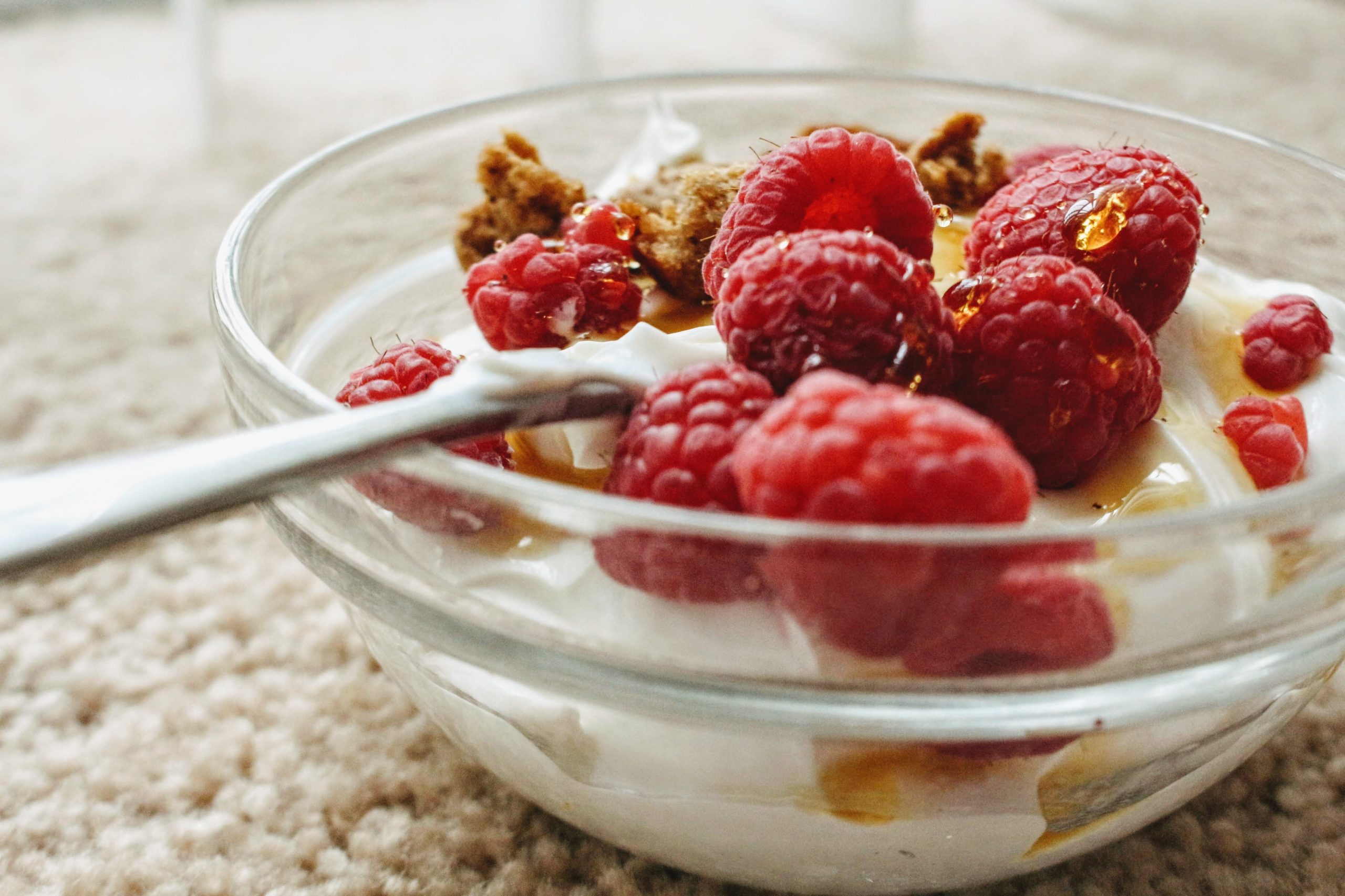
Yogurt; all about probiotics.

Probiotics are an important part of a supplement regimen and a healthy lifestyle, but just how important are they? They have shown potential in easing the symptoms of conditions like IBS, acid reflux, constipation, and even anxiety and depression. Taking a daily probiotic is one of the best things you can do to help promote a healthy gut, and a healthier gut means a healthier immune system. Let’s learn all about probiotics and take a look at why these bacteria are so important for our health.

Good and Bad Bacteria

Our gut contains an estimated 100 trillion bacteria, which is more than the number of human cells in your body. There are “good” and “bad” bacteria, and different strains have different uses. However, our gut flora (bacteria) can get out of balance, which can contribute to a number of different health conditions like allergies, IBS and other stomach issues, heart disease, depression, anxiety, and potentially obesity and certain cancers. One of the types of “bad” bacteria in our guts that most people are familiar with is candida. Candida is present in everyone in some amount, but the problem begins when it multiplies too much. This usually happens due to a poor diet high in sugar and processed food, which essentially “feeds” the candida, and/or taking antibiotics, especially for an extended period of time, which can decrease the good bacteria in your gut that would normally keep the bad bacteria under control, allowing candida to flourish. This is one reason why probiotics are so important because increasing the number of good bacteria in your gut is crucial to reducing candida and other bacteria that may have gotten out of hand, and for maintaining a good balance.

Neurotransmitters

Neurotransmitters are essentially chemical messegers that send signals throughout the brain and other parts of the body. The science behind neurotransmitters is fairly complicated, so we won’t get into the details of it all, but there are a few neurotransmittes you’re likely familiar with. Serotonin, dopamine, and histamine are a few of the many neurotransmitters in our bodies. Much of these and other neurotransmitters are synthesized in the gut, and research is beginning to show that our gut flora may affect how much of these neurotransmitters are produced. Research suggests that probiotics may have the potential to help decrease the symptoms of depression, anxiety, schizophrenia, bipolar disorder, and other mental health conditions, likely through balancing the gut bacteria which may lead to more balanced neurotransmitters. Many antidepressants are SSRI’s, or Selective Serotonin Reuptake Inhibitors, and they work by blocking the reabsorption of serotonin into the brain, meaning there is more serotonin available for use. However, if probiotics are able to increase the production of serotonin in the gut by balancing the gut bacteria, they may prove to be a useful option in treating certain mental health conditions, but more research is needed to prove this.

Immune System

Our gut flora also plays a large role in the health of our immune system. It is estimated that seventy percent or more of our immune system can be found in our gut because the bacteria in our gut plays a large role in the development of white blood cells and antibodies. So, having an imbalance in the gut flora may affect immune system function, potentially increasing your risk of certain infections. There is so much research being conducted now on different strains of bacteria and what roles they play in the development of certain diseases, and researchers have found that a person’s gut flora can actually change in response to certain infections and diseases, and that certain strains of bacteria may contribute to the development of some serious medical conditions like colon cancer.

Probiotic Options

There are many different probiotics with different strains of bacteria and different amounts, but here are a few we really like:

  • Target gb-X – Probiotic supplement specifically designed to support positive mood by influencing the gut-brain axis through the microbiome. It is powered by Ecologic BARRIER, a 5B CFU blend of 9 probiotic strains, that has been clinically shown to decrease overall cognitive reactivity to sad mood, rumination, negative thoughts, and aggressive thoughts.1
  • Probio Lean – Contains a blend of 7 select probiotic species in a cellulose base. Designed to increase intestinal diversity and support healthy metabolism and weight management, each capsule provides 25 billion CFU.
  • Probio Ease – This shelf-stable, 50 billion CFU formulation contains a blend of 7 select probiotic species with Sunfiber®, a low-FODMAP certified prebiotic. This formulation provides comprehensive microbiome, immune, and healthy inflammation support in one convenient capsule.

Generally the best time to take most probiotics is at bedtime before you sleep so that there isn’t food interfering with the probiotic’s activity.

The bacteria in our gut is being researched now more than ever, and it has been shown to play a role in the development or prevention of many different health conditions. We stress the importance of gut health because it plays such a big role in overall health and wellness. Taking a high-quality probiotic, and eating a variety of organic fruits and vegetables, grass-fed meats, wild-caught fish, and good fats can go a long way in helping to feed the good bacteria in your gut and reduce the bad.

Posted on Leave a comment

How Physical Health Affects Emotions

Woman running; how physical health affects emotions.

This year has been one of the most stressful years of many people’s lives, and depression and anxiety has become much more common all across the U.S. and much of the world. Now that the holidays are approaching and stress levels are rising even higher, some people are trying to cope in unhealthy ways by drinking more alcohol and/or making poorer food choices like eating more sugar and processed foods. While you may think drinking more alcohol or eating whatever you want will help you deal with these negative emotions, it can actually make them worse. Your physical health affects your emotions in several ways, and it’s so important to keep yourself as healthy as you can both physically and emotionally during this time.

Liver and Kidneys

The health of your liver and kidneys could play a role in your emotional health. In traditional Chinese medicine, each organ is connected to different emotions. So, it is believed that if your liver is diseased or not functioning optimally, you may experience feelings of anger, frustration, bitterness, irritability, and/or resentment. If your kidneys are not functioning optimally, you may experience feelings of fear, isolation, and insecurity. So, if you begin consuming too much alcohol (especially if you are also dehydrated), it could put a strain on your liver and kidneys, and could contribute to feelings of anger, fear and isolation. Poor liver or kidney function could also affect sleep patterns and energy levels, potentially worsening any negative emotions you’re already experiencing.

Gut Health

Poor gut health is incredibly common, and a majority of the American population deals with at least one digestive issue on a regular basis. Things like food allergies/intolerances, irritable bowel syndrome, poor digestion, diarrhea, constipation, and more serious conditions like Crohn’s disease have all become much more common over the last few decades. The rise in these conditions is mostly attributed to the processed foods we eat that can wreak havoc on our digestive systems and the rest of our bodies. While this can greatly affect our physical health, it can also have an affect on your emotions. Most of our neurotransmitters like serotonin, dopamine and GABA are produced in the gut by the bacteria found there. These neurotransmitters are critical for healthy mood and sleep regulation, and feelings of happiness and well-being. This is believed to be one of the reasons some studies have linked probiotic consumption with decreased cases of depression and anxiety.

What Can You Do?

Fortunately there are several things you can do to help support your physical and emotional health. Be careful about the amount of alcohol you consume and how often you drink it. Studies have shown that chronic and excessive consumption of alcohol can contribute to weight gain, and the development of insulin resistance, liver disease, dehydration, and alcoholism. Be sure to drink plenty of water each day, especially on any days that you consume alcohol, or engage in activities that make you sweat. You can also take a product like Liver Support & Detox to help provide some of the nutrients your liver needs to function optimally. Try to cut out processed foods and beverages as much as you can, as well as foods high in refined carbohydrates like breads, pasta and pastries. You can also take a probiotic to help support the good bacteria in your gut. It’s time we start viewing the human body as a whole, connected unit.

You can listen to our Emotional Health Takes Physical Effort podcast episode here. You can also listen on our YouTube channel here.

Posted on Leave a comment

Emotional Health Takes Physical Effort

Microphone and computer; hanging on to anxiety and stress
Play

With the holidays quickly approaching, and the many stressful events that occurred this year, many people are looking for ways to lower stress levels and improve their emotional health. However, many people are unaware of the connection between physical health and emotional health. In this week’s episode we’ll discuss some of the diet and lifestyle changes that could have a positive effect on both physical and emotional health, and why emotional health takes physical effort to see the biggest improvements.

Products Mentioned in Today’s Show

GABA – Gamma-Aminobutyric acid (GABA), as the major inhibitory neurotransmitter in the central nervous system, helps support normal relaxation, neuronal excitability, and muscle tone.

Stress Response – A comprehensive formula of nutrients and botanicals with demonstrated and unique neurosupportive effects creates a robust and multifactorial approach to support daily brain health and function.† The brain’s complex metabolism requires many different nutrients for optimum cellular communication and a balanced response to stress. Excessive or chronic release of adrenaline and cortisol, accumulated effects of environmental exposures, and oxygenation can affect the brain with an impact on mental alertness, memory, and other functions.

EZ Relax – We’ve teamed nature’s greatest stress management ingredients to create a uniquely effective combination. Formulated with Ashwagandha, valerian extract, L-theanine, and GABA.

You can also listen to Emotional Health Takes Physical Effort on our YouTube channel here.