Posted on Leave a comment

Fighting Anxiety and Depression Naturally

Woman in sunflower field; fighting depression and anxiety naturally.

Many people are dealing with stress, anxiety and/or depression on a daily basis, and it can make it hard for some people to live their life normally. Antidepressants and anti-anxiety medications are often prescribed, but they don’t always help, and the root cause may not be in your mind. Research has shown a possible connection between gut health and the development and severity of certain emotional problems like anxiety and depression. Stress and vitamin and mineral deficiencies may also play a role, so let’s take a look at some possible ways of fighting anxiety and depression naturally.

Gut Health

There are certain types of bacteria in your gut that produce neurotransmitters like dopamine, GABA, and serotonin. These chemicals play a key role in mood, anxiety, ability to relax, stress management, and many other things. If the gut is unhealthy and the bacteria are unable to produce these neurotransmitters in the right amounts, it couldcontribute to the development of depression, anxiety, and other mental health issues. Improving gut health can also help improve immune system function, digestion, and nutrient absorption.

There are many things you can do that may help improve the health of your gut. Cutting out inflammatory foods and replacing them with fresh, whole foods is one of the most important changes you can make. Inflammatory foods include frozen or boxed meals or food mixes, high-sugar foods like candy and soda, unhealthy fats like canola oil and margarine, and foods that have long ingredients lists with ingredients you don’t recognize. Cutting down on the chemicals we consume and use around the house is a great step towards reducing our toxic burden and the accompanying inflammation. You can replace these foods with organic fruits and vegetables, homemade meals, high-quality meats, healthy fats like coconut and olive oil, and replacing sodas and fruit juices with water.

Nutrient Deficiencies

Another possible cause of certain mental health disorders is a vitamin or mineral deficiency, or multiple deficiencies. Different vitamins and minerals play different roles in the body, and many of them help regulate mood, anxiety, and stress. For example, vitamins B12 and B9 (folate) play important roles in regulating mood, vitamin B5 helps support the adrenal glands which are affected by stres, and vitamin D deficiencies have been linked to anxiety disorders. These are just a few examples of why it is important to ensure you are getting all the vitamins and minerals your body needs on a daily basis, but it’s often difficult to get all of these nutrients through diet alone. Suppplementing with a high-quality multivitamin can help you get some of the nutrients you may not be getting enough of from your diet, or you may want to include a B vitamin complex like B Complex Ultra. You can also get routine lab work done so your vitamin D levels, iron levels, and cortisol can all be checked.

These are great changes you may want to consider implemeting in your life, but if you need a little help along the way you could try taking EZ Relax which may help if you have a hard time unwinding or falling asleep at night, or you could try Pantothenic Acid Complex which contains rhodiola extract and other adaptogenic herbs, along with pantothenic acid that work together and may help reduce stress and anxiety. Sometimes people notice a big improvement with just taking a b complex or starting a yoga routine, but everyone is different. You should never be afraid to ask for help from your family and friends, or your healthcare professional. Do your best to focus on the good days rather than the bad days, and surround yourself with positive, healthy, and encouraging people and habits.

While these healthy changes could make a big difference, this advice is not meant to replace medical treatment. Always consult with your doctor before making any changes, especially if you are on medication.

You can listen to our Little Known Facts About Depression podcast episode here. You can also listen to it on our YouTube channel here.

Posted on Leave a comment

Little Known Facts About Depression

Microphone and computer; early warning signs of a thyroid problem.
Play

Depression and anxiety have become much more common this year due to the unprecedented events that have happened, and the demand for products and medications that help treat these issues has greatly increased. While most people know the typical symptoms of depression and anxiety, there are some other things you may not know about these conditions. In this week’s podcast episode we’ll discuss some little known facts about depression, like how certain vitamin deficiencies and food sensitivities may contribute to the development of certain emotional disorders, along with some natural things you can do that may help.

Products Mentioned in Today’s Show

B Complex Ultra – B vitamins are essential nutrients required for optimal health and functioning of numerous systems and biochemical reactions in the body, including energy production, brain, liver and nerve cell function, and muscle tone in the GI tract. Activated forms of folate (Metafolin®‡ L-5-methyltetrahydrofolate) and vitamin B12(methylcobalamin) are used for enhanced absorption and bioavailability. This high-potency B-complex vitamin supplement is formulated to be hypoallergenic and yeast free.

Stress Response – A comprehensive formula of nutrients and botanicals with demonstrated and unique neurosupportive effects creates a robust and multifactorial approach to support daily brain health and function.†

Methyl Supreme – Vitamins B2, B6, B12, and folate are provided in active, coenzyme forms for maximal bioavailability and function. The ingredients in Methyl Supreme work together to synergistically support methylation processes and help maintain normal homocysteine metabolism.

You can also listen to Little Known Facts About Depression on our YouTube channel here.

Posted on Leave a comment

Is Gluten the Hidden Cause?

Microphone and computer; early warning signs of a thyroid problem.
Play

With chronic conditions affecting almost half of the U.S. population, health experts have started to consider other potential causes of these conditions. Exposure to environmental toxins, stress, trauma, and genetic predispositions can all play a role in the development of certain chronic health conditions, but food sensitivities could also have a big influence. Food sensitivities and allergies are much more common than they used to be, and the symptoms are often minimal or mimic other conditions and can be difficult to diagnose without proper testing. Gluten is one of the more common sensitivities, and we are finding more people have a gluten sensitivity than previously thought. In this week’s show we’ll discuss some of the potential symptoms and effects a gluten sensitivity could cause to see if gluten could be the hidden cause of your health issues. We’ll also go over how to test for food sensitivities, and what you can do to help heal your gut.

Products Mentioned in Today’s Show

GI Support – Provides extensive support for the entire GI tract by addressing energy requirements of intestinal mucosa, structural composition of intestinal and colonic cells, microorganism balance, and production of protective intestinal mucus secretions.

Chewable Digestive Essentials V – This product can assist in the breakdown of a wide range of proteins, peptides, fats, complex carbohydrates, sugars, and fibers. Serratia peptidase, a unique endopeptidase enzyme, helps protect sensitive GI tissue from irritation that can affect tissue health and intestinal comfort. Enzymes with DPP-IV activity and a full range of disaccharidases are included.

Probio-Ease – This shelf-stable, 50 billion CFU formulation contains a blend of 7 select probiotic species with Sunfiber®, a low-FODMAP certified prebiotic. This formulation provides comprehensive microbiome, immune, and healthy inflammation support in one convenient capsule.

You can also listen to Is Gluten the Hidden Cause? on our YouTube channel here.

Posted on Leave a comment

Could You Have a Gluten Sensitivity?

Bread in a basket; could you have a gluten sensitivity?

The topic of food sensitivities has become more popular over the last several years, with gluten sensitivities being one of the most popular. Gluten-free foods have shown up in nearly every grocery store and restaurant, and more and more people have chosen to adopt a gluten-free diet. Many critics of the gluten-free movement claim that only people who have celiac disease should eliminate gluten from their diet, but research has increasingly shown that there is a large group of people (estimated to be up to 13% of the population) who have mild to severe sensitivities to gluten, often called non-celiac gluten sensitivity. There are also many personal reports of people feeling better and having symptoms disappear when they removed gluten from their diet, and experiencing the same symptoms again when gluten was reintroduced. Anyone could have a gluten sensitivity, and it often affects each person differently.

What is Gluten?

Gluten is a group of proteins found in certain grains including wheat, spelt (a grain closely related to wheat), barley and rye. Oats do not naturally contain gluten, but they are often grown in the same fields as gluten-containing grains. They also often share processing and packaging facilities with gluten-containing grains, and can become contaminated with gluten. This is why you should opt for oats that are certified gluten-free if you are avoiding gluten. Gluten-containing grains are common in baked products because the gluten proteins are sort of ‘sticky’ and can hold dough together, and give it the elasticity bakers and pizza makers often need.

Why is Gluten Suddenly Bad?

Some researchers claim that humans have been consuming gluten-containing grains for over a hundred-thousand years. So why are so many people suddenly developing problems with something humans should be used to eating? Researchers aren’t completely sure as to why this has happened, but there are several theories. One theory is that the wheat now being grown and consumed has a higher amount of gluten in it that it has throughout human history. Much of the wheat grown today has been bred or modified to contain more gluten because it acts as a natural insecticide. Another theory posits that in the developed countries people may be too clean, and don’t come into contact with the bacteria, fungi, and parasites that people in less-developed countries often do. Most people think the cleaner the better, but some research has shown that by not being exposed to some of these organisms, our digestion is negatively affected, and could be one of the reasons that food allergies are virtually unheard of in many parts of the world. Many other countries also consume fermented foods every day or nearly every day, which provides good bacteria for the gut, enhancing digestion and overall health. Some other theories include the overuse of antibiotics and the drastic increase in wheat consumption in the developed world.

Possible Symptoms

Many people believe that a food sensitivity would primarily cause digestive symptoms, but that isn’t always the case. Some of the most common symptoms can include headaches and migraines, fatigue, brain fog, diarrhea or constipation, abdominal pain, depression and/or anxiety, and bloating. It can also cause dizziness, joint pain, muscle pain, skin conditions such as eczema, psoriasis and acne, and potentially contribute to the development of certain autoimmune disorders. Some people have even had these symptoms misdiagnosed as medical conditions when it was actually due to a food sensititivity they didn’t know they had. This is why testing for food sensitivities is so important, because it can be difficult to tell if you have one, especially if you have had mild symptoms for years that you may not have noticed.

What if I Keep Eating It?

One of the common questions about food sensitivities is about what happens if a person continues to eat a food they are sensitive to. Since the symptoms often vary, it can be different for each person. However, when a person consumes a food they are sensitive to, it typically triggers an immune response that can range from mild to severe. This immune response can cause your body to create antibodies for that specific food protein, and it also causes inflammation. Inflammation can be helpful in certain situations like fighting off an illness, but chronic inflammation is what many experts believe is one of the main reasons for the staggering increase in chronic diseases over the last few decades. So, if you are sensitive to a food as common as gluten, you are likely eating it every day, potentially triggering an inflammatory response every day.

Can I Eat It Occasionally?

Food sensitivities do not care if it’s a cheat meal, your body will still react to it. Even if you only eat it once a month, it will still trigger inflammation, and can trigger symptoms that persist for days to weeks, sometimes longer. This is especially true for gluten sensitivities. If you are sensitive to gluten, eating it just one time can cause your body to create new antibodies against it that can stay in your system for three to six months, with some studies showing they may stay as long as two to three years.

How to Go Gluten-Free

Choosing to follow a gluten-free diet can be daunting, and it is often difficult at first. You may feel like you can’t eat anything because it seems like everything has gluten it. Unfortunately, many of the foods that the average person consumes each day contain gluten, and eating at restaurants can be particularly difficult. However, it gets much easier after just a few weeks. You do have to make some big changes, and getting in the habit of reading ingredient labels on all packaged foods and beverages you consume is important. (You might also be surprised at the chemicals found in some of these foods.) This may sound difficult, but eventually you’ll know what foods are more likely to have gluten hidden in them, and you’ll probably begin to remember what foods are gluten free without having to reread ingredient labels.

Gluten-Free at Restaurants

Eating gluten-free at restaurants can be more difficult because there usually isn’t a complete list of ingredients. Many larger chain restaurants post full ingredient lists online, so you can check and see what you can eat before you visit the restaurant. You can also ask your server about a particular food you are unsure about, and they will usually give you the information you need or offer to have the chef speak to you. Meats, vegetables, and fruits are naturally gluten-free, but be careful of any sauces or seasonings as many of them contain gluten. One example of this is hard-shell tacos. Most people would think that they don’t contain gluten because the taco shell is made from corn, and the rest is seasoned meat and toppings, but most restaurants use taco seasoning that contains gluten. This is just one example of things to watch out for when eating at restaurants, and another reason to cook and season your own food at home.

Cross-Contamination

In kitchens or processing and packaging facilities that use both gluten-free and gluten-containing foods, there is always the possibility of cross-contamination. Cross-contamination occurs when a gluten-free food like french fries comes into contact with something that contains gluten, like frying oil used to fry breaded items (which is why most french fries aren’t considered gluten-free). This is why restaurants will say that they cannot guarantee something is gluten-free because it shares a kitchen with regular foods. With cross-contamination, you never know if you are getting little to no gluten, or a lot of gluten, and it is virtually unavoidable if you eat at any restaurants that don’t exclusively prepare gluten-free foods. Choosing to avoid all chances of cross-contamination is a personal decision, as a tiny amount of gluten may not affect people with more mild sensitivities whereas it would affect a person with a severe sensitivity. If you have celiac disease, cross-contamination can potentially be dangerous, and getting “glutened” (the term often used to describe when a person unknowingly eats something containing gluten) can be debilitating. People with celiac disease have even reported getting sick from kissing someone who had recently eaten gluten-containing foods. So, cross-contamination affects each person differently, and is something you should be aware of if you have any food sensitivities.

What to Look for on Ingredient Labels

Gluten is hidden in many foods, behind many different names. When trying to figure out if a food contains gluten, look for these ingredients:

  • Wheat/Wheat Protein/Wheat Starch
  • Hydrolyzed Wheat Protein/Hydrolyzed Wheat Starch
  • Wheat Gluten
  • Wheat Germ/Wheat Germ Oil
  • Enriched and /or Bleached Flour
  • Bread Flour
  • Barley
  • Rye
  • Couscous
  • Farina
  • Spelt
  • Bulgur
  • Malt/Barley Malt
  • Seitan
  • Modified Food Starch

This is not a complete list, but it is a good place to start. If you feel overwhelmed with trying to remember what to look for, you can choose to purchase only foods that are certified gluten-free.

Foods to Eliminate or Replace

Gluten-free diets have become incredibly popular over the last few years, so there are gluten-free alternatives for nearly every common food.

Some of the more obvious foods to eliminate or replace with gluten-free versions include:

  • Bread
  • Pasta
  • Tortillas
  • Cake/Cookies
  • Biscuits/Rolls
  • Crackers
  • Pancakes

There are also some foods that most people would think are already gluten-free, but in fact often have gluten in them. These include:

  • Soups
  • Cornbread
  • Sauces
  • Dressings
  • Chili
  • Cheese Dip/Sauce
  • French Fries (could have gluten from cross-contamination, or certain seasonings)

Testing for Food Sensitivities

Having a food sensitivity test done is the most accurate way to determine if you have a food sensitivity. You can try an elimination diet, but they are very strict and require consistent, accurate descriptions of symptoms daily, and closely following the elimination and reintroduction guidelines which can be difficult. Tests can often show if you are sensitive to several different foods, and some tests can even show the degree of the sensitivity. Our Wheat Zoomer/Leaky Gut/Food Sensitivity Panel Profile 1 tests for wheat sensitivities, wheat allergies, gluten sensitivities, and celiac disease. It also measures intestinal permeability.

Choosing to adopt a gluten-free lifestyle can be intimidating and difficult at first, but it gets easier over time. Although it can be a lot of work at first, it’s worth it to give your body a chance to recover from years of eating something you were sensitive to.

You can listen to our Is Gluten the Hidden Cause? podcast episode here. You can also listen on our YouTube channel here.


Posted on Leave a comment

What You Should Know About Vitamin D

Sunlight on grass; what you should know about vitamin D.

Vitamin D deficiencies are one of the most common nutrient deficiencies in the United States. One of the main reasons for this is that the average person spends most of their time indoors, and gets very little sunlight. If you naturally have a darker skin tone, it is even more difficult for the body to synthesize vitamin D from sunlight. Supplementing with vitamin D is recommended for most Americans, but why is it so important? Let’s take a look at what you should know about vitamin D, including what it does in the body, and how much you should supplement with.

What is Vitamin D?

Even though it’s called vitamin D, it’s actually a hormone, not a vitamin, and it plays a role in many different functions in the body. Vitamin D is necessary for the body to properly absorb calcium from the gut and into the bloodstream, making it one of the most important nutrients for bone growth and healthy teeth. It also helps regulate the amount of phosphate in the body, promote a healthy immune system, support hormonal balance, and some studies have even found that optimal levels of vitamin D may help prevent certain diseases. Vitamin D deficiencies have also been linked to emotional disorders such as depression, anxiety, insomnia, and unstable moods.

How Much Should You Take?

It’s recommended that most adults take 5,000 IU’s of vitamin D daily. However, some people absorb only a small percentage of what they take, and for those people higher doses may be recommended, but always check with your healthcare professional first. Vitamin D is also fat-soluble, which is why it’s often recommended that you take your vitamin D supplement with a meal containing fat to help it absorb properly. While you can get some vitamin D from sunlight and certain foods, taking a supplement each day can help ensure your levels are optimal.

You can listen to our How Much Vitamin D is Right for Me? podcast episode here. You can also listen on our YouTube channel here.

Posted on Leave a comment

How Much Vitamin D is Right for Me?

Microphone and computer; early warning signs of a thyroid problem.
Play

Most people know that vitamin D deficiencies are very common, and many people supplement with vitamin D daily, but how do you know how much to take? The ability to absorb vitamins can vary widely from person to person, so it can be difficult to know how much to supplement with each day. In this week’s show we’ll discuss how much vitamin D is right for you, what can help make it more absorbable, and we’ll go over a few of the many benefits of having adequate vitamin D levels.

Products Mentioned in Today’s Show

Vitamin D3 5000 – Vitamin D receptors are widely distributed in the body, including colon, prostate, breast and ovary, where it acts to inhibit the excessive growth of body cells and tissues and helps cells mature normally.† Adequate amounts of vitamin D, an essential, fat-soluble vitamin, come from consistent exposure to sunshine and are difficult to obtain from dietary sources. Postmenopausal women, older individuals, and those with malabsorption, limited sun exposure, or certain illnesses may need higher intakes of vitamin D. Vitamin D3, the naturally occurring form, is supplied in high-potency amounts for those needing to conveniently augment dietary intake.

D3 + K2 Ultra– Vitamins D3 and K2 are structurally similar, fat soluble vitamins. Synergistically, they support healthy calcium metabolism and bone mineralization throughout the body. Often referred to as “the sunshine vitamin,” vitamin D supports normal calcium and phosphorus absorption, which are essential for healthy bone formation. Vitamin K2 supports normal function of the protein osteocalcin, which helps bind newly absorbed calcium to the bone matrix to support healthy bone mineral density (BMD).

Multi-Element Buffered C – Vitamin C is important for immune function and antioxidant protection, as well as collagen and connective tissue production. Multi-Element Buffered C adds calcium, magnesium, and potassium to ascorbic acid to create a buffered product that is gentle on the stomach. This formulation includes zinc, manganese, and copper in well-utilized forms. Quercetin, a powerful bioflavonoid, and reduced L-glutathione, an antioxidant, are included to potentiate the function of vitamin C.

You can also listen to How Much Vitamin D is Right for Me? on our YouTube channel here.

Posted on Leave a comment

Were You Sold Snake Oil?

Microphone and computer; early warning signs of a thyroid problem.
Play

Many people have made taking supplements part of their daily routine, and most people understand the importance of taking certain supplements to help fill in nutritional gaps they may have, even with a balanced diet. However, many people are unaware of the differences in the quality of supplements. Not all fish oils or multivitamins are created equal, and some can do more harm than good. In this week’s episode, we discuss some of the differences in professional-grade supplements versus the ones commonly found in grocery stores, including how certain forms of vitamins and minerals are more absorbable, and we’ll help you determine if you were sold snake oil.

Products Mentioned in Today’s Show

Active Multiminerals – Supplies a balanced mix of essential minerals and trace elements for situations that may call for minerals without added vitamins or other nutrients. Contains highly-abosrbable Albion® Laboratories amino acid chelates, calcium citrate-malate, L-selenomethionine, and other well-utilized forms.

Omega Supreme – Omega Supreme is a convenient once-daily omega-3 fatty acid supplement offering 1,000 mg eicosapentaenoic acid (EPA) and docosahexaenoic acid (DHA) in the natural, triglyceride form per soft gel.

GPC Liquid – GPC is a type of choline that has been shown to support cognitive health and focus. GPC has a naturally delicious, sweet taste on its own so no additional sweeteners were added to this product.

You can also listen to Were You Sold Snake Oil? on our YouTube channel here.

Posted on Leave a comment

Why Some Supplements Are Better Than Others

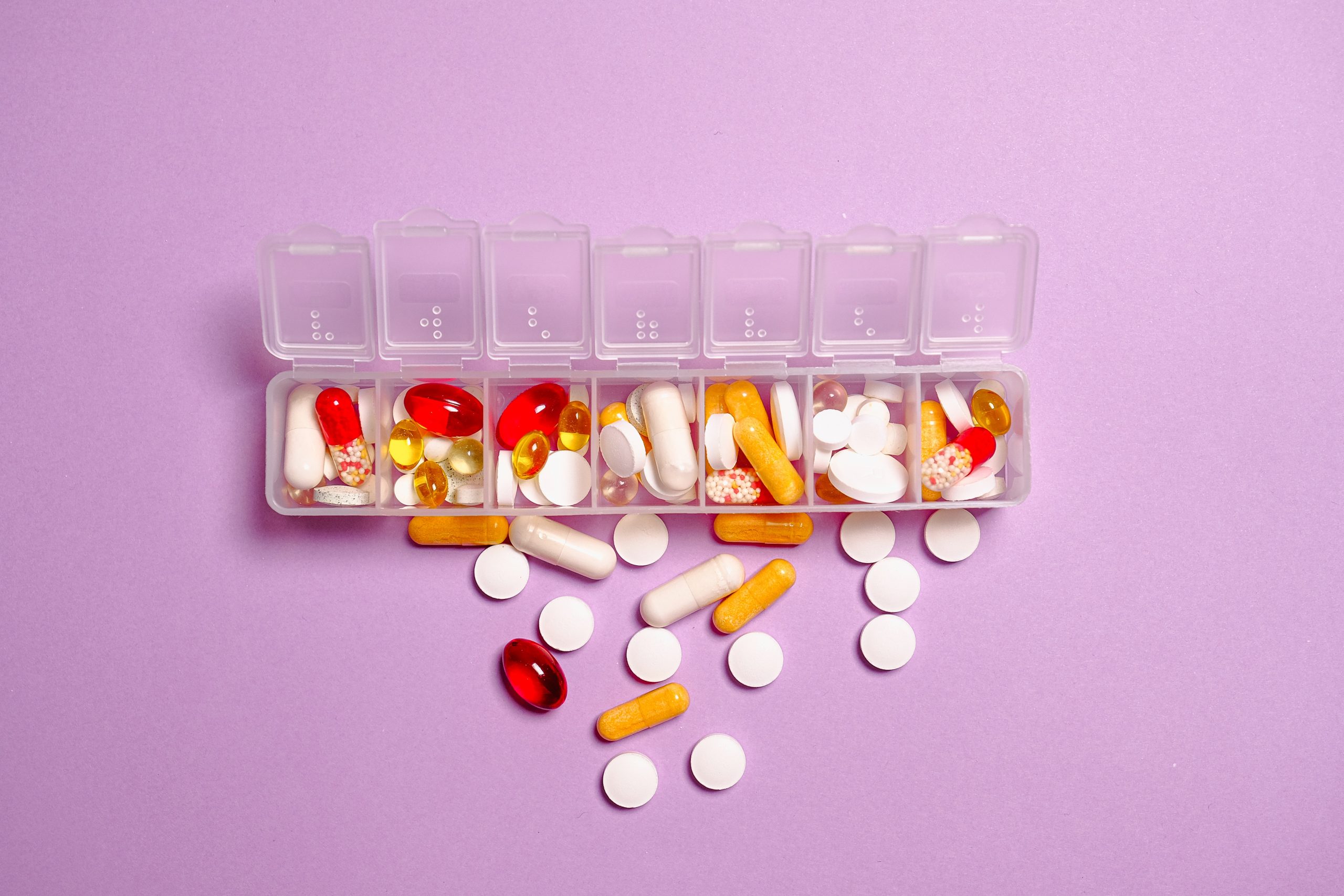
Pills on pink background; why some supplements are better than others.

As taking supplements becomes more common, it’s important to understand that not all supplements are equally effective. Most of the supplements sold in regular grocery stores or drug stores are typically less absorbable and less effective than the ones available only through a licensed practicioner. While the grocery store supplements may be cheaper, they often use forms of certain vitamins and minerals that are less absorbable because they are cheaper to manufacture. Let’s look at a few examples of how some supplements are better than others.

Bioavailability

Some forms of vitamins and minerals are more bioavailable than others. Bioavailability essentially refers to how much of the substance is actually absorbed into the bloodstream and bodily tissues. For example, many magnesium supplements use magnesium oxide as the main or only form of magnesium because it’s cheaper, but very little is actually absorbed in the body. Using the more bioavailable forms of magnesium like magnesium citrate and magnesium aspartate in supplements helps ensure enough is being absorbed. Another good example of differences in bioavailability is vitamin B12. Many B12 supplements and multivitamins use a synthetic form of B12 called cyanocobalamin because it’s typically cheaper for the manufacturer. However, methylcobalamin is much more absorbable, and the brain, nervous sytem and liver are able to use it more efficiently than cyanocobalamin. These are just a couple examples of how not all supplements are equally effective, and the same goes for other minerals, fish oil, and many other supplements.

Third-Party Testing

Many of the supplements available in grocery stores and even health-food stores do not undergo the rigorous third-party testing that medical-grade supplements do. This extra testing certifies that the product actually contains what the bottle claims it does. This is important because the FDA doesn’t have as many restrictions on natural supplements as they do on prescription medications, so it’s often left up to the companies to prove the quality of their products. Certifications are also important because we use supplements to move values on lab tests. To do this we need strong, pure supplements that contain the most absorbable forms of vitamins and minerals so the body can actually absorb and utilize them. While the health food store may have a few good supplements, you can never really be sure of what you are getting without testing and certifications done outside of the company that manufactures the products. The manufacturers we purchase our products from will only sell to a person with a current medical or chiropractic license because they are much stronger and should be taken under the guidance of a trained professional.

Due to soil depletion, many of the fruits and vegetables are lower in nutrients than they were a few decades ago, so eating healthy foods doesn’t guarantee that you won’t have nutrient defiencies, but taking a good multivitamin that contains the bioavailable forms of vitamins and minerals like Active Mega Multi each day can help fill in some of the nutritional gaps. However, supplements alone cannot offset the negative effects of a poor diet and lifestyle, so eat plenty of organic fruits and vegetables, high-quality meats and healthy fats each day, and remember to drink plenty of filtered water and get at least seven hours of sleep each night. The nutrients you take in are essentially the building blocks for all the cells and energy your body makes, so make sure you’re getting enough of them!

You can listen to our Were You Sold Snake Oil? podcast episode here. You can also listen on our YouTube channel here.

Posted on Leave a comment

Are You in Optimal Health?

Microphone and computer; early warning signs of a thyroid problem.
Play

Many people don’t take their health seriously until a new symptom arises or they are diagnosed with a serious condition, but we should all be doing our best to be as healthy as possible even when we feel good. There are many habits and lifestyle changes you can implement that may help support health and quality of life, as well as potentially reduce the risk of developing certain conditions later in life. In this week’s show we ask if you are in optimal health, and give some tips on what you can do to help you be healthier.

Products Mentioned in Today’s Show

GI Support – This formula contains the amino acid glutamine, the primary fuel for intestinal cell function, to help meet the high energy demands of the GI tract, liver, and immune system during periods of physiological stress and transport ammonia to the kidneys for excretion. Acacia and inulin add soluble fibers that are readily fermentable into short-chain fatty acids that support growth of beneficial bacteria, assist water absorption, and support colonic cell function.

Resvera-Max – Resveratrol is a polyphenolic compound with antioxidant activity found in grapes, wine, blueberries, cranberries, and peanuts. While red wine has been popularized as an important source of resveratrol, amounts vary widely. The maximum content of resveratrol in red wine extracts available for use in dietary supplements is 20%. In contrast, root extracts of Japanese Knotweed (Polygonum cuspidatum) provide up to 50% trans-resveratrol content, the same form as found in red wine.

Amino Complete – A comprehensive, hypoallergenic source of essential amino acids. Designed to meet the needs of individuals who require additional amino acids for protein support. This formulation of 20 essential and non-essential “L-form” amino acids uses the highest-quality, pharmaceutical grade, crystalline amino acids in their “free” form to ensure maximum bioavailability and tolerance.

You can also listen to Are You in Optimal Health? on our YouTube channel here.

Posted on Leave a comment

How You Can Be Healthier Now

A man exercising to show how you can be healthier now.

People often postpone taking care of their health until a serious condition arises or symptoms begin to affect their day-to-day lives. Sometimes it is too late for the body to heal completely, or it may take much more work than if the individual had begun taking care of their health earlier in life. However, some people don’t understand how important health is, and even more people don’t know what to do to improve it. Let’s look at how you can be healthier now by making a few simple changes.

Exercise

Many people underestimate the importance of regular exercise. While most Americans lead sedentary lifestyles, humans tend to be much healthier when they exercise regularly. Many experts believe that a sedentary lifestyle is a major risk factor for many serious health conditions including heart disease and diabetes. Exercising reguarly over time can improve cardiovascular health, decrease high blood pressure, decrease stress, improve breathing, improve mood and sleep quality, increase energy, and strengthen muscles and bones. That is not a complete list of all the potential benefits that can come with regular exercise, and exercise doesn’t have to be hard.

Try taking a short walk each day and slowly increase the duration of your walk every few days. Some people prefer to lift weights as their form of exercise, but always remember to listen to your body and work with someone who can teach you the correct form. Lifting weights is a great way to build muscle to keep your body and bones strong, but lifting weights incorrectly can cause an injury, so always ask a professional if you are just getting started, and listen to your body so you don’t push yourself too far.

Healthy Eating

Your diet is arguably the biggest contributor to your overall health, and eating more healthy foods can have a big impact on your health. Processed foods like frozen prepared meals, chips, packaged cookies, sodas, etc. have ingredients that may be harmful. Artificial preservatives, flavors and colors are some of the most common food additives, and can be some of the most dangerous due to how much the average person consumes. Sugar is another ingredient found in high amounts in sodas, cookies, candy and other sweets. Overconsumption of sugar comes with a long list of potential health effects, and entire books have been written about the dangers of sugar. So, replacing processed foods, sweets and sodas with healthy foods like good fats, fruits and vegetables, and responsibly-raised meats is always a good change to consider making.

Supplements

Adding a supplement regimen to a healthy diet is a good way to help ensure you are getting enough of the nutrients you may be lacking. The vitamin and mineral profile of fruits and vegetables has steadily decreased over the years as the soil gets depleted, so eating a clean diet still may not provide all of the nutrients you need. You can start off with a small supplement plan that includes the basics like a good multivitamin, fish oil, and magnesium, and then you can add in more specific supplements based on your individual needs. Having a blood test done will also give your healthcare professional the information they need to make a more individualized supplement plan.

Every little decision you make each day adds up, so make as many good choices as you can, no matter how small. Take the stairs sometimes, go for a walk, replace soda with water, eat more fruits and vegetables, and anything else you can do to improve your health. Making healthy choices early in life and throughout your life may help decrease your risk of developing certain health conditions. Working towards being healthier doesn’t have to be a negative experience, look at it as an investment in your health and well-being, and try to stay positive each day.

You can listen to our Are You in Optimal Health? podcast episode here. You can also listen to it on our YouTube channel here.