Posted on Leave a comment

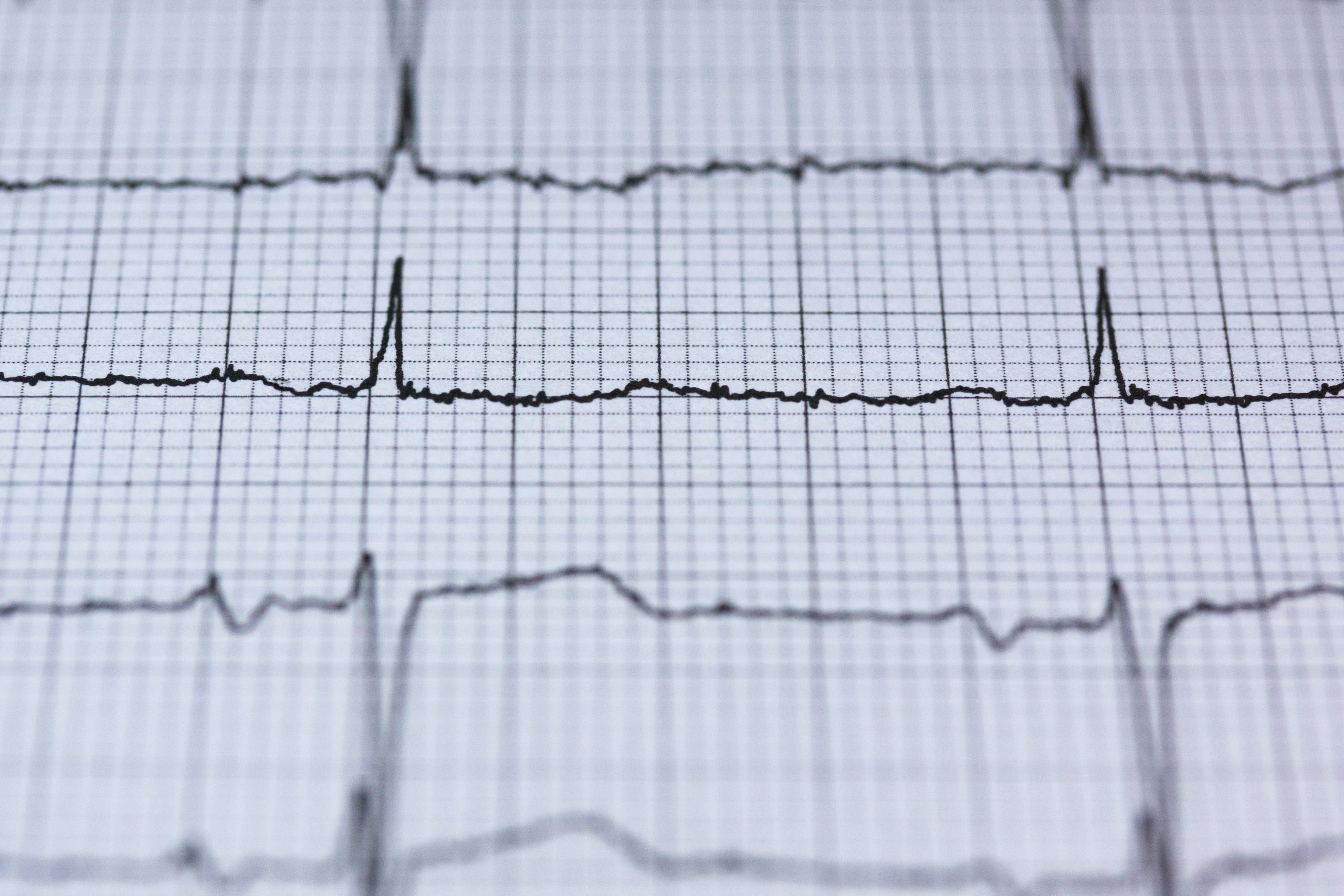
Tachycardia

Tachycardia generally refers to a resting heart rate that is higher than one-hundred beats per minute. Some potential reasons for an elevated heart rate are stress, anxiety, physical exertion through exercise or a physically demanding task, anemia, anger, certain medications, heart damage, congenital heart problems, high blood pressure, hyperthyroidism, and some other medical conditions. Heart conditions are more common now than ever, and tachycardia is one of many. Let’s take a look at some reasons for an elevated heart rate, and what we can do about them.

Stress, Anxiety, and Anger

Your emotional state can affect your body in many different ways. One of the most common parts of your body that is affected by strong emotions is your heart. Stress, anxiety, and anger can increase cortisol levels and trigger a release of adrenaline. This release of hormones can lead to an elevated heart rate, faster breathing, feeling of a tight chest, and some research suggests that these strong emotions may also contribute to inflammation. This can be particularly damaging when someone experiences these emotions every day. Many people are experiencing chronic stress, anxiety, and/or anger due to things like a demanding career, an unhappy marriage, family issues, financial struggles, etc. This prolonged release of cortisol and other hormones can wreak havoc on the body, decrease adrenal gland function, and may increase a person’s risk of heart disease, stroke, and other medical conditions. However, if a person notices a high resting heart rate and is not experiencing stress, anxiety, or anger, other causes should be considered.

Medical Conditions and Medications

Some medical conditions can cause an elevated heart rate, even at rest. Anemia is a medical condition in which iron levels are too low, which decreases the amount of red blood cells, leading to lower oxygen levels in the blood. This can cause an elevated heart rate because your heart is trying to compensate for the low blood oxygen by pumping blood throughout the body faster. Hyperthyroidism is a condition in which the thyroid gland produces too much thyroid hormone, which can also lead to an elevated heart rate. There are many other conditions that can cause an elevated heart rate, so it’s best to check with your doctor if you have an elevated resting heart rate to rule out any medical conditions. Certain medications can also cause an increase in heart rate, so you should be familiar with the potential side effects of any medications you are taking.

Heart Healthy Habits

The health of your heart largely depends on your diet and lifestyle. Eating a balanced diet, engaging in light exercise, staying hydrated, practicing stress-reducing techniques, and taking supplements formulated to support heart health can all go a long way in keeping your heart healthy. Processed foods should be avoided as much as possible, and your diet should consist mainly of organic fruits and vegetables, grass-fed and free-range meats, and high-quality fats like those found in coconut oil and olive oil. You should also do your best to drink around 64 ounces of clean, filtered water every day.

Some supplements that may help improve heart health include:

  • Orthomega – High-quality fish oil supplement providing EPA and DHA.
  • Bergamot BPF – Contains bergamot orange extract, which may help balance cholesterol levels and improve liver function.
  • Methyl CPG – Contains a high-dose of vitamin B12, and is designed to help decrease homocysteine levels in the body.

Taking care of your heart is so important, and we’re here to help you learn how!

You can listen to our Heart Health podcast here.

Posted on Leave a comment

SIBO Explained

Digestive disorders have become more and more common in the last few years. Diagnoses of conditions like IBS, Crohn’s disease, colitis, leaky gut syndrome, Celiac disease, and many others are increasing every year, but experts aren’t sure why. It could be due to a number of things such as increased environmental toxins, poor diet, low fiber, imbalance of good and bad bacteria, and possibly SIBO. Many doctors are beginning to look at SIBO as a possible root cause of many of these conditions, but what is it and why does it happen?

What and Why

SIBO stands for small intestinal bacterial overgrowth, and it occurs when bacteria begins to multiply in the small intestine. Our gut is home to trillions of bacteria of many different strains, with some being bad and some being good. An imbalance of good and bad bacteria is believed to contribute to many different health conditions, but SIBO isn’t always due to this. Most of the bacteria in the gut resides in the large intestine, but bacteria can make its way into the small intestine and cause problems. Even bacteria that is usually considered good can cause problems when it’s in the wrong place, as is the case with SIBO. Bacteria that should not be in the small intestine can find a way in and multiply.

So, bacteria can get into the small intestine and cause problems, but how did it manage to get there in the first place? There are a couple of potential reasons for this including low stomach acid, and a sluggish intestinal tract. Many people take medications like antacids that decrease stomach acid, and while some people may actually have too much stomach acid, many more people don’t have enough. Low stomach acid can cause a number of different problems like heartburn, vitamin and mineral deficiencies, gas, bloating, diarrhea, and overall poor digestion. When food is not digested properly it may move into the small intestine without being fully broken down, providing a great meal for any bacteria that shouldn’t be there. When the bacteria have an abundant food source, they can continue to multiply and worsen your symptoms.

A sluggish, poorly functioning intestinal tract may also contribute to the development of SIBO and other conditions. A sluggish intestinal tract has many potential causes including dehydration, not eating enough fiber, poor diet, certain illnesses like food poisoning, damage from past surgeries, and certain health conditions like hypothyroidism. When partially digested food moves through the intestines it typically contains bacteria from your stomach, and it may also attract bacteria that is in your intestinal tract. When this partially digested food and bacteria move too slowly through the intestines, as is the case with constipation (having less than 1-2 bowel movements per day), the bacteria can migrate to other parts of the intestines where it shouldn’t be, and begin to multiply.

Possible Symptoms of SIBO

SIBO can cause a number of different symptoms, including:

  • Diarrhea
  • Abdominal Pain
  • Constipation
  • Bloating
  • Gas
  • Nausea
  • Vitamin and Mineral Deficiencies
  • Anxiety
  • Depression
  • Belching
  • Fatigue
  • Headaches
  • Food Allerges/Intolerances

Many other digestive disorders share these same symptoms, and a person may have been experiencing these symptoms for many years without realizing SIBO could be the cause. Doctors often diagnose this as IBS or other conditions, when it may have been SIBO the whole time.

IBS and Leaky Gut Connection

IBS and leaky gut syndrome are two of the most common gastrointestinal disorders, but they may be caused by SIBO in many cases. It is estimated that over 75% of IBS cases are caused by SIBO. IBS generally refers to a collection of symptoms (like gas, bloating, constipation, diarrhea, abdominal pain, food allergies/intolerances, etc.) rather than an actual disorder. IBS is often what doctors will “diagnose” you with if they haven’t found a specific reason for your symptoms. Over-the-counter medications for gas, diarrhea, or constipation may be suggested, but this doesn’t deal with the root cause. Almost all of the symptoms of IBS mentioned above are also symptoms of SIBO as listed earlier in this article.

Leaky gut syndrome, also sometimes referred to as intestinal permeability, is a condition is which the lining of the intestines becomes damaged. Tiny holes can form in the intestinal lining allowing food particles, toxins, and other substances to leak out into the bloodstream. The body recognizes these food particles and other substances as foreign invaders, and mounts an immune response against them. This is also how leaky gut syndrome can lead to food allergies/sensitivities because the body begins to recognize certain foods as foreign invaders, and the immune response can present itself as an allergic reaction. Inflammation is part of the immune response, and as we’ve discussed in other articles, chronic inflammation is believed to be a large contributing factor in the development of certain autoimmune diseases, cancers, and other serious health conditions. When someone has SIBO, the bacteria that have moved into the small intestine can damage the lining of the intestine, leading to intestinal permeability (leaky gut), which can lead to a host of other issues. Leaky gut symptoms can include headaches, constipation, food allergies/intolerances, gas, bloating, fatigue, brain fog, vitamin and mineral deficiencies, and many others. Unsurprisingly, SIBO and leaky gut syndrome share many of the same symptoms.

Role of Diet

Diet may also play an important role in the development, treatment, and prevention of SIBO. A diet high in sugar and simple carbohydrates like bread and pasta may provide a food source for bad pathogens in the gut like candida. While experts aren’t sure if SIBO or candida overgrowth occurs first, or if they are directly related, increasing the bad bacteria in your gut is not a good thing. Drinking enough water and eating enough fiber to help keep your bowels moving may help reduce your risk of developing SIBO and other conditions. Certain diets like the SCD (specific carbohydrate diet) have helped provide relief for some people suffering from SIBO.

Possible Treatment

SIBO is a complicated condition to treat, but it is not impossible. It often takes a lot of trial and error to find the treatment that works best for you. For many people with SIBO, it often takes a combination of supplements, diets like SCD or GAPS, intermittent fasting, and other measures to get the best results. Some supplements that may help with some of the conditions mentioned in this article include Candicid Forte, Intestin-ol, and Lauricidin. Candicid Forte and Intestin-ol may help reduce candida overgrowth, and Lauricidin has anti-fungal, anti-bacterial, anti-viral, and anti-parasitic qualities, and may also help reduce candida overgrowth.

Regardless of whether or not you have any of the symptoms of the conditions discussed throughout this article, we recommend that you drink around 64 ounces of clean, filtered water each day, eat a diet low in grains, sugar, and processed foods, eat plenty of organic produce and healthy fats like coconut oil and olive oil, and eat high-quality meats. Digestive issues can have a serious impact on your everyday life, as well as potentially increasing your risk of developing more serious conditions later in life, so do what you can to help protect your gut!

Listen to our Is It SIBO or IBS? podcast here.

Posted on Leave a comment

Causes of Joint Pain

Joint pain affects people of all ages, and it can be caused by several different things. An injury, certain infections and diseases, dehydration, and inflammation can all cause acute or chronic joint pain. Some of these things can be prevented through a proper diet, certain supplements, and light exercise, but what do you do if the pain has already started? Fortunately, there are some things that may help provide some relief, but we need to determine the cause first. Let’s take a look at the potential causes.

Inflammation

Inflammation is more dangerous than many people think, and some experts believe it may play a large role in the development of most chronic diseases. Inflammation typically occurs when the body experiences some form of damage, or recognizes a foreign invader like bacteria. Toxins, dehydration, infections, nutritional deficiencies, and injuries all damage the body, leading to inflammation. When a joint becomes inflamed, it can cause pain, swelling, and redness. The inflammation could also be caused by a disease that affects the joints like arthritis, lyme disease, or lupus, or it may be due to toxins in the body, a lack of collagen, a vitamin or mineral deficiency, or dehydration.

Dehydration

Sometimes the cause of your pain is something simple, and dehydration is often overlooked. One survey found that about seventy-five percent of Americans are chronically deydrated. Chronic dehydration can cause a number of problems, and may contribute to some more serious health conditions. Chronic dehydration can cause headaches, fatigue, dry/flaky skin, constipation, muscle aches, and joint pain. It may also contribute to the development of dementia, gastrointestinal issues, kidney stones, high blood pressure, and UTI’s. Excessive consumption of coffee and tea can also contribute to dehydration. You should be drinking about half a gallon of water a day, or more if you sweat frequently. Consuming enough electrolytes like sodium (salt), potassium, and magnesium is also important.

Types of Arthritis

There are different types of arthritis that have different causes. Osteoarthritis occurs when the cartilage in a joint begins to break down, which typically occurs after the age of forty or fifty, but may occur in younger people who have frequently damaged their joints. Obesity, physically-demanding careers or sports, hormonal imbalances, genes, and other factors can contribute to the development of osteoarthritis.

Rheumatoid arthritis (RA) is another common form of arthritis. RA is an autoimmune condition, and it occurs when the immune system begins attacking the lining of joints in the body,usually beginning in the hands and feet. It is unclear what causes RA to begin, but it may be due to chronic inflammation, hormonal imbalances, genetic risk factors, and other things that may contribute to the formation of most autoimmune diseases.

One other common type of arthritis is gout, also called gouty arthritis. Gout occurs when there is too much uric acid in the blood, and it begins to form painful crystals in the joints. Uric acid levels can get too high if the kidneys are not eliminating it quickly enough. Diabetes, alcohol consumption, poor kidney function, and consumption of certain foods may increase uric acid levels in the blood.

Reducing Joint Pain

There are some things you can do to help reduce joint pain, depending on what is causing it. The first thing you should do is to make sure you are drinking enough water every day. Chronic dehydration affects many people, but few realize it. You should be drinking about half a gallon of water a day, and possibly more if you sweat a lot during the day. You should also avoid inflammatory foods and drinks as much as possible. This includes soda, processed foods, processed meats like bacon and sausages, bad fats such as vegetable oil and margarine, conventional dairy products, fast food, breads, and pasta. Alcohol consumption should also be limited. Many of these can also contribute to a gout flare-up, so it is even more important to avoid these foods and drinks as much as possible if you struggle with gout.

There are also some supplements that may help reduce joint pain in certain situations. These include:

  • Traumeric – May help reduce inflammation in the body and joints.
  • CollaGEN – Helps to increase collagen levels in the body, possibly decreasing joint pain.
  • Reacted Multimin – Helps ensure you are getting enough minerals in each day.
  • Chondro-Flx – Contains ingredients designed to help support joint health and mobility, and may also help reduce joint inflammation.

Eating a healthy, varied diet, drinking plenty of filtered water, and taking supplements that support joint health may help reduce joint pain and inflammation. Getting into these habits early in life may also help reduce your risk of developing certain conditions that affect the joints. Joint pain isn’t always something you have to deal with for the rest of your life. We’ll do everything we can to help you feel better!

Listen to our Joint Pain or Arthritis podcast here.

Posted on Leave a comment

Joint Pain or Arthritis

Play

Causes of Arthritis/Osteoarthritis

  • Genetic Susceptibility
  • Weight
  • Injury
  • Overuse
  • Infections
  • Rheumatoid Arthritis
  • Gout
  • Uric Acid Buildup

Natural Products that can help with joint pain or arthritis:

Chondro-Flx – Cartilage is composed of collagen fibers that impart tensile strength, and proteoglycan molecules (especially chondroitin) that serve as a cushion for joint impact. Lifestyle factors and age can both contribute to a breakdown of healthy cartilage and lead to discomfort, which can lead to nutrient and fluid deprivation of the affected articular cartilage. While most other therapies simply block the pain of joint discomfort, the ingredients in Chondro-Flx address the root cause of joint discomfort and provide the precursors that enhance cartilage synthesis for healthy joints and connective tissue.

Traumeric – is a synergistic formula of natural ingredients to improve musculoskeletal health and boost joint movement

Lab Panel for Today’s Show:

Comprehensive Lab – contains 13 tests with 102 biomarkers.

This panel includes Dr. Lewis’ consultation services and recommendations. Please complete the health survey at https://www.greenwisdomhealth.com/health-survey/

Posted on Leave a comment

Antinutrients and Nightshades

Antinutrients are compounds mostly found in foods and drinks that interfere with the body’s ability to absorb nutrients like certain vitamins and minerals. Legumes, grains, and nuts and seeds often have the highest concentration of antinutrients, but they can also be found in certain herbs, spices, and fruits and vegetables. There are many different types of antinutrients, but we are going to take a look at two of the most commonly discussed antinutrients: lectins and oxalates. Nightshades are a particularly common source of both lectins and oxalates, and many people eat at least one type of nightshade a day, but let’s take a look at the risks and benefits before you decide to cut them out of your diet.

Nightshades

Nightshades are a class of plants that includes many different types of flowers (including tobacco), trees, fruits, and vegetables. Foods like potatoes, tomatoes, chili powder, jalapenos and most other peppers (does not include black pepper), okra, some herbs like ashwagandha, and many other foods and spices are all part of the nightshade family. For many people, nightshades do not cause any issues, but for some they can act as an immune trigger. This is why most autoimmune protocols require you to eliminate all nightshades from your diet.

Symptoms of a sensitivity to nightshades can include gut issues like IBS (irritable bowel syndrome), muscle aches, joint pain, increased mucus production, and acid reflux/heartburn. Many food sensitivities exhibit these same symptoms, so it can be difficult to determine if nightshades are the culprit. However, if you have these symptoms and have tried eliminating other food groups and haven’t seen an improvement in your symptoms, then it may be worth a try. If you choose to eliminate these foods, you should find a complete list of nightshade foods and herbs and eliminate them completely for at least one month, including those found in medications and supplements. You should also substitute the foods you eliminate with equally nutritious foods like celery, sweet potatoes, oranges, cauliflower, melons, etc. After one month has passed, you can begin to add nightshades back in, one at a time, and see if you experience any reactions.

Lectins

Lectins are a type of antinutrient most commonly found in peanuts, beans, lentils, eggplant, zucchini, potatoes, tomatoes, and grains like wheat, corn, and quinoa, among others. Lectins can cause bloating, gas, and indigestion, and they can interfere with the body’s ability to absorb certain nutrients. They are also difficult to digest, and can “cling” to the intestinal wall. This is especially harmful if leaky gut is already present, which is the case for many people. The lectins are often able to pass through the damaged intestinal wall and get into the bloodstream. When this happens, the body recognizes the lectins as invaders, and mounts an immune response to fight them. The body may also begin producing antibodies made specifically for lectins. As we have discussed before, chronic immune responses and the subsequent inflammation is believed to be the main cause of many autoimmune diseases and certain types of cancer, so if you eat foods high in lectins daily like most people, you may have ongoing inflammation that could lead to more problems in the future.

Oxalates

Oxalates are another type of antinutrient that can be found in millet, spinach and other leafy green vegetables, chocolate, sweet potatoes, black tea, coffee, and many other foods and drinks. Oxalates tend to bind to calcium, preventing it from completely being absorbed, which can also lead to kidney stones. The most common type of kidney stones are calcium oxalate stones, which can occur when oxalates bind with calcium in the bloodstream and build up in the kidneys. A high-oxalate diet may also lead to increased inflammation, joint pain, and possibly decreased glutathione function. Glutathione is often called the “master antioxidant” due to its wide-range of detoxifying abilities, and is crucial to your health.

Our liver produces small amounts of oxalates, and there is some evidence that oxalates may have some benefits like helping to carry toxins out of the body, but this is not yet fully understood. Although it is impossible to completely eliminate oxalates from your diet because they are present in almost all plant-based foods, a low-oxalate diet may be especially beneficial for people who have had kidney stones.

It may feel like you can’t eat anything, but this isn’t true. The key is moderation, and you can enjoy foods that contain antinutrients (virtually all foods contain some), but they should be enjoyed in moderation and with plenty of variety. Taking digestive enzymes may also help your body break down and absorb nutrients more effectively, and GI Support may help decrease intestinal permeability which is a leading cause of allergies and other health issues. It is still important to eat plenty of organic fruits and vegetables, but try to limit the amount of raw vegetables you eat because they may be more difficult to digest and can contain more antinutrients than cooked versions. Also, remember to eat plenty of good fats, eliminate processed foods from your diet, and drink plenty of filtered water. Every little change helps!

Posted on Leave a comment

Balancing the Immune System

We encounter germs all day, every day, so having a healthy, functioning immune system is very important. However, we also encounter many different toxins in our air, food, water, and cosmetics, and chronic inflammation is a growing issue. These things can lead to a poorly functioning or overactive immune system, with each carrying their own potential problems. Fortunately, there are many things you can do to help balance your immune system.

Causes of Immune System Imbalances

Some experts estimate that we come into contact with potentially thousands of different chemicals every day, with some experts suggesting it may reach the hundreds of thousands. These include ingredients in personal-care products, air pollution, chemicals and heavy metals in tap water, pesticides from produce, chemicals in processed foods, endocrine disruptors in plastic products, and countless others. All of these toxins can damage systems in the body, including the immune system. These toxins also often cause inflammation in the body, and if left untreated, chronic inflammation can contribute to the development of autoimmune disorders, cancer, heart disease, and other conditions. Reducing your toxic burden (more on that here) and adding in foods and supplements that help you detox are simple steps that can go a long way in helping you to feel better. Try buying only organic produce, natural personal-care products, grass-fed meats. You should also switch to glass or ceramic instead of plastic, drink filtered water, and avoid processed foods as much as possible.

Leaky gut syndrome is another contributor to immune system imbalances and many different health conditions. Leaky gut syndrome is a condition in which the lining of the small intestine is damaged and essentially ‘stretches out’. This is also sometimes called intestinal permeability, and bacteria, toxins, and food particles can pass through the intestinal lining and reach the bloodstream. The body recognizes these substances as foreign invaders because they are not meant to be in the bloodstream. This can cause the body to mount an immune response to fight off these substances which can lead to allergies, inflammation, gut issues, and may also contribute to autoimmune disorders and cancer.

Solutions and Supplements

Healing your gut is crucial to balancing your immune system. Eating an anti-inflammatory diet may help heal leaky gut and reduce inflammation in the body, which may also help reduce your risk of developing certain autoimmune diseases and cancers. An anti-inflammatory diet usually consists of lots of organic fruits and vegetables, grass-fed meats, organic cold-pressed coconut oil and olive oil, organic bone broth, and plenty of clean, filtered water. It also usually requires you to cut out gluten, dairy, and processed foods, and eat little to no grains. This kind of diet is often too restrictive for many people, so if you find that you’re unable to stick to this diet we suggest you focus on eating organic fruits and vegetables, drinking plenty of water, and reducing your intake of processed foods as much as possible. It is also important to make sure there is a healthy balance of good and bad bacteria in your gut.

A detox protocol or detoxifying supplements are other great ways to help balance your immune system. Fixing your diet is very important, but the body may need some extra help detoxing if it’s been struggling for many years. Liver detoxes tend to be the most beneficial because the liver is responsible for filtering through toxins that enter the body, so it can get damaged easily. Coffee enemas are a great way to help speed up liver detoxification, just be sure to read about how to properly and safely do it, and make sure the coffee you use is organic.

There are some other supplements that may help balance the immune system and fight off candida and stealth infections. Lauricidin and Olive Leaf Extract are two great supplements that are antiparasitic, antifungal, and antibacterial, and have shown potential to reduce candida overgrowth and chronic stealth infections. Lauricidin may also help balance immune system function, and can be taken long-term.

As usual, we suggest adopting a diet that is high in organic fruits and vegetables, good fats like coconut oil and olive oil, grass-fed meats, and very low in processed foods. Reducing inflammation in the body is a daily process, and it often takes time to notice a difference in how you feel, but your body will thank you later. Your health is important, so treat it that way!

You can listen to our podcast episodes on our YouTube channel here.

Posted on Leave a comment

Leaky Gut

Autoimmune diseases, allergies, depression, anxiety, cancer, and so many other health issues are much more common today than they were just fifty years ago, but why? There are several causes for the rise in chronic illness, but poor diet and exposure to environmental toxins are arguably the main reasons. Poor nutrition, continuous exposure to toxins in our food, air and water, and overuse of prescription and over-the-counter medications all contribute to a condition known as leaky gut syndrome. This is the name given to a condition in which the lining of the gut becomes permeable, allowing food particles and toxins to pass into the bloodstream which causes the body to mount an immune response. So many people struggle with this condition, but most have no idea.

Leaky Gut

An immune response might not sound like a bad thing, but leaky gut can cause a continuous immune response. Food particles, toxins, and other substances that you consume are meant to stay in your gut. Your body has a digestive lining that is supposed to only allow certain things to pass through, but this lining can become “stretched out”, allowing things to pass through into your bloodstream that were meant to stay in your gut. Your body recognizes these substances as invaders that it must get rid of, causing it to attack. When your immune system is constantly attacking something it can get end up getting “tired”, or it could lose its ability to differentiate between bad and good cells. This can lead to autoimmune problems as your body can no longer tell what is healthy tissue, so it may begin attacking healthy tissue like the thyroid gland, joints, etc.

Food particles that manage to get through the gut lining are also recognized as invaders, and the immune response can come in the form of allergies to certain foods. This is how leaky gut is linked to allergies, and it may help explain the sharp increase in food allergies/sensitivities in recent years. Leaky gut can also lead to poor nutrient absorption, making it difficult for your body to break down and absorb vitamins, minerals, and other vital nutrients.

Symptoms

Leaky gut can cause many different symptoms, and they may mimic the symptoms of other illnesses. Often times, people are diagnosed and treated for an issue that leaky gut actually caused. Leaky gut is often mistaken for IBS or other digestive problems due to the overlapping symptoms, and IBS often does not get better until leaky gut is addressed. This is why it is necessary to identify the root cause of your issues so you can truly heal them, instead of just managing the symptoms.

Leaky gut can cause many symptoms like fatigue, headaches, eczema, acne, weight gain, digestive problems, bloating, food allergies, and many others. If leaky gut is left untreated it can worsen and contribute to more severe problems like autoimmune diseases, IBS and many others.

Treatment

Leaky gut is treatable, but you have to be dedicated and consistent. The first step is to eliminate foods and drinks from your diet that contribute to leaky gut and inflammation. This includes grains (especially the gluten-containing grains wheat, barley, triticale, some oats, and rye), conventional dairy products as in dairy products you find in a typical grocery store, sugar, GMO products, non-organic produce, and processed food. You should drink mostly water and unsweet tea (no soda), but you should consider the quality of your water. Tap water typically contains heavy metals, chlorine, fluoride, and even antibiotics and other medications that were unable to be filtered out. These and other harmful substances found in tap water should be eliminated, so investing in a high-quality water filter or finding a source of clean water is important.

After eliminating these foods and drinks, you should replace them with nutrient-rich and easy-to-digest foods and liquids like organic fruit, cooked organic vegetables (raw vegetables are usually harder to digest), bone broth, fermented vegetables, good fats like olive oil and coconut oil, grass-fed meats, and wild-caught fish. These foods are an important of a healthy diet, but they are essential when trying to heal leaky gut.

Recovering from leaky gut is possible, so try eliminating these foods and adding in the good ones. Give these supplements a try, and see how much better you feel!

Posted on Leave a comment

Thyroid Health and Hypothyroidism

Thyroid issues are much more common now than they were in previous years, and there are a number of possible causes ranging from inflammation to radiation exposure. Thyroid issues are often difficult to treat, but there are many things you can start doing now that can help promote healthy thyroid function. Making dietary and lifestyle changes that promote thyroid health is crucial for people with a diagnosed thyroid problem, but it can also benefit people who currently don’t have a thyroid issue as it may help to prevent problems in the future.

Functions of the Thyroid

The thyroid gland is responsible for releasing certain hormones that are used throughout your body. When the thyroid is underactive or overactive it can lead to issues in different parts of the body, which can make it difficult to determine the root cause by looking at physical symptoms alone, this is why checking thyroid levels regularly is so important. The importance of a healthy, functioning thyroid is hard to exaggerate. The hormones it produces are responsible for regulating your weight, breathing, heart rate, nervous system, body temperature, and bone loss, among other things. If your thyroid is not functioning correctly, it’s difficult for the rest of your body to function correctly.

Hypothyroidism

Hypothyroidism refers to a condition in which the thyroid is producing less hormones than it should be. IHypothyroidism is more common than hyperthyroidism (a condition in which the thyroid gland produces more hormones than it’s supposed to), but they are both serious conditions. The causes of hypothyroidism are often hard to determine, but it may be caused by inflammation, stress, certain medications, nutrient deficiencies including an iodine deficiency, or even exposure to radiation. Drinking tap water may also interfere with thyroid function due to certain chemicals and heavy metals like fluoride, bromide, chlorine, and aluminum that are often present in tap water. Prescription medications have also been found in tap water because medications are often excreted through urine, and it’s very difficult to fully filter them out of the water. All of these things can not only lead to thyroid dysfunction, but can cause problems in other parts of your body as well. Fortunately, there are some things you can do to help promote healthy thyroid function and good overall health.

What Can I Do?

The first thing you should do when trying to treat or prevent any kind of health problem is to optimize your diet. Cutting inflammatory foods out of your diet is crucial for good thyroid health and good health overall. Inflammatory foods include fast food, heavily processed foods, soda, and many others. Your diet should be centered around organic fruits and vegetables, grass-fed and pasture-raised meats, high-quality fats like coconut oil and olive oil, and filtered water. You should also look into switching to all-natural beauty products, soap and household cleaners. Consuming enough iodine is also very important for thyroid health. You can get iodine from fish and other seafood, seaweed, or by taking a supplement containing iodine.

Supplements

The main supplement we recommend for promoting healthy thyroid function is Thyroid Essentials. Thyroid Essentials contains vitamins A, C, and E, iodine, selenium, zinc, turmeric root extract, ashwagandha root extract and a few other ingredients. Thyrotain is like a multivitamin for your thyroid, so taking Thyrotain along with making diet and lifestyle changes can go a long way in promoting thyroid health.

So, eat a diet high in organic fruits and vegetables, high-quality meats and fats, and clean water. You should also switch to all-natural products wherever possible, practice stress-reducing techniques like yoga or meditation, and give Thyroid Essentials a try. You can also get lab work done and Dr. Lewis can see how well your thyroid is functioning so he can give you more specific recommendations. The diet and lifestyle choices you make every day are some of the biggest influences on your health, so make sure they’re good choices!

Posted on Leave a comment

Survival Podcast with Jack Spirko – Agriculture’s Role in Obesity

Dr. Lewis recently had the opportunity again to be a guest on The Survival Podcast with Jack Spirko. This is one of Dr. Lewis’ favorite podcasts to speak on, and we would love for you to listen to it! They discussed everything from the role modern agriculture has played in the health of America to the obesity crisis and the difference between certain popular diets. This podcast contains so much information, as do all of Jack’s podcasts.

Give it a listen here!

You can also visit Jack’s website here to see all his other podcasts and item reviews.

Posted on Leave a comment

What Diet is Right for You?

The start of a new year is the best time to create healthy habits and break the old, bad habits. Many people are buying gym memberships, joining weight loss programs, and starting a new diet, but not every diet is right for everybody. So, how do you know what diet is right for you? You need to first consider any food allergies you have and work around those, then you need to figure out your individual nutritional needs like protein, fat and carbohydrates. Doing these things and getting your blood work done should make it easier to find the diet that works for you.

Allergies and Nutrition

Food allergies, intolerances and sensitivities are much more common now than they were thirty years ago, and avoiding the foods that cause you issues is very important. Continuing to eat foods that you’re allergic to can cause inflammation, and chronic inflammation may contribute to a wide variety of issues including autoimmune disorders and cancer. So, if you have an allergy or sensitivity to dairy, for example, and you would like to try the Keto Diet, then you need to find safe alternatives to the large amounts of dairy that are typically consumed when following the Keto Diet. Coconut milk, almond milk, and coconut cream are just a few examples of dairy-free options.

Everyone’s genetics and daily routines are different, so you also need to consider your personal nutritional needs. For example, if you lift weights often, and/or have high muscle mass, then you will likely need to eat more protein than the average person. If you struggle with always feeling hungry, you could try a high-fat diet like the Keto Diet because fat keeps you feeling full and satisfied longer than protein and carbs do. However, if you have had your gallbladder removed you should be careful following a high-fat diet as it is harder for your body to digest fats without a gallbladder. You can still eat fat without a gallbladder, but taking digestive enzymes containing ox bile with each meal is crucial. Digestive enzymes containing ox bile – like Ortho Digestzyme – can help provide the extra bile your gallbladder used to be responsible for supplying, and that your body needs to properly digest fat. These are just a few examples of things you should think about before choosing a diet.

Keto

The Ketogenic (Keto) Diet is one of the most popular diets right now, and there are many people committed to following it. There are countless success stories, and it was a miracle diet for some people, but it’s not right for everyone. The main goal of the Keto Diet is to eat high-fat and low-carb foods with a general goal of seventy to eighty percent of your daily calories coming from fat, twenty to twenty-five percent coming from protein, and only five to ten percent coming from carbs. This typically means you’ll be eating less than fifty grams of carbs per day, with some people’s carbohydrate goals being even lower. Although this has already been mentioned, it is important and should be reiterated: If you have had your gallbladder removed you may find the Keto Diet difficult or uncomfortable to follow, this is why taking the proper digestive enzymes is so important. Both Panplex 2-Phase and Ortho Digestzyme contain ox bile and are great for aiding in digestion for those who have their gallbladder and those who don’t.

Vegan and Vegetarian

Vegan and vegetarian diets have helped many people, but we do not advise following these diets for a long period of time. Vegan and vegetarian diets can be good detox diets, giving your body a break from digesting meat which can use up more energy than digesting fruits and vegetables does. Many people have found that these diets made them feel great for the first two to six months, but they then suffered from low-energy, brain fog and weakness. This is likely due to the lack of vitamin B12 which people mostly get through animal products like fish, meat and eggs. It could also be due to insufficient protein or amino acids as it can be difficult to consume enough protein and amino acids on a vegan or vegetarian diet, especially for beginners. So, you could try one of these diets for a month or two to give your digestive system a break, but due to how restrictive these diets are we do not recommend following them for more than two months.

Whole Food

Regardless of what diet you choose to follow, it should be centered around eating whole, natural foods. A Keto Diet high in unhealthy, processed fats like vegetable oils can do more harm than good, or a vegan diet high in packaged, processed foods, even if they’re certified vegan, can be more unhealthy than what you were eating before. So, focus on high-quality fats like olive oil and coconut oil, fresh organic fruits and vegetables, organic grass-fed and free-range meats and eggs, and avoid packaged, processed foods. Many people get hung up on following a specific diet like the Keto Diet or a vegan diet, but it is often easier to simply focus on eating whole, natural foods. Do your best to eat a big serving of organic vegetables with every meal, choose grass-fed/free-range meat and eggs, eat organic fruit for dessert rather than sugary foods, and drink plenty of filtered water.

How Can I Know What I Need?

Fortunately, blood work results can tell us a lot about what’s going on in your body. We can learn about your thyroid function, your digestive health, liver function, kidney function, your immune system, blood sugar problems, heart health, and many others just by reading blood work results. There are many different things that can affect your ability to lose weight, so finding any abnormalities and dealing with them can make losing weight easier. Nutrients typically need to be adjusted to help restore certain organs and functions in your body, so giving your body what it needs can help you feel better and shed the pounds faster.

So, take note of any food allergies, consider your level of physical activity, and get your blood work done. Then, let us help you reach your goals by finding the right supplements and finding what diet would be best suited for your individual needs. Remember to drink plenty of clean water and eat lots of organic fruits and vegetables, regardless of what diet you choose to follow.