Posted on Leave a comment

Immune System Must-Haves

Microphone and computer; early warning signs of a thyroid problem.
Play

With all the news recently about the importance of washing your hands and staying away from sick people, you may be wondering what you can do to help bolster your immune system since you can’t always guarantee that you won’t be around someone who’s sick. Washing your hands often, not touching your face with unwashed hands, and keeping a distance from others, especially those who are coughing or sneezing is all good advice. However, you can’t always tell who is sick, and the average person touches their face around 23 times an hour without realizing it. So, your immune system may benefit from some extra nutritional support. In this week’s episode we’ll discuss some supplements that are immune system must-haves, and how they can help give your body the nutrients it needs to stay healthy.

Products Mentioned in Today’s Show

Immune Essentials – Immune Essentials supports immune health with a blend of highly researched and effectively concentrated mushroom extracts combined with the polyphenol nutrient support of green tea. This formula provides beta 1,3/1,6 d-glucan and a range of bioactive compounds that have been shown to potentiate immune response. Grown in the USA under rigidly controlled conditions, these mushroom extracts are made with 100% certified organic ingredients.

Olive Leaf Extract – Olive leaf extract contains significant qualities of phenolic compounds, such as oleuropein, oleuropeoside, and hydroxytyrosol, that have been shown to have antimicrobial properties, as well as antioxidant power. These properties may protect against intestinal or respiratory infections. It has been shown that olive plant tissue can reduce plasma cholesterol, protect from heart disease, and inhibit platelet aggregation. The polyphenols of the olive plant also have blood sugar-lowering properties.

You can also listen our Immune System Must-Haves podcast episode on our YouTube channel here.

Posted on Leave a comment

Common Doesn’t Mean Normal

Tired man; common doesn't mean normal.

Many people live with different problems like headaches, joint pain, bad breath, anxiety, insomnia, and digestive disorders like indigestion, gas and bloating. Regardless of how common these issues may be, they shouldn’t be accepted as normal, and they may be symptoms of more serious health conditions. Many people ignore these symptoms, but they often have a root cause that should be addressed. Let’s take a closer look at why common doesn’t mean normal and why you shouldn’t overlook these symptoms.

Common Symptoms

The majority of people deal with at least one symptom each day, and for many people it’s the same type of symptoms each day. Think about all the people you know, and how many of them have headaches, joint pain, bad breath, insomnia, anxiety, depression, heartburn, IBS, or more than one of these. These issues have become so common that people tend to brush them off and view them as a normal part of their life, but they shouldn’t be viewed that way. Many of these symptoms are the first warning signs of health issues that may come later in life, and they often have a cause that can be fixed early on before it gets worse.

Possible Causes

Sometimes these symptoms are due to a problem that’s relatively easy to fix like chronic dehydration, stress, or vitamin and mineral deficiencies. However, sometimes they are due to more complicated issues like heavy metal toxicity, mold exposure, and unknown food allergies and intolerances. Some of these possible causes are quite common, although doctors and patients often don’t consider them. For example, one survey found that an estimated 75% of Americans were chronically dehydrated. The human body uses water in all of its cells, tissues and organs, so adequate water intake is crucial to overall health. Although this is a very common issue, most people don’t know the damage it can cause, so education is key.

What You Can Do

Some of the more complicated issues would require extensive testing that’s often unreliable to identify if it’s the cause or not, so trying to fix the simple causes first is a good place to start. Headaches are commonly caused by dehydration, and if you are chronically dehydrated, which can occur if you consistenly drink less water than your body needs, then the occasional headache can turn into chronic headaches and migraines. So, drinking enough water each day, which is about 64 ounces for the average adult, is a good habit to get in to. You should also make sure you are getting enough electrolytes each day.

Another simple habit to add is taking a multivitamin each day, as this can help ensure your body is getting the nutrients it needs each day. While eating a diet that contains plenty of fruits, vegetables, good fats and meats is one of the most important things you can do for your health, it can still be difficult to get all of the necessary nutrients from food alone. Much of the soil used to grow produce is heavily depleted in minerals, meaning the plants that grow in that soil will also be lower in nutrients than they should be. This is why taking supplements is much more important than it used to be.

If you begin consuming enough water and electrolytes each day, eating a healthy diet, and taking a multivitamin, and you still don’t notice a difference in your symptoms, then you may want to consider some of the more complicated causes. However, testing for these issues can quickly get expensive and stressful, and in the case of heavy metal toxicity and mold exposure, testing is often unreliable and inaccurate, so ruling out the simple causes first is usually easier. Even though these symptoms have become more and more common, they shouldn’t be considered normal. Your health is one of the most valuable things you have, so do your best to take care of it!

If you are having any serious or unusual symptoms such as sudden headache, chest pain, stomach pain, bloody stool, etc. consult your physician or call emergency services immediately.

You can listen to our When Feeling Bad Becomes Normal podcast episode here. You can also listen to it on our YouTube channel here.


Posted on Leave a comment

When Feeling Bad Becomes Normal

Microphone and computer; early warning signs of a thyroid problem.
Play

With the almost half of the people in the United States living with at least one chronic health condition, many people have accepted that the way they feel is normal. Feeling tired, depressed, irritable, or having brain fog, insomnia or trouble focusing shouldn’t be normal. While chronic health conditions can be difficult to treat, there are many things you can do to help support your body. When feeling bad becomes normal, feeling good again may seem impossible, but your body can do amazing things when given the right nutrients. In this week’s show, we’ll go over some things you can do to help promote a healthy body and mind throughout life.

Products Mentioned in Today’s Show

Resvera-Max – Resveratrol is a polyphenolic compound with antioxidant activity found in grapes, wine, blueberries, cranberries, and peanuts. While red wine has been popularized as an important source of resveratrol, amounts vary widely. The maximum content of resveratrol in red wine extracts available for use in dietary supplements is 20%. In contrast, root extracts of Japanese Knotweed (Polygonum cuspidatum) provide up to 50% trans-resveratrol content, the same form as found in red wine.

Active Mega Multi – Active Mega Multi contains activated forms of folate and vitamin B12, along with efficiently utilized mineral forms and fat-soluble vitamins. This formulation offers enhanced antioxidant protection, broader trace element nutrition, and augmented B vitamin support. This core foundation of essential nutrients can help provide an extra measure of nutritional protection.

Acetyl-L-Carnitine – Research on this acetylated derivative of L-carnitine has centered largely on its role in maintaining brain and nerve function during aging. The acetyl group can serve as a metabolic source of acetylcholine, a brain neurotransmitter, while the L-carnitine component carries fatty acids into mitochondria of nerve, heart, and muscle cells for use in energy production. Other actions benefit membrane stability, production of nerve growth factor, and cerebral blood flow.

You can also listen to When Feeling Bad Becomes Normal on our YouTube channel here.

Posted on 1 Comment

What to Know About Alzheimer’s and Dementia

Elderly couple walking; what ot know about Azlheimer's and dementia.

Azheimer’s disease and dementia are conditions that more commonly affect people over age 65, but can occur earlier in life in the form of early-onset Alzheimer’s disease or early-onset dementia. The severity of these conditions can vary from person to person, and may worsen as they get older. These conditions are relatively common, and a person’s risk of developing these often increase as they age. However, as research in this area progresses, more and more potential causes and treatments are being discovered. Let’s take a look at what you need to know about Alzheimer’s and dementia, like what may contribute to their development, and what might help lower your risk.

Differences Between Alzheimer’s and Dementia

There are some key differences between Alzheimer’s disease and dementia. Dementia is more of a general term referring to a collection of symptoms including difficulty concentrating and remembering events, changes in mood or personality, depression, withdrawal, and increased confusion. It can have many potential causes such as stroke, brain tumors, certain medications, vitamin or mineral deficiencies, and certain diseases. Dementia is also often curable if the root cause is addressed correctly and timely.

Conversely, Alzheimer’s disease does not currently have a known cause and is typically believed to be incurable. There are many potential risk factors including heavy metal exposure, genetic predisposition, high blood pressure, history of smoking, poor diet, inadequate consumption of healthy fats, and vitamin and mineral deficiencies. Although it is not known what exactly causes Alzheimer’s disease, reducing the risk factors may potentially help reduce your risk of developing it.

What Can You Do?

Even though the cause of Alzheimer’s disease is unknown, there is some evidence to suggest that a healthy lifestyle and varied diet may help reduce the risk of developing it. Taking a fish oil supplement in addition to eating a healthy diet full of plenty of good fats like coconut oil, olive oil, and avocados is an important step to give your brain the fuel it needs. Eating enough good fats will also help provide your body with the fats it needs to create hormones and help keep them balanced.

Including plenty of organic fruits and vegetables in your diet is also important because it can help you get the vitamins, minerals, and antioxidants you need each day. However, as we’ve mentioned in the past, most of the soil that the produce we consume is grown in is very depleted of nutrients, meaning the food it produces is also depleted. So, eating a varied diet full of fruits and vegetables still may not provide all the nutrients you need, so taking a multivitamin like Active Mega Multi each day is recommended. Certain types of mushrooms have also been shown to increase energy, memory retention, and overall cognitive function. It can be difficult to find some of these mushrooms in grocery stores, or to know how to cook and eat them. A supplement like Immune Essentials that contains several different types of beneficial mushrooms in capsule form is an easy way to get more of these mushrooms into your day. GPC Liquid is another supplement that is great for brain health, as well as fetal brain development in the womb which is why it is also in our Prenatal Nutrients. GPC has also been shown to aid in learning and memory, as well as help improve athletic performance and increase levels of growth hormone.

While having a family history of Alzheimer’s disease can be scary, you can work on giving your brain the nutrients it needs each day. You can also work on decreasing risk factors by quitting smoking, including more fruits, vegetables, and healthy fats in your diet, and exercising often. Having a healthy lifestyle and diet may help increase your quality of life and decrease your risk of developing a host of other health conditions, so every little change is worth it!

You can listen to our Just in Case You Missed It! podcast episode here. You can also listen to it on our YouTube channel here.

Posted on Leave a comment

Hope for Alzheimer’s and Dementia

Microphone and computer; early warning signs of a thyroid problem.
Play

Azheimer’s disease and dementia are conditions that more commonly affect people over age 65, but can occur earlier in life. The severity of these conditions can vary from person to person, and may worsen as they get older. We regularly receive questions about ways to support brain health and potentially decrease the risk of developing Alzheimer’s and dementia. Fortunately, there is plenty of promising research in this area that could help shed some light on prevention and treatment. In this week’s episode, we want to give hope for Alzheimer’s and dementia. We’ll discuss some possible causes, and supplements and lifestyle habits that might help reduce the risk of developing these conditions.

Products Mentioned in Today’s Show

Stress Response – A comprehensive formula of nutrients and botanicals with demonstrated and unique neurosupportive effects creates a robust and multifactorial approach to support daily brain health and function.†

B12 Folate Plus – Supplies bioactive forms of three essential B vitamins: vitamin B12, folate, and vitamin B6 in small, easy-to-swallow vegetarian capsules.

Omega Supreme – Omega Supreme is a convenient once-daily omega-3 fatty acid supplement offering 1,000 mg eicosapentaenoic acid (EPA) and docosahexaenoic acid (DHA) in the natural, triglyceride form per soft gel.

You can also listen to Hope for Alzheimer’s in Dementia on our YouTube channel here.

Posted on Leave a comment

Supporting a Healthy Immune System

Nutrient-dense foods and supporting a healthy immune system.

Autoimmune diseases are being diagnosed more and more frequently, and the causes are still not exactly known. Genetics, environmental toxins, inflammation, hormonal imbalances, poor eating habits, and sedentary lifestyles are all believed to contribute to the development of certain autoimmune diseases and other serious health conditions. Many people are looking for ways to decrease their risk of developing an autoimmune disease, and while there is no way to guarantee you never develop one, there are several things you can do to help support a healthy immune system.

Possible Causes of Autoimmune Issues

The average person can encounter thousands of different chemicals every day, with some of these being labeled as carcinogens or possible carcinogens. Many of these chemicals are also known endocrine disruptors, meaning they can interfere with hormone production and hormonal balance, which can lead to many other problems. These chemicals can be found in certain processed foods and drinks, plastic containers, tap water, household cleaning products, cosmetics, perfume and cologne, soap, etc. Many of these chemicals can also contribute to inflammation in the body, potentially contributing to many different health conditions.

Chronic inflammation may also contribute to autoimmunity because the body may lose the ability to tell the difference between healthy tissue and something that needs to be attacked by the immune system. When inflammation occurs steadily over a long period of time, it can be difficult for the body to differentiate between the healthy tissue and something that needs to be attacked. This could eventually cause the body to mistakenly attack healthy parts of the body like the thyroid gland, skin, hair follicles, the nervous system, or other areas of the body that can be affected by autoimmune conditions.

Suppporting Immune Health

The good news is that there are many things you can do to help provide your body the nutrients it needs for a healthy immune system. Replacing any processed foods and drinks in your diet with whole foods like organic fruits and vegetables, healthy fats like coconut oil and avocados, and grass-fed and antiobiotic-free meats. A ketogenic diet (very low-carb and high-fat) is also a good diet to try out as it cuts out carbohydrate-rich foods like sugar and grains. These dietary changes may also help decrease gut inflammation and improve gut health, which in turn may help improve immune health.

You should also try to switch to natural products as much as possible. There are natural options for most products ranging from makeup and soap to household cleaning products like laundry detergent. There are also some supplements that can help ensure you’re getting the nutrients you need each day, which can be difficult through food alone. Taking a good multivitamin is always a good habit to get into, along with products like GI Immune that can help stimulate beneficial immune cells, and SBI Support that contains immunoglobulins which some people with certain autoimmune conditions may be deficient in. While doing these things doesn’t guarantee that you won’t ever struggle with an autoimmune condition, you can at least give your body the best chance you can of being healthy by sticking to healthy habits throughout your life.

You can listen to our Possible Symptoms of Autoimmune Disease podcast episode here. You can also listen on our YouTube channel here.

Posted on Leave a comment

Possible Symptoms of Autoimmune Disease

Microphone and computer; early warning signs of a thyroid problem.
Play

Autoimmune diseases are on the rise and the cause is not completely known. Genetics, environmental toxins, inflammation, hormonal imbalances, and poor eating habits are all believed to contribute to the development of certain autoimmune diseases. Fortunately, there are many changes you can make to help promote a healthy immune system. In this week’s episode, we’ll discuss some possible symptoms of autoimmune diseases and some changes you may want to consider making.

There are many possible symptoms of an autoimmune condition, including, but not limited to:

  • Skin Rashes
  • Fatigue
  • Muscle Aches
  • Joint Pain
  • Hair Loss
  • Difficulty Concentrating
  • Numbness or Tingling in Hands and Feet
  • Swelling
  • Vision Changes or Vision Loss
  • Chronic Pain

Products Mentioned in Today’s Show

GI Immune – AC-11® is a patented, water-soluble botanical extract of Uncaria tomentosa shown to uniquely support immune function, healthy inflammatory response and the body’s natural defenses at the molecular level against oxidative stress, supporting DNA integrity. This formula combines AC-11® and larch arabinogalactan to support immune responsiveness and the body’s natural DNA repair capacity. Arabinogalactan is a polysaccharide that stimulates beneficial immune cells resulting in a powerful immunomodulating effect.

Thyroid Essentials – This formula combines iodine and tyrosine, the two constituents necessary for the synthesis of thyroid secretions.* The minerals selenium, zinc and copper have been added as cofactors needed for normal thyroid function.* In addition, this formulation has the Ayurvedic herbal extracts from guggul and ashwagandha to complement its nutritional support components.*

You can also listen to Possible Symptoms of Autoimmune Disease on our YouTube channel here.

Posted on Leave a comment

Would You Pass The Healthy Thyroid Quiz?

Microphone and computer; early warning signs of a thyroid problem.
Play

The thyroid is an incredibly important gland that is responsible for releasing hormones that are crucial to many important functions like regulation of metabolism, heart rate, breathing, and body temperature. It also affects cholesterol levels, mood, energy, and weight management. In this week’s episode we discuss some conditions that affect the thyroid like hyperthyroidism and hypothyroidism, and ask some questions to see if you would pass the healthy thyroid quiz.

Products Mentioned In Today’s Show

Thyroid Essentials – This formula combines iodine and tyrosine, the two constituents necessary for the synthesis of thyroid secretions.* The minerals selenium, zinc and copper have been added as cofactors needed for normal thyroid function.* In addition, this formulation has the Ayurvedic herbal extracts from guggul and ashwagandha to complement its nutritional support components.*

Bacopa 320 – This high-strength standardized whole plant Bacopa monnieri extract CDRI 08® is clinically demonstrated to support working memory and retention. Bacopa monnieri, commonly known as Brahmi, is an adaptogenic, nootropic plant. CDRI 08 is the most extensively researched bacopaextract shown to support cognitive function, spatial working memory, new information retention, stress management, and mood.

You can also listen to Would You Pass The Healthy Thyroid Quiz on our YouTube channel here.

You can also check out Dr. Lewis’ Thyroid Sniper: Shoot’n Straight with Dr. Stephen Lewis, D.C. book here.

Posted on Leave a comment

Overwhelmed By OCD, Anxiety or Depression?

Microphone and computer; early warning signs of a thyroid problem.
Play

With mental health disorders like anxiety, depression and OCD being diagnosed more often, many people have turned to therapy, prescription medications, diet changes, and relaxation techniques to try to ease some of their symptoms. However, everyone is different and the same treatment does not work for everyone. If you are overwhelmed by OCD, anxiety, or depression, then adding a supplement regimen to your daily habits, along with some lifestyle changes, may help ease some of the symptoms. In this week’s episode, we discuss some natural approaches you can take to help give you peace of mind and a better mood.

Products Mentioned in Today’s Show

EZ Relax – We’ve teamed nature’s greatest stress management ingredients to create a uniquely effective combination. Formulated with Ashwagandha, valerian extract, L-theanine, and GABA.

Pantothenic Acid Complex – This formula contains Cordyceps, Rhodiola Extract, Eleuthero Extract, and Pantothenic Acid to help support adrenal function. The ability of the adrenal gland to respond to physiological stress is supported by botanicals with recognized adaptogenic properties. Eleuthero and rhodiola act on neurotransmitter function, the central nervous system, and cardiovascular function to help the body adjust appropriately when faced with biological, physical, or chemical challenges.

Stress Response – A comprehensive formula of nutrients and botanicals with demonstrated and unique neurosupportive effects creates a robust and multifactorial approach to support daily brain health and function.† The brain’s complex metabolism requires many different nutrients for optimum cellular communication and a balanced response to stress. Excessive or chronic release of adrenaline and cortisol, accumulated effects of environmental exposures, and oxygenation can affect the brain with an impact on mental alertness, memory, and other functions.

You can also listen to Overwhelmed By OCD, Anxiety, or Depression? on our YouTube channel here.

Posted on Leave a comment

What to Know About Cholesterol

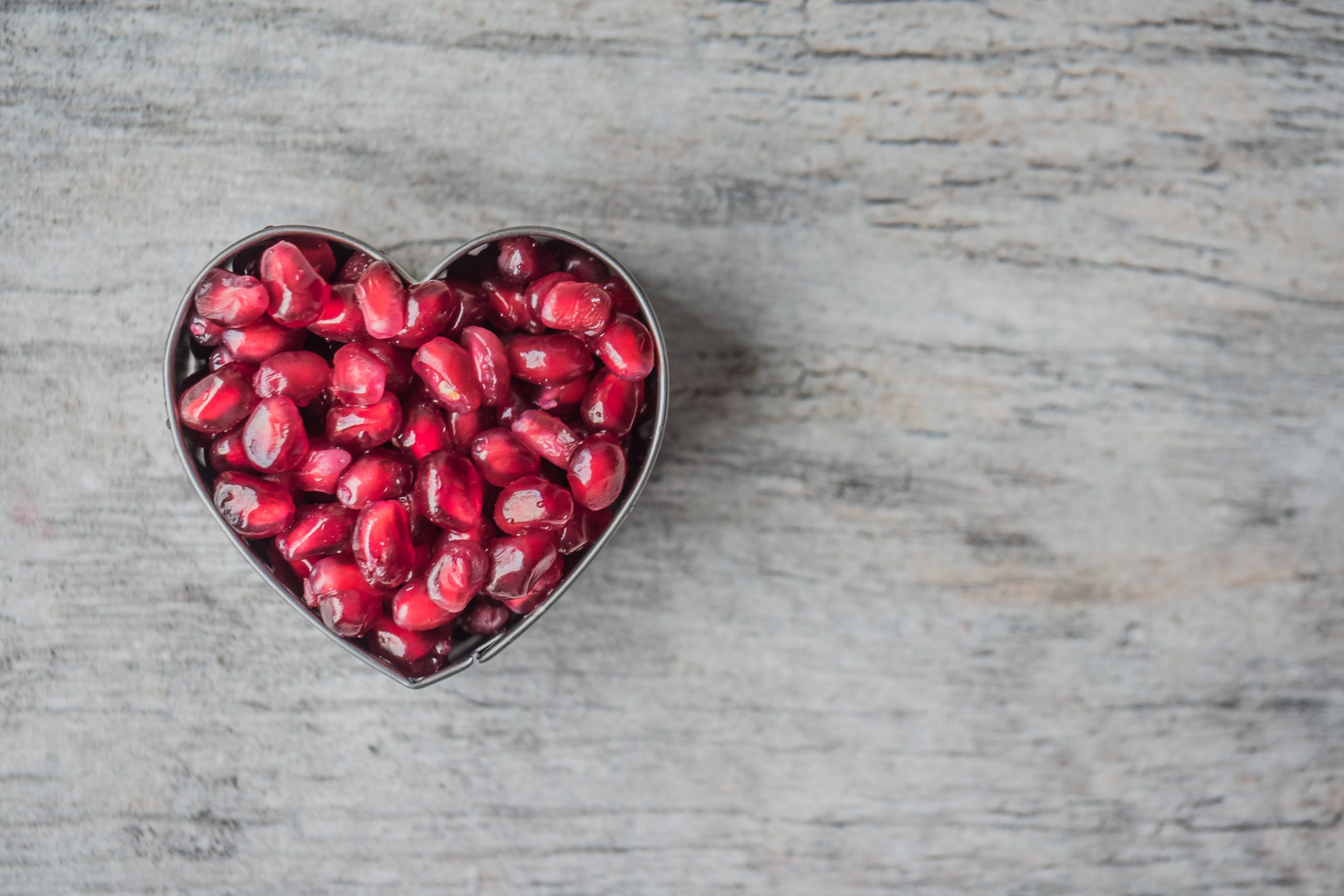
Pomegranate seeds shaped like a heart; what to know about cholesterol.

Saturated fat and cholesterol have been demonized for many years, leading to the rise in low-fat diets that cut out egg yolks, meat, and healthy oils like coconut and olive oil. However, over the last several years there has been a resurgence in high-fat diets like keto, and many people have begun wondering if fat and cholesterol are really as bad as some experts had claimed them to be. There are many things that influence cholesterol levels in each person, and there are some steps you can take to help keep them balanced. Let’s discuss what you need to know about cholesterol and what you can do to help your levels stay balanced.

What Is It?

Cholesterol is a substance found in the body and some foods that is similar to fat. It is necessary for healthy brain and nerve function, and the production of vitamin D, hormones, and bile. The liver, brain, and intestines all produce most of the cholesterol you need, and cholesterol from your diet has been to shown to have little to no effect on total cholesterol levels in the blood. However, unhealthy fats like trans fats and vegetable oils, and a sedentary lifestyle have been linked to higher LDL or “bad” cholesterol. High LDL levels have been linked to inflammation, heart disease, arterial damage, and increased risk of stroke.

Possible Solutions

Cholesterol is necessary for many things in the body like hormone production and healthy digestion, so having a cholesterol level that is too low could potentially have negative effects on your health. Ideally you want a healthy ratio of HDL “good” to LDL “bad”, along with a healthy triglyceride level. Eating more healthy fats and greatly decreasing starchy, high-carb foods is a great start. Avoiding bad fats like vegetable oils (canola, vegetable, and corn) and trans fats which can be found in fried foods, margarine and shortening is also important. You can replace these fats with healthier ones like cold-pressed, unrefined olive oil and coconut oil.

There is also emerging research showing that exercise can help your body move LDL cholesterol to the liver where it can be converted into bile for digestion, which may decrease blood LDL levels, in addition to all the other benefits exercise can bring. There are also some supplements that can help support healthy cholesterol levels like Bergamot and Meta-Balance. Meta-Balance is a unique product because it contains a fiber that binds to fat so it can be excreted with minimal absorption. Supplementing with a fish oil like Omega Supreme is another good way to get in more healthy fats.

It can be hard to add more fat into your diet after hearing that it’s unhealthy for so many years, but healthy fats are essential to many functions in the body, and you shouldn’t be scared of them. So, look into the keto diet, or just work on adding in a little more healthy fat into your diet each day, and be more active throughout the week.

You can listen to our Is Cholesterol Your Friend or Enemy? podcast episode here. You can also listen on our YouTube channel here.