Posted on Leave a comment

Normal Thyroid Test but Still Have Symptoms? When Testing Beyond TSH May Help

Originally published September 17, 2021 · Updated August 18, 2026

It is possible to have symptoms that resemble a thyroid problem even when an initial thyroid-stimulating hormone (TSH) result falls within the laboratory reference range. That does not automatically mean a thyroid condition was missed—or that everyone needs a larger thyroid panel. Fatigue, weight changes, feeling cold, constipation, hair or skin changes, and difficulty concentrating can have many possible causes.

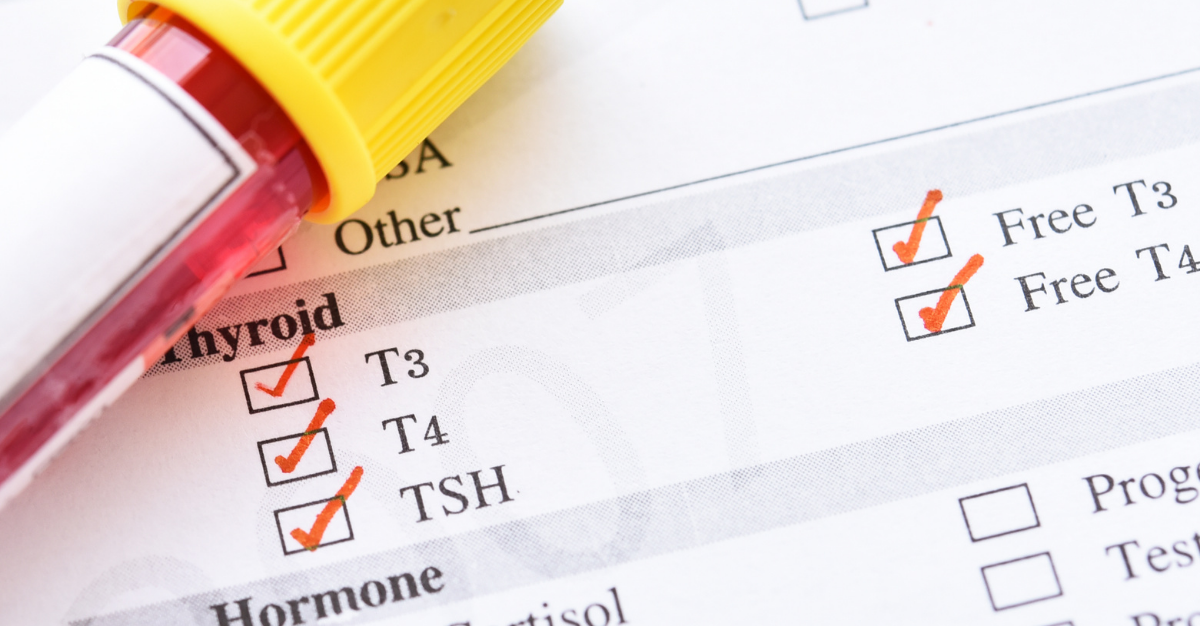
TSH is generally the best initial test for evaluating thyroid function. When symptoms, medical history, examination findings, medications, or earlier results do not fit together, a clinician may consider additional testing. The useful next step depends on the question being investigated: free T4 can help clarify thyroid hormone production; thyroid antibody tests may help identify an autoimmune cause; and T3 testing is most useful in selected situations, particularly when hyperthyroidism is suspected.

Laboratory results are most informative when interpreted together with the whole clinical picture. More testing is not always better—the goal is to choose the tests that can answer a meaningful question.

What Routine Thyroid Testing Can Show

The pituitary gland produces TSH to signal the thyroid to make thyroid hormones. When circulating thyroid hormone is low, TSH commonly rises; when circulating hormone is high, TSH commonly falls. For that reason, TSH is widely used as the first thyroid test.

Free T4 measures the portion of thyroxine available to tissues. Interpreting TSH and free T4 together can help distinguish common patterns of primary hypothyroidism and hyperthyroidism. In some circumstances—such as pituitary disease, pregnancy, acute illness, or the use of certain medications—the usual relationship between TSH and thyroid hormone may be altered and needs individualized interpretation.

When Testing Beyond TSH May Be Useful

Additional thyroid testing may be appropriate when an initial result is abnormal, symptoms and results are discordant, autoimmune thyroid disease is suspected, or a clinician is monitoring a known thyroid condition.

Free T4

Free T4 is commonly checked when TSH is outside the expected range or when the clinical picture raises questions that TSH alone cannot answer. A low free T4 with a high TSH is a common pattern in primary hypothyroidism. A low free T4 without the expected rise in TSH can require evaluation for less common causes, including pituitary or hypothalamic disease.

T3

T3 testing is used most often when hyperthyroidism is suspected. According to the American Thyroid Association, T3 testing is rarely helpful in diagnosing hypothyroidism, and free T3 measurements are often less reliable. Reverse T3 is not considered clinically useful for determining whether a healthy, non-hospitalized person has hypothyroidism.

Thyroid antibody tests

Thyroid peroxidase (TPO) and thyroglobulin antibody tests can help determine whether an autoimmune condition is contributing to thyroid dysfunction. Hashimoto’s disease is the most common cause of hypothyroidism in the United States. Antibody results can help identify the cause, but they do not replace TSH and thyroid hormone measurements, and repeated antibody testing is not routinely needed for everyone.

Other evaluation when results do not fit

Occasionally, an unexpected combination of TSH and free T4 results prompts evaluation of the pituitary gland, medication effects, recent illness, pregnancy-related changes, or laboratory interference. Thyroid imaging is generally used to evaluate structural concerns such as a nodule or enlarged thyroid; it does not replace blood testing for thyroid function.

Symptoms Matter—but They Are Not a Diagnosis

Hypothyroidism may contribute to fatigue, weight gain, constipation, sensitivity to cold, dry skin, menstrual changes, low mood, or difficulty concentrating. However, these symptoms are not specific to the thyroid. Sleep disorders, anemia, nutrient deficiencies, medication effects, menopause, mood disorders, blood sugar problems, and other medical conditions can produce similar concerns.

For that reason, symptoms alone cannot diagnose hypothyroidism. Conversely, one laboratory result should not be interpreted without considering symptoms, health history, medications, and the reason the test was ordered. If fatigue is the primary concern, see Why Am I So Tired All the Time? for a broader discussion of possible contributors.

Hashimoto’s Disease and Hypothyroidism

Hashimoto’s disease is an autoimmune disorder in which the immune system damages the thyroid over time. Thyroid antibody testing may support the diagnosis when the clinical and laboratory findings are consistent with Hashimoto’s.

The cause of an individual autoimmune condition is complex and cannot usually be reduced to one food, stressor, nutrient, or digestive finding. Current evidence does not justify treating increased intestinal permeability—or “leaky gut”—as proof that Hashimoto’s disease is present or as its established single cause.

When Hashimoto’s causes hypothyroidism, levothyroxine is the standard treatment for replacing hormone the thyroid can no longer produce. The dose must be individualized and monitored. Too little medication may leave hypothyroidism undertreated, while too much may increase risks such as atrial fibrillation or bone loss. People taking thyroid medication should not stop it or change the dose without speaking with the prescribing clinician.

Subclinical Hypothyroidism Requires Context

Subclinical hypothyroidism generally describes an elevated TSH with a free T4 result within the reference range. Whether treatment is appropriate can depend on the degree and persistence of the TSH elevation, symptoms, age, pregnancy status, thyroid antibodies, cardiovascular considerations, and other individual factors.

This is not evidence that thyroid replacement is generally harmful. It means that borderline results—particularly in older adults—should be interpreted carefully and treatment should be monitored to avoid overtreatment.

Factors That Can Affect Thyroid Test Results

Tell the clinician ordering your tests about prescriptions, over-the-counter products, supplements, pregnancy, and recent illness. Biotin, which is found in some hair and nail supplements and multivitamins, can interfere with certain thyroid laboratory assays and produce misleading results. Do not stop a prescribed medication solely for testing unless the prescribing or testing clinician instructs you to do so.

Reference ranges can also vary by laboratory and testing method. A result near a boundary is not interpreted in isolation; trends, symptoms, and other findings may matter.

Questions to Discuss With Your Clinician

  • What question is this thyroid test intended to answer?
  • Were both TSH and free T4 considered when appropriate?
  • Would thyroid antibody testing help clarify the cause of an abnormal result?
  • Could a medication, supplement, pregnancy, or recent illness affect the result?
  • Do my symptoms suggest that non-thyroid causes should also be evaluated?
  • If treatment is started or adjusted, when should testing be repeated?

If you develop severe symptoms such as chest pain, fainting, marked shortness of breath, a very rapid or irregular heartbeat, confusion, or a rapidly enlarging neck swelling, seek prompt medical care.

Choosing a Useful Next Step

Green Wisdom Health’s Laboratory Testing pathway is designed to help people understand which information may be useful before choosing testing. Depending on your history and goals, that may involve a Core Lab Panel, a different evaluation through your medical clinician, or no additional thyroid testing at that time.

If you already have recent comprehensive results, the Outside Lab Review pathway explains how to submit them for an adequacy review before purchasing that service. For a broader explanation of how results are interpreted in context, read Functional Lab Testing: Dive Deeper Into Your Health Concerns and Looking Beyond Normal Lab Results.

Still Have Questions About Your Thyroid Results?

If your symptoms, history and laboratory results don’t seem to tell the same story, the next step isn’t necessarily more testing—it’s determining what information would actually be useful. Start with the Green Wisdom Health Health Survey so our team can help identify an appropriate next step.

References

Posted on Leave a comment

Early Warning Signs of a Thyroid Problem

Microphone and computer; early warning signs of a thyroid problem.

Thyroid conditions are more common now than ever, with some experts believing this is mostly due to the high number of environmental toxins we are exposed to every day. There are many chemicals that are classified as endocrine disruptors (which means they interfere with hormones and can cause hormonal imbalances) that can be found in our air, water, and many cosmetic products. There are other things that can impact thyroid health like diet and lifestyle, and in this week’s show we’ll go over thyroid health and how you can support the thyroid, as well as discuss some possible early warning signs of a thyroid problem.

Products Mentioned in Today’s Show

Thyroid Essentials Plus – Thyroid Essentials Plus is designed to be an all-in-one thyroid support product that may benefit many thyroid conditions. In just one product, it is now possible for the clinician to provide botanical and nutritional enhancement of thyroid hormone production, peripheral conversion of T4 to T3, as well as receptor function and recognition of thyroid hormones.

Bacopa 320Bacopa monnieri, commonly known as Brahmi, is an adaptogenic, nootropic plant. CDRI 08 is the most extensively researched bacopaextract shown to support cognitive function, spatial working memory, new information retention, stress management, and mood.

Iodine Forte – Iodine is an essential element. Although its main function is in the production of thyroid hormones T3 and T4, other organs in the body have a need for iodine in order to function normally.

You can also listen to Early Warning Signs of a Thyroid Problem on our YouTube channel here.

Posted on Leave a comment

Hyperthyroidism and Hypothyroidism

Fish and vegetables; hyperthyroidism and hypothyroidism.

Hyperthyroidism and hypothyroidism are conditions that affect the thyroid gland. The thyroid is responsible for releasing hormones that are crucial to many important functions like regulation of metabolism, heart rate, breathing, and body temperature. It also affects cholesterol levels, mood, energy, and weight management. Let’s take a look at the differences between hypothyroidism and hyperthyroidism, and what you can do to help improve thyroid health.

Hyperthyroidism

Hyperthyroidism means the thyroid gland is producing too much of certain thyroid hormones (T4 for example). Symptoms of hyperthyroidism can include unexplained weight loss, brittle hair, sensitivity to heat, sleep issues, irregular heartbeat, weakness, fatigue, anxiety, irritability, and mood swings. However, these symptoms could also be signs of a more serious condition, so always check with your doctor. Some common causes of hyperthyroidism include an autoimmune condition like Graves’ Disease, and inflammation of the thyroid.

Hypothyroidism

Conversely, hypothryoidism is a condition in which the thyroid gland is underactive and does not produce enough thyroid hormones. Symptoms of hypothyroidism can include unexplained weight gain, fatigue, weakness, thinning hair, decreased heart rate, dry skin, and depression. The most common causes of hypothyroidism include an autoimmune condition like Hashimoto’s thyroiditis, radiation therapy, inflammation of the thyroid gland, an iodine deficiency, and certain medications.

What You Can Do

Although thyroid issues are common, there are some things you can do to help improve the health of your thyroid and possibly reduce your risk of developing more serious thyroid conditions. The main thing you need to do is take a look at your diet. What you eat affects every system in your body, and proper nutrition is necessary for good health. Getting enough vitamins, minerals, and iodine in your diet is crucial to a properly functioning thyroid, in addition to all other organs and bodily systems. Some of the best foods to get iodine from are fish, shrimp, and other seafood because you also get omega-3’s. Cutting inflammatory foods and drinks out of your diet is also important because inflammation is one of the main causes of thyroid conditions. Inflammatory foods include processed foods, sodas, candy, breads, etc.

Taking certain supplements may also help provide the nutrients necessary for a healthy thyroid. Our product Thyroid Essentials Plus is a great formula containing iodine, selenium, l-tyrosine, and several other ingredients that may help promote thyroid health. Bacopa 320 is another product that is great for overall hormone balancing, including thyroid hormones, and may help promote healthy memory, energy levels, and mood.

Thyroid issues are becoming more and more common, which is likely due to the stress and environmental toxins we encounter each day. Fortunately, proper nutrition and supplementation may help improve some of the symptoms of existing conditions, and may even help lower your risk of developing some in the future. Your health should always be a top priority, and we want to help you feel your best!

You can listen to our Early Warning Signs of a Thyroid Problem podcast episode on our website here. You can also listen on our YouTube channel here.

Posted on Leave a comment

Possible Symptoms of Autoimmune Disease

Microphone and computer; early warning signs of a thyroid problem.

Autoimmune diseases are on the rise and the cause is not completely known. Genetics, environmental toxins, inflammation, hormonal imbalances, and poor eating habits are all believed to contribute to the development of certain autoimmune diseases. Fortunately, there are many changes you can make to help promote a healthy immune system. In this week’s episode, we’ll discuss some possible symptoms of autoimmune diseases and some changes you may want to consider making.

There are many possible symptoms of an autoimmune condition, including, but not limited to:

  • Skin Rashes
  • Fatigue
  • Muscle Aches
  • Joint Pain
  • Hair Loss
  • Difficulty Concentrating
  • Numbness or Tingling in Hands and Feet
  • Swelling
  • Vision Changes or Vision Loss
  • Chronic Pain

Products Mentioned in Today’s Show

GI Immune – AC-11® is a patented, water-soluble botanical extract of Uncaria tomentosa shown to uniquely support immune function, healthy inflammatory response and the body’s natural defenses at the molecular level against oxidative stress, supporting DNA integrity. This formula combines AC-11® and larch arabinogalactan to support immune responsiveness and the body’s natural DNA repair capacity. Arabinogalactan is a polysaccharide that stimulates beneficial immune cells resulting in a powerful immunomodulating effect.

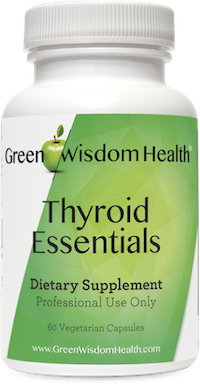
Thyroid Essentials – This formula combines iodine and tyrosine, the two constituents necessary for the synthesis of thyroid secretions.* The minerals selenium, zinc and copper have been added as cofactors needed for normal thyroid function.* In addition, this formulation has the Ayurvedic herbal extracts from guggul and ashwagandha to complement its nutritional support components.*

You can also listen to Possible Symptoms of Autoimmune Disease on our YouTube channel here.

Posted on Leave a comment

Would You Pass The Healthy Thyroid Quiz?

Microphone and computer; early warning signs of a thyroid problem.

The thyroid is an incredibly important gland that is responsible for releasing hormones that are crucial to many important functions like regulation of metabolism, heart rate, breathing, and body temperature. It also affects cholesterol levels, mood, energy, and weight management. In this week’s episode we discuss some conditions that affect the thyroid like hyperthyroidism and hypothyroidism, and ask some questions to see if you would pass the healthy thyroid quiz.

Products Mentioned In Today’s Show

Thyroid Essentials – This formula combines iodine and tyrosine, the two constituents necessary for the synthesis of thyroid secretions.* The minerals selenium, zinc and copper have been added as cofactors needed for normal thyroid function.* In addition, this formulation has the Ayurvedic herbal extracts from guggul and ashwagandha to complement its nutritional support components.*

Bacopa 320 – This high-strength standardized whole plant Bacopa monnieri extract CDRI 08® is clinically demonstrated to support working memory and retention. Bacopa monnieri, commonly known as Brahmi, is an adaptogenic, nootropic plant. CDRI 08 is the most extensively researched bacopaextract shown to support cognitive function, spatial working memory, new information retention, stress management, and mood.

You can also listen to Would You Pass The Healthy Thyroid Quiz on our YouTube channel here.

You can also check out Dr. Lewis’ Thyroid Sniper: Shoot’n Straight with Dr. Stephen Lewis, D.C. book here.