Inflammation has become a bit of a buzzword recently, and rightly so. Did you know that systemic inflammation plays a role in the development of many chronic conditions such as diabetes, cancer, and heart disease? With 2 out of every 3 deaths in North America attributed to these lifestyle diseases, it makes sense to nip inflammation in the bud.
As we get older, we tend to think of chronic inflammation as par for the course. Aches and pains, digestive issues, mood or memory issues, and weight gain are all among the symptoms of system-wide inflammation that tends to be ignored. But is chronic inflammation really an inevitable part of aging? Let’s take a look at what’s happening inside the body as we get older, factors contributing to aging, and what you can do to age gracefully and inflammation-free!
What Is Inflammation?
Inflammation plays a central role in the body’s healing process – it is an essential part of our immune response. Short-term inflammation protects us against invaders like viruses and bacteria by triggering heat and swelling after an injury. But when the immune system is overactive or dysfunctional, it mobilizes a defence against harmless substances, and can even damage its own cells. That is when inflammation becomes chronic. In fact, uncontrolled chronic inflammation plays a role in almost every major disease.
The Inflammatory Mechanism
One example of inflammation at play is the development of atherosclerosis in the arteries. When there is arterial wear and tear caused by high blood pressure or irritation, inflammation triggers a protective band-aid to be built over the injured area, in the form of a cholesterol-rich plaque buildup. However, as this plaque grows it causes a hardening and narrowing of the blood vessels that increases blood pressure. Furthermore, if the plaque ruptures, its contents mingle with blood, forming dangerous blood clots.
Why does Inflammation Become Chronic?
Inflammation can become chronic for a variety of reasons, and sometimes the reason isn’t apparent at all. It may be brought on by a condition such as obesity, an abnormal immune reaction, environmental toxin exposure, or an infection that doesn’t go away. Or it may stem from a disease that is characterized by inflammation such as colitis, pancreatitis, or hepatitis. As time goes on, this inflammation can damage the body’s tissues and even DNA, leading to conditions like heart disease, type 2 diabetes, stroke, and cancer.
Genetics are also believed to play a strong role in our susceptibility to chronic inflammation. Research has identified a number of genetic SNPs (single nucleotide polymorphisms) that cause some individuals to quickly produce large numbers of inflammatory cytokines, making a preventive lifestyle particularly important.
Lifestyle Factors Can Contribute to Inflammation
A lot of research has been carried out in regards to the lifestyle factors that can lead to inflammation. Far from being passive within the body, recent research shows that fat is a major player in systemic inflammation. The more fat we have, the higher the risk of chronic inflammation. And because we tend to put on weight as we age, this further increases inflammation risk. Understanding these relationships allows us to make the changes necessary to live a lifestyle that is preventive in nature, reducing our chances of developing chronic disease.
9 Ways to Prevent and Reduce Inflammation
Chronic inflammation does not need to be a part of aging, there is a lot that can be done to quell the fire so that you can live the healthy, active life you want. The good news is that daily lifestyle habits are the key, and results can happen fast. It’s never too late to take action against inflammation. Here are 9 ways to do just that!
1 – Exercise
Research points to exercise as the single most effective step you can take to reduce systemic inflammation. Our current sedentary pandemic lifestyle is not making us any healthier – in fact, one 2019 study coined the term ‘inflamm-inactivity’ to reflect that lack of exercise and the resulting fat accumulation may be the main drivers behind inflammation.
Here are some tips for getting back into a strong exercise routine with the goal of reducing inflammation:
Mix Up Exercise Intensity
Don’t put all your eggs in one exercise basket. Research shows the strongest anti-inflammatory effects come from including both high intensity (sprinting, jumping rope) and low-intensity (swimming, walking yoga, Tai Chi) exercises.
Some exercises are naturally high or low intensity. But many exercises can go either way – you have control over the intensity. Walking can be a gentle stroll or an invigorating speed walk. Swimming can be leisurely, or an intense lap swim.
Mixing things up will prevent boredom, and keep you motivated to stick with your routine.
Include Resistance Training
Weight training is a vital part of an anti-inflammatory exercise regime, perfectly complementing aerobic exercise. Ironically, the muscle damage that happens when we lift weights actually spurs our immune system to remove inflammatory cellular waste products faster.
Try Endurance Exercise
Research shows that endurance athletes usually live much longer than the general population, and have lower levels of inflammation.
You don’t have to be training for a marathon or the Tour de France to partake. Brisk walking is a great way to hit that happy medium between strolling and sprinting.
Exercise Regularly
Regular, long term exercise strategies are optimal, with the best results being seen at the 12 – 24 week mark. For most kinds of exercise 8 weeks is the minimum to see reductions in inflammation, with the exception is HIIT (high-intensity interval training), where even 6 weeks can effectively lower it.
7 hours per week of moderate-to-vigorous exercise is associated with longer life expectancy. Not currently exercising? Avoid injury by slowly working up to one hour a day. Start with 10 or 15-minute exercise increments and gradually increase as your body gets comfortable with your new routine.
Some Exercise is Better Than None
With many gyms being closed, it may be harder to get regular exercise. The good news? Even one exercise session has a positive impact. A 2018 study showed that just one bout of resistance training increased removal of senescent cells for up to 48 hours afterward.
2 – Drink Enough Water
Inflammation is the body’s natural response attempting to eliminate irritants, so it makes sense that providing the transport needed to escort these irritants out of the body can help. Our bodies are made up of 70% water, and it is absolutely crucial for cell-to-cell communication; the formation of gastric juices and enzymes; helping the muscles of the digestive system to function properly, and off course as the vehicle that provides mobility to the toxins and cellular refuse that needs to leave the body.
The recommendation is to make sure to drink at least 8 glasses of clear, filtered water per day. This shouldn’t include any other beverages, although it is a good idea to add herbal teas, such as rooibos or green tea, on top of that.
3 – Eat an Anti-Inflammatory Diet
Let food be your medicine! The right diet can increase your lifespan and improve markers of inflammation. Dairy and gluten are not usually inflammatory in healthy individuals (unless you have an allergy, intolerance, or celiac disease), but they can irritate inflammation that is already present in the body. Some people may find it beneficial to cut out dairy, gluten, or both for a few weeks while eating a diet rich in anti-inflammatory foods to give the body time to “calm down.” After those two weeks, start to incorporate dairy or gluten-containing foods slowly and watch out for any symptoms of irritation.
Consume Less of These Inflammatory Foods
- Sugar
- Saturated fat
- Alcohol
- Red meat
- Processed meats
- Sugar-sweetened beverages
Consume More of These Anti-Inflammatory Foods
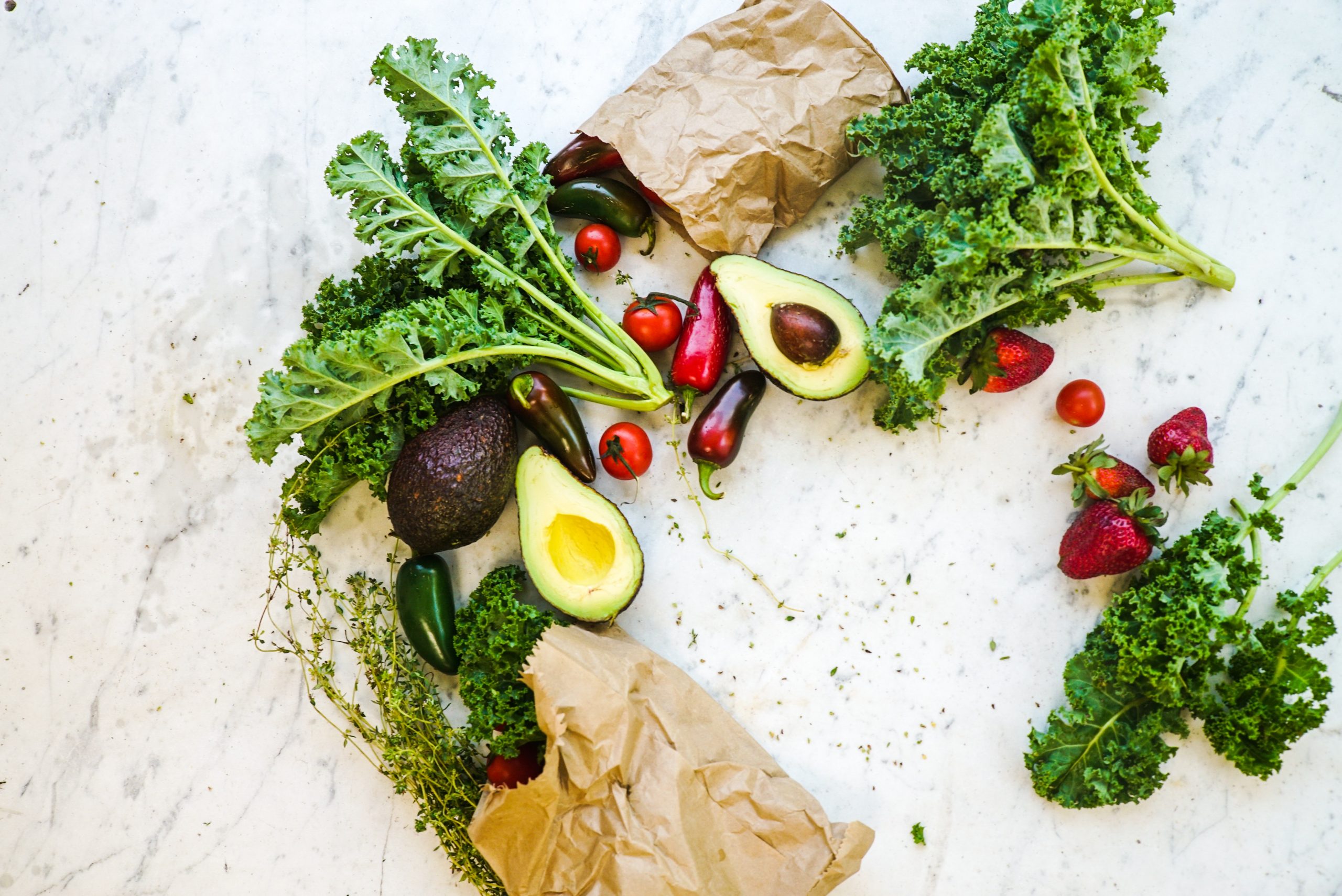
- Leafy green vegetables
- Seaweed
- Fiber
- Beans
- Nuts & seeds
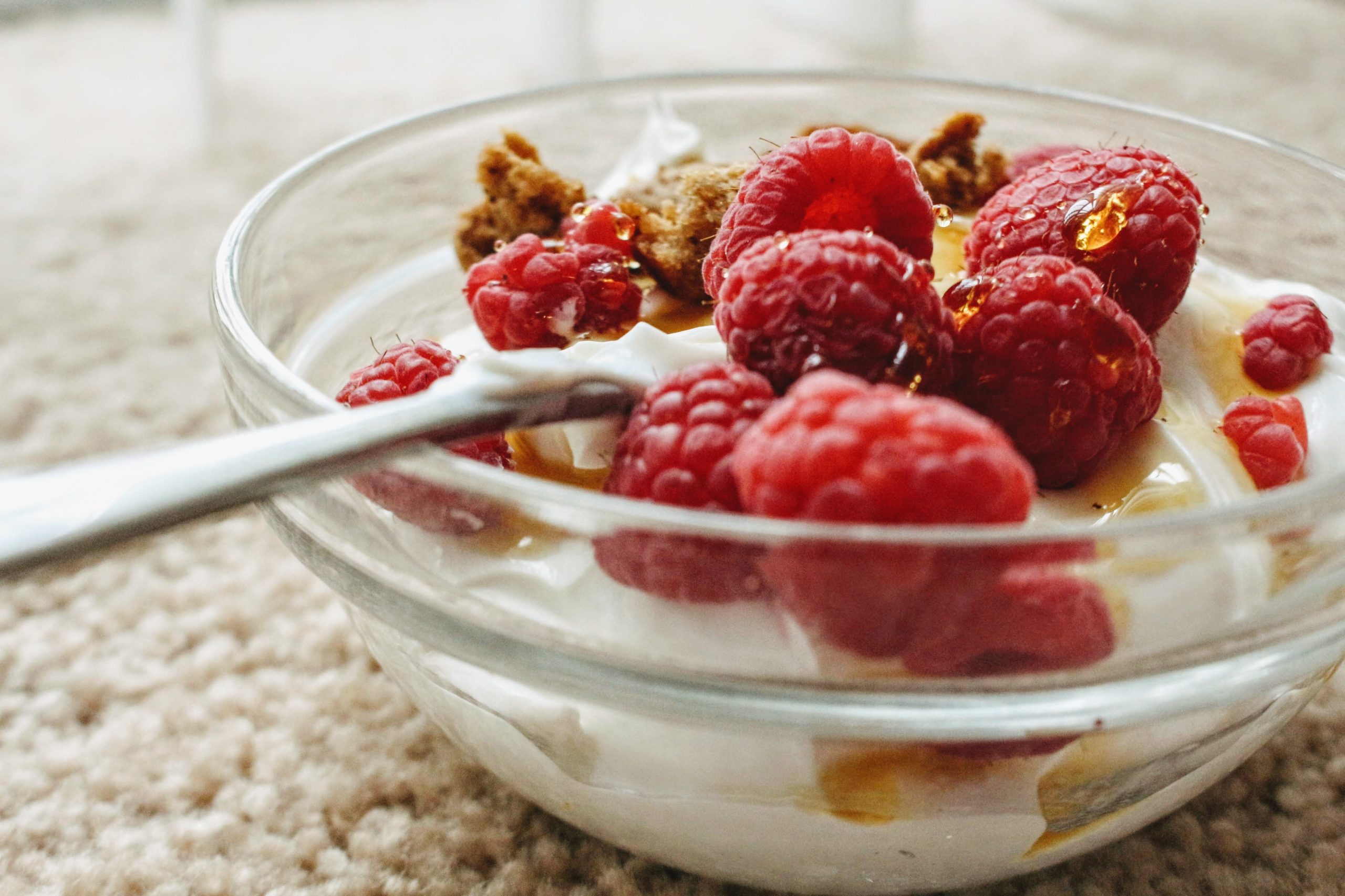
- Berries
- Fish
- Olive oil
- The occasional glass of red wine
4 – Take Turmeric
Turmeric is a spice that has long been used in traditional medicine. Its active component, Curcumin, has been heavily researched of late for its ability to reduce acute and chronic inflammation and is recommended as a food-based supplement to patients with arthritis, metabolic syndrome, and cancer.
Turmeric powder can be taken as a capsule, tea, or whipped into a chai latte. You can also buy the fresh root and blend it into any smoothie, or add it to salad dressings and hummus.
5 – Practice Intermittent Fasting
Did you know that digestion takes up 80% of the body’s energy? That’s why intermittent fasting (eating for only a set number of hours per day) so effectively frees up the body’s energy to focus on tasks like removing senescent cells.
When combined with a healthy diet, this fasting style has also been shown to reduce inflammation, improve mitochondrial health and reduce fat levels. Sart easily by eating an early dinner so that you are naturally fasting for 12 hours a day, and slowly increase the time to 14-16 hours a day. Remember to drink your water during fasting time!
6 – Improve Your Sleep Hygiene
Inadequate rest may make you more sensitive to stress, which in turn causes inflammation. Remember the basics of sleep hygiene:
- Eat an earlier dinner to avoid going to bed on a full stomach
- Do some mild exercise, such as a walk, after dinner
- Switch off all technology 1 hour before bed
- Sleep in a cool, dark room.
7 – Get a Massage
A massage isn’t just a treat. It can play an integral part in staying healthy. Receiving a 45-minute Swedish massage can greatly lower levels of two key inflammation-promoting hormones, according to a study in The Journal of Alternative and Complementary Medicine. “Massage may decrease inflammatory substances by [appropriately] increasing the amount of disease-fighting white blood cells in the body,” says Mark Hyman Rapaport, M.D., co-author of the study. “It may also lower stress hormones. Either way, these results can be seen after just one massage.”
8 – Reduce Stress
If you have an inflammatory condition such as Crohn’s disease, you know very well the effect that stress has – any stressful event can bring on a flare-up. The high cortisol levels that stress triggers increase inflammation throughout the body. Stress also increases blood pressure and heart rate, making your blood vessels work harder and creating damage. If that damage happens over and over, inflammation persists.
The key to stress management is breaking the cycle of stress chemicals in the body. A daily relaxation, meditation or yoga practice is key. Take 10-30 minutes daily to be with yourself and bring your cortisol levels back to neutral – this will allow you to approach each day anew.
9 – Look After Your Gut Microbiome
A good quality probiotic supplement is not only soothing to the gut. Researchers have found that taking probiotics for 8 weeks helped to reduce markers of inflammation in arthritis patients. Try to find a high-quality professional supplement, or if you prefer you can take your daily probiotics in food forms such as kefir, kombucha, or kimchi.
If you are ready to make a positive change in your lifestyle to reduce inflammation and reduce future disease risk, give us a call. We can run lab tests that will show you your current inflammatory status, and help fast-track your journey to a healthier future.
References
Alvarez-Rodríguez L, López-Hoyos M, Muãoz-Cacho P, Martínez-Taboada VM. Aging is associated with circulating cytokine dysregulation. Cell Immunol. 2012;273:124–132. doi: 10.1016/j.cellimm.2012.01.001
Baker DJ, Childs BG, Durik M, Wijers ME, Sieben CJ, Zhong J, Saltness RA, Jeganathan KB, Verzosa GC, Pezeshki A, Khazaie K, Miller JD, van Deursen JM. Naturally occurring p16(Ink4a)-positive cells shorten healthy lifespan. Nature. 2016 Feb 11;530(7589):184-9. doi: 10.1038/nature16932. Epub 2016 Feb 3. PMID: 26840489; PMCID: PMC4845101.
Balan E, Decottignies A, Deldicque L. Physical Activity and Nutrition: Two Promising Strategies for Telomere Maintenance? Nutrients. 2018 Dec 7;10(12):1942. doi: 10.3390/nu10121942. PMID: 30544511; PMCID: PMC6316700.
Baylis D, Bartlett DB, Patel HP, Roberts HC. Understanding how we age: insights into inflammaging. Longev Healthspan. 2013;2:8. doi: 10.1186/2046-2395-2-8
Chung HY, Kim DH, Lee EK, Chung KW, Chung S, Lee B, et al. Redefining chronic inflammation in aging and age-related diseases: proposal of the senoinflammation concept. Aging Dis. 2019;10:367–382. doi: 10.14336/AD.2018.0324
Flynn MG, Markofski MM, Carrillo AE. Elevated inflammatory status and increased risk of chronic disease in chronological aging: inflamm-aging or inflamm-inactivity? Aging Dis. 2019;10:147–156. doi: 10.14336/AD.2018.0326
Garatachea N, Pareja-Galeano H, Sanchis-Gomar F, Santos-Lozano A, Fiuza-Luces C, Morán M, Emanuele E, Joyner MJ, Lucia A. Exercise attenuates the major hallmarks of aging. Rejuvenation Res. 2015 Feb;18(1):57-89. doi: 10.1089/rej.2014.1623. PMID: 25431878; PMCID: PMC4340807.
Lee JY, Jun NR, Yoon D, Shin C, Baik I. Association between dietary patterns in the remote past and telomere length. Eur J Clin Nutr. 2015 Sep;69(9):1048-52. doi: 10.1038/ejcn.2015.58. Epub 2015 Apr 15. PMID: 25872911.
Lettieri-Barbato D, Cannata SM, Casagrande V, Ciriolo MR, Aquilano K. Time-controlled fasting prevents aging-like mitochondrial changes induced by persistent dietary fat overload in skeletal muscle. PLoS One. 2018 May 9;13(5):e0195912. doi: 10.1371/journal.pone.0195912. PMID: 29742122; PMCID: PMC5942780.
Leung CW, Laraia BA, Needham BL, Rehkopf DH, Adler NE, Lin J, Blackburn EH, Epel ES. Soda and cell aging: associations between sugar-sweetened beverage consumption and leukocyte telomere length in healthy adults from the National Health and Nutrition Examination Surveys. Am J Public Health. 2014 Dec;104(12):2425-31. doi: 10.2105/AJPH.2014.302151. Epub 2014 Oct 16. PMID: 25322305; PMCID: PMC4229419.
Milan-Mattos JC, Anibal FF, Perseguini NM, et al. Effects of natural aging and gender on pro-inflammatory markers. Braz J Med Biol Res. 2019;52(9):e8392. doi:10.1590/1414-431X20198392
Pinti M, Cevenini E, Nasi M, De Biasi S, Salvioli S, Monti D, Benatti S, Gibellini L, Cotichini R, Stazi MA, Trenti T, Franceschi C, Cossarizza A. Circulating mitochondrial DNA increases with age and is a familiar trait: Implications for “inflamm-aging”. Eur J Immunol. 2014 May;44(5):1552-62. doi: 10.1002/eji.201343921. Epub 2014 Feb 13. PMID: 24470107.
Pizzorno J. Mitochondria-Fundamental to Life and Health. Integr Med (Encinitas). 2014 Apr;13(2):8-15. PMID: 26770084; PMCID: PMC4684129.
Rymkiewicz PD, Heng YX, Vasudev A, Larbi A. The immune system in the aging human. Immunol Res. 2012; 53:235–250. doi: 10.1007/s12026-012-8289-3.
Schnabel RB, Yin X, Larson MG, Yamamoto JF, Fontes JD, Kathiresan S, et al. Multiple inflammatory biomarkers in relation to cardiovascular events and mortality in the community. Arterioscler Thromb Vasc Biol. 2013; 33:1728–1733. doi: 10.1161/ATVBAHA.112.301174
Sellami M, Bragazzi NL, Slimani M, Hayes L, Jabbour G, De Giorgio A, Dugué B.
The Effect of Exercise on Glucoregulatory Hormones: A Countermeasure to Human Aging: Insights from a Comprehensive Review of the Literature. Int J Environ Res Public Health. 2019 May 15;16(10):1709. doi: 10.3390/ijerph16101709. PMID: 31096708; PMCID: PMC6572009.
Xia S, Zhang X, Zheng S, Khanabdali R, Kalionis B, Wu J, et al. An update on inflamm-aging: mechanisms, prevention, and treatment. J Immunol Res. 2016;2016:8426874. doi: 10.1155/2016/8426874
Yang C, Jiao Y, Wei B, Yang Z, Wu JF, Jensen J, Jean WH, Huang CY, Kuo CH. Aged cells in human skeletal muscle after resistance exercise. Aging (Albany NY). 2018 Jun 27;10(6):1356-1365. doi: 10.18632/aging.101472.
https://www.ncbi.nlm.nih.gov/pmc/articles/PMC5664031/