Posted on Leave a comment

Adrenal Fatigue or Holiday Blues?

We’ve talked about adrenal fatigue before, but it’s worth discussing again. Adrenal fatigue is very common, but most sufferers don’t realize they have it, and considering how much it can affect your quality of life, it’s something you should know about. However, with the holidays comes a lot of stress, and for some people it can be a depressing time of year, making it difficult to know whether it’s adrenal fatigue or just holiday blues.

Adrenal Fatigue

Adrenal fatigue occurs when a person has low cortisol levels due to being overly stressed for a long period of time. This condition is very common, and it’s believed that almost everyone will experience it at some point in their lives, but most people don’t recognize the symptoms. We lead high-stress lives nowadays due to work, school, kids, social media, holidays, family or marital issues, or a variety of other potentially stressful things. Though most of these things are out of our control, we can control our reaction to them and our nutritional intake. Nutrition can make a big difference in our ability to deal with stress both physically and mentally. Having vitamin or mineral deficiencies makes your body and mind more susceptible to stress, and most people are suffering from at least one nutritional deficiency.

Symptoms

Adrenal fatigue usually occurs when a person is under a lot of stress, which eventually causes the adrenal glands to stop producing cortisol the way they should. These symptoms could be due to a different condition, but adrenal fatigue can cause:

  • Brain Fog
  • Fatigue
  • Weight Gain
  • Body Aches
  • Depression
  • Anxiety
  • Mood Swings
  • Hair Loss
  • Trouble Sleeping

Holiday Blues

Anxiety and depression are more common during the winter months for different reasons, there’s even a mood disorder called Seasonal Affective Disorder (SAD) that causes people to feel depressed during the fall and/or winter seasons. Seasons affect our moods for different reasons including less sunlight (which means less vitamin D), stressful holidays, social gatherings, etc. Sometimes it can be hard to distinguish between adrenal fatigue or holiday stress, but taking certain supplements can help you deal with stress regardless of what’s causing it.

How to Fix It

Our Comprehensive, Comprehensive Plus Hormones, and Super Panel blood tests include a cortisol test which can tell us if your cortisol is too low or too high. For low cortisol you can take Adren-All which contains bovine adrenal glands, vitmins A, C, E, B6 and B12, licorice root extract, and a few other ingredients that promote healthy cortisol levels. For high cortisol levels you can take AdreneVive which contains ashwagandha root extract, l-theanine, skullcap root extract, and a few other ingredients that can help lower and re-balance cortisol levels. Supplementing with a high-quality multivitamin like Alpha Base Without Iron, and a mineral supplement like Reacted Multimin can help fill in any vitamin or mineral deficiencies which will help your body deal with stress. Anxiety and depression tend to become more common during the winter months, and CereVive is a great choice to help lessen the symptoms of anxiety, stress and depression.

Work on eating a balanced organic diet, try out some supplements, practice stress-reducing techniques, set aside time for a relaxing bath or something else that relaxes you, and focus on the positive. It’s difficult to heal adrenal fatigue without reducing the stress that caused it. Remember to enjoy the holidays, and not let them stress you out!

Posted on Leave a comment

Metabolic Syndrome

Metabolic Syndrome is the name given to a group of risk factors that greatly increase your chances of experiencing diabetes, stroke, and heart disease. These risk factors include high blood sugar, high triglycerides, low HDL (“good”) cholesterol, excess body fat – especially abdominal fat – and high blood pressure. These are common issues, but having Metabolic Syndrome means you have at least three of these risk factors. Each one of these risk factors alone can increase your heart disease, diabetes and stroke risk, but having more than one is especially dangerous.

Can You Fix It?

Considering how common these problems are, many people are wondering – can you fix it? The simple answer is yes, but it takes work, dedication and consistency. Cleaning up your diet should be your number one priority when trying to fix Metabolic Syndrome. A diet high in sugar and processed food contributes to Metabolic Syndrome, and a diet low in sugar and high in fat and protein is what can help fix it. Getting your blood pressure to a normal level, controlling your blood sugar, and losing excess body fat go a long way in treating Metabolic Syndrome.

What to Eat

When trying to heal Metabolic Syndrome, or if you’re just trying to eat clean, you should focus mainly on a variety of vegetables, nuts and seeds, fruits, and lean meats like fish and chicken. Avoid high-sugar and high-carb foods like bread, cookies and pasta, and avoid processed foods like frozen pizzas, bagged chips and snacks, and processed meats like hot dogs, sausage and sandwich meat.

You should drink plenty of water and avoid soda and juice due to the high sugar content and chemicals – you should also avoid diet soda because artificial sweeteners have been found to contribute to Metabolic Syndrome. Unsweetened tea and coffee are safe to drink, but water should be the main thing you drink.

What to Take

There are a few supplements that can help treat some of the risk factors like high blood pressure, low HDL cholesterol, and high blood sugar. You should notice a difference after beginning a healthier diet and taking these supplements:

  • Diaxinol – Can help maintain a healthy blood sugar level
  • CM Core – Can help control blood sugar levels
  • CitraNOX – Can help normalize blood pressure
  • OrthoMega 820 – Can help raise HDL (“good”) cholesterol

Learning that you have Metabolic Syndrome shouldn’t discourage you, it should encourage you to lead a healthier lifestyle and reduce your heart disease, stroke, and diabetes risk. Remember that you have the power to fix it, and never give up the goal of being healthier!

Be sure to listen to our podcast on Metabolic Syndrome for more information!

Posted on Leave a comment

Keto, Paleo and Weight Loss

The Paleo Diet and the Ketogenic (Keto) Diet have become very popular over the last few years. You’ve probably tried at least one of them yourself, or you know someone who has. People often believe these are the healthiest diets, but this is not always true. As with everything, there are pros and cons to each diet, and success also depends on a person’s individual needs and genetics. For example, Paleo may provide too much protein for the average person, and Keto may be difficult for someone who has had their gallbladder removed.

The Paleo Diet

The Paleo Diet gained a lot of popularity a few years ago with famous wrestlers, actors, and singers endorsing it. Eating Paleo has some benefits, but just like any diet, it’s not for everyone. The Paleo Diet is based on the idea of eating like a caveman, or eating what our ancestors hunted and gathered before farming began. Many of the most common ailments affecting the developed world today are due to the intake of too many carbohydrates (especially sugar), too little fat, and vitamin and mineral deficiencies. On the Paleo Diet you eat a lot of fat and protein, very few carbs, and everything you eat is natural and unprocessed. This can be a great diet for some people, and it is healthier than a diet full of processed food and sugar, but it may be too much protein for the average person.

The Keto Diet

The Keto Diet has become very popular over the last couple years, and there are countless stories of people who followed the Keto Diet and saw their blood sugar, triglycerides, cholesterol, and/or blood pressure normalize, in addition to losing weight. The Keto Diet emphasizes eating more good fats than carbs or protein, and making sure all the food you eat is natural. When done the right way, Keto can greatly improve your health, but it’s not the right diet for everyone.

People who have had their gallbladder removed often struggle with the Keto Diet. The gallbladder plays a major role in digesting fat, and many people are unable to tolerate high amounts of fat after having their gallbladder removed. The liver produces bile and the gallbladder stores it in between meals, then when fat is consumed your gallbladder releases bile to help break the fat down. For someone that no longer has a gallbladder, bile is often not released fast enough or in high enough amounts to properly break the fat down, especially on a high-fat diet like Keto. However, you don’t have to avoid fat for the rest of your life if you don’t have a gallbladder. Taking supplements that contain digestive enzymes and ox bile can help with fat digestion in people who have their gallbladder and in people who don’t. Try taking one to two Digestive Essentials right before eating a meal and see if you notice a difference.

Weight Loss

Strict diets are often difficult for people to follow, but eating healthy can be simple. Try taking it one step at a time like first cutting out processed food – think boxed, bagged and frozen foods – and replacing them with home cooked meals. Each little thing you do adds up to make a big difference, and pretty soon you’ll be eating healthy every day.

However, if you want a little extra help on your weight loss journey, you can give these supplements a try:

Eating healthy isn’t just about losing weight, it’s about getting healthier in every way and feeling better than ever. Focus on organic, whole foods, listen to your body, and follow a diet that fulfills your individual nutritional needs. Your body will thank you!

You can listen to our podcast episodes here. You can also listen on our YouTube channel here.

Posted on Leave a comment

The United States of Stress

Stress is one of the biggest issues facing our society nowadays. We lead such fast-paced, busy lives that it’s difficult to ever let ourselves unwind, and we often allow meaningless things to stress us out and dampen our mood. There are many things that can contribute to stress like vitamin and mineral deficiencies, sleep deprivation, adrenal fatigue, illness, family or marital issues, and countless other things. Although some stressors are out of your control, you can control your reaction to them. Changing the way you view and react to situations can greatly lower your stress level.

Vitamins and Minerals

Magnesium and zinc are very important minerals for dealing with stress, they both play important roles in nervous system function, and many people who struggle with anxiety or high levels of stress are deficient in these key minerals. Getting enough B vitamins is also important for dealing with stress, and for countless other functions in your body. Iron deficiency (anemia) is another common cause of anxiety and stress, and can lead to shakiness, fatigue, weakness, pale skin, and an anxious feeling. These deficiencies can usually be fixed by using a high-quality multivitamin, but if you’re greatly deficient in a certain vitamin or mineral, then you may need to take a supplement designed specifically for that along with a multivitamin. For example, if you’re anemic, you may need to take an iron supplement along with a multivitamin, or a multivitamin designed for low-iron individuals.

Sleep and Adrenals

Getting enough sleep every night is crucial for dealing with stress and for your overall health. You should be getting seven to eight hours of good quality sleep a night. If you get less seven hours of sleep on a regular basis you may start noticing more irritability, fatigue, forgetfulness, depression, bodily aches and pains, etc. Sleep is so important for every part of your body, and getting enough sleep every night should be one of your top priorities. However, adrenal fatigue can make falling and staying asleep difficult. Adrenal fatigue refers to a condition in which your cortisol is too low, usually due to being highly stressed for a long period of time, causing your cortisol to bottom-out. This is a common issue, and many people don’t realize they have it. Fortunately, you can heal adrenal fatigue naturally by supplementing with the proper nutrients and adrenal gland supplements, getting adequate sleep, and utilizing stress-reducing techniques like yoga and meditation.

Recommended Products:

Get at least seven to eight hours of sleep a night, drink plenty of water, make sure you’re getting enough vitamins and minerals, and focus on positive thoughts. Remember that you can choose to be stressed-out and worried, or you can choose to not let small things affect you.

Posted on Leave a comment

Learn True Health Podcast with Ashley James – Thyroid

Learn True Health Podcast with Ashley James

Dr. Lewis recently had the opportunity to be a guest on the Learn True Health Podcast with Ashley James where he spoke about thyroid issues and what you can do about them. Thyroid issues are becoming more and more common, so learning how to prevent and treat them is more important than ever. You can listen to that podcast here.

Ashley James is a health influencer and she has hundreds of podcasts and lots of information on how to be a healthier you, physically and emotionally. These podcasts and articles can be found on her website here.

Thyroid Issues

It seems as though everyone knows someone who has a thyroid issue, it may be themselves, or a friend or relative, but there’s no denying that thyroid problems have become much more common in recent years. There are many contributing factors like stress, environmental and dietary toxins, poor nutrition, hormone imbalances, etc., but the good news is that you can do something about it. Diet is the biggest thing to consider changing if you’re concerned about thyroid health, but iodine, fish oil, and certain vitamins and minerals are crucial to achieving and maintaining thyroid health.

Iodine

Adequate iodine levels are necessary for the thyroid to function properly, and iodine absorption is often inhibited by fluoride, bromine, and chlorine. These chemicals are commonly found in tap water, and they can bind to the iodine receptors, preventing your body from being able to absorb the iodine it needs. It is often necessary to eliminate these chemicals from your diet before supplementing with iodine so your body can properly absorb it.

Fish Oil

Fish oil should be a part of everyone’s diet/supplement plan due to the many benefits. Fish oil may help balance cholesterol levels, lower triglycerides, lower blood pressure, and it may even improve the symptoms associated with certain psychological disorders because it supplies the brain with the fat it needs to function correctly. We likely still haven’t discovered all the benefits of fish oil, but we know it’s incredibly important to your thyroid and overall health.

Vitamins and Minerals

Taking a high-quality multivitamin can be beneficial because it provides a wide-range of nutrients, many of which you likely aren’t getting enough of through diet alone. Vitamin deficiencies are very common today due to stress and environmental toxins that deplete certain vitamins and minerals, and diets that are high in processed food that contains few nutrients. Another big cause of the increasing deficiencies are gut imbalances. When the good and bad bacteria in your gut aren’t balanced, or if you have leaky gut (many people do without realizing it) or digestive disorders, then you probably aren’t able to absorb much of the vitamins and minerals you do eat and/or supplement with. This is why the first steps to healing usually include cutting out fake food (processed, packaged food with long ingredient lists), eating lots of organic fruits and vegetables, and healing your gut through the use of probiotics, celery juice, and supplementation. Fixing these issues can greatly improve your overall health, and may help prevent or lessen thyroid issues.

Be sure to listen to Dr. Lewis speak on Learn True Health Podcast with Ashley James to learn more about thyroid issues and what you can do.

Posted on Leave a comment

Oh No, Not the Flu!

Flu season is finally upon us, and we know no one wants to get the flu, especially after last year’s rough season, but how do we protect ourselves? Fortifying your immune system is one of the best ways to help prevent the flu and other sicknesses, and it can help make it easier for your body to fight off anything it does come into contact with. There are many ways to naturally increase your immune system, and we’ll cover a few of them in this article.

Vitamins

One of the most common things people think of when it comes to preventing and treating cold and flu viruses is vitamin C. Vitamin C is a great choice and it does help increase immunity. However, there are many other vitamins and herbs that can also boost your immune system. Vitamin B6 is a great vitamin to add into your immune-boosting routine, along with vitamin E. Vitamin B6 helps support the immune system, and a B6 deficiency can even cause your body to produce less antibodies which can lead to decreased immunity. Vitamin E is a very powerful antioxidant that helps fight off free radicals and prevent them from causing damage, and it also boosts your immune system, making it easier for your body to protect itself.

Herbs

Some herbs and spices that are good for boosting immune system include astragalus, olive leaf, cinnamon, garlic, and turmeric, among many others. Astragalus can help support the immune system while also increasing your body’s ability to deal with stress. Olive leaf contains antioxidants that protect your body, plus it can help boost heart health. Garlic is another tasty spice/food that is an anti-inflammatory, an immune system booster, and might even shorten colds. Last but certainly not least, turmeric can help fight inflammation, and it can help protect the liver and other organs from toxins.

Probiotics

Around seventy percent of your immune system resides in the gut, so if your gut is not functioning properly, or if you have an imbalance of good and bad bacteria (which is a very common issue) then your immune system likely isn’t functioning at optimal levels. Adding back in the good bacteria helps crowd out the bad bacteria, leading to enhanced digestion, less constipation and bloating, and increased immunity. Eating fermented foods like kimchi can help replace some of that bacteria, but the easiest and most effective solution is taking a probiotic. Supplementing with probiotics can also help ease the symptoms of depression and anxiety because many of our mood hormones are produced in the gut. You’ll be amazed at how much probiotics can improve your overall health.

Recommended Products for Immune Health:

  • Liposomal C – liquid vitamin C supplement with high absorption rate
  • Stress B-Complex – contains several B vitamins, including B6
  • Vitamin E Mixed Tocopherols – contains vitamin E
  • Olive Leaf Extract – contains olive leaf extract, mentioned earlier
  • Garlic 5000 – contains garlic
  • Traumeric – contains turmeric root extract along with other antioxidants
  • Innate Flora 50-14 – probiotic containing 14 different strains of bacteria, and 50 billion total bacteria

Viracid

Our top recommendation for immune system support is Viracid.

Viracid contains vitamin A, vitamin C, vitamin B12, pantothenic acid (vitamin B5), zinc, astragalus, European elder berry extract, echinacea extract, and a few other natural ingredients. Each of these herbs and vitamins can help provide immune support when taken by themselves, but taken together in a supplement like Viracid, the immune-boosting effect can be much greater. Research supports the claims that these herbs and vitamins boost immunity, and we’ve had many customers report that they took Viracid while everyone around them was getting the flu and colds, but they never caught anything.

Eating a variety of organic fruits and vegetables, and eating plenty of good fats and proteins also improves your immune system, along with your digestive system, hormones, mood, and almost every part of your body. What you eat fuels your body, so make sure it’s good, natural food.

Posted on Leave a comment

Help I’m So Exhausted!

Janet Lewis:                  Hello and welcome to this week’s show. I’m Janet Lewis.

Dr. Lewis:                     And I’m Dr. Lewis.

Janet Lewis:                  We are Green Wisdom Health, home of your low-cost lab work here to educate you again about another very exciting or tiring topic. I’m not sure which one. It’s so dreary now outside, it is here in Texas, which doesn’t happen for us very often. But it has started early this year, which I’m sure everyone else now is having the same thing going on. You’re going into fall, and you’re tired, and you don’t know why.

Janet Lewis:                  The name of this show is Help, I’m so exhausted. Like I said, with the weather the way it is just makes it worse. We’ve lost our sunshine and reason to get up and go outside and go walk, or be out in the fresh air.

Janet Lewis:                  With that, Dr. Lewis is going to help us today understand more about our adrenals and the role that they play in our health and making us feel better, as well as many other educational items that might fly out of his head that will make you feel better, as well.

Janet Lewis:                  Dr. Lewis, do you want to tell us about why we feel this way during this time of the year, and why we’re so exhausted to start with, and we probably weren’t feeling that great when we got here. What’s going on that we’re just not chipper, and peppy, and happy?

Dr. Lewis:                     Well, thank you to Larry who called and said, “Tell Janet we should name this Down The Rabbit Hole, and should have a website called downtrabbithole.com,” which is true. I guess I’ll never get to where I can corral my thoughts and go in one direction at any given time. I think that’s not gonna change.

Dr. Lewis:                     The main thing about being healthy is create a mental and spiritual image of what healthy would be, and start talking about, thinking about, and giving thanks for the good things that’s happening. Rather than talking about the problem.

Dr. Lewis:                     Sometimes Janet and I get challenges, people that just won’t get out of their own way. We try to help them, but there comes a time where you have to kind of tell them, “You’re creating this. I got to ditch you and go to somebody that’s more productive and just taking it and running with it, and giving thanks for it.”

Dr. Lewis:                     We’re so grateful for the people that give us the five-star reviews and understand how much work we put into helping people get well. Janet and I have been very, very blessed. There’s so many people that kind of stick with it, of course, they’re the ones that get the biggest results.

Dr. Lewis:                     Then there’s those that feel better, and then they’ll quit for a while, and then they’ll come back. We’re very, very grateful. We just want to say thank you.

Janet Lewis:                  Yes-

Dr. Lewis:                     That makes a big difference to us.

Janet Lewis:                  That’s good, and you talk about five-star reviews. Please give us those on iTunes, because that helps us go up in ratings, and where other people can start finding our shows, as well, and helping them find help. If you got really something bad to say just call us directly, don’t put it on there.

Dr. Lewis:                     Yeah, and I’ll tell ya that’s your perception. We work really hard to help you get well. I wanted to talk about adrenals because that’s come up several times in the last couple of days. You know, you have to understand, to Larry and the rabbit hole statement … God, I love talking to this guy, he’s funny.

Dr. Lewis:                     If you just support the adrenals then you’re gonna be incomplete. Some people will get a little bit of information and not have enough understanding, and they actually do more harm than good. Here comes your first rabbit hole: this is why you can’t just take our information, I hope we give a lot of it, and good information, but you can’t take it and just run with it, because there is such a complicated way the body works. I try to simplify: take the toxins out, put the supplements, the good nutrition in, and have a healthy, happy, positive attitude, and that helps a lot.

Dr. Lewis:                     Just for example: most people have impaired digestion. Why are you talking about impaired digestion? We’re talking about adrenals. I’ll get to that, that’s another rabbit hole. Oh, you have acid reflux, so you take an acid reducer, or Tums, and then you get slow stomach acid, and then you get reduced B12, and then your B12 lowers your energy level, lowers your brain function, you get brain fog.

Dr. Lewis:                     Then impaired digestion can create leaky gut, more nutrient deficiencies, then it creates more acid reflux, and then it gets impaired absorption, distribution, metabolism and excretion. That can lead to anemia, low iron, it can cause all kinds of problems, and that can cause anxiety. Oh, not just the brain fog but anxiety, and that can create more thyroid produced, but it’s stuck in limbo, it can’t convert. Then the adrenals have to take over, because the thyroid can’t really do it by itself. That creates hypothyroidism, which puts pressure on the adrenal glands.

Dr. Lewis:                     Then it creates toxins and triggers because you’re not digesting and eliminating, which creates inflammation, which creates autoimmune destruction of the thyroid and other autoimmune diseases, like lupus and rheumatoid [inaudible 00:05:42] and things like that.

Dr. Lewis:                     From that leaky gut, which creates food intolerance, which creates blood sugar spikes, especially the carbs and the sugars, which alter the gut flora, and especially if you’re doing the artificial stuff like Sucralose and Aspartame, and all that kind of stuff. Then you skip meals, then you get more blood sugar spikes, and then that creates more stress, which puts more pressure on the adrenal glands, that increases cortisol.

Dr. Lewis:                     Oh, if you have long-term increased cortisol, sooner or later it’s gonna get tired, because you don’t have enough nutrients to support that. I kind of use the analogy of, well, you’re going down I-20 in the rain … Since it’s raining I’ll talk about it … I-20, if it’s raining I don’t even get on it, it’s extremely dangerous between Longview and Dallas, or Shreveport and Dallas. But the increased cortisol, oh my god, you’re going 117 miles and hour.

Dr. Lewis:                     Then, oh, you run over somebody, you run off in the ditch, or your engine blows up, and that’s what you’re doing to your adrenals when you stay constantly stressed. That decreases steroids, then you get your immune system overloaded, which goes back into creating food intolerances, and more inflammation. You know, inflammation and gut is always part of the equation.

Dr. Lewis:                     Then, and finally, it goes into adrenal insufficiency, which feeds the thyroid. Yeah. How about that for a rabbit hole? It took me a while to write that, so I hope you all appreciate it. That’s why … Don’t get a little bit of information and do it yourself.

Dr. Lewis:                     You cannot really understand the big picture, and I can’t even fix myself. I hate to say it, because I think I’m brilliant. I’ve read hundreds of books, usually dozens and dozens per year, I read thousands of research articles over the years, and probably several hundred a year. Real research, not the internet stuff, and I can’t even fix myself.

Dr. Lewis:                     You know what that does? It stresses me out, and causes adrenal exhaustion. God, I hope you like that rabbit hole, because, actually I like that term, so that’s why I keep mentioning it. Thanks, Larry, you’re not the first one to say rabbit hole. That started with Dr. Amanda. She knows all about adrenal exhaustion and why she was working on her PhD. I have several people right now working on their PhD, and for God’s sake, we have a lot of work to do to keep you up and going.

Dr. Lewis:                     But you know what, the regular people that are not working on a PhD have all kinds of stress, also. That’s what I want to get to, talk about, and hopefully I haven’t wasted too much time there, Janet. You want to ask any kind of questions here, get me back off the rabbit hole?

Janet Lewis:                  Well.

Dr. Lewis:                     That was exhausting.

Janet Lewis:                  That was exhausting. I’m tired just trying to put it all into the right perspective here. How about some classic signs and symptoms of adrenal fatigue? Because a lot of people don’t even realize if that’s what’s wrong with them.

Dr. Lewis:                     It’s not just tired.

Janet Lewis:                  That’s right, and it’s really kind of interesting some of these things. Like Dr. Lewis mentioned, fatigue and weakness especially in the morning and afternoon. A suppressed immune system, actually.

Dr. Lewis:                     Yeah, how many people have that. It’s getting more common, so folks, pay attention.

Janet Lewis:                  Increased allergies.

Dr. Lewis:                     Yeah, and if you’re sneezing. I talked to a doctor yesterday, and he’s doing a lot of stuff. He’s … He said, “They didn’t even put me on a Z pack, they put me on some high-class, long-term prednisone.” I said, “Well, is it working?” He says, “No.” I said, “You’re dripping snot all over your patients, aren’t you?” And he says, “How did you know?” I said, “I can tell over the phone. We’ll clear that up very quickly.”

Janet Lewis:                  I thought this was interesting, muscle and bone loss, and muscular weakness have got to do with adrenal fatigue sometimes.

Dr. Lewis:                     Yeah, pretty much. Some of these lists of symptoms can be attached to adrenals, thyroid, low testosterone, hormonal imbalance, so it can be anything, but, yes, it’s not just low testosterone, guys. It can be your adrenals are exhausted. It’s not from putting up with your wife, because she’s not the stress person, you’re the one that creates it. It’s never a woman’s fault.

Janet Lewis:                  Exactly. You’re right. See why he’s been married to me so long?

Dr. Lewis:                     Yeah, I just bailed myself out of that rabbit hole.

Janet Lewis:                  Depression is actually a sign of adrenal fatigue, so when people come into the fall like this, and they start getting depressed, it may actually be an adrenal problem.

Dr. Lewis:                     Oh, oh, oh. Can I jump in?

Janet Lewis:                  Oh, please.

Dr. Lewis:                     Because I’ve talked to several people lately. I just got off the phone with a lady, another person that’s working on a PhD, and she said, “I have brain fog.” Well, we talked about the poor digestion, and it creates autoimmune disease, and it creates leaky gut, and it creates food allergies.

Dr. Lewis:                     Anytime somebody says brain fog, and this lady does have adrenal exhaustion, because of trying to help raise a toddler, and get pregnant, and work on a PhD. I always put them on B1. It’s better to do the fat-soluble, benfotiamine, because not only does that help take care of the thiaminase enzyme that the extra candida works on, but it helps your body to make hydrochloric acid.

Dr. Lewis:                     Most people have too little, even those of you that have burping, belching, acid reflux, it’s almost always too little. B1 helps the hydrochloric acid production and helps with carb metabolism. A deficiency in B1, and keep in mind, it’s not usually that simple, but a deficiency can cause a GI disturbance, irritability.

Dr. Lewis:                     Yeah, if your husband’s irritable stir it in their coffee. Labored breathing, muscle atrophy, which Janet had just talked about, and even hand and foot pain, and numbness. And me, being a chiropractor, when people would come in, “Well, I’ve got numbness here, or here, or here,” I didn’t always assume it was a bad nerve. I also was aware that it could also be a nutrient deficiency.

Dr. Lewis:                     Thanks for letting me jump in there, because that’s perfect, Janet.

Janet Lewis:                  Well, good. Okay. Also, cravings for foods high in salt, sugar, or fat. So, see, when people come in here and go, “Well, do you have something to help me stop craving those things?” That’s why it’s so complex for us. We’re like, “Huh, where is that coming from? Is that because they’re full of yeast? Do they have an adrenal problem?” That’s why we don’t guess, because the lab work will tell us exactly what’s wrong.

Janet Lewis:                  I’ll talk more about that in a minute, but I want to address some of these other problems here that go with having adrenal fatigue. I think Dr. Lewis already mentioned autoimmune disorders. Skin problems, actually-

Dr. Lewis:                     Yeah, we have a question about that coming up, too. Thanks for your questions.

Janet Lewis:                  Why don’t you go ahead and address the skin … We’ll address the skin one since this has got to do with this anyway.

Dr. Lewis:                     Okay.

Janet Lewis:                  This is from Tiffany, and she was listening to our podcast on acne, wrinkles and rashes. Thank you, Tiffany.

Dr. Lewis:                     We have one person listening.

Janet Lewis:                  She’s just started taking some of our recommended supplements, and, “Is it normal for your skin to flare up a little at the beginning?”

Dr. Lewis:                     Read what Lauren, her answer to that was.

Janet Lewis:                  Lauren answered this question for us, which I love it when our patients get involved. If you’re wondering where we’re getting this from, this is on Dr. Lewis’ … Shooting straight to Dr. Lewis on Facebook, which you can ask to be a member of, and then you can be involved in some of these discussions, they’re pretty fun.

Janet Lewis:                  Lauren’s answer to this about the skin was, “I’ve had the keratosis on the back of my arms since I was little, and the only time I got it to completely go away was when I cut out gluten entirely. It could be related to a sensitivity, but I think it’s 100% a gut issue.”

Janet Lewis:                  So, we’ve educated Lauren really well. She’s been with us a few years.

Dr. Lewis:                     Lauren’s a young lady, and she’s brilliant, cute and sweet. Love talking to her. Of course, her mamma, [Sonia 00:14:36], is one of our favorites, too. They have the whole family getting healthy here, and investing in better health, and it shows.

Janet Lewis:                  The answer to Tiffany’s question about the skin flaring up at the beginning?

Dr. Lewis:                     I do think its possible gluten. I think Lauren’s right. You’ve heard me say I don’t think gluten’s the main issue. I think it’s gluten with the glyphosate, the Monsanto Roundup stuff. The other thing is, once you start taking a lot of supplements, I think you get challenged, because, “Oh my god, here comes a symptom,” and some people are so skeered, that’s an east Texas term … you’re so scared of something’s changed so you quit.

Dr. Lewis:                     It’s like, that’s when you need to stick with it, because when you get an increase of nutrients you also get increased detoxification. Many times these toxins are beginning to come out, and go into the bloodstream, or being excreted through the bowel, through the liver, the bowel, and into the small intestine.

Dr. Lewis:                     If your body is not really getting rid of it fast enough then it starts to come out through the skin. Just kind of bare with us there. Is it a toxin of gluten, glyphosate, or just increased detoxification your body has not caught up with. We’ve got a lot of products for that.

Janet Lewis:                  Very good. Okay. That fit in very nicely. Also, signs of classic adrenal fatigue or increased PMS or menopausal symptoms.

Dr. Lewis:                     Men, shut up. Don’t even go there.

Janet Lewis:                  At least the men get out of that one. I mean-

Dr. Lewis:                     No, we don’t.

Janet Lewis:                  Us poor women, we’re just bombarded with so much.

Dr. Lewis:                     Oh, bull.

Janet Lewis:                  Then the next one-

Dr. Lewis:                     Us men have to suffer … Okay, men, shut up. I got the shut up look.

Janet Lewis:                  The next one, low sex drive. Again, women, have got to go through that.

Dr. Lewis:                     I hear that a lot, and it’s not just women, it’s men, too. That’s the hormonal imbalance. You kind of have to invest a lot.

Janet Lewis:                  I love how they tell you though that they don’t have that. They’ll walk up to me and go, “Oh, no, I don’t have a problem with that whatsoever. I’m perfectly fine.”

Dr. Lewis:                     Plus, Janet’s really, really gorgeous, and they’re saying, “Oh, no, I’m good, I’m good.”

Janet Lewis:                  Then they’ll walk over to Dr. Lewis and they’re singing a different tune.

Dr. Lewis:                     Yeah. Well, nobody wants to admit it in front of somebody that good looking.

Janet Lewis:                  Oh, women admit it all the time.

Dr. Lewis:                     Well, they tell me, and when I turn red they kind of back off.

Janet Lewis:                  More signs of adrenal fatigue. Isn’t this one interesting: “Lightheadedness when getting up from sitting or lying down.”

Dr. Lewis:                     Yeah, well, there’s a lot of … more technical stuff I won’t get into, but the adrenals have to do with putting out all kinds of different things: mineral, corticoids, and it has to do with blood pressure. If your adrenals are tired, simply put, when you get up quickly from laying down or sitting, and the adrenals are … their task is to raise your blood pressure temporarily.

Dr. Lewis:                     Well, if they’re tired and can’t do that, then the blood pressure will drop in your head temporarily, because they can’t keep up, and it will make you dizzy or lightheaded, or see stars sometimes. You can get that from taking different medications, also. Be careful with that.

Janet Lewis:                  Also, a decreased ability to handle stress. If you think you’re starting out really great in the morning, and 30 minutes after you’re at work it’s gone, and you’re not doing so great, it could be that you have an adrenal problem.

Dr. Lewis:                     It sounds like a good Jeff Foxworthy joke.

Janet Lewis:                  Poor memory.

Dr. Lewis:                     What did you say?

Janet Lewis:                  Basically you’re just checked out. Interestingly enough, people with adrenal fatigue often get a burst of energy around 6:00 at night, and then they’re really-

Dr. Lewis:                     That’s not from the alcohol when you get home? It’s from your adrenals?

Janet Lewis:                  Nope. Followed by sleepiness at 9:00 or 10:00, which is often resisted. Then you get a second wind at 11:00, which is then common that you do not fall asleep until 1:00 AM. Furthermore, those with adrenal fatigue often have abnormal blood sugar levels and mental disturbances, such as increased fears, and anxiety, and they rely on coffee, soda, and other forms of caffeine to keep them going.

Dr. Lewis:                     I love my Contigo, because it hides what’s in it.

Janet Lewis:                  This is so revealing. Unfortunately, because … Like Dr. Lewis said, all of these things can be so many different things, and that’s why we never guess, because we would be no better than you walking into your local health food store, because-

Dr. Lewis:                     Except our supplements are better quality, but-

Janet Lewis:                  Correct, but, I mean-

Dr. Lewis:                     You’d still be guessing.

Janet Lewis:                  There’s still so many people that are coming in here and go, “Well, can you just pick like a couple of things of where to start?” and they give us a list of this kind of stuff.

Dr. Lewis:                     Let me go down the rabbit hole and pick something for you.

Janet Lewis:                  Yeah.

Dr. Lewis:                     We’ll pull it out of the rabbit hole.

Janet Lewis:                  I mean, it’s really-

Dr. Lewis:                     I love that.

Janet Lewis:                  I would hate to guide you in the wrong direction. That’s why we do the lab, because it will tell us exactly. Because I can tell you, “Hey, you got an adrenal problem,” but does that mean your adrenal, your cortisol is high? Or is it low? You don’t know, you don’t know without running lab. That’s why we run cortisol on our lab, because we have specific supplements for either direction.

Dr. Lewis:                     It can be just slightly below or above optimal, and still create a problem. People say, “But, I’m not stressed.” I said, “Well, you just went through a major surgery, or somebody in your family did, or you’ve gone through a divorce.” Or, “Oh, you just got married. Yes, getting married’s stressful, even though it’s a wonderful thing, honey.” Having a baby is stressful even though it’s a big blessing, you’ve got to understand that these changes stress your adrenal glands.

Dr. Lewis:                     When it stays chronically, stressed or fatigued, it promotes weight gain. You know, that’s a big thing. Women say, “Can you help me lose weight?” Yeah, 50% of you that do my program lose weigh like crazy. The other 50% it’s hard, it’s slow, you got to really make some big changes, and you have to be comfortable with those changes. That’s the hard part, because change is generally uncomfortable.

Dr. Lewis:                     Excess stress creates the imbalance, and if you’re not energized that will alter your gut integrity, and that was that list that I went on, and on, and on about. I hope you got something out of there. Run this back and play it slowly. But the gut integrity has a lot to do with the leaky gut. That creates the inflammation that I talked about, and that’s a big major factor in weight gain, obesity, and fat retention.

Dr. Lewis:                     That alone will alter the microbiome, or the good bacteria there, and create just kind of a rampage, vicious cycle, so to speak. For people that have trouble losing weight, when you get stressed your body shuts down digestion for the most part, because it shunts everything it can to the muscles for the fight or flight … You’ve heard of that, I’m sure.

Dr. Lewis:                     One of the biggest stresses that our ancestors a long time ago faced was lack of food. It was feast or famine, and so when there was a feast we started developing over a period of tens of thousands of years, the genetic response was, “Oh, if I can spare the calories, put it into fat, then this person is gonna make it through the famine.”

Dr. Lewis:                     So, the fat-sparing genes were altered over time, and that’s why you can eat very, very little and not lose weight. You have to be able to stick with it, and hit all of these different avenues to help your body adapt, and feel like it’s safe to let go of the fat cells. That’s scary.

Janet Lewis:                  Well, you know, the other thing about adrenals is, like Dr. Lewis said, so many things can cause you to go into a state of being stressed. But the adrenals do try to handle it up to a certain point, and that’s when the cortisol goes high, because it’s trying to handle it.

Janet Lewis:                  After a point in time when it doesn’t get any help, you keep staying under stress, the adrenals say, “Hey, I quit.” So then they drop really low with the cortisol. That takes a longer time to get those back to where they should be, because it took them a long time to get there.

Janet Lewis:                  When you’re listening to the show, and you’re going, “Hey, I think this is me, and I think I want to try this.” You really need to know where your cortisol levels are.

Dr. Lewis:                     You don’t need to try it, you need to jump in and do it. There’s a difference between trying and doing.

Janet Lewis:                  You need to know. We always recommend that you do the comprehensive lab panel that we have, because it has 12 different lab panels, and one of them is cortisol. Many of the things that Dr. Lewis is reading off here can be other things, as well.

Janet Lewis:                  That’s why we run 12 different lab panels, not the common one to three lab panels that we see people bring us that they think are complete. They are not complete, they’re not even close to being complete. We like a thorough picture of where your health is going.

Janet Lewis:                  You’re thinking, “Hey, I don’t live here. We’re in Longview, Texas.” You’re right, you don’t live here, but you don’t have to. We can do this throughout the United States, and it works very simply. You go to greenwisdomhealth.com, you fill out a health survey. It will actually recommend you the right lab panels. So, if you don’t want to talk to us, I can’t imagine why, but you might not want to talk to us, and you might want to just go right on and order the lab. You could actually do it right there. Everything’s set up online where it lets you see what the lab location is that’s close to you.

Janet Lewis:                  You print out the lab order, you take it into your local lab draw station, whatever state that is, and the results come back here to us. When you select the comprehensive lab panel it includes going over the details of that with Dr. Lewis. You also get a supplement recommendation, to where to start so that you’re not alone, that you have a roadmap of how to get there, you get a functional medicine report. We just don’t believe in leaving you in the dark. We would like you to start having a map to get your health back, to get hope back, to get life back.

Dr. Lewis:                     There was a lady I talked to in California the other day, and I said, “Well, how did you find us?” She said, “On somebody else’s podcast,” and she said, “My husband and I listened to yours, and you’re just like a real person.” I said, “I don’t know what unreal is, but I just kind of call it the way I see it.” She says, “Well, I just don’t want to take a bunch of supplements and not know what to do. And that’s why I came to you, because it sounds like you can target that.” I said, “Yes, ma’am, absolutely.”

Dr. Lewis:                     She says, “Well, I don’t really have any problems. I just want to help do it to perhaps prevent problems. It’s, like, “Well, you are a wise and beautiful woman.” Now, her husband, I’m gonna get to talk to him pretty shortly.

Dr. Lewis:                     Some of the things, and this is gonna be brief … One of the things to get rid of some of the bad yeast, fungus, viruses is … We’re having incredible results with, it’s called Candicid Forte. That’ll clean up and kill off, suppress the bad bacteria, yeast and all that.

Dr. Lewis:                     If your adrenals are low, which most people have gone into adrenal exhaustion before they get here, we use a product called Adren-All, and that is absolutely incredible. It has the little bit of vitamin A, C, E, some other things. But it has a glandular in it, which I’m very, very … I got some really incredible results with the glandulars. And it has eleuthero root, rhodiola, schizandra, licorice root extract, and all of those are known both historically, clinically, and through research to work to help support the adrenal glands.

Dr. Lewis:                     There’s other things that are very important. The B complex is very important, the pantothenic acid, which is B5. Adrenal glands basically can’t function adequately without pantothenic acid. Believe it or not, you can’t get enough of that out of your diet. It’s impossible.

Dr. Lewis:                     Then the raw adrenal glandular, which I talked about, which that can be cortex, different parts of the adrenal glands. COQ10, the multivitamins. Some people actually need copper. That doesn’t come up much, but almost everybody needs zinc and selenium, and that’s very, very important.

Janet Lewis:                  We do want to make sure we address the other question that we had from Eddie. We love Eddie.

Dr. Lewis:                     Yeah.

Janet Lewis:                  He’s always got great insight and great questions. His question is about parasites, which no one wants to talk about. We believe that our dogs can only get them, but believe it or not, if you have a dog or a cat, you probably have them, too.

Janet Lewis:                  But he wants to know if there are such things as good parasites in our intestines. I don’t know that we really classified good bug as a parasite, because-

Dr. Lewis:                     No, because parasite would be a taker and not a giver. Many bacteria, yeast, also there are good yeast, there are so many different microorganisms. If it’s parasitic that means it’s taking and not giving back. I think no, a good one, no.

Dr. Lewis:                     Is it possible we have them? I’ve had several different types of doctors, naturopathic, chiropractic, dentist, and MDs, that said they don’t exist. It’s like, well, “Why do you worm your dogs, cats, horses, and cows?” “Well, they don’t exist here.” It’s like, “You’re so full of it. Read your research.”

Dr. Lewis:                     There’s all kinds of research that says we have them. We just think we don’t have them because when you go to Mexico you get Montezuma’s Revenge, and it’s, like, well, maybe when the Mexicans come up here they get it from America, too. We got a bad bug when we were in China.

Dr. Lewis:                     Yeah, that’s why the Candicid Forte is a really good thing.

Janet Lewis:                  Actually, yeast is a parasite.

Dr. Lewis:                     Candida is. That’s why one of our favorite probiotics includes saccharomyces boulardii, which is a probiotic yeast, a good yeast, so there’s good and bad, just like there’s good and bad women.

Dr. Lewis:                     Okay, no, they’re all good. I’m sorry.

Janet Lewis:                  This show always digresses to this.

Dr. Lewis:                     Well, hey, you know, give me a cold beer.

Janet Lewis:                  Speaking of which, we are at the end of our time. I sure hope you guys have learned something about your adrenals this week, and how to take care of them, and how to feel great during the fall.

Dr. Lewis:                     Lap, and play, and have fun, and choose to think happy thoughts, and look over at all the things you should be grateful for. We’re very, very grateful for you.


 

Posted on Leave a comment

B12 and Chinese Medicine

Janet Lewis: Hello, and welcome to this week’s show. I’m Janet Lewis.


Dr. Lewis: And I’m Dr. Lewis.


Janet Lewis: And we are Green Wisdom Health, home of your low cost lab work and knowledge beyond comparison, so educating you today with a very fun show about B12 and the tongue called B12 and Chinese medicine.


Dr. Lewis: I wanted to name it B12 and B-52. They’re both the bomb but I got outvoted.


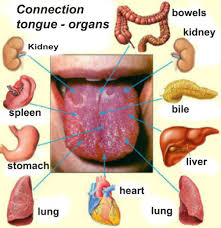
Janet Lewis: Yeah, figured he’d have to talk about B-52s and I’m not sure he knows a whole lot about those, other than he likes war movies, so I thought we better stick with B12 and Chinese medicine, and what’s going on with the tongue, because we’ve noticed that some people have different issues with their tongue, and we didn’t know if you knew it or not, but there are correlations between the tongue markers and different organs of the body, so Dr. Lewis is going to educate us about both today. So Dr. Lewis, I’ll let you take it away and tell us all about it.


Dr. Lewis: Well, where do you want to start, B12 or the tongue?


Janet Lewis: Whichever one comes first, the chicken or the egg.


Dr. Lewis: Okay. Okay. I got something to say about that but I won’t go there. I was doing a podcast as a guest yesterday, and the guy knew that Janet and I’d gone to China, and he wanted to know about our experience there, and he wanted to talk a little bit more extensively about traditional Chinese medicine. Of course, a few days over in China does not make me qualified to be a traditional Chinese doctor, but we did learn a lot while we were over there. We actually attended some lectures and went to the world’s oldest herbal pharmacy, and did all sorts of things, but-


Janet Lewis: And actually took courses in Chinese medicine as well.


Dr. Lewis: Yeah, that’s true. I must’ve forgotten because B12 is so important in memory. We’ll get to that. I don’t know where this idea about the tongue came from, that we should talk about it, but it does tell a lot about your general health, and I don’t care. It’s always gut related, GI related, how your GI absorption is going and what to do from there. One of the things that it’s important to keep your GI tract in perfect health is because it’ll bind toxins. It’ll bind microbes and we have a very large percentage of people that have intestinal dysbiosis or too many bad bugs versus good bugs. So there are things that we can do that will help bind those toxins, and there are immunoglobulins and we’re getting into some more new, better different extensive but not expensive lab work to talk about intestinal permeability. But it’s very important that you maintain the gut barrier protection and balance inflammation. And I like to tell people inflammation is not a bad thing because if you weren’t having inflammation, you wouldn’t even be alive. Your physiology would be fizzled out and then some.


  And that will optimize nutrient absorption. What’s that got to do with the tongue? Hey, good question. I sounded like my brother when I said that, the smart one. The tongue can give you a big, big hint as to what’s going on in the GI tract, so back to traditional Chinese medicine. You look at the color of the tongue, whether it’s pale, pink, or red. You look at the condition, whether it’s withered or swollen, which is actually normal. You have something called geographic tongue, and I have seen people. They’ll say, “we’ll my tongue did this …” I’m tongue tied. “It does this” and it’s oh, my God. I’d look at it and I’d try not to cringe. The moss coating. Now, most people have a light coating. Some people have none, a few, and many, many people have heavy which is more indicative of a slow moving bowel that has a tendency to have that intestinal dysbiosis or generally just too much yeast.


  There’ve been good books written 20, 30, 40 years ago about yeast, and it’s still a problem in society because our GMOs, or genetically modified organisms, which is the plants that we eat actually makes it really hard on the good bacteria, and it makes it more prevalent, or a better environment for the pathological bacteria and yeast to grow. So then you look at the moss color, the coating, but then you look at the color, white, yellow, or other. I’ve seen some that were very, very dark. And then whether it’s dry, moist, or damp. Yeah, this is a lot to look at, and you know, after you see enough tongues-


Janet Lewis: How do you tell if your tongue is dry, moist, or damp?


Dr. Lewis: Well, those are the people that are always sipping water because it’s kind of too dry and generally, not always, folks, but it can be related to something called Sjogrens, and that is an autoimmune disease that we actually see, and I don’t diagnose since I’m a chiropractor, but when you see these things or people come in and say, “Well, the doctor says I have Sjogren’s Syndrome.” I said, “Yep, okay.” Dry eyes, dry tongue, dry mucus membranes, and one of the best things for that is not just fish oil but fish oil with borage oil, and that helps moisturize things.


Janet Lewis: Oh, so when like that commercial that says, “Dry eyes,” that means those people have dry tongues probably.


Dr. Lewis: That’s a possibility, yeah.


Janet Lewis: Cool.


Dr. Lewis: So on the tongue color, a normal tongue is kind of a healthy pink, darker pink. If it’s more anemic it’s light pink or even white. The whiteness would indicate, as I said earlier cold, depressed condition, which would be a generally slow moving GI tract. That way if you see that, you will go on blood building and herbs that would tonify would be indicated, and if you’re anemic, think about that, but I do not recommend that you take iron unless you have lab work. If it’s bright red, like very, very bright red or scarlet, that would be indicative of the GI tract having a hot or irritated condition. You see that a lot in alcoholics along with the red nose, but it can be many things other than alcoholism too. And then you can talk about the cleansing or heat reducing herbs. In Chinese medicine, it kind of boils down to it’s a hot condition, a cold condition, a dry condition, or a wet condition, so you kind of think in those terms. Then you can begin to kind of make a decision about which way to go. The normal tongue is plump, not really swollen but relatively thick. It’s not really shriveled.


Janet Lewis: You know, and I think we became interested in the tongue … as many of you know, we have health issues ourself is why we do Green Wisdom Health to start with because we’re always looking for natural ways to make our health better, so naturally because we’ve figured out how to do that, we can now help you. And a lot of people go, “Well, you’re healthy. That’s why you own a health food store.” I think you get into things because you need help and that’s a passion of ours to help other people because of the issues that we’ve had. But I’ve always had really poor digestive issues, and before we started getting healthy, my tongue was white, like you said, and on the sides, they were raw. The sides of the tongue were raw because that was where the gut was.


Dr. Lewis: Well, and on the side of the tongue also indicates what’s happening in the liver area too, the liver meridian also.


Janet Lewis: Well, I could never figure out why my tongue hurt all the time and when we started learning about Chinese medicine, we realized, hey. That’s a marker for your health to know whether or not it’s good or bad, and like the tip of your tongue … I know Dr. Lewis is talking about B12 but that’s heart related.


Dr. Lewis: Heart and mind and they’re very, very connected.


Janet Lewis: Yeah. Yeah, so when you’re overworked or you’re really stressed out, the tip of your tongue will start hurting if you don’t have proper supplementation.


Dr. Lewis: You know how the tip of the tongue, and the heart, and the mind are related? If you fall in love with your heart, your mind goes out the door.


Janet Lewis: Well, good. I always thought it was a B12 connection, but what do I know?


Dr. Lewis: It can be. It usually is. Most of us are actually deficient in B12 because even if you eat the right things, which is almost completely … B12 comes out of meat. Even if you eat that, the question is are you digesting it and did that piece of meat come from CAFO, confined animal feeding operation? Were they eating genetically modified grains? And that’s why it ell people it’s much, much better to get a pasture raised beef from your neighbor and you know they’re feeding it better stuff, mostly grass fed.


Janet Lewis: Well, and I know with myself, when my tongue was coated white, it meant it was a cold environment. It was sluggish. It was not circulating like it should.


Dr. Lewis: That song was written too, Too Cold at Home.


Janet Lewis: Oh.


Dr. Lewis: I’m sorry.


Janet Lewis: I thought you were going to tell me you had a forked tongue or something. I didn’t know where this was going. We never know where it’s going. But anyway, the tongue is very interesting and has a lot to do with heart and mind stuff also, which I know Dr. Lewis is talking there about B12. He was about to anyway.


Dr. Lewis: Oh, I will. I’ll get around to it. A little bit of light moss coating is actually normal, but if it’s heavy, it’s congestion, as Janet said, and usually these people have a tendency to be constipated, and you know from listening to us that you better check your thyroid on that one too and your digestive enzymes. If you don’t have any kind of moss coating or a dry tongue, and have that dry condition, you couldn’t be a good singer because you notice the cameras get up and get close, and I don’t know what all those singers do to make their tongue look perfect. It may have something to do with their $20,000 worth of dental work to make their teeth look perfect too. I don’t know. But kind of look at that and I guess an extreme example would be when your baby gets thrush, and it’s a yeast overgrowth, and it can go way beyond the tongue and get all around the mouth also. And any time you take antibiotics, and sometimes antibiotics will actually save your life, but you always want to immediately start massive amount of probiotics.


  Now, I’m kind of a big fan. We have about … I don’t know … 14, 15 different types but there’s one out there that they tout it as being 20 billion, but they never encapsulate it unless it goes 40 or better, and they say it averages about 60 to 62 billion, and it has a probiotic yeast, and it calls Saccharomyces boulardii, and we do have a lot of other ones too. And as your GI tract gets healthier, then your tongue will change colors. It will change textures. That heavy moss coating will generally go and become much lighter. Your tongue will get a darker pink. I’m like Forrest Gump. That’s about all I want to say about that or that’s all I got to say about that, but I can talk about pulse too, because the reason I want to do that is because while we were in China, we had a consultation with a traditional Chinese medical doctor and of course they couldn’t speak English, and they would talk to us through an interpreter, and they’d check the pulse. They’d look at the tongue. They’d look at the nose and maybe a little bit in the eyes, and this cute little interpreter after the Chinese medical doctors said something about cancer, and of course, there’s always a language barrier.


  And I said, “Does he say I have cancer?” I have the tendency toward cancer. And she spoke in Chinese and he never answered back. He just went … and then he said that I drank too much, and it’s like I really don’t drink much. I talk about it more than I do it. And I said, “Why would he say that?” I said, “Is it because my nose is a little bit red,” which is one of those irritated, hot conditions and the tendency towards high blood pressure. And once you get a really good magnesium and get it in and be steady, most blood pressures will go down, and if you clean up the GI condition, especially the cold sluggish conditions, then that will take care of itself too. But the pulse is really, really interesting and they taught much different than I was taught in chiropractic college. You pay attention to the rate, whether it’s fast, normal, or slow, but there’s other things that you need to pay attention to.


  It’s whether the strength is hard or strong, normal, or weak, and well, I don’t think I was ever taught that too much. Whether it’s superficial or whether it’s very deep, whether it’s hard, whether it’s thin, whether it rolls by like marbles passing by, and that can tell you a great deal about the cardiovascular system. I think I’m in better shape than I was when we were in China, but it was a good time and we did learn a lot. They talk about the catabolic and anabolic conditions, whether it’s building or whether it’s tearing down, and you can determine that and decide whether you want to build a person or cleanse a person. A lot of the people that contact us are trying to do both at the same time. “Well, I’m going to go on a eight day fast, and how hard should I work out at the gym?” I said, “You shouldn’t work out at all. You’re trying to cleanse and then you’re trying to build. They don’t compute. Don’t try to do them both at the same time.”


  Back to the wet or dry system, the cold or hot system. In Chinese medicine, they talk about air, fire, earth, and water, and if it’s too far into the air system, they think you need a major change. If you have fire, or the hot or red condition, think a red hot tongue indicating red hot GI tract, but if you have that fire, then you need to cleanse. If it’s earth, that means you need to activate the energy that’s there, but it’s dormant, and if it’s water and that goes with wet and cold, then you know you need to build. And if you;; start paying attention to the pulse, and the eyes, and the nose, and the tongue, then you’ll know when it’s time to build versus time to cleanse, and it does make a hug difference when you do it, how long you do it, and don’t do both of them at the same time. Off to B12, is it time?


Janet Lewis: I believe so.


Dr. Lewis: Okay.


Janet Lewis: B12 is not getting its place in the limelight here.


Dr. Lewis: Janet and I went to a college ballgame one time where our son was doing the honor guard in the Air Force, and he said a B-52 is going to fly over. Well, they’re stationed, for the most part in Barksdale Air Force base, which is about 70 miles from here, and so we’re at this college ball game mostly just to see our son do the honor guard even though we needed binoculars to see him, and here comes the plane. It wasn’t a B-52. It was a B-25, so you have to be careful with your Bs. I’m going to talk about B12 and some other stuff. B-25 was kind of a big disappointment because it’s a little bitty plane used in World War II and B-52 is kind of a big behemoth of a jet plane, incredible, incredible. They’re older than Janet but they’re still as pretty as Janet. They’ve been upgraded. Janet has not had any upgrades and she still looks good, so B12. Let’s see. What do you want to hear about?


Janet Lewis: I want to know why it’s important and why that people that take iron don’t absorb iron.


Dr. Lewis: Well, sometimes it is a B12 anemia. It can be a B6 anemia. It can be a iron deficiency anemia and it’s very, very important that you get these things balanced. Don’t say, “Oh, my doctor says I’m anemic. I’m going to go chew on nails,” because it probably won’t do it. One thing I’d like to caution you about is there are so many supplement companies out there that says, “We have B12.” Well, if you will look you can kind of judge sort of the integrity of the company if they say they have B12 but it’s cyanocobalamin, and people can take large doses of cyanocobalamin and continue to be deficient in B12, so yes. Technically they pt B12 in there but they’re, I think, lying to you because you’re not going to absorb it, and then I would question the company’s integrity completely because it’s inexpensive and that’s why they do it. The best form of B12 is methylcobalamin, and there’s other forms, and that has to be put with other B vitamins. I don’t really like a straight B12. Our B12s for the most part have things with them like B6, paroxetine, hydrochloric acid, or hydrochloride, but-


Janet Lewis: Well, would you explain a little bit about MTHF that goes with it in our product, why you need that, or why just straight B12 doesn’t do what it’s supposed to.


Dr. Lewis: I’ve heard conflicting reports on how many of us have that MTHFR problem, and that stands for methylenetetrahydrofolate. It used to be easier to say that and to remember the letters to it I’ve heard 50%, 80%, 20% of us have that genetic SNP, and the SNP is SNP. Stands for single nucleotide polymorphism, and you can have that, but you can have it to different degrees on the 677 gene or the 1298 gene. I have one SNP on the 677, which is not the worst one, but when I started taking this 5-MTHF, which is the form of folate that will be absorbed if you have these genetic SNPS. When I started taking it … I’m not always the wisest person in the world. I figured out I needed it so I thought, well, if a little bit’s good, more is better, and I started with, oh, my God, huge, huge, huge dose and I’ve told the story to a lot of you. I felt horrible for about five days, but I don’t lose my faith if I feel bad. I don’t worry about it because I know it’ll pass, and on the sixth day it was like Jesus parted the clouds, and the angels started singing because it was beginning to methylate, or clean out.


  Well, once I started really, my detoxification path was caught up, oh, my God. I feel so good taking this stuff, and Janet can tell you the very day I don’t take it, she can absolutely tell you. She’ll say, “Did you take your methyl CpG?” And I’ll say, “Well, you know I didn’t or you wouldn’t ask the question. How can you tell.” She says, “You’re not happy.” I said, “I’m always happy.”


Janet Lewis: That’s right, and that’s methyl CpG. That’s one of the things we recommend when we do lab and Dr. Lewis is talking about B12. If you don’t really know if your B12 is low, we actually recommend that you do our cardiac panel because if you think you have a B12 issue, you probably also are maybe concerned that you have a cardiovascular issue as well from inherited weaknesses or being really tired, but in our cardiac panel, it’s called GWH8 for those of you that are wanting the special pricing on it. It includes 10 lab tests. One of them is homocysteine, so it kind of takes B12 to the next degree, wouldn’t you say, Dr. Lewis?


Dr. Lewis: Yeah, well, the methylcobalamin, the good B12, what it does, it converts homocysteine, which is a bad thing and it makes you way more at risk for cardiovascular problems like heart attack and stroke, but it converts the homocysteine into something called methionine, which is used to build proteins, so that’s a good thing. And the one thing I want to caution you about, if you’re taking even high doses, or even moderate doses of the bad, or less absorbable cyanocobalamin, you can still test high on the B12 test. People say, “Well, it’s 2000. My doctor told me to get off of it.” It’s like, well, just because it’s there doesn’t mean you’re absorbing it, so don’t be fooled by that. It needs to be done cautiously, and judiciously, and wisely.


Janet Lewis: And that’s why we run the other panels with it because it’s more indicative of a heart issue based on homocysteine. There’s a C-reactive protein in it that shows cardiac specific inflammation. There’s a fibrinogen that shows the break down of whether you’re-


Dr. Lewis: Well, the higher the fibrinogen, the more likely you are to form a clot, which could go, cause you to have a stroke, or heart attack, or a pulmonary embolism.


Janet Lewis: There’s a spun magnesium in it so it’s not just magnesium at your bloodstream, but it’s actually how much you’re getting in on a cell level, so we kind of look at all of it, and not just the one test, and-


Dr. Lewis: Yeah, well … Go ahead.


Janet Lewis: I do want to make sure that we address these questions that we have here because we’re running out of time. I don’t know why.


Dr. Lewis: Well, because I went down another rabbit trail, so let me say this real quick. B12 has been known to reverse symptoms of different neurological diseases like Bell’s Palsy, carpel tunnel … it just goes on, and on, and on. It begins to protect fatty sheaths and help protect your nervous system, assist in memory and learning, and happiness, and can help with depression, fatigue, constipation, digestive disorders, dizziness-


Janet Lewis: And in metabolizing fats and carbs, which is important.


Dr. Lewis: Well, let’s have some B12 and go get some ice cream, honey. Yeah, go ahead.


Janet Lewis: All right. We have a couple of questions here for you. There is a guy named Tony A. That asked about tinnitus, which I guess, we need to know what is tinnitus, and how do you fix it? I guess for people that have it, they know what it is, but for those of you that don’t, maybe you have it and you don’t know that’s what it’s called.


Dr. Lewis: You know, I get that question a lot so I really appreciated the email. It’s a condition that, it effects a lot of people. I think it’s up into the 20, 30 million people range with hearing loss, and I’ve told a story about me shooting a gun without … I’d gotten rid of my tinnitus with something called vinpocetine. Now, does that always work? No, it does not.


Janet Lewis: What is tinnitus? Is it like ringing in the ears? That kind of thing? Yeah, a high-


Dr. Lewis: Yeah, I have it all the time.


Janet Lewis: High pitched frequencies.


Dr. Lewis: And it’s real common with people that are around a lot of noise, like many, many, many years ago, I worked at Lone Star Steel, people that work around railroads, and factories, and things like that. It used to be thought that that’s coming out of the inner and middle ear, and then there’s other train of thought that says they think it originates in the brain, and you know you’ve heard me talk about, you have to fix your guts to have a healthy brain. I’ve seen it be fixed by fixing the guy’s testosterone. I’ve seen it because it was high cholesterol. You know I don’t really worry about cholesterol much, but it can be too high if you have those other factors that Janet mentioned, C-reactive protein, high homocysteine and fibrinogen, but I’ve seen cholesterol do it. Vinpocetine can work. Coenzyme Q10, if it’s a good one. There’s a lot of really, really not good fake ones out there, can work. Magnesium, magnesium, magnesium. I don’t care who you are. You need to be taking magnesium. Really sometimes the B vitamin complex, vitamin E if it’s a good one. The D-alpha tocopherol, but I like the mixed tocopherols. The one I take has really high levels of gamma and delta tocopherols.


  Vitamin A can do it. Potassium can do it, but manganese. Manganese is a very common deficiency that’s been linked to that, but it’s also linked to another question that Janet’s going to ask.


Janet Lewis: Okay. I hope I ask the right one.


Dr. Lewis: I love doing this.


Janet Lewis: We only have time for one more probably here, so. Betsy B. Wants to know about rotator cuff torn after surgery. She had a rotator cuff torn after she had surgery.


Dr. Lewis: Well, they fixed it and then it’s beginning to tear worse. You-


Janet Lewis: And what supplements help it heal?


Dr. Lewis: Well, the supplement is manganese, and I think the hyaluronic acid, I love, love, love the thing we have called collagen. It’s both type one and type two, don’t have time to explain all that, but that’s very important that you go to a really incredible massage therapist, chiropractor, or physical therapist that understand the muscle balance of the shoulder, and that’s a pretty complicated study, folks. But manganese and mostly the hyaluronic acid and the collagen.


Janet Lewis: Oh, well he answered that really fast so we got time for one more. What is the best product for bowel stimulation. This is coming from Bronda M.


Dr. Lewis: Well, you know, you always want to work on it with the probiotics and digestive enzymes, but the one that we … I guess our favorites is called super aloe 450 and if that’s too strong, we have a aloe 250. That seems to be the best and most easily tolerated, and I talked to a GI doctor one time, and I have the greatest respect for a medical profession. Boy, they’ll bail you out when you get yourself in trouble, but the GI doctor said, “Well, you shouldn’t give them a laxative every day.” I said, “I understand but we’re working on fixing the GI tract problem,” which probiotics and the right digestive enzymes can help tremendously. But I said, “Would you rather have them constipated where they’re growing polyps that turn into cancer?” He says, “Okay, point taken.” So folks, if you’re not having two or three trains moving through the tunnel every day like you’re eating two or three meals, you do have a problem. If you’re just pooping once a day, you’re constipated.


Janet Lewis: And the super aloe, the 450 or the 250, that’s just aloe. It’s not anything that’s going to be … because a lot of people worry that it’s something that their colon won’t move at all if they are not taking it, and it’s not that way. It doesn’t cause it to lose the elasticity.


Dr. Lewis: It doesn’t cause the discoloration in the colon, which is not pathogenic, but some people worry about it.


Janet Lewis: Well, and it’s not addictive, like almost all of them over the counter have a form of antifreeze in there to make them go to the bathroom.


Dr. Lewis: Oh, yeah.


Janet Lewis: We’re not giving you that. We’re giving you something healthy that just helps bowel motility, so okay. That’s super aloe 450, and the other part of that is they need to make sure that they’re doing some sort of a fiber to help pass things through so-


Dr. Lewis: What do you put in my drink for fiber?


Janet Lewis: All kind of stuff actually.


Dr. Lewis: Arsenic and cyanide, I think.


Janet Lewis: I do deeper greens.


Dr. Lewis: Oh, yeah,


Janet Lewis: The deeper greens taste delicious. I think it’s-


Dr. Lewis: The best we’ve ever had as far as taste. Incredible.


Janet Lewis: Yes, and it’s fruits and vegetables, so if you can’t eat fruits and vegetables or don’t have time, that’s a really great product to try.


Dr. Lewis: And it’s organic. It tastes almost chocolatey. I love it and so do the grandkids.


Janet Lewis: Yeah. Anything else you want to say about B12 or we can take this very last question. We’ve got about a minute and a half.


Dr. Lewis: B12, just call us, and okay. Go ahead with the question.


Janet Lewis: Lord, I can’t even keep him on track with that. Okay-


Dr. Lewis: Never could.


Janet Lewis: We have a question about what causes acne around the mouth and chin.


Dr. Lewis: It’s usually a hormonal imbalance, which we’re finding more and more people, or women are way, way high in estrogen because the environmental estrogen, way, way low in progesterone.


Janet Lewis: Okay, so if it’s not on the top of your face then it’s generally not liver. Usually when it’s all over your face, it’s a gut liver issue, and when it’s on from the nose down through the neck area, then it’s a hormone imbalance issue.


Dr. Lewis: You would suspect that, yes.


Janet Lewis: Okay. So make sure you have your hormones tested and make sure that they’re all in balance, and especially the women out there that tell us they have that going on have generally been on birth control pills at some point.


Dr. Lewis: And that’s not a bad thing. We’re not knocking it, but you do have to clean up your body after a while.


Janet Lewis: Even if you’ve not been on them in a long time, but once again, we are out of time, and hope you have learned something again on our show. If you have questions or would like to be a part of Dr. Lewis’ closed Facebook group, just shoot him a message at Shoot’n Straight with Dr. Lewis and we can include you in our daily conversations that we have on there with our patients and friends.


Dr. Lewis: I’ve been shot and lived through it. I must be immune to it, so don’t shoot me.


Janet Lewis: And we’ll catch you here next time on the Green Wisdom Health Show.


Posted on Leave a comment

Allergies or Intolerance?


Janet Lewis: Hello and welcome to this week’s show. I’m Janet Lewis


Dr. Lewis: And I’m Dr. Lewis.


Janet Lewis: And we are here to help you with allergies today. So if you’re suffering from them, or know someone who is, or can’t hear us because you can’t get the clog out of your head, this show is for you. We are going to educate you a little bit about where they come from, what to do about them, and what might stop them from happening to start with.


  So we are Green Wisdom Health, home of the Low Cost Lab work, and Dr. Lewis is going to tell you all about allergies today. Take it away.


Dr. Lewis: Yep, as soon as I get through sneezing, I will be right with you. There’s a lot to be said about this. Usually an allergy is an inappropriate or maybe an exaggerated response to your body’s immune system, or by the body’s immune system to different substances.


  And there are some references, that say that allergies once you have them as an adult, will never go away, while children will generally outgrow them. And I kind of disagree with that, I’ve seen major allergic responses get much better if not go away completely over the years, and it’s about fixing the GI Tract, the Microbiome, and your body’s Detoxification Pathways.


  And I was just talking to a sweet lady, in West Virginia, I would just like to say this, the BRAC-1, the BRAC-2, which is the breast cancer genes, they’re tumor suppressors, and when you have a mutation in those, then you have a much higher likelihood of getting breast cancer. But most of that’s actually more influenced by the environment and your diet. Which means toxins, and that kind of, believe it or not, does have a lot to do with our allergies too.


  How your body responds to it. Sometimes you have food allergies, and sometimes it’s just you’re allergic versus you’re sensitive to different foods. And that has to do with mobilizing your body’s white blood cells to fight them. Sometimes the white blood cells overreact and actually can create more damage to the body, than the invader itself.


  But then the allergic response becomes a disease, before I get into that I’ll tell you this, I used to go and bush hog on the tractor at the deer lease through ragweed, and goatweed, and golden rod, and I would feel like somebody nailed me to the cross, right there in my bronchi. And you all can tell that’s a weak area, because I will have to clear my throat if I’ve eaten anything in kind of cause a problem, which for me mostly is dairy.


  But the nail that I fixed my gut and microbiome, or greatly improved it, I can bush hog through all sorts of goatweed, and clog up the tractor’s filter system, golden rod, and ragweed, and I’m really pretty good the next day, it’s at least a 90% reduction in my body’s allergic response, and again that gets tied back to the GI Tract. Some of the allergic responses are nasal congestion, and we’ve got a really, really good product for that. Kind of a new product, you can have coughing, wheezing, itching, shortness of breath, headaches, fatigue, hives, and other skin rashes.


  Or you can just have a mucous come through, and there’s this man up in Michigan, he’s done everything I’ve told him to do, for I’m guessing about three -four years, and he says I love what you do Doc, but you fixed everything except the original thing that I came to you, and that was a constant mucous production.


  And he’s gone to see the Ear, Nose, and Throat Doctors, which I think he should. That’s a good thing, he’s done that, most of the time that’s a fungal infection, but it’s also in response to an allergic reaction to something. Usually in the diet, or possibly an airborne allergy.


  And so I sent him a bottle of one thing, and didn’t work. I didn’t hear from him. Then I sent him a sample pack of another thing, and he wrote the most inspiring email about he couldn’t believe how much I would do for him, and we finally got to the, I guess to the root cause. Maybe not the root cause, but to deal with it. And that’s the D-hist is a natural histamine product. Or it deals with the histamine reaction.


Janet Lewis: Well that’s got Quercetin in it. Which is the big one that they say is for allergies?


Dr. Lewis: Right.


Janet Lewis: And I think the thing that makes this work so well, it’s something you actually have to load up on, you have a loading dose, where you do two capsules three times per day for 7-10 days, and then as it’s in your system, you don’t have to take so much of it because, I guess you start building up an immunity toward the allergens using it.


Dr. Lewis: Yeah, you know, and some people do a loading dose of five right of the bat, and then for congestion, you know you’ve got the Sinatrol, which we’ve had some incredible results with my favorite gun dealer, because he always has nasal congestion, because of prior broken nose, I’m sure that was … he wasn’t in a bad place I’m sure, but he got a broken nose, so he has massive congestion. And he gets incredible, incredible results from the Sinatrol.


  So depending on what’s going on, whether the D-hist would work, or the Sinatrol, and there’s other things that will work, folks I want to tell you that if you’re not an established patient with lab and all that, we have a lot of different products that cannot see on the website.


  So it might behoove you from time to time to give us a call, so we can hook you up with better products, we’ve got this … some incredible things. We’ve got some massive, massive probiotics, and you know you’ve got to fix the gut, and here’s something that’s missing. You hear a lot about prebiotics, one of the best things I’ve ever seen is called Opti-Fiber Lean, and it’s natural and soluble propolomanin, and fiber. That is a really good prebiotic, to let the probiotics begin to work.


  But if you’re not an established patient, you’re not going to see that on the website, so if you’re interested in that, and a holy cow, incredibly big probiotic, you gotta call us.


Janet Lewis: Well they can also just send me an email to janet@greenwisdomhealth.com, and just tell me that you heard the show, so that we know you’re listening out there, and make an account on our website, at greenwisdomhealth.com, and I can upgrade you where you can actually see those products Dr. Lewis is talking about. Because we do want to make sure that some of these things, are really potent, and we don’t want them being sold to people that don’t know how to use them.


Dr. Lewis: That’s true.


Janet Lewis: But the natural D-hist, if you put it in the search bar, just put in D-hist, and that’s the one for the runny nose. And the Sinatrol is the one for congestion in the chest, so we have different people with different things.


Dr. Lewis: Oh yeah, absolutely. And there’s different, you know I’ve always said you can read research, that says so many conflicting things, but some of the more common allergens are pollen, dust, certain metals, cosmetics, yeah well we’re getting into that one too. Dust mites, animal hair, animal dander, insect venom, the last time I got stung by a bee, it’s like holy cow. I thought I was going to die. And sometimes drugs, and food additives are a big one, and that’s where people trouble figuring that out, I promise you there’s something very, very exciting coming in the near future about figuring that out.


  Many of the chemicals that are found in different soaps, cleaning supplies, you want to avoid a lot of that, and I’ve seen a lot of people have allergies to mold, but it can be airborne, or it can be food. Some of the things, I wanted to go over some of the common allergies, that things that cause allergies, in certain conditions, the most common.


  Just for example, if you have migraines, and I hear all over Facebook, oh I wish there was a cure for migraines. Well you can pretty much control it, but if it’s an allergy, wheat is 78% the culprit in migraines. Nobody should eat wheat. For a lot of different reasons. Oranges, I hate that, but it’s 65% of the time, then eggs, I hate that too. Tea and Coffee, man that really hurts, and chocolate and milk. That really hurts too.


  Sometimes beef, but you wonder is it really this particular food that you’re allergic to, or is it the toxic chemicals and antibiotics, and hormones that may be in some of these? So those are just some of the few. For those that have Colitis, or IBS, some of the bad diseases like that. That’s the one that need to call us, to get onto this really, really huge probiotic, and then there’s something called SBI protect, and it’s immunoglobulins, and these immunoglobulins go in and take these loosened junctions because of poor digestion, poor gut health, and tighten the junctions.


  So if you’ve ever heard of Leaky Gut Syndrome, and we have people buying SBI, and SBI protect like crazy, but really and truly you should do the massive probiotics with the SBI protect. So thank you for your orders of the SBI protect, thank you for the feedback, because there’s several people that have said, oh my god, it’s working miracles, put the Pro-Bio Max with it. And that’s something you got to call us to get.


  So the Colitis, and IBS, it’s almost always dairy or wheat. It’s number one or number two. Then chocolate, god I hate that, because I love chocolate, and coffee’s a big thing, barley and hops, well if you’re beer drinkers, that’s tough to take. But you want to think about that. The gallbladder, people have gallbladder problems, it’s almost always refined sugars, and what that does to your metabolic syndrome, and how that messes with cholesterol, you form cholesterol stones, and then you have gall bladder problems.


  But it can be something as uncommon, as beets, or spinach, or eggs, or pork, or onions. Oh I hate that too. Now for the people, and I talked to a lady this morning about this, about ADD, ADHD. Well if you looked at what they eat in Europe versus what we eat here, you would wonder why our kids do, they could do a lot better. But you wonder, actually mental health has a lot to do with what you put in your GI Tract, and that’s one of the problems we’re having in America today, that’s manifesting in some horrible ways.


  But for ADD the worst thing you can put in your child’s mouth, or yours is anything with artificial colors, preservatives, dye, corn, sorbitol, refined sugars, and that includes high fructose corn syrup, wheat caffeine, and soy. But dairy’s also a big one there. So if you want some young person feel better, take that out of their diet, add these probiotics, and they’re easy to slip in to a young child’s diet, fish oil also helps too because it’s very, very, very anti-inflammatory.


  So there’s, I could go on and on, but I think I’ll get out of that. And just go more into the allergies.


Janet Lewis: Well and I also wanted to mention, your parents are out there struggling, trying to find something healthy to feed their kids.


Dr. Lewis: Or grandparents because a lot of times, they get stuck with the kids, because … anyway.


Janet Lewis: That’s another story.


Dr. Lewis: You know I’m sorry folks, I’m trying to stay off the soap box.


Janet Lewis: But you they go and they buy them the gummy type multi-vitamins at the Big Box stores.


Dr. Lewis: That has cancer causing dyes in it.


Janet Lewis: Right, right. And they taste awesome because they’re so full of dyes, and sugars.


Dr. Lewis: High fructose corn syrup.


Janet Lewis: Yes. And honestly a natural product that is a good quality is very, very hard to come by for a multi-vitamin. And believe me we have gone through a bunch of them, trying to figure out one that’s good.


Dr. Lewis: It may be a good one, but it’s not palatable, if you can’t get the kid to chew it up and take it, what good is it?


Janet Lewis: And I’m pretty excited to tell you that we just go a new one in, and I had to open the bottle to try it, and if you mind a sample of it, I’ll send you one in a package.


Dr. Lewis: See if you’re kid will take it. I took it and I felt four years old all over again. It actually tasted pretty good.


Janet Lewis: It was really, really good. And it’s called Super-Nutes, I have no idea how they come up with that.


Dr. Lewis: We’re going to try it on our grandkids too.


Janet Lewis: It’s Super and then Nutes, N-U-T-E-S. So I do have that in stock now, so for you that are looking for a good vitamin, that don’t have all the dyes and chemicals in it, I think your kids will actually like it. It’s doesn’t taste like the nasty little B vitamins that always follow them a lot of times. And like I said, I’ll be happy to send you a sample of it you just ask me about it, because I think that’s a big part of what’s missing with kids, and if you can’t feed them something good. At least give them a great multi-vitamin. And this particular company, that’s making that is Ortho Molecular who is the same one that’s making a lot of these wonderful other products we have, including that SBI Protect.


Dr. Lewis: We’re selling it all over the country. Because people have the IBS, and Crone’s Disease, and the Leaky Gut, and the symptoms from that. But if you do SBI Protect, for god’s sake talk to us about a probiotic, because you can get things, that’s one of those if one plus one it doesn’t equal two. It equals three in the way that it actually helps you. It’s faster.


Janet Lewis: And if you’re too shy to talk to us, you can always get the Ortho Biotic a hundred billion, you just have to take three of them. You know Dr. Lewis is telling you there’s a 350 here, you need three of those to equal that. So either way.


Dr. Lewis: Yeah, more’s better.


Janet Lewis: I wanted you to talk a little bit, because I think it’s kind of interesting about things that help your allergies. Like the increase of animal based Omega-3 fats, but to reduce your intake of Omega-6 fats, and I think a lot of people may not know what the difference is between the different kinds of Omegas. So they think they’re taking that as a fish oil, Omega-3, and sixes, and I hear them come in and go, Can I have Omega 6’s. I don’t think people really know the difference, so can you explain why they should take Omega 3’s and not Omega-6 for allergies?


Dr. Lewis: You know I think it’s wonder how good a salesman I am, that Janet actually thinks I know all this because I don’t. The Omega-3. The inflammatory Omega-6’s are the vegetable oils, for example, if it’s hydrogenated, partially hydrogenated, stay the heck away from it. Soy bean oil, stay away from it. Cottonseed, no. Corn oil, heck no. But if you take enough of the Omega-3’s and the easiest, quickest way to get Omega-3’s is fish oil, you’ve already let the liver of the fish do the work for you. And all fish oils are not alike. Because now we’re dealing in fish oils that are three to four times more absorbable, so you get to take less of them, which means it costs less for the output, the outcome.


  But stay away from vegetable fats. Now, Avocado’s good, Coconut oil is awesome, I like Grape seed, I like Walnut oil, Peanut oil is questionable, but I like Pecan oil. So just kind of stay away from … I’m not afraid of animal fats, if that fat comes off a rib eye steak that is really, really, good for you, if that cow was raised … is pasture fed, grass raised. Not the ones in a feed lot. Fed genetically modified corn, that’s not a good thing, but grass fed, pasture raised, yeah that’s much more important. So stay away from the vegetable oil, corn and soy mostly.


Janet Lewis: And then you want to optimize your vitamin D levels, you need to make sure that they’re higher because that actually does help with allergies.


Dr. Lewis: Yep.


Janet Lewis: And then hot peppers. Eat hot peppers.


Dr. Lewis: That’s good, but I’ve got something to say about that. Yes pepper’s good, but you hear people they get on internet, and they get a little bit of information, and not a lot of understanding. And they say, I’m taking my curcumin tumeric with black pepper.


Janet Lewis: Yeah, that’s a good point.


Dr. Lewis: Folks, just because they say it’s true, you’ve heard of smoke mirrors, fluff, and bull. What happens, if you put curcumin tumeric with black pepper, it actually binds with your globulin, and generally will end up with an allergy to pepper, to tumeric, and curcumin. And it does not enhance absorption, it makes it almost bio-unavailable. So don’t fall for that, put pepper with it, for increased blood flow.


Janet Lewis: That’s why I like our Curcuplex-95, because they do not have black pepper in it.


Dr. Lewis: So don’t fall for some of these smoke and mirror, oh well they were a good advertiser, therefore this is a good product. Not necessarily.


Janet Lewis: Yeah, and the other thing, Curcuplex-95, you got to sign in, you have to have a special account upgrade, to see that product because, again-


Dr. Lewis: Good health is available, you just kind of have to side-step a couple of the rules to get the really good stuff. But it’s worth it, I’ve seen people have miracles, it’s like even I was, Holy Cow that really happened?!


Janet Lewis: Yeah.


Dr. Lewis: People were persistent.


Janet Lewis: And then I’ve noticed in people when their allergies seem to quote, flair up, of course in East Texas, we have the green mist that comes across East Texas.


Dr. Lewis: We don’t get snow, we get pollened.


Janet Lewis: Yes, we get pollened. And our cars are all green, it doesn’t matter what kind of color you have, they’re all green. And so it does make it worse, but it does seem to be a correlation between how bad it is, and when you’re eating grains, and sugars.


  So it seems like, and maybe I’m wrong, but it seems like when you’ve had like a steak and vegetables and that kind of thing, your allergies don’t seem to bother you nearly as bad as when you might have had –


Dr. Lewis: Ice cream for supper.


Janet Lewis: Well some people are telling on themselves.


Dr. Lewis: I didn’t say anything about you doing that. She doesn’t eat ice cream folks. She doesn’t.


Janet Lewis: Like enchilada’s or-


Dr. Lewis: Corn.


Janet Lewis: Corn. Yes, any kind of a grain product, it just seems like it makes it really worse the allergies, so is that a correlation, or a causation?


Dr. Lewis: Causation. Not just a correlation. Yeah that’s true, and sometimes it’s hard to figure out where these things come from, I mean just smoking one cigarette takes up about 50 milligrams of Vitamin C. Which is the recommended daily allowance, that’s why folks don’t pay attention to recommended daily allowance. That’s very, very minimal. And it’s a matter of oxidation and inflammation in the lungs and the bronchi. And the GI Tract.


  One of the biggest problems in America, one of the most toxic things in America is heavy metals. And lead is a big one, you hear about it in Flint, Michigan, but we all have it because, back when I was plumbing in the 70’s, we were soldering copper pipe with lead solder. So lead is in most people’s drinking water.


  And do you know what? The only thing that I know of that crosses the blood brain barrier to bind with lead, are those with high iron to protect the brain, is something called Magnesium Threonate. And that’s pretty good, Janet gives it to me, so I can think a little more clearly. One of the most toxic things that you can do, is cleaning your house. It’s like, well how can it be toxic if you’re cleaning your house?


Janet Lewis: That’s one of our questions actually from a Amanda, she lives here locally, and so Amanda R., or Amanda C., whichever name she’s been both names.


Dr. Lewis: I bet she got married.


Janet Lewis: Yes, she’s from Texas, and she wondered, because she always hears us talking about not using Clorox and that kind of thing, and walking through the chemicals, and it creates problems, but what you’re talking about there, natural deodorants, and natural cleaners, are there any recommendations for such things? Is there a natural deodorant that will work?


Dr. Lewis: Primal Pit Paste is the only natural one I’ve seen that seems to work real well on me. I’m not seeing anybody turn up their nose.


Janet Lewis: And then we use in our house, I use a lot of the Zum cleaners, Z-U-M, because I think they smell good, they’ve got different things, they got laundry detergent.


Dr. Lewis: The essential oil based different ones, I think Melaleuca’s probably a good one also.


Janet Lewis: Our cleaning lady actually comes in and uses Melaleuca products, because believe it or not Clorox burned her nose so bad, she can no longer smell. So it’s not just us making this up about the chemicals. She said I can’t use that anymore, I said, that’s awesome because I don’t want that.


  So there are natural things. As far as shampoos, I’m a big fan of the Monet Hair Products, because I really think they’re great.


Dr. Lewis: She had no intention of selling it, be we’ve got a lot of patients that says, oh my god your hair looks really good, it’s thicker than it used to be. She selling it here locally, and selling it 500 miles away to different people too. So you know, if you want to try it, let us know.


Janet Lewis: And then I always tell people to use a natural soap, you need to try to stay away from the soap’s that are so full of chemicals, even though they’re supposed to be clean.


Dr. Lewis: And moisturizing.


Janet Lewis: Yes, and moisturizing. Many times we will find that those people have Urinary Tract Infections on their lab, because of the soap that they’re using.


Dr. Lewis: Constant irritation, that’s not a good thing to have irritation on your yee-haw.


Janet Lewis: Yes on they’re taking baths in the tub and using this special deodorized soaps, and they wind up with Urinary Tract Infections. So just get some natural, natural soaps. I use some called, I think they’re called Giovanni, their body wash thing, they’re really great. But you can pick them up at any kind of health food store, whatever. I just try to stay away from the harsh chemicals as much as you can, because you’re getting inundated with them every day anyway in other ways.


  Hair color, I don’t want to talk about. I have hair color, my hair color is brown.


Dr. Lewis: Very beautiful brunette.


Janet Lewis: Somebody said, well what do you put on your hair? I’m like Monet Shampoo. Anyway, the labs that we’re recommending in case you’ve got these allergies, and don’t know what’s going on in your gut. Is our comprehensive lab panel, and for you people out there that don’t know what we do, we do very low cost lab across the United States. There’s generally a quest lab location close to you that we send you to, we do 12 panels of lab, with what we’re talking about today that would the GWH-3. If you’re on our website, the featured lab panels it’s $298, and that does include speaking with Dr. Lewis, and a functional medicine report, and 12 lab panels.


  So you’re not guessing at what’s going on. So if you’re having these allergies, and can’t get rid of them, you know many times on the lab on a CBC we will see something in there called Eos. Which means when they’re high, you’ve got allergies in the gut. So there are specific products that we use to help fight those, and get that back down to a good level.


Dr. Lewis: And that’s the white blood cell immune response I was talking about.


Janet Lewis: Okay without the lab it’s really kind of hard to know, where to start.


Dr. Lewis: Stop guessing.


Janet Lewis: Yeah so basically the things we’re telling you about to help with the runny nose, and the congestion help, but to get to the root cause of why it’s doing it, you might want to consider doing lab work.


Dr. Lewis: And you know, one of the things that I want to stress here. Some of these studies that I’ve read, and I do read a massive amount of research, some of them are done on kids, but it’s still very appropriate in the adults. Intestinal flora is incredibly important, that’s why we do a lot of the Opti-fiber Lean. The prebiotic that helps the probiotics kind of hang around and flourish better. But an imbalance in your intestinal flora, causes allergies, and that’s from Journal of Annals of Medicine, Treatment with Probiotics for Allergies. American Journal of Clinical Nutrition.


  Asthma’s associated with Colitis, which links the allergies in Asthma to the Colon which I think it’s pretty good. That’s Journal of Respiratory Critical Care Medicine. Probiotics for the treatment of allergies, helps to reverse intestinal permeability. And that’s why we sell so much of that SBI Protect, and those that do with the probiotics get a synergistic effect. One plus one equals three. So that’s intestinal permeability, and anybody that’s heard of Leaky Gut understands what I mean.


  And there’s a study that said that children with allergies have increased intestinal permeability. And folks, within the next month or so we’re going to have some new tests that are coming out, that can test that, can test allergies to intestinal permeability, and-


Janet Lewis: You talk about children with allergies, you know milk and dairy are an allergy, but a lot of people don’t think about cheese. Cheese is a big allergen, and our granddaughter would eat these little pretty cheeses, that are in little red round packages, I don’t want to say their name-


Dr. Lewis: Smart, we don’t need a lawsuit.


Janet Lewis: But she would eat them like crazy, and low and behold the allergies would start with a runny nose, so consider that when we’re telling you dairy, and sugar and that kind of thing. Cheese is dairy.


Dr. Lewis: Yeah some people don’t make that connection. But milk’s the worst source of food allergies, and that’s coming from Journal of Respiratory Disease, and Journal of Allergies and Clinical Immunology.


  So Janet knows what she’s talking about. I talk about how much research I read, sometimes she gets on and reads research, and it’s like holy cow, I’m impressed. I’ve got to have that product.


  So there’s so many different things you can do, if you’re exposed to mold, that’s a bad thing, but one I’d increase your body’s ability to fight that. So folks we have so many answers and all you need is intestinal fortitude or courage to get on there and give us a call or write us.


Janet Lewis: And better yet, go on our website, to greenwisdomhealth.com, fill out the health survey, and that way we can assess what way to best guide you to get started to having a life worth living.


  We very much enjoy that the time out of your day to listen to our show, we will be here next week, with another show.


Dr. Lewis: And you the people that say, Oh my god you did this, you did that. People that say nice things to us, encourage us to do more of it. So thank you, you make our life much worth. Better and life worth living, just because you give us good feedback. So thank you. We appreciate it.


Janet Lewis: Amen. And we’ll talk to you here next time.


Posted on Leave a comment

Running on Empty?

Janet Lewis: Hello, and welcome to this week’s show. I’m Janet Lewis.


Dr. Lewis: And I’m Dr. Lewis.


Janet Lewis: And we are Green Wisdom Health, home of the low-cost lab work, where we help you get your health goals back in line with having a life worth living. We’re very excited about this week’s show because we are going to be talking to you about running on empty, as many people are. They’re tired, sick, overweight, don’t know what’s wrong with them, depending on that next cup of coffee to make sure that they can get through the whole day.


Dr. Lewis: She looked at me when she said “coffee”.


Janet Lewis: No, not really. I’m actually talking about a girl named Teresa, and I’m sure you all know a girl named Teresa, but she was running on empty. She was 40 years old, 68 pounds heavier than her wedding day, and still adding almost a pound per month despite eating smaller and smaller portions. “But a lot of people gain weight as they age,” she had reasoned. She often felt very nauseous instead of hungry. After she eat, she said the nausea would return, sometimes much worse, and she had developed a hard knot in the core of her stomach. She just thought, “It’s probably just a little bit of stress.”


  She was so tired, bone tired, all the time. Even basic household chores left her exhausted. She’d start a load of laundry, then take a rest on the couch just to gather enough energy to move it to the dryer. I know some of us can relate to that. She didn’t sleep well and often had headaches, so of course she was tired, she assumed. But that wasn’t all. She felt bloated, crampy, constipated most days, even when she wasn’t about to start her period. But when her period did arrive, Teresa often had to take 12 ibuprofen capsules to survive the first day.


  She had visited doctors. Everything checked out fine. Normal, average, as many of you can probably relate. She told herself it was normal and just a part of getting older, but when she looked in the mirror she didn’t feel normal. She just felt old. Her skin was flat, her eyes were dull, her hair was brittle and graying and falling out. She had lost her spark. Quick to irritation, short on patience, and often unable to concentrate, Teresa was frustrated but a little resigned with her situation. “After all,” she thought, “nothing’s really wrong. I’m perfectly normal, especially given this crazy life.”


  She was manager of a software company, she traveled frequently, she had family life, church commitments. Everything kept her on the go, so she had very little time for exercise, less for rest, and meals were always a hassle. She did her best with nutrition. She tried to grab an apple in the afternoon, tried to remember to take a multivitamin now and then, but it didn’t make any difference. Teresa admits it now, she was overcommitted and overweight, but undernourished, perfectly normal for today’s average busy person. Right? Is that right, Dr. Lewis?


Dr. Lewis: Just because it’s common don’t mean it’s normal.


Janet Lewis: That’s right. It’s wrong. If you feel at all like Teresa, we must tell you it’s unacceptable.


Dr. Lewis: Don’t be Teresa.


Janet Lewis: It isn’t right. So what we’re going to help you understand today is that there is joy and a productive life coming, more than just getting through the day, and that we’re here to help you figure out why and what to do about it and that you don’t have to live in a desperate despair of waiting to die. So Dr. Lewis, with that I will let you take it, and you tell people what Teresa should be doing or what happened along the way, and how to get it back.


Dr. Lewis: Well, I’m going to take you through a few little rabbit trails and rabbit holes to honor Dr. Amanda, because she loves it when I do that. I’m going to talk about a lot of things, which is not uncommon at all. Fatigue, we hear that all the time, and sometimes we’re too tired to do these things because we work, work, work, work. But we do take a lot of time to play, and sometimes we’re guilty of playing too hard. So folks, don’t forget, some of the best things you can do is get quiet and be still. That’s a very important thing.


  Far as fatigue, there’s a long list of symptoms that goes with fatigue, and I’m sure Janet will get further into it than me, but you have to be careful about looking at a list and saying, “Well, that means I have adrenal problems,” or, “That means I have a thyroid problem,” because those same lists can go to a lot of other potential problems. But the things that cause us to have a long-term loss of energy or fatigue is anger, fear, anxiety, guilt, people are depressed, and all kinds of negative emotions.


  Now, a lot of that can come physiologically because you don’t have the right kind of nutrients in there for your body to work correctly. Much of that can come because you don’t have the proper probiotics, and you’ve heard me talk about how different types of probiotics can lower your stress levels and lower your cortisol levels. But there’s so many people that create their own negative emotions. They’re constantly worried or they look for what can possibly go wrong, and then they blow it up and make it worse than what it is, which gives you a bad response from your adrenal glands, which eventually will tear up your thyroid too.


  You know me. I try to think more about the people that we have that are wonderful and beautiful and make our lives better, but I can’t help but to feel sorry for or to mourn over people that had the answer and died too early. Okay, I’m trying to be nice here. Got one laying in the mortuary now that it’s like, “Well, it ain’t like you didn’t have the answers,” but she didn’t love herself enough to do it. She’s much younger than me. Very, very lovely lady.


  How do we get to the point where we love yourselves enough to be able to do some of these things? Be aware of negative emotions. You’ve heard me talk before about different books. I read several dozen, many dozens, per year. Janet just ordered me, I don’t know, six or eight. One of the best books you can read is called Negaholics, and it’s how you get into a negative feedback loop.


  People, other ways they get fatigue is over work, which can be physical or mental. I promise you, Janet and I are guilty of that too. We love our job, and sometimes it gets to be quite taxing. So we have to focus on the people that are good and the people that bring us joy, bring us laughter, bring us up. We’re surprised today because we had some from quite a long way away drop by, so thank you, Carl and Leslie. It was seriously a pleasure to meet you. We’ve dealt with this family over the phone for a long time. One of the things that make them winners is they’re consistent. So thank you for dropping by, because I like it. It made me feel better. Thank you.


  So focus on what brings you up. I see people that do excessive exercise and destroy their body. Sleep deprivation, we’re going to talk a little bit about sleep. We’ve done that before, and that’s an issue with me. We do have all kinds of new, exciting things about that. Any kind of trauma, surgery, injuries, even minor car wrecks six to eight miles per hour can give you a lot of trauma. Chronic inflammation, and that’s usually gastrointestinal, although it can be other ways. We test the CRP, which is more cardiovascular specific, but that can be kind of a cascade of things that come from …


Janet Lewis: Chronic inflammation.


Dr. Lewis: Yeah. Sometimes I’ll stutter and I know I go down rabbit trails, but sometimes it is just because I’m really, really tired. There have been many, many, many real research articles that connect different types of inflammation to different kinds of diseases like cancer, that’s chronic disease, is a major contributing factor, heart attacks and cardiovascular disease, Alzheimer’s.


Janet Lewis: So you’re saying inflammation is the leading culprit there in all of those.


Dr. Lewis: Absolutely. You know, the inflammatory cytokines can almost always be a major contributing factor or cause to some of the autoimmune diseases, psoriasis, lupus, asthma, pancreatitis can do that, psoriasis. Oh, Lord. Those people, they think you’re a hero when you fix them, and that takes time and certainly takes a certain measure of faith to pull that off. We’ve got some new allergy supplements.


  Of course, we can’t say any of this is meant to treat a symptom or disease because, according to the FDA, the only thing that can heal is a drug. I think the only thing that can heal is God, but it pays, I think, to put some different nutrition and building blocks for your body to do the job. So inflammation, and it means you don’t have enough antioxidants. I can tell all kinds of stories. It’s just where do you want me to go with it. But you have to constantly do this. Well, I’ll just tell a quick story.


  Over the weekend, Janet and I went to a seminar on brain function. It was really, really, extremely brilliant people teaching this thing. I was quite impressed. They said to keep the brain healthy, you have to keep the GI tract healthy. The night before we went to this seminar, Janet literally begged me to allow her to take me to the hospital because I’d had a round of diverticulitis. I said, “No, I’m not going to the hospital.” I was very, very ill, but I toughed it out and went, and they said, “Oh, if you want your brain healthy you got to keep your guts healthy.” Of course, that’s a very oversimplification.


  We learned a lot, and part of that is the microbiome, or the good probiotics and how to get them in there, and the prebiotics, which I think is a pretty misunderstood term. They showed us research where … You know how they’re talking about these athletes that go into the CTE disease, the brain problems, after post concussion syndrome? They said the ones that just spontaneously went away were the ones that had a good gut microbiome and a healthy GI tract, and the brain healed because of that. So maybe we should pay attention. I’m not saying it’s because you have your head up your rectum, it’s because they really, really are connected. Janet bought me a book on that one too. There are some really, really interesting books that people should pay attention to.


  But fatigue is a pretty serious issue. I always think, look for lack of nutrients. Look for too many toxins in the environment. Look to the GI tract. I’ve had people come in literally with tears in their eyes and say, “Do you believe in chronic fatigue syndrome? Do you believe in fibromyalgia?” When I say, “Yes, ma’am,” they cry even more and I think it’s because they think my mustache is ugly. I don’t know, but it’s like they finally had somebody that actually believed that their symptoms are real. I’d say, “Yes ma’am, but we have to normalize your GI tract and we have to do this and this and this, and you cannot do it alone. You have to have a dear friend or spouse or somebody to help you through this, because it took you years to get into that condition and it’s going to take you months to get out of it.”


Janet Lewis: Well, does that have anything to do with adrenal fatigue as well? Because I know as you get more inflamed and your body gets more stressed, aren’t your adrenals involved in it?


Dr. Lewis: Yeah. Usually they go really, really high. I talked to a young lady this morning, and her cortisol was at 22.5, which is like … She says, “What does that mean?” I said, “Do you know how dangerous Interstate 20 is when it’s raining? There’s always somebody has wrecks. There’s deaths very, very commonly between here and Dallas.” Something wrong with I-20, I’m sure. I said, “You’re going 135 miles per hour on a slick I-20 with your cortisol right at a 22.5. You’re going to crash and burn. It’s just a matter of when, so you need to learn to get still, you need to learn to nourish your adrenal glands.” One of the things that Janet doesn’t know that I’m going to talk about is something we use called Adrenall.


Janet Lewis: I do know about Adrenall because I forgot to put it in my menagerie of pills that I take, and I do mean menagerie. I take all kind of things to try to stay up and make sure you guys have everything you need, because it’s a pretty big job keeping up with all of this and doing it in a timely manner, which we try to do.


Dr. Lewis: She didn’t know I was going to talk about it, though.


Janet Lewis: I did not know that, but for a couple of days I accidentally left it out of my supplements and I thought, “What is going on with me?” It’s like I just wanted to go to sleep on my desk. I realized that I had left Adrenall out, which it says only do two a day. Well, I decided to start taking two of them in the morning and two of them at lunch. It’s like instantly peppy again, because it has a lot of adaptogenic herbs in it that make your adrenals feel good.


Dr. Lewis: It’s real popular. I mean, people get a really good response. We’re always trying to find bigger, better products, ones that are more absorbable and that cost less. Adrenall seems to be the big kahuna, and I don’t know that we’ll ever get any better than that but we’re always working. But yeah, you have to support your adrenals because if they go to heck in a bucket sooner or later your thyroid is too. Another product that, and this may not even be the time to talk about products. I don’t know, but Janet let me talk so here we go.


Janet Lewis: I let him ramble.


Dr. Lewis: Yeah. Rabbit hole, Amanda. She knows who she is. There’s something called Mitocore, which is a product that we just now decided to get in. We’re getting like oh my God results from it, like people that work super, super hard in a toxic environment, like people that work on the pipeline, welding the pipes so they’re inhaling the welding gases, which is full of heavy metals. I’m saying heavy metals because that’s one of the questions that we have that’s going to come up. We’re getting reports back like, “Oh my God, Dr. Lewis. I can’t believe how good I feel. I feel like I was 25 again,” and I’d say, “Well, Jimmy, you’re late 50s and you don’t look 25.” “Well, I’m still big enough to whip you.” I said, “Yep, you really are.”


  But it’s got some really, really good stuff, and not just to nourish the body but to extract some of the things that can interfere with the energy production in the cell. The mitochondria’s where the energy’s actually produced. That’s been very, very popular. We can tell if it’s going to be a good product if we get it in and one, two, three weeks later people are saying, “Oh my God, I can tell a huge difference.” Yes, Janet takes a lot of stuff, but literally she looks better than she did 10 years ago and she looked really, really good back then, of course.


Janet Lewis: That’s good.


Dr. Lewis: Yeah. But she has to work at it, because if you’re going to work at the pace that we work, you have to supplement your body and you have to be kind to the temple. You have to be willing to spend the time, the energy, the effort, and the money. People don’t mind spending money on things that destroy the temple, but they sure kick and scream about doing something that’s going to make it probably last longer but certainly have a better quality of life. If you don’t have that self love, look to your spouse because they should build you up with that.


Janet Lewis: One of the reasons we decided to do this show, because there’s a lot of Teresas out there, like the story we told. We met one yesterday that told me that, she said, “Isn’t it normal to take your kids down to the bus stop and take a nap before you go back home?” I said, “Come again?” She goes, “Oh, yeah. Many times I have to take a nap before I can walk back up to my house from where I just dropped them off at the bus stop.”


  Those are signs of adrenal fatigue, and in case you don’t know what some of the signs are, I’m going to give you a few of them so you’ll know. Fatigue and weakness, especially in the morning or afternoon, like you just can’t make it through the day. A suppressed immune system, so for those of you that we run lab on and we’ve told you your immune system’s low, I had that issue. Immune system, your white blood cell count, should optimally be about a seven to an eight. There are many of you out there that are operating at a three to a five on that, so your body’s extremely tired. Increased allergies, and I know many people who go, “Oh, it’s pollen. It’s that time of the year.” Yeah, that does aggravate it but if you’ve already got that going on to start with that’s just like icing on the cake that puts you over the top.


Dr. Lewis: Think food allergies, and we do have some new testing coming up that’s going to be really, really good.


Janet Lewis: Yes. We don’t want to get you too excited about that yet, but yes we do. We’re going to lunch with a new lab company next week and we’re going to learn about all of the different testing we can do to find out what you are allergic to.


Dr. Lewis: For intestinal permeability, for heavy metal testing, for allergies and immunoglobulins. It’s going to be really, really super.


Janet Lewis: Then, more signs of adrenal fatigue are muscle and bone loss and muscular weakness.


Dr. Lewis: Oops. Must be me.


Janet Lewis: Depression is actually a sign of adrenal fatigue. Cravings for foods high in salt, sugar, or fat.


Dr. Lewis: I got the stink eye on that one.


Janet Lewis: I think you took that and ran. Hormonal imbalances. Skin problems.


Dr. Lewis: Keep your mouth shut, guys, if you think your wife has a hormonal imbalance because women that have hormonal imbalances live a lot longer than men that talk about it.


Janet Lewis: That’s right. Don’t you forget it. Autoimmune disorders. Increased PMS or menopausal symptoms in women.


Dr. Lewis: Keep your mouth shut, men.


Janet Lewis: Low sex drive, and that can go for either side. Lightheadedness when getting up from sitting or lying down.


Dr. Lewis: If you’re not a ditsy blonde and that is happening, then there may be an issue.


Janet Lewis: Decreased ability to handle stress. If that person is getting on your last nerve and they shouldn’t be there yet, there could be an adrenal issue.


Dr. Lewis: It’s probably not them. It could be you.


Janet Lewis: That’s right. Trouble waking up in the morning despite a full night’s sleep.


Dr. Lewis: Yeah, if you get up in the morning thinking about when you can get back on the couch, you might be a redneck.


Janet Lewis: And poor memory.


Dr. Lewis: What’d you say? Nevermind.


Janet Lewis: The one thing we’d tell you always, always, don’t guess about what’s going on with your health, because so many people are going to go, “Oh, this is me. I have all this.” Yes, it can be. But there could be so many other things going on also, like the lady I told you about yesterday that had to take a nap on her way back from the bus stop. She actually had an autoimmune problem in her thyroid that she did now know she had. So had she not run lab, we would have never known that and neither would she.


  So if you’re going, “Oh, lab’s expensive,” well, not through us. When we’re talking about this, you literally could run what we call our comprehensive panel. It’s $298. It includes 12 panels of lab, a functional medicine report, and your complimentary consultation with Dr. Lewis, as well as what we would recommend for supplements so that you would not guess at what you need to take.


Dr. Lewis: I put on my cheerleading outfit and cheer you into better health.


Janet Lewis: Yes. So if you don’t know what’s wrong, please don’t guess and just go, “Hey, let me just try this.” Or if you try it and it doesn’t work for you, there’s probably some underlying problem there that you’re missing out on. We can order this lab in all but two states in the United States.


Dr. Lewis: Yeah, two or three. It vacillates between the two.


Janet Lewis: Yeah, so there’s generally one close to you, so there’s no need for you to guess any longer. Go on our website, greenwisdomhealth.com, and fill out our health survey, and quit living like this because it’s not worth it. That’s what Teresa wound up doing. She wound up getting herself healthy, because I know you’re all wondering what happened to her. Then, we got a couple of questions Dr. Lewis is going to answer for you too.


  But Teresa wound up seeing a nutritionist, and she got a reputable nutritional company, which that’s important, and she began eating less meat and cutting out her sugar, and detoxifying her system and pushing out the years of pollution from prescription drugs, processed food, and stress. She started working to cleanse first and then build her damaged digestive tract.


  After about four months of gentle, consistent cleansing, she started feeling better, her skin began to glow, her hair regained its luster and body, and I know all you women are always asking me about that, and her hair was thicker, and some of the gray hairs even started to turn brown. So you can start looking youthful again instead of like something in a petrified forest. Teresa got her life back, and that what we want for you too. Dr. Lewis, we have a couple of questions that we need to answer about cleansing. We have Alice that asked about what testing do we have if you have heavy metals in your system. Does that go to our new lab panels that we’re doing?


Dr. Lewis: Well, you can get on Ulta Lab. They’re on our website, and go to the lab. They’re a different heavy metal test that we can do. Then, as Janet said, we’re going to lunch next week with a guy to Dallas to open up our options about other testing. Heavy metals, yes. There’s so many different possibilities, and if there’s anybody that’s connected to a hair analysis company put me to the challenge because I’ve done hair analysis two different times. I’ve done two different names, two different sets of symptoms but the same hair. One time, they matched 40%. The other time, they matched 50% but it’s the same hair. They should’ve matched 100%. I’m not sure about hair analysis for that reason, so if you’ve had that company, challenge me. I’ll go through it again.


  But we’re about to be hooked up with an even more extensive heavy metal test. Some of the things if you think you may be exposed would be toxic element exposure, which is all of us, but hairdressers, nail techs, people that spray pesticides, welders, etc. Balding hair, bone density problems, cardiovascular disease can definitely be connected to their depression. Dermatitis or skin diseases-


Janet Lewis: That’s interesting you say that, because the lady I was telling you about that we found had the autoimmune problem in her thyroid was a cleaning lady. She did cleaning with chemicals.


Dr. Lewis: Bad chemicals.


Janet Lewis: And they say many times that creates an autoimmune problem.


Dr. Lewis: She had the most bizarre … I looked at the lab and said … I won’t tell you what I said, but it’s like it scared me.


Janet Lewis: We said, “We can help you.”


Dr. Lewis: It was so, so scary what she had, I begged her to share treatment with an endocrinologist. I don’t think what we do is treating everything. I just say throw it in and let God sort it out. But other potential signs of heavy metal toxicity is fatigue. But again, you know that fatigue can be so many other things. But it can be the heavy metals, GI symptoms, high blood pressure, immune function issues, impaired glucose tolerance, which is all of us, with high insulin and/or high blood sugar. Kidney function. That’s almost always a heavy metal. I shouldn’t say almost always. Many times it is. And nutritional deficiencies, because your body’s taking what few nutrients you have, trying to detox the stuff, just not enough of it to do it.


Janet Lewis: Cool. Okay. Hopefully that answered Alice’s question. Then we have one from Trisha that said, “Can regular blood work indicate if there is underlying cancer or disease processes that have yet to become symptomatic?”


Dr. Lewis: I got a similar question from Maggie also. There are some tests that you can do that would check for antigens, for, say, prostate cancer or breast cancer or ovarian and uterine cancer. I’m certainly not an expert on cancer. I always suggest that you go to a specialist, an oncologist or hematologist. I definitely prefer the ones that will help you do the natural stuff too. But yeah, you can see underlying things before they get symptomatic. Some people say, “But I don’t feel it.” I say, “Well, there’s so many people that didn’t feel their heart disease til five minutes before their heart attack killed them.” Feelings is a very small amount of what’s really going on.


  Let me tell you real quick, can these things help? We said earlier about the guy that had 35 on his PSA and he’s got full blown prostatic cancer that’s metastasized into the bone. Well, his PSA, his daughter was crying when she talked to Janet and said, “Well, it went down to, I think it was about a 9, within three weeks. I just got his lab back today and it’s down to 4.27.”


Janet Lewis: Oh, that’s awesome. I didn’t even know that.


Dr. Lewis: Yeah, they left the lab at lunch. So folks, I’m not curing cancer. I’m not treating cancer, but you throw things in that your body needs to work with and God can bless it and make you better, hopefully have a longer life, but for sure you can have a higher quality life. So yes, Trisha, you’re doing a good job getting your lab work and a couple of glasses of wine and you won’t have to worry about anything. I love teasing Trisha.


Janet Lewis: So I guess the answer to that question is there are markers that you can tell. If you don’t get something under control, you have a better chance of having cancer down the road. Would that be an accurate statement on blood work?


Dr. Lewis: Yeah, and maybe we need to go back and finish the podcast we didn’t finish on cancer and some of the statistics. I’d like to do that, because that was the one I didn’t get in enough Stevenisms. I got a lot of smart aleck Stevenisms I’d like to put in on that one.


Janet Lewis: We just know if the body stays in an inflamed state for a long period of time and a lot of the lab values are not getting help, the body can only go so long on a wing and a prayer, literally. At some point, it can’t take any more, so that’s when you get cancer and those kind of things.


Dr. Lewis: Yeah, disease is just adaptive physiology, and it’s adapted to bad situation. But yes, Trisha, I think you can see some of this coming. I mean, I know you can see a lot of it coming. It’s not necessarily what you feel.


Janet Lewis: And the issue with nutrition is you don’t know what you missed out on if you start taking something because people say, “Well, I don’t know if I had that or not.” Well, none of us do. We just know that when people walk into this office you can always tell the ones that’s been taking nutrition for many years, because they look completely different than people that are just learning about it.


Dr. Lewis: Amen.


Janet Lewis: So on that note, we hope you’ve enjoyed the show. We hope you’re not tired, and if you are tired, you know how to now get help, so there’s no need to live like that in quiet desperation. We hope you guys have a very blessed week, and we’ll talk to you here next time on the Green Wisdom Health Show. Have a blessed week.