Posted on Leave a comment

Health and Wellness Headlines for June 15

Grind Your Chia Seeds

Story from NutritionFacts.org. Originally posted on June 14, 2022, 7:00 am.

The secret to unlocking the benefits of chia seeds may be grinding them up.  When recently reviewing the literature on the health-promoting… Read the full story on NutritionFacts.org.


The Effects of Cell Phones and Bluetooth on Hearing

Story from NutritionFacts.org. Originally posted on June 9, 2022, 7:00 am.

What impact might cell phone and Bluetooth radiation have on the inner ear? “Given the huge number of mobile [cell] phone users at present… Read the full story on NutritionFacts.org.


Heavy Metal Detox Diet

Story from NutritionFacts.org. Originally posted on June 7, 2022, 7:00 am.

What dietary change can simultaneously help detoxify mercury, lead, and cadmium from the body? I’ve previously explored the issue of lead … Read the full story on NutritionFacts.org.


Key Takeaways for Allergy Season and a Recipe for Taquitos

Story from NutritionFacts.org. Originally posted on June 2, 2022, 7:00 am.

It’s spring here in the United States, which, for millions of people, means allergy season. While you may be feeling lousy because your im… Read the full story on NutritionFacts.org.


After Marijuana Legalization Did Opioid Overdoses Go Up, Stay the Same, or Go Down?

Story from NutritionFacts.org. Originally posted on May 31, 2022, 7:00 am.

What happened in states after medical marijuana laws were passed? Did opioid overdoses go up, stay the same, or go down? Millions of people … Read the full story on NutritionFacts.org.


Black Salve Is a Dangerous Scam

Story from NutritionFacts.org. Originally posted on May 26, 2022, 7:00 am.

Is black salve, a paste made from bloodroot, safe and effective for the treatment of skin cancer? “Despite warnings from the American Acad… Read the full story on NutritionFacts.org.

Posted on Leave a comment

Don’t Neglect Your Mental Fitness

Mental fitness is a concept used to help us enhance our thought patterns and overall mental and cognitive well-being. Just as the body can be strengthened through physical exercise, our minds too can be made more resilient through conscious training and healthy lifestyle practices. By developing an awareness of our thoughts, feelings, and behaviors, we can become more confident and capable in the world.

Everyone has experienced feeling overwhelmed, stressed, and helpless amidst the pressures of daily life, and many people have found this especially true over the last two years. It is when we let these types of thoughts dominate that we run into problems. Feeding into negative beliefs will only make them occur more frequently, as the brain forms neural pathways that become reinforced. The practice of mental fitness is about rewiring the neural pathways that don’t serve us, so that we experience positive thoughts more often than negative ones, and supporting our mental and cognitive health daily.

Instead of responding to challenges emotionally, which often leads to frustration and defeat, mental fitness allows you to step back and respond in a way that is calm, rational, and positive. It also helps to improve our cognition, brain health and memory for years to come.

Ways You Can Optimize Your Mental Fitness

Achieving peace of mind and optimal brain health may sound easier said than done, but there are many small changes and practices that you can add to your routine to keep your brain in top shape.

1 – Sleep

Getting enough sleep not only prevents illness, it also significantly improves your mental health and cognitive functioning. Make sure that you are getting at least seven to eight hours of sleep every night so that your brain functions optimally.

2 – Exercise

Physical fitness is closely connected to mental fitness; you cannot achieve a healthy mind if your body is not performing properly. This is also true the other way around, as poor physical health may also impact mental health. The benefits of leading an active life are well documented. Physical activity increases the flow of oxygen to the brain and releases endorphins – our happy hormones. These so-called “happy chemicals” will help relieve stress and improve your mental state.

3 – Mindfulness

The ability to recognize when a thought is negative or unhelpful is crucial to developing mental fitness. Take the time to step back from your negative thoughts and question their validity. You can then reframe them to more positive ones that serve you and your goals. These can take some retraining, and it’s often useful to talk with a healthcare professional.

4 – Doing new things

Being adaptable and open to change is a major component of mental fitness. Find new ways to challenge yourself and your mental fitness will grow with the world around you. This could be as simple as taking up a new hobby or trying a new food. Studies on Alzheimer’s have found that engaging your brain in different ways helps support brain cells and strengthen neural connections. Variety will increase your brain’s vitality.

5 – Playing!

Many fun recreation activities help keep your brain active. Doing puzzles and playing games have a positive effect on mental fitness. It increases problem solving skills and can help keep the brain sharp. Many physical activities, including dancing and tai chi, have cognitive benefits since the brain must work to remember steps or movements involved.

6 – Active listening

Sometimes, we listen merely to respond, but the type of listening that mental fitness requires is slow and thoughtful. Deep listening will increase your knowledge and your capacity to reason and relate to others.

7 – Spend time in nature

If your stress levels have been high lately, you may benefit from adding at least 20 minutes of outdoor time into your daily routine. Think of it as a “nature pill” for your well-being. Studies have shown that connecting with nature and “forest bathing” can significantly lower stress hormones.

8 – Reading

Even if you only spend 15 minutes a day doing it, reading can be a highly beneficial activity to aid your mental fitness. Visualizing the action on the pages will help you relax and ignite your imagination. Reading also strengthens connections in the brain and improves memory and concentration.

9 – Meditation

Learning to calm your mind and hone your thoughts will significantly increase your mental fitness and help you manage stress. Spend a moment taking in your surroundings and focusing on your breath with no distractions. It will likely be challenging at first, but your mind and body will thank you for it. Many apps and websites can guide you through the basics of meditation.

10 – Foods and Supplements

Many essential nutrients play a role in supporting mental fitness. Vitamin D, for example, helps protect against depression and anxiety disorders. Studies show that a lack of omega-3s in the diet has detrimental effects on cognitive function and has been associated with chronic inflammation, potentially contributing to depression symptoms. Magnesium is also a key player in mental health, as this mineral helps to regulate many key neurotransmitters involved in mood regulation. Magnesium deficiency has been associated with anxiety, ADHD, fatigue, and low libido.

Focus on a natural, whole foods diet with a variety of fruits and vegetables, quality protein and healthy fats. Avoid or limit alcohol as it can alter communication pathways in the brain, as well sugar and processed foods which are oftentimes contributors to impaired cognitive skills and self control.

Like any physical exercise, mental fitness requires a bit of discipline to create a routine. The good news is that science has shown that our brains are elastic and can be trained just as any muscle can to become stronger. With just a few small but meaningful changes, you can adjust your mindset to get more clarity while supporting your brain health for years to come. And, don’t be afraid to reach out – we can help!

Sources:

Albert PR. Adult neuroplasticity: A new “cure” for major depression?. J Psychiatry Neurosci. 2019;44(3):147-150. doi:10.1503/jpn.190072

 Briguglio M, Vitale JA, Galentino R, et al. Healthy Eating, Physical Activity, and Sleep Hygiene (HEPAS) as the Winning Triad for Sustaining Physical and Mental Health in Patients at Risk for or with Neuropsychiatric Disorders: Considerations for Clinical Practice. Neuropsychiatr Dis Treat. 2020;16:55-70. Published 2020 Jan 8. doi:10.2147/NDT.S229206

Robert S. Wilson, Tianhao Wang, Lei Yu, Francine Grodstein, David A. Bennett, Patricia A. Boyle, Cognitive Activity and Onset Age of Incident Alzheimer Disease Demential Neurology Aug 2021, 97 (9) e922-e929; DOI: 10.1212/WNL.0000000000012388

Centeno RPR. Effect of Mindfulness on Empathy and Self-Compassion: An Adapted MBCT Program on Filipino College Students. Behav Sci (Basel). 2020;10(3):61. Published 2020 Feb 27. doi:10.3390/bs10030061

Hunter MR, Gillespie BW, Chen SY. Urban Nature Experiences Reduce Stress in the Context of Daily Life Based on Salivary Biomarkers. Front Psychol. 2019;10:722. Published 2019 Apr 4. doi:10.3389/fpsyg.2019.00722

Maraz A, Király O, Urbán R, Griffiths MD, Demetrovics Z. Why do you dance? Development of the Dance Motivation Inventory (DMI). PLoS One. 2015;10(3):e0122866. Published 2015 Mar 24. doi:10.1371/journal.pone.0122866

Lang F, Ma K, Leibrock CB. 1,25(OH)2D3 in Brain Function and Neuropsychiatric Disease. Neurosignals. 2019;27(1):40-49. doi: 10.33594/000000182. PMID: 31769259.

Effatpanah M, Rezaei M, Effatpanah H, Effatpanah Z, Varkaneh HK, Mousavi SM, Fatahi S, Rinaldi G, Hashemi R. Magnesium status and attention deficit hyperactivity disorder (ADHD): A meta-analysis. Psychiatry Res. 2019 Apr;274:228-234. doi: 10.1016/j.psychres.2019.02.043. Epub 2019 Feb 19. PMID: 30807974.

Posted on Leave a comment

Functional Lab Testing: Dive Deeper Into Your Health Concerns

Every successful journey needs a good map, so your road to good health needs the data to ensure you will reach your destination.Think of it this way: If you don’t know the root cause of a problem, you don’t know the best starting point and route to follow. A thorough evaluation of your overall health is essential to plot your road to success.

Conventional medicine typically focuses on just one aspect of that journey. Testing is narrow in scope and focuses on a specific symptom, so any treatment plan lacks the complete data necessary for a holistic approach to healing.

In contrast, functional lab testing has the ability to look at the entire body. That’s because our health isn’t a collection of siloed processes, but rather a complex network. Examining your overall health allows your healthcare provider – and yourself – to take a step back and look at the big picture. A treatment plan is therefore comprehensive instead of merely focusing on getting rid of one symptom.

What Is Functional Lab Testing?

Just as the name implies, functional lab testing aims to determine how your body is functioning as a unit. Most common tests could involve:

  • Blood tests
  • Saliva tests
  • Stool samples
  • Urine samples

The data gathered through these tests helps determine the impact of nutrition, stress, environment, hormones, genetics and more on your body. It can also assess the state of your microbiome – the bacteria in your gut. As a result, you have more information to determine the underlying causes of any health issue.

Key Functional Tests

An integrative healthcare practitioner will determine the best tests for you, since there’s no set formula for testing. Some of the most common and informative tests include:

Hormone panel

The impact of your hormone levels on your overall health – both physical and mental – is far-reaching and often underestimated. Unbalanced levels of cortisol, DHEA, progesterone, testosterone, estrogen, androgens, insulin and thyroid hormones can all impact your wellbeing in ways that can be difficult to diagnose through standard tests. Debilitating symptoms like weight problems, mood issues, and fatigue can continue unnecessarily without targeted hormone testing.

It’s often important to have a complete panel, instead of focusing on one, since you want to see the balance of different hormones, like estrogen and progesterone. Hormone testing can be done by blood tests or saliva tests.

Gut health assessments

This is another frequently overlooked function with broad implications on your health. In fact, science is only now starting to recognize that your gut health greatly impacts a broad range of common health issues, including depression, obesity, and diabetes. Even your cardiovascular health is impacted by the microbiome. Modern lifestyles and diets harm your gut by disturbing the delicate balance of bacteria, leading to inflammation and malabsorption of essential nutrients. Tests to gage your gut health include:

  • Stool analysis: These tests can uncover issues with malabsorption, which could be caused by damage to the intestine, or conditions like celiac, Crohn’s disease, or autoimmune disorders.
  • SIBO breath test: SIBO stands for small intestinal bacterial overgrowth. By measuring the amount of hydrogen in your breath after consuming sugar, it can gage the amount of bacteria in your small intestine, and your ability to digest certain sugars, such as lactose.
  • Zonulin antibody testing: Zonulin is a protein that helps maintain the correct degree of permeability in  your gut. Testing for zonulin antibodies can help diagnose leaky gut syndrome. Testing for antibodies generally gives more accurate results than testing zonulin levels.

Food sensitivity assessments

Sensitivities to certain foods can have a profound impact on your overall health, but they’re notoriously difficult to diagnose on your own, in part because there is a wide range of possible reactions. It’s best to work with a healthcare practitioner. Tests that can hone in on possible sensitivities include elimination diets with careful records and blood tests evaluating factors such as immunoglobulin G (IgG) antibodies.

Tests for inflammation markers

Inflammation is often a sign that something is amiss in your body, but most standard checkups don’t evaluate for signs of inflammation. Markets to test include:

  • C-reactive protein
  • Homocysteine
  • Ferritin

Elevated inflammation markers don’t necessarily tell you what’s causing problems, but they are definitely a sign to do more testing – and that information can be invaluable. One study found that people with elevated levels of c-reactive protein have an increased risk of heart attack, by as much as three times.

Detox testing

Exposure to toxic substances such as heavy metals, molds or pesticides is another impact to our health, particularly with regards to autoimmune disorders and digestive issues. But, despite the risks, testing for exposure is often overlooked. Methylation is the complex process that removes toxins from your body, and some people have a genetic variation that impacts this process, putting them at greater risk for high levels of toxins. MTHFR genetic testing is one test that can indicate if your body’s detox processes are working as they should.

In addition, heavy metal testing examines the levels of possibly toxic substances like mercury, lead, and cadmium.

Mold has also been a hidden cause of many “mystery illnesses” but is rarely checked in conventional medicine. Symptoms of mold exposure are not always the obvious ones like sneezing or itchy and watery eyes, they can include cognitive impairment, depression, sleep disturbance, brain fog, digestive complaints and more!

Nutrient levels

Deficiencies in essential nutrients can lead to many health issues. Common symptoms include unexplained fatigue, brain fog, mood disorders, and more. It’s important to check your levels regularly, since they can change easily depending on what else is going on in your life – even if your diet remains the same, stress can affect levels of many nutrients, including magnesium and iron. It’s important to review your results with a qualified practitioner, as many holistic practitioners use different standards than conventional medicine does.

Metabolic testing

No matter how good your diet is, a problem with how you metabolize nutrients can lead to health issues.

  • HgA1c
  • Fasting glucose
  • Insulin
  • Lipid panel

One important factor in these tests is that they can spot potential issues before they become problems. For example, monitoring HgA1c and glucose levels can help diagnose insulin sensitivity before you develop prediabetes or diabetes. A holistic practice will watch for trends in order to suggest changes before a problem develops.

Interpreting Results

Numbers can tell a story, but they need to be interpreted properly. Just looking at the numbers from testing and only reacting if they fall out of “normal” range can lead to missing the point of the story. After all, the goal for testing should be to determine all of the factors influencing your health, and to determine if you can improve any aspect for optimum health. Aiming for so-called normal ranges will detect the presence of disease, but may not prevent disease from developing. Looking at optimal levels, and using functional tests, can help ensure optimal wellbeing and help prevent disease..

Functional testing helps determine the underlying cause of health problems and will help you develop a roadmap to a healthier you. Contact us to get started!

Sources:

Blottière HM, Doré J. Impact des nouveaux outils de métagénomique sur notre connaissance du microbiote intestinal et de son rôle en santé humaine – Enjeux diagnostiques et thérapeutiques [Impact of newly developed metagenomic tools on our knowledge of the gut microbiota and its role in human health: diagnostic and therapeutic issues]. Med Sci (Paris). 2016 Nov;32(11):944-951. French. doi: 10.1051/medsci/20163211009. Epub 2016 Dec 23. PMID: 28008834.

Aron-Wisnewsky J, Clément K. The gut microbiome, diet, and links to cardiometabolic and chronic disorders. Nat Rev Nephrol. 2016 Mar;12(3):169-81. doi: 10.1038/nrneph.2015.191. Epub 2015 Nov 30. PMID: 26616538.

Vojdani A, Vojdani E, Kharrazian D. Fluctuation of zonulin levels in blood vs stability of antibodies. World J Gastroenterol. 2017;23(31):5669-5679. doi:10.3748/wjg.v23.i31.5669

Ridker PM. Cardiology Patient Page. C-reactive protein: a simple test to help predict risk of heart attack and stroke. Circulation. 2003 Sep 23;108(12):e81-5. doi: 10.1161/01.CIR.0000093381.57779.67. PMID: 14504253.

Lopresti AL. The Effects of Psychological and Environmental Stress on Micronutrient Concentrations in the Body: A Review of the Evidence. Adv Nutr. 2020;11(1):103-112. doi:10.1093/advances/nmz082

Posted on Leave a comment

Health and Wellness Headlines for June 8

Heavy Metal Detox Diet

Story from NutritionFacts.org. Originally posted on June 7, 2022, 7:00 am.

What dietary change can simultaneously help detoxify mercury, lead, and cadmium from the body? I’ve previously explored the issue of lead … Read the full story on NutritionFacts.org.


Key Takeaways for Allergy Season and a Recipe for Taquitos

Story from NutritionFacts.org. Originally posted on June 2, 2022, 7:00 am.

It’s spring here in the United States, which, for millions of people, means allergy season. While you may be feeling lousy because your im… Read the full story on NutritionFacts.org.


After Marijuana Legalization Did Opioid Overdoses Go Up, Stay the Same, or Go Down?

Story from NutritionFacts.org. Originally posted on May 31, 2022, 7:00 am.

What happened in states after medical marijuana laws were passed? Did opioid overdoses go up, stay the same, or go down? Millions of people … Read the full story on NutritionFacts.org.


Black Salve Is a Dangerous Scam

Story from NutritionFacts.org. Originally posted on May 26, 2022, 7:00 am.

Is black salve, a paste made from bloodroot, safe and effective for the treatment of skin cancer? “Despite warnings from the American Acad… Read the full story on NutritionFacts.org.


Cabbage Leaf Wraps for Arthritic Knees

Story from NutritionFacts.org. Originally posted on May 24, 2022, 7:00 am.

Unbelievably, a randomized controlled trial of cabbage leaf wraps for arthritis was published. In a section of the British Medical Journal c… Read the full story on NutritionFacts.org.


Randomized Controlled Trials of Beans

Story from NutritionFacts.org. Originally posted on May 19, 2022, 7:00 am.

Do legumes—beans, chickpeas, split peas, and lentils—work only to prevent disease, or can they help treat and reverse it as well? Legume… Read the full story on NutritionFacts.org.

Posted on Leave a comment

How Supplements Play a Role in Long-Term Health

How Supplements Play a Role in Long-Term Health; The Hashimoto's Connection with Sandy Robinson
Play

Dr. Lewis’ Interview with Sandy Robinson of The Hashimoto’s Connection

Sandy is the Co-Founder of The Hashimoto’s Connection podcast. She helps women transform their lives by teaching them how to lead a healthy lifestyle through changing daily habits and unique autoimmune programs. Sandy specializes in working with women with Hashimoto’s Disease and provides unique support in dealing with autoimmune symptoms. In this episode, she interviewed Dr. Lewis and discussed how supplements play a role in long-term health, and how they can help people who are struggling with chronic illnesses. If you would like to learn more about Coach Sandy and the programs she offers, you can visit her website here.

Products for Long-Term Health

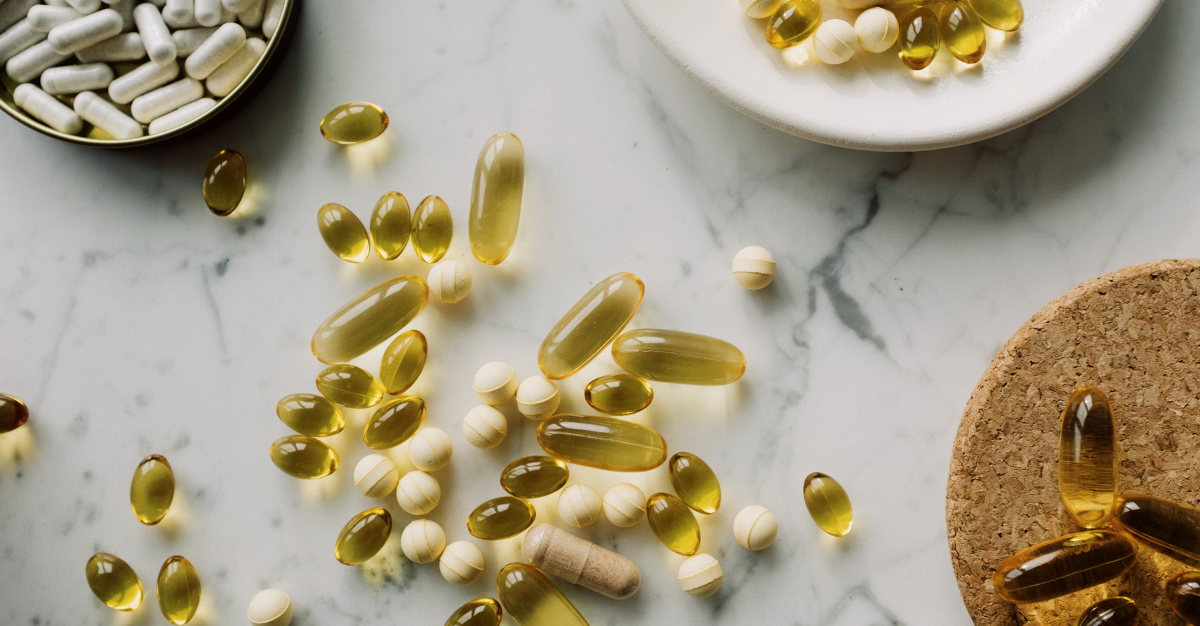
Active Mega Multi – A comprehensive, hypo-allergenic, multivitamin and mineral blend. As a complete multivitamin, it provides high-quality nutrients to build a healthy micronutrient reserve.

Probio 20 – A carefully assembled cast of probiotic organisms to support microflora balance and maintain a healthy environment for vitamin uptake and optimal immune function.

Omega Supreme – Provides 820 mg of eicosapentaenoic acid (EPA) and docosahexaenoic acid (DHA) as well as 50 mg of docosapentaemoic acid (DPA) per soft gel as natural triglycerides, the preferred form with superior absorption. Vitamin E (as mixed tocopherols) and rosemary extract are used to ensure maximum purity and freshness.

Show Transcription

00:00:00 – 00:05:01

Hello, welcome to the Hashimoto’s Connection. On today’s show, I have the pleasure of interviewing doctor Stephen Lewis of Green Wisdom Health. Doctor Lewis has a long history of helping people achieve their optimal health by using extensive but affordable lab work. He stays current on the latest research, pertaining to nutritional supplements and optimal health, and he has a unique perspective on all alternative and complementary nutrition from studying with numerous national leading alternative health experts. Doctor Lewis was a joy to interview and has a refreshing straight to the point type of personality that I’m sure you will enjoy as much as I did. Listen in to hear his approach to wellness and how supplements play a role in long-term health. I’m sandy Robinson. I’m a wife, mother, health coach, personal trainer, personal fitness chef, and entrepreneur. Through my own personal challenges with being diagnosed with Hashimoto’s, I discovered the dire need for a better support system. Join me as I bridge the information and communication gap between patients, caregivers, family members, Friends, and coworkers, through helpful tips, inspiring stories and motivating interviews. I call this the Hashimoto’s connection. How did you get involved in chiropractic care and in functional medicine? You know, I was asked that question on a very large podcast one time and I started crying because I saw my daddy died when I was 15 years old. Maybe from ulcerative colitis, but maybe from the drugs they gave him for that. And I knew right then at 15, I was smarter than that. I developed ulcerative colitis whether it was physical or psychological, whatever. And I went to 5 different MDs. I had 5 different diagnoses and 5 different treatments, not one of them that worked. And I love her MDH. Don’t misunderstand me. They did a lot of really good things, but so I pursued chiropractic and we look at things in a musculoskeletal arena and I figured that what I thought through some good nutrients, notice I said good. That even if it’s four musculoskeletal things, other things got better. Well, if it’s turmeric, will it help their brain to help their cognitive factors that help their eyesight and help decrease inflammation? I did it people do things for two reasons. You make a decision to do something because you’re moving away from pain. Are you making a decision to do something because you’re moving toward pleasure? And the story about my daddy died leaving 5 kids at home and a mother that didn’t have any skills, that’s what motivated me to go on and hopefully bless thousands and thousands of lives in the meantime and provide information on how supplements play a role in long-term health. I’m so sorry you had to go through that, but thank you for sharing that really means a lot. It’s a big part of your journey. I’m sure, so when you are treating patients and they come to you for back pain, but then you realize there’s a lot more to their story. How do you address that with them? What is that like? Because most people do see chiropractors as the back doctors, where you go when you’re in back pain. For the most part, I’ve quit chiropractic, and I don’t do insurance because, you know, lack the healthcare in America, only covers 10% of what affects us with healthcare. They don’t talk about structure and function. They don’t talk about the environmental factors. They don’t talk about the exposures to the poisons that we have every day. They don’t talk about lifestyle. And they don’t talk about being happy and finding joy, which if you don’t have that faith joy, hope you don’t have anything anyway. So I don’t really do the chiropractic. I just morphed into functional medicine, basically and informing patients on how supplements play a role in long-term health. So what is the process for your clients as they come to you and they’re seeking to get well? What is the typical process look like? We do very extensive lab work minimum suggested panel is like 12 different panels on your average doctor you get two or three. And I really prefer to go up from the 12 and get into, say, female hormones, which would be estradiol, progesterone, DHEA, and testosterone. And I think that’s very important. And even people that say, well, I don’t have sexual dysfunction. I said, well, we’re not talking about sexual dysfunction because these hormones, they play in what your thyroid’s doing.

00:05:02 – 00:10:01

They play into what your hypothalamus, your pituitary, your adrenal glands are doing. You have to see the big picture. So, in America, we’ve become a reductionist system. Doctors look at you like, well, they’re sandy, the Hashimoto’s patient. No, you’re not. You’re a whole person, and you have to be looked at as a whole person. And I don’t charge for the consultation, get 30 minutes for free and I do it very, very inexpensively. And the lab works super, super cheap, many times people try to be cheap. And get this lab through their MD and they come to me and say, holy God, my 20% was more than what you were charging. I know, honey, but you’d have to learn the hard way. So, I’m trying to deliver good value for the money. Because I really do care. Right. I see that. So what is your ultimate goal when someone comes in to you to discuss what they’re trying to achieve or do you inspire them on what they should try to achieve? What is the goal look like when it comes to treating your patients? How do you explain how supplements play a role in long-term health? There’s two things that’s pretty common in talking to me. I’ll ask them to always listen with the discerning spirit, your gut, feeling your intuition, your discerning spirit. And then the other thing that’s pretty common is I say, do you want me to sugarcoat or shoot straight? And one time I had a guy said, I want you to sugarcoat it and I said, this first time in 30 years, I’ve been speechless. I don’t know how to sugarcoat anything. This is not a bakery. I just try to make them comfortable where they feel like they can open up to me. What makes it successful when someone comes to you and they’re not feeling well, what does success look like? I want to share for different people. Sometimes I get people that cry and I’ll say yep. I see that frustration. I see your desperation. I fear. I’m pretty good listener. Someone asked this. I listened very, very carefully. When I get help. Now, there doesn’t seem to be many doctors that take this approach. Why do you feel that this is appropriate? You know you’re opening up a can of worms, right? Yes. Our country as a whole were overfed and undernourished. And there’s about 72% of us that’s overweight. If not obese, and that’s from the national health and nutrition examination study why is it where the fatty sick is nation on the base of their earth. And I’ve seen several different companies. Countries in Europe, I’ve been to China to study. We’re the sickest nation on the face of the earth. According to the Commonwealth fund, according to the New England New England Journal of Medicine, there’s all kinds of studies. Why are we so sick? Why don’t we understand how supplements play a role in long-term health? We have the best medical profession, but again, they cover 10% of what makes us healthy. And I bridge the gap to get to that other 90%. So, we have to change our diet. And again, you know, you’re the Hashimoto specialist in because you’ve lived it. And what does that grind? And if you look at we need fiber, something will say, well, we need fiber in the grain. It’s like, well, fresh and vegetables have two to 8 times more fiber than a grain does. Yes. Right. You’re deciding to make cows with fat. I don’t need marble to make tender rib eye steak. Grind you’re not good. They’re not good for us. Yes. I have found my best results have definitely come through. Organic produce and really grass fed well cared for meats. Without any of those additives or the animals also being given the diet that’s ideal for them and that filling them up on the wrong thing. That’s very true. And I’d like to say, you know, you’re probably going to help many, many, many people just because you have not been educated into a box. And I think that’s what’s happened. You know, I talk about reductionist the white people doctors think that you’re a thyroid problem, your heart problem, your high blood pressure. You don’t think inside that box you haven’t been educated into a box. I’ve had to uneducated myself to be more and more holistic. So you’re doing a lot of good just right where you are. Oh, thank you. I hope so. I really feel like this journey has been harder than it should have been.

00:10:02 – 00:15:02

I had to learn a lot of hard lessons, you know? And I don’t want people to have to learn that way. And I really feel like ultimately God allows us to walk a journey for a reason. And I don’t feel it’s supposed to go void. So my journey, my story, the things that I go through, the good and the bad. I want to learn from it and then help others. So that is 100% why I do what I do. I really want to make a difference. And allow the people that listen, the people that come to me, the people that come to you, they ultimately want to they want to feel well. And so if we’ve learned how to do that, we should share it. We should explain to them how supplements play a role in long-term health. And we should also be open minded that there might be new information as we go on this journey that might change the path a little bit too. That’s something else that I’ve seen in conventional medicine, there’s that box that you talk about where there’s a certain amount of training, there’s a certain way of thinking, and then there’s a lot of closed mindedness to any other options around that. And so constantly educating yourself and being open. You know, that goes back to the journal of the American medical association where it says, well, we only addressed 10% of the issues that lead to preventable death. Now, notice they said preventable death. They only addressed 10% of that. And that’s why it’s committed to bridge that gap. And you said, you know, the tough journey, well, the Bible says, all things work for good, and that’s very, very true, but you got to look for it. Right. Yeah. And you don’t know what good is unless you’ve experienced that, right? So you really do have to have a little bit of both. You need that contract. That’s right. So when it comes to people that are trying to change the health, a lot of people think that all they have to do is just change their diet, everything should be fine. Where do you stand in that? Trying to be polite. I think it’s for I use the term BS a lot, stands for beaches and sunshine belief systems. I think you need, I think when I say BS, you need to change your belief systems. Diet, you can’t eat a bad diet and taking up supplements to get toward a 100%, but you can’t do it with your diet alone. It can not happen. There’s studies about how bad our food was in the 1970s. And then from 1976, I think it was to the year 2000, the nutrient level went down 6 to 76% from 70 something to the year 2000. And it’s worse now. Wow. I trade organic farmers in up to 18 or 20 different states and although they eat totally organic. They say, oh my God, I feel so much better on your supplements. Oh my God, I can’t believe it. I only eat organic, but it’s grown on mentally depleted soil. And our world is so toxic, toxicities will want to part of that 90% very few people use to bridge the gap. They don’t address that. Did you know we’re absorbing DDT now, even though we’ve America banded, I think in 1974, we’re still getting DDT from the gesturing and now the Saharan dust is coming our way. DDT from where they’re spraying it, trying to get rid of the mosquito to get rid of malaria. We have DDT, our polar bears have osteoporosis, and thyroid problems, hypothyroidism in our polar bears. So it’s not just get out of gluten, which is imperative. Yes, you’ve got to change your diet, but I don’t think it’s complete. I’m sorry, I’ll go off on these rabbit trails about how supplements play a role in long-term health. We only back in. That’s good. I agree. My eyes have been opened to toxins on a whole new level in my studies lately. And I’ve actually done some shows on that recently, and I intend to do more because it has been very eye opening and depending on what generation you’re in, you’ve been exposed to even more toxins because they don’t really just go away. And one of the things that was really mind-blowing to me was the lead talks and lead exposure. I grew up around lead paint. And I do remember touching walls and that top coming off and thinking that was kind of fun, you know? And that, you know, that’s something that I was exposed to. I never dealt with it. I didn’t know to deal with it. And then I had children. Well, I’ve done research that suggests that that now has been passed on to my children. And they likely have some level of lead exposure as a result of that, which, again, I would have never known to check that tested or even think about it because lead has not been a part of our culture for so long.

00:15:03 – 00:20:02

So that is just one example, but like you said, there are certain toxins and chemicals that were used decades ago that are still somehow showing up in our soil or showing up in our blood, even studies with newborns, umbilical cords. Their blood and the umbilical cord had toxins from their mother that was just toxins from the cosmetics and shampoos at the mother was using never even thought twice about it. And now here, a newborn baby is born with this. So I don’t see all that to bring fear, but it’s more of like this really profound awareness of we really are exposed to a lot. So what can we do to try to combat that? How can we get rid of it? How can we eat? How can we live? And in your case, you’ve really talked a lot about supplements being a big part of that journey too. Tell us a little bit about what a supplement plan might look like with somebody comes in, they’re not feeling well, you do. Some functional labs, you find out some deficiencies. Where do you go from there? How do you show them the role supplements play in long-term health? Well, let me preface that by asking the audience a question. Sure. And have you ever been to a doctor and he said you’re fine, but you didn’t feel fine? Oh, yes. Okay. That’s where people like me and you come in. You know, you can’t get any big group to agree on everything. But generally speaking, the people in the nutritional field say that you need a good multi. And again, most of them are not good. About a good multi, good fish oil, probiotics, digestive enzymes, and then they say fiber. Well, if you’re eating fruits and vegetables, you don’t need to fiber and argue that you need vitamin D and magnesium because our governments and you know how smart our government is. Best you can do on magnesium out of your diets, 40% of what you need every day. So I think the basic, you know, I think there’s a foundational 5, 6 or 7, but then when I test people and they have hypothyroidism, which is two out of three or three out of four, you know, we have different natural desiccated thyroid supplements. We have a couple of them that are very, very effective. Then we’ll put them on the selenium the zinc. The tyrosine to convert T four to T three, and iodine, if you have Hashimoto’s, you want to stay under that 200 microgram. And then you need B vitamins. And here’s something you don’t hear much about. You know as well as I do that hypothyroidism part, a big part of the equation is leaky gut or pre celiac disease. Yes, increased intestinal permeability is the term doctors like to hear. Exactly. Well, I use a product that’s a bovine derived immunoglobulin, which goes in sales lady God, it provides immunoglobulin G, which is super important. I’ve had people at which is full Blum celiac. Which, you know, I was found to be real close. I didn’t know it was gluten, but and when I take this, I do really, really well. And I tell my patients, yeah, Janet puts one scoop a day in my drink and Janice to start to lose to know what he gets. I get him two or three students just to keep him healthy. But it helps my God function because I’ve had those decades to accumulate the toxins and to have that permeability problem. The other thing is most people not heard of saccharomyces bellardi, that’s a yeast that takes bad yeast fungus and virus and it provides immunoglobulin a, which most people don’t know that. Well, I didn’t know what ten or 20 years ago either. You know, we’re always learning like you say. Right. You know, we’re going to be smart when we get 94. I hope so. I hope one day I can say I’m smart. That’s awesome. Listen to you’re really smart. I can tell you that because you had to be because you learned the hard way. Well, thank you. I appreciate it. It is a learning journey for sure. And I do enjoy reading about it. I geek out on this stuff all the time. So, well, all my Friends are reading really cool fiction books and enjoying themselves and reading all the medical stuff and it’s fun. So hopefully it will continue to pay off and help others. So when it comes to supplements, there’s so many different brands and I know, you know, I have a certain favorite brand at you have your favorite brand and some of that where the same on that, I think.

00:20:04 – 00:25:01

I have done episodes on this before, but help listeners understand why you actually have to be careful about what supplements you choose. You don’t want to just buy just anything at Walmart or just anything on Amazon. There’s some regulation there that you need to pay attention to. You want to explain that a little bit? Do you want me to? Yeah. Yeah, help them understand how to pick because it’s hard. There’s so many, and they don’t want to spend a lot of money. But the most expensive, most expensive supplement in the world is the cheap one that won’t work. There’s a special investigator for the FDA. He said 40% of everything on Amazon is fake. Counterfeited. And they said, about the labels, the same, and you know, I’m a country boy from east Texas, okay, I like to shoot straight as they say. People say, well, it says this. I said, well, your first wife said she’d love on her by Mario lab number 5. All women are not the same and neither are all supplements. People are different. You have to find the right fit. And I synthetic supplement the molecule rotates in the wrong direction. It’s like putting a left handed threaded knot on the right handed threaded bolt. It’s a mirror’s image, but it won’t fit. And then not only does your body have to use energy to detoxify it with a liver that’s already overburdened. It has to use several times as much energy to do that. And then it ties it up to where it can’t get rid of the other toxic exposures. But to digestion. So yeah, you know, the supplements I get, I have to have an active license. If I let my license expire, they don’t sell to me. And if I have a question, I can text my rep, I can get in touch with the scientists, the PhDs, very, very quickly. And when they beat me down with knowledge, I just say yes, ma’am. Thank you very much. But I’m satisfied by show me the research to prove what they’re saying and how supplements play a role in long-term health. So, you know, the old saying of trust, but verify. Yeah, I’ve got access to the scientists behind these things. That’s wonderful. It is important because there are a lot of studies that have come across over the years. And just stories of people purchasing supplements, Amazon’s one of them, but you can purchase just online. You have access to a lot. And even there’s supplements that gas stations now, you know, where they are making claims that, you know, it’s going to do something for you. And the thing is it’s not regulated. And it has been found in some cases to be deadly, not just not effective, but actually harmful. And so it is important that when listeners are choosing supplements that they’re not just choosing it based on the price that you’re looking at making sure that it’s regulated in some way that there’s quality ingredients. And that they’re actually able to work for your body because there might be some supplements to make planks that might not be the right one for you. It might be counterproductive. There’s certain things you should not take depending on the conditions you have. So having your supervision, having someone that’s trained, like you are, like I am, to walk that journey with them is important as well. So they don’t just start taking every random thing that they see a commercial for. So that’s very helpful when explaining how supplements play a role in long-term health. Now, there’s a really common concern that people have as they’re going through health journeys. There’s the stress and anxiety that depression that kind of comes along with this brain fog. Those types of symptoms, of course, there’s so many different things that can cause that. We’re not counselors. We can’t go into counseling sessions. We’re not qualified to do that. But what I have found on my journey and you may have found the same thing that a lot of times, someone might go to counseling to get that immediate help with depression anxiety, things like that. But then they can start working with us and work on that root cause. Like, what’s maybe the imbalance? What’s some of your experience with that? How have you managed that with your patients? Well, I think there’s two commonalities that it’s always part of the equation. It’s inflammation and guts dysfunction. And people say, I want to say giant track have to do with Brian and how I feel. I said, well, that’s where the neurotransmitters are made. The happy hormones. And then I’ll look at their library enzymes, and if their liver enzymes are sub optimal, number one, you’re not getting good digestion, which contributes to poor gut function. Number two, the liver can’t methylate and you don’t have good B 6. When it takes good be 6 to allow the neurotransmitters to cross the blood brain barrier to be happy.

00:25:01 – 00:30:01

And the other thing is because of our S.A.D., standard American diet. We overgrow yeast in that is part of the intestinal permeability problem. And the yeast put out an enzyme called thiaminase, which means it steals your thiamine. And people say all my anti form, brain fog. So I just give them a big dose of fat soluble thiamine, and within two days to two or three weeks, they’ll write me, call me email and say, oh my God, my brain folks down on us. And we’ll tell your husband, bring me chocolates to say thank you. But then you starve the yeast. You put in some killers and then you put in good, good, good probiotics, especially the ones including the saccharomyces bellardi. Once you have a healthy GI tract, everything else gets healthy, but now stress anxiety and depression can be an adrenal problem if thyroid problem they bounce off each other if your thyroid’s low, you’re free T three is low. Then your adrenals have to get in more cortisol, which puts your pituitary and hypothalamus in your brain makes them crazy. But you have to balance. It’s about looking at the entire thing as a whole, so that’s why, you know, you’re looking at a minimum of 5, 6, 7 minimum, different types of supplements to get the critical mass of nutrients so that your body can work with the better food that you’re eating. So it takes a lot, it takes persistence. It takes that hope. Faith without works is dead. Works means you have to take the action step and you have to be patient. Right. Do you have a certain time frame that you usually recommend for people to just to kind of be patient with the process? When you’re going in and you’re trying to kind of stabilize things. Is there a kind of a generalized amount of time that it takes to get people to a really good point? They might not be a 100% yet, but you know. Yeah, you know, Jen and I have taken lots and lots and lots of lots of courses about the role supplements play in long-term health. And some of the naturopathic doctors that we’ve taken courses with say that three months plus a month for every year you’re sick. I think it’s like pregnancy, you know, the first trimester of three months. You can start to tell changes. The second trimester, even greater changes. And then the third trimester. So I think three months is reasonable. And we usually will renew lab work there and again, I do, you know, 12 to 20 different panels. I don’t just check your CBC. We’ve just added the TPO on the other 5 parts of the thyroid that we check or we’ve done that for women. The D dimer for the men because my wife, she’s a very good negotiator and she got the lab to come down on the price where we, our process, the same, which is rock, bottom, low. And we can throw in another test. The day dimer used to be a $160 and now, I don’t know what they charge us, but it’s a fraction of that because we’re trying to give the most value to the patient. So that they can down that TPO, you’ll find that that’s very, very useful because of the journey you’ve gone through. Right. I don’t know. This is too much fun not to practice is what it is. It’s fun. Yeah, I agree. I don’t ever see myself stopping really, you know? There might be a point where maybe I’m not an asset to the industry anymore because just, you know, there’s a point where you maybe get tired and you don’t research as much or you aren’t as relevant. I don’t know. I hope I’ve never at that point, but I love it. I do love helping people. So I’m glad that you do too. So I feel like one of the other questions it’s really common in supplements is and there’s people think on this differently. So there’s no really wrong answer with it. But when it comes to adding supplements in, is this like a lifelong thing, you’re gonna be on supplements forever, take in 20 pills, or is it a temporary thing in the goal to come off? Where do you stand on that? Well, I do analogies. So you’re going down the road in your car and all that comes up, so in our system are so called healthcare system, we just pull the fuse out so the whole line goes up. So we keep running down the road and all of a sudden, a hundred miles down the road, you’re in just starts to smoke.

00:30:01 – 00:35:03

And he’s all it’ll be fine. It’ll be fine. Just roll down the wind as, you know, get rid of the symptom. And then on hundred miles further down the road, your car catches on fire. That’s when we go into the old change place and say, I think I need an all change. And that’s what we’re doing to our bodies. Do you need to take supplements? And I can get this question. How long do I have to take them? As long as you want to be toward a 100% of what God intends for you to be. When can I get off of when you want to go back and be as sick as you are now? Yes, you still need it like you need a continuous wall change to keep your engine running before it needs an overhaul. Right. I mean, I’ve got to take a lot of supplements to feel 30 years younger than I am and I have this much crazy energy and I run down rabbit trails with my thoughts. It’s supplements that pull that off. So I think it’s a continual thing. You have to work toward health or wait till disease and then move away from the pain of disease or you can move toward health, like I talked about moving away from or moving toward pleasure. This is how supplements play a role in long-term health. Right. I’m more of a sacred Sunday things for the pleasure in the future rather than the sad story of something bad happening. Right. Have you found that by doing this that you’ve been able to have a lot of your patients come off their prescription medications as a result of balancing these underlying root causes? Yes, but being a chiropractor, I never encourage them to do anything with their medicines, but I’ll tell you a favorite story. There’s this guy and he was about my age and he was really, really grumpy and I loved him because I can relate to him. I just remember I said, you better get your blood pressure under control. You can do it naturally or you can do it medically. I don’t care your blood pressure’s too high anymore. I said, hey, do it. And then two or three years later, he comes in with stage three kidney disease. Oh, well, Dan, he’s moving away from pain. He wants to take a lot of supplements all of a sudden. He went from stage three kidney disease down to perfect in his doctor. His kidney specialist was scratching his head. Problems down, so he quit his supplements. Right? It comes in two or three years after that in stage four. Kidney disease because he never fixed the underlying cause. And, you know, you have to meet a patient where they are. And he’s a little huffy. And I love it. I love it. I said, you got to be a $1 million to spend. He said, you know, I said, well, you better give it to your daughter, because buddy, you ain’t going to be able to spend it. I said, you better take this serious. And he took it serious. And he took lots and lots and lots and lots of my supplements. And he never went on dialysis until he could because he let it go too far. He had, he got a donor, a donor kidney. And I was sitting in here the other day with a couple of patients and he came in to the office and we went out and we hugged each other’s necks and he says, thank you. It brought out soft, sweet side. You know, how some men are a little overly tough. But he never went through dialysis. And we worked with his kidney specialist. But yes, they can get off. If you get help, all in these that I’ve ever known, if you’re healthy, they don’t want you on the drug. So yeah. They get off their medicine. They’re metformin glucophage. Sometimes they get fired with stuff. Now, I don’t suggest this. I always tell them work with your doctor. As you get better, here’s the lab, take it to them. Yeah. We’re not supposed to be on drugs. Right. Yeah. I hope to be able to come off of them, right? There’s certain ones that you do have to take. And if you have a health condition that requires that or if you don’t have a thyroid anymore, there’s certain things you’re just going to have to take that medication. But if there are ones that you’re taking that are trading symptoms and your doctor is good with you, trying to come off of it and treat it naturally, then that’s a win on both sides because now you’re getting the supplement that’s helping you with your baseline levels and then you don’t have the medication that might have those negative side effects. This is how supplements play a role in long-term health. You know, not every medication has bad side effects. But a lot of them do. So it’s good to come off of that if you can. So that’s a good thing. Where do you stand on hormones? How does that work when you have women that are reaching that stage of life when they’re testosterone levels are really drop in their approaching menopause? It’s pretty miserable.

00:35:05 – 00:40:01

There’s a lot of hormone treatment places everywhere you go. Some are just worthy summer not. Do you have any way to provide clarity on that for listeners? Well, for women, usually even young women, they usually have a bad ratio of estrogen to progesterone because the environmental estrogens, the plastics, the pesticides, you know, I mean, we’re just inundated with those things that act like estrogen. And that’s why me and have low testosterone because we have the environmental estrogens. So, we put them on a natural progesterone where your body can make its own progesterone and most women and I’m talking about high 90%. Say, oh my God, my hair stopped falling out. I’m sleeping better. I’m losing a little weight. My headaches have gone away. My heart stopped fluttering. These are just a few examples of how supplements play a role in long-term health. And again, I tell him to tell your husband, bring me chocolates to say thank you. Man, it’s a little tougher. Because we’re inundated with estrogen mimicking four months. And that’s one of the reasons we’re obese. The body doesn’t want to shrink those fat cells to expose you to more xenoestrogens, they’re called endocrine disruptors, the estrogen members, your body doesn’t want to let go of those because your detoxification pathways aren’t turned on anyway. Man, it’s a little tougher. You can take DHEA. You have to play with it on a lab to find the best level for that particular person. And you generally put them on things that unbind the testosterone to make it free, testosterone. Yeah, we get some really good results. But again, it takes time. It’s usually not instant. A lot of people that are happy. If they stick with it, you know, the older I get the more I think, well, if you put it in, got a blessed, but you got to be patient. Yeah. That’s true. The hormone situation is definitely a journey of trial and error. So it is. Yeah. But once you get it figured out, you really do feel a 100% better. It’s definitely something to it’s worth the work. It’s worth that effort to figure it out and learn how supplements play a role in long-term health. So listeners are curious about your particular practice. They really want to work with you. How does that work? You’re in Texas. Our listeners there, we have a huge base, all the reunited states, Australia, really all over the world. But they are primary listeners are in the United States, so I think that’s a good thing because they will have the easiest access to you. How would they go about that? Again, I’m parenting what my wife tells me. It’s go to green wisdom, dot com and click on the health service. I fill out the health survey. It’ll tell you what lab that we recommend, which is usually one or two of my favorites. And again, if you want to talk to me before you do that, that’s fine too. We can order labs in 47 states. And I do zoom and phone calls all day long. And I tell people, well, you need this. This is what’s on your lab and in a functional nutritional functional medicine type way of looking at it, you need this because of this. Very good. So that’s pretty easy to do. It’s easy to reach you. And then just Zoom calls after that. And then are you able to work with their doctors if they are, if they have another medical condition where they’re under a doctor’s care, do you talk directly to their doctor or do you just give them kind of advice on how to communicate with their doctor on what you’re doing? How does that part work? It’s more tell them how to communicate with their doctor because most doctors are too busy. We don’t need one more thing. They were one more place to be. You know, I’ll say, well, you know, you have a high C reactive protein, which, according to the Cleveland clinic, is four times better indicator of future heart attack or stroke than your cholesterol number. So if we put you on these things and decrease that inflammation and your blood pressure begins to go down then you will talk to your doctor that prescribed the blood pressure lowering medicine. You’re ace inhibitor beta blocker, whatever. If your blood pressure goes down because you’re starting to get healthier, you talk to that doctor about, do they think it’s appropriate to change your meds, change the dosage. But yeah, I don’t play doctor to them. I play nutritional chiropractor from a function of medicine, but yeah, I’ve never had any medical doctor that wasn’t anything, but very sincere and very nice.

00:40:02 – 00:43:46

That’s awesome. That’s good. A lot of this patients to. You know, I think the more this type of care is made mainstream, the more people realize that this is available, I really do think we’re going to be seen as an asset to doctors because we need each other. There are certain things that you can’t handle just from the supplement standpoint. You need intervention. You need true lifesaving intervention. And then there is the thing where we’re going to be able to work with patients on the daily. You know, those encouraging phone calls. Those moments when they just feel bad and they need the supplements to kind of give them the nutrition that they need or the diet or the planning of how to manage their lifestyle in a way that’s less toxic or less stressful. All of those things that are part of the journey, but doctors can not implement in their practice. We’re able to supplement that and inform people on how supplements play a role in long-term health. So I’m really hopeful that we will continue building really great relationships with conventional medicine so that we all work together and ultimately have really healthy people, healthy patients. Thank you for sharing your wisdom today. Thank you very much for the opportunity and, you know, if nothing else, we can give people hope. Yes. Most definitely. Special thanks to doctor Lewis today for being a guest on our show. I hope you enjoyed it as much as I did. Now, based on what you learned from today’s episode, how can you help yourself? Well, I know you’ve heard it before, but test don’t guess. Yes, I know you’ve heard it, but it’s the best place to start. Get your functional lab work done so that you know what you’re working with. If you want to purchase your own at home lab kits, you can find a link on my show notes as well as on my website to help you get started. How to help others encourage them to also get regular checkups and testing. Our health and wellness can change over time with stress, aging, exposure to toxins, and our own genetic makeup. Don’t waste time trying to figure it out by guessing, just start testing. And last how to dig deeper. If you felt like that you really connected with Dr. Lewis today and you would like to learn more about his practice, you can reach his office at green wisdom health dot com to get more info on how to work with him. Also, if you’re interested in reading any of the research that he mentioned in today’s show, I will have the links in my show notes as well as on my website at coach sandy Robinson dot com. Well, that is all for today. For those of you who are listening and you’re feeling overwhelmed with how to navigate all the things, I would love to walk alongside you and help you on your journey. Schedule a free consultation with me through my website at coach sandy Robinson dot com or you can also find me on Instagram @coachsandyrobinson. Don’t forget we also have a Facebook group called the Hashimoto’s connection where you can meet other listeners, find community and meet some of the guests from the show. Thank you so much for listening today. I hope you feel empowered and encouraged with what you’ve learned. If you liked this episode, please show your support by sharing this podcast with friends and leaving a 5 star review. Until next time, thanks for listening to the Hashimoto’s connection.

You can listen to How Supplements Play a Role in Long-Term Health on Spotify here. Remember to check out Coach Sandy Robinson’s website here.


Posted on Leave a comment

Health and Wellness Headlines for June 1

After Marijuana Legalization Did Opioid Overdoses Go Up, Stay the Same, or Go Down?

Story from NutritionFacts.org. Originally posted on May 31, 2022, 7:00 am.

What happened in states after medical marijuana laws were passed? Did opioid overdoses go up, stay the same, or go down? Millions of people … Read the full story on NutritionFacts.org.


Black Salve Is a Dangerous Scam

Story from NutritionFacts.org. Originally posted on May 26, 2022, 7:00 am.

Is black salve, a paste made from bloodroot, safe and effective for the treatment of skin cancer? “Despite warnings from the American Acad… Read the full story on NutritionFacts.org.


Cabbage Leaf Wraps for Arthritic Knees

Story from NutritionFacts.org. Originally posted on May 24, 2022, 7:00 am.

Unbelievably, a randomized controlled trial of cabbage leaf wraps for arthritis was published. In a section of the British Medical Journal c… Read the full story on NutritionFacts.org.


Randomized Controlled Trials of Beans

Story from NutritionFacts.org. Originally posted on May 19, 2022, 7:00 am.

Do legumes—beans, chickpeas, split peas, and lentils—work only to prevent disease, or can they help treat and reverse it as well? Legume… Read the full story on NutritionFacts.org.


Blueberry Blocking Effects of Yogurt

Story from NutritionFacts.org. Originally posted on May 17, 2022, 7:00 am.

What happened when researchers tried to tease out what’s in dairy that interferes with the health benefits of berries and tea? A trio of H… Read the full story on NutritionFacts.org.


Anti-Inflammatory Effects of Guacamole

Story from NutritionFacts.org. Originally posted on May 12, 2022, 7:00 am.

High-fat plant foods—avocados, peanuts, and walnuts—and olive oil are put to the test. In the preface of my book How Not to Die, after b… Read the full story on NutritionFacts.org.

Posted on Leave a comment

Health and Wellness Headlines for May 25

Cabbage Leaf Wraps for Arthritic Knees

Story from NutritionFacts.org. Originally posted on May 24, 2022, 7:00 am.

Unbelievably, a randomized controlled trial of cabbage leaf wraps for arthritis was published. In a section of the British Medical Journal c… Read the full story on NutritionFacts.org.


Randomized Controlled Trials of Beans

Story from NutritionFacts.org. Originally posted on May 19, 2022, 7:00 am.

Do legumes—beans, chickpeas, split peas, and lentils—work only to prevent disease, or can they help treat and reverse it as well? Legume… Read the full story on NutritionFacts.org.


Blueberry Blocking Effects of Yogurt

Story from NutritionFacts.org. Originally posted on May 17, 2022, 7:00 am.

What happened when researchers tried to tease out what’s in dairy that interferes with the health benefits of berries and tea? A trio of H… Read the full story on NutritionFacts.org.


Anti-Inflammatory Effects of Guacamole

Story from NutritionFacts.org. Originally posted on May 12, 2022, 7:00 am.

High-fat plant foods—avocados, peanuts, and walnuts—and olive oil are put to the test. In the preface of my book How Not to Die, after b… Read the full story on NutritionFacts.org.


Probiotics vs. Antibiotics for Autism

Story from NutritionFacts.org. Originally posted on May 10, 2022, 7:00 am.

What role do antibiotics play in the development and treatment of autism spectrum disorder? “There are many examples in nature of intestin… Read the full story on NutritionFacts.org.


Spinach and Berries to Prevent Muscle Soreness

Story from NutritionFacts.org. Originally posted on May 5, 2022, 7:00 am.

What are the effects of spinach and berries on oxidative stress, inflammation, and muscle soreness in athletes? Higher fruit and vegetable c… Read the full story on NutritionFacts.org.

Posted on Leave a comment

Health and Wellness Headlines for May 18

Blueberry Blocking Effects of Yogurt

Story from NutritionFacts.org. Originally posted on May 17, 2022, 7:00 am.

What happened when researchers tried to tease out what’s in dairy that interferes with the health benefits of berries and tea? A trio of H… Read the full story on NutritionFacts.org.


Anti-Inflammatory Effects of Guacamole

Story from NutritionFacts.org. Originally posted on May 12, 2022, 7:00 am.

High-fat plant foods—avocados, peanuts, and walnuts—and olive oil are put to the test. In the preface of my book How Not to Die, after b… Read the full story on NutritionFacts.org.


Probiotics vs. Antibiotics for Autism

Story from NutritionFacts.org. Originally posted on May 10, 2022, 7:00 am.

What role do antibiotics play in the development and treatment of autism spectrum disorder? “There are many examples in nature of intestin… Read the full story on NutritionFacts.org.


Spinach and Berries to Prevent Muscle Soreness

Story from NutritionFacts.org. Originally posted on May 5, 2022, 7:00 am.

What are the effects of spinach and berries on oxidative stress, inflammation, and muscle soreness in athletes? Higher fruit and vegetable c… Read the full story on NutritionFacts.org.


An Apple a Day May Keep the Pharmacist Away

Story from NutritionFacts.org. Originally posted on May 3, 2022, 7:00 am.

Which would save more lives: eating an apple a day or taking statin drugs? Does an apple a day really keep the doctor away? That’s [&#8230… Read the full story on NutritionFacts.org.


Sources of Oxidized Cholesterol

Story from NutritionFacts.org. Originally posted on April 28, 2022, 7:00 am.

Chicken, fish, and egg powder in processed foods present greater risk from cholesterol oxidation byproducts, but there are things you can do… Read the full story on NutritionFacts.org.

Posted on Leave a comment

Supplements – Why You Likely Need Them

Do you need to take supplements? The answer isn’t always straightforward. In a perfect world, all the nutrients we need are readily available from a well-rounded diet. However, many other factors come into play. Simply put, today’s world isn’t always conducive to a diet that meets all your needs.

Here are some questions to ask to determine if supplementation is the right choice for you.

Where do you get your food?

Conventional farming practices have led to nutrient loss in many foods. Overfarming often reduces nutrients in soil, which in turn lowers the nutritional value of produce in vital areas like vitamins A and C. Similarly, animals raised in feedlots miss out on the varied diets that animals who graze in open spaces benefit from. One study found, for example, that grass-fed beef is higher in vitamins A and E and antioxidants than beef from feedlots. These trends mean that consumers have to consider their foods’ origins in order to get maximum nutritional value. However, because it’s not always possible – or affordable – to buy right from a farm, supplementation may be necessary.

Where do you live?

In much of North America, we don’t get enough sunshine to produce enough vitamin D. That’s why over 40% of people in the US are deficient in this crucial nutrient, with seniors being at particularly high risk. It can be difficult to get enough vitamin D through diet alone, so supplements are often necessary.

Do you eat a well-rounded diet?

Certain diets or dietary restrictions can leave us deficient in nutrients. Vegans, and vegetarians who don’t eat many eggs or dairy products, often require vitamin B12 supplements as it’s only available through animal sources and fortified grains. The consequences of B12 deficiency can be severe, including fatigue and depression, so it’s important to maintain healthy levels.

Similarly, people who aren’t able to consume dairy may not get enough calcium or vitamin D, necessary for strong bones, teeth and immune function. A gluten-free diet can also put people at risk for deficiencies in nutrients like folate, zinc, and magnesium.

Picky eaters? If you are not consuming enough fruits and vegetables you should ensure they are getting enough vitamin C as well. Studies show Vitamin C, a powerful antioxidant, can help support heart health and lower risk of heart disease, lower the risk of gout,  and improve the absorption of iron.

Do you take prescription medications or have a genetic/health condition?

Many health issues lead to difficulties absorbing nutrients, or raise the levels that you require to stay healthy. People with ulcerative colitis or Crohn’s Disease have difficulty absorbing nutrients and often require supplements for optimum health. Some cancer patients benefit from supplementation, but it’s important to work with your healthcare team to determine your needs. As well, some autoimmune disorders require supplementation. People with pernicious anemia, for example, don’t produce enough intrinsic factor, a protein that helps absorb vitamin B12, so will need B12 supplements. Studies also show that people with heart disease benefit from omega-3 supplements.

It’s important to note that many of today’s commonly prescribed medications can also lead to vitamins and minerals being leached from the body.

This includes the birth control pill, which has been shown to deplete the body of B vitamins (riboflavin, B6, B12, and folic acid), vitamin C, magnesium, and zinc. Metformin, a common prescription for the treatment of Type 2 diabetes, has been shown to deplete Vitamin B12, folic acid and Coenzyme Q10.

Be sure to speak with a qualified healthcare practitioner when incorporating supplements along with your prescription medications to avoid negative interactions or side effects.

How is your energy and mood?

Feeling chronically tired or fuzzy-headed can be a sign that you’re deficient in at least one important nutrient. For example, Magnesium helps with over 300 processes in the human body, including muscle function and energy production. Proper levels of magnesium are necessary in order to metabolize the nutrients that you take in through food into energy. Research also indicates that there is a strong link between vitamin D deficiency and anxiety as well as depression. If you never feel fully rested or experience anxiety or depression, talk to a healthcare provider to rule out deficiencies and recommend the proper, quality supplementation – we can help!

How old are you?

As we age, our risk for nutritional deficiencies increases. That’s largely because of changes within your body. For example, stomach acid is needed to absorb vitamin B12 and iron, but we tend to produce less stomach acid with age.

Our bodies also become less efficient at absorbing Vitamin D and calcium, two nutrients essential for bone health. Plus, we tend to eat a bit less, since metabolism often slows with age (many people are also less active with age). In some seniors, the ability to recognize hunger cues starts to decline.

The need for supplements isn’t always connected to growing older, though. All women of childbearing age need to monitor their iron levels, since menstruation can lead to anemia. For women during pregnancy, folic acid and vitamin D among other nutrients, are recommended to help with a growing baby.

The Importance Of Smart Supplementation

Dietary supplements aren’t regulated the same way prescription medications are. Although supplementation has many benefits for many people, choosing to take a supplement requires some due diligence. It’s important to work with a healthcare provider to determine the right supplements and correct levels, and to rule out any contraindications. Even the best supplements can have negative impacts. St. John’s Wort, for example, is a popular supplement to treat depression, but it can interfere with your body’s ability to absorb some medications, including oral contraceptives. 

It’s also important to make sure you take the best dose for you. When it comes to supplements, more is not always better. Fat-soluble vitamins like A and D can be toxic when taken in large amounts.

There’s also a wide range of quality when it comes to supplements. Because they’re not regulated as medications, the amounts of an ingredient can even vary within the same product. It’s important to purchase high-quality professional grade supplements from a trusted source.

Meeting your nutritional needs through a high-quality, well-rounded diet is the best approach, but for many of us, that’s simply not always possible. Supplements have been used to manage health conditions for many years. We can always look to nature to see if there is a healthy alternative to prescription medications to rebalance your system, replenishing your body and help to restore it back to a healthy state. Carefully chosen supplements can help us bridge any gaps on our road to wellness. If you’d like to talk about what supplements are best for you, give us a call.

Sources:

Davis DR, Epp MD, Riordan HD. Changes in USDA food composition data for 43 garden crops, 1950 to 1999. J Am Coll Nutr. 2004 Dec;23(6):669-82. doi: 10.1080/07315724.2004.10719409. PMID: 15637215.

Forrest KY, Stuhldreher WL. Prevalence and correlates of vitamin D deficiency in US adults. Nutr Res. 2011 Jan;31(1):48-54. doi: 10.1016/j.nutres.2010.12.001. PMID: 21310306.

Vici G, Belli L, Biondi M, Polzonetti V. Gluten free diet and nutrient deficiencies: A review. Clin Nutr. 2016 Dec;35(6):1236-1241. doi: 10.1016/j.clnu.2016.05.002. Epub 2016 May 7. PMID: 27211234.

Jain AP, Aggarwal KK, Zhang PY. Omega-3 fatty acids and cardiovascular disease. Eur Rev Med Pharmacol Sci. 2015;19(3):441-5. PMID: 25720716.

Morris HA, Need AG, Horowitz M, O’Loughlin PD, Nordin BE. Calcium absorption in normal and osteoporotic postmenopausal women. Calcif Tissue Int. 1991 Oct;49(4):240-3. doi: 10.1007/BF02556211. PMID: 1760766.

Murphy PA, Kern SE, Stanczyk FZ, Westhoff CL. Interaction of St. John’s Wort with oral contraceptives: effects on the pharmacokinetics of norethindrone and ethinyl estradiol, ovarian activity and breakthrough bleeding. Contraception. 2005 Jun;71(6):402-8. doi: 10.1016/j.contraception.2004.11.004. PMID: 15914127.

Posted on Leave a comment

Top 10 Superfoods for Longevity

The small choices we make every day add up to a lasting impact on our long-term health. One of the most striking examples of how good decisions lead to good outcomes is the role of our everyday food choices on longevity. Growing research points to the importance of diet on both quality of life and lifespan – it turns out there really is a fountain of youth, and it starts with what you eat!

We Are What We Eat

Western diets have increasingly become pro-inflammatory, calorie heavy and nutrient devoid. In fact, the USDA Dietary Guidelines for Americans defines the Standard American Diet (SAD) as being too low in fresh fruits and vegetables, whole grains, lean protein, and healthy oils, and too high in red meat, high-fat dairy products, processed and fast foods, refined carbohydrates, added sugars, salt, and calories. Eating a Standard American Diet is a root cause of the “diseases of civilization.” Diseases of civilization include heart disease, diabetes, cancer, infertility, mental health issues, and other metabolic diseases – which all impact a long and healthy life.

The nutrients found in the right foods can alter the aging process at a cellular level, reducing damage from oxidative stress. In other words, the superfoods below can actually impact the aging process! We need to prioritize the foods that give our bodies the energy and strength that it needs in order to fight off disease and other effects of aging.

The Blue Zones: Models for Healthy Aging

Scientists have studied the diets and lifestyle of people living in the “blue zones,” which are areas with exceptionally long average lifespans, including Sardinia, Italy; Okinawa, Japan; and Ikaria, Greece. People in these areas share many common healthy lifestyle practices, like maintaining strong social connections and regular movement. They also share many dietary patterns, such as a focus on whole, natural and plant-based foods, and they avoid processed foods. The foods below appear often in research around the blue zones, and other studies show striking health benefits.

Top 10 Anti-Aging Superfoods

Let’s take a look at what studies today suggest are some of the top superfoods for longevity.

1 – Cruciferous vegetables

These flavorful veggies are high in fiber, antioxidants, and vitamins C, A, E, and K. Antioxidants help fight aging by curtailing damage from free radicals and reducing inflammation. Vitamin C is an antioxidant that can also help you look younger, since it boosts collagen production, which in turn strengthens your skin’s elasticity.

Cruciferous vegetables include broccoli, cauliflower, brussel sprouts, cabbage, turnips, and even radishes. Try stir frying some with some amino acids for flavor! Many are also good roasted – if you’ve never tried roasted radish before, it’s a great way to remove the bitter edge that characterizes raw radishes!

2 – Leafy green veggies

Leafy green vegetables are high in antioxidants, vitamin K, folate, fiber, and lutein, a nutrient that can help protect aging eyes. Studies have shown a diet with a lot of leafy greens helps protect against cognitive decline and heart disease. (Note that people who have to take anticoagulants should talk to their healthcare professional about eating foods high in vitamin K.)

Aim for a variety of leafy greens, and think outside the salad bowl: sauteed turnip greens, and baked kale chips are a nice change of pace. Generally speaking, aim for darker colors – spinach over iceberg lettuce in a salad, for example.

3 – Nuts and seeds

Don’t avoid nuts for fear of their calorie content. One study found that people with a diet high in nuts were 20% more likely to have a longer lifespan than those who didn’t consume them. Another found that people following a Mediterranean diet had improved cholesterol levels with increased nut intake. Walnuts, pistachios, and almonds are all particularly beneficial, and versatile. Add some salads and baking, or just snack! Nuts are a good source of fiber, antioxidants, and healthy fats.

Flax seeds, chia seeds, and hemp seeds are excellent sources of protein and omega-3, and have been linked to reduced cholesterol levels and lower blood pressure. It’s easy to incorporate these powerhouses into your diet – just sprinkle some on your cereal and even yogurt, and incorporate seeds into salads and wherever possible.

4 – Berries

Brightly colored berries like blueberries, strawberries, and raspberries are high in antioxidants, fiber, and vitamin C. Blueberries and strawberries can help fight insulin resistance and diabetes, and all berries are excellent substitutes for sweet desserts. Make sure to buy organic – all berries, strawberries in particular, can contain high levels of pesticides. Plus, organic tastes better!

5 – Beans and legumes

With their high amounts of fiber, beans keep your digestive system working in top shape and can help prevent colon and other digestive cancers. They’re also protective of heart health, and are associated with lower blood pressure. And, beans are a filling high protein source, which can help regulate blood sugar, and keep weight in check. In fact, one study linked bean consumption with a smaller waist circumference.

Beans are an excellent addition to soups, salads and stews. If you’re a meat eater, try adding some to recipes with ground beef, like meatballs, to add extra fiber and vitamins.

6 – Mushrooms

Mushrooms are high in B vitamins and potassium, and therefore good for your heart. They’re a good source of selenium, a mineral that acts as a powerful antioxidant.

They’re also very versatile, and can be enjoyed raw, grilled, or sauteed. Try marinating mushrooms on a skewer before barbecuing, or use a marinated portobello mushroom as a healthy burger substitute.

Recently, functional mushrooms have been taking center stage in the mainstream health and wellness space. Functional mushrooms include chaga, lion’s mane and cordyceps among others and are considered adaptogens for their supportive role in the body’s natural adaptation. Typically found in supplement form, functional mushrooms can be a great addition to your routine to help manage stress, improve focus and more. Be sure to speak with a qualified healthcare practitioner to see if these are right for you!

7 – Alliums like onions and garlic

These aren’t just flavor enhancers. Allium vegetables include onions, garlic, leeks, and shallots. Alliums have antioxidant, antibacterial, and anti-inflammatory properties, which are good for heart health and cancer prevention. Research suggests onions can even improve bone health. Some people have unpleasant digestive issues with onions, so some trial and error may be necessary, but it’s easy to add more sauteed or raw onions to many dishes.

8 – Tomatoes

In addition to high levels of insoluble fiber, vitamin C, and potassium, tomatoes are an excellent source of the antioxidant lycopene, which is associated with a lower risk of heart attacks and strokes. It’s also thought to lower rates of cancer and cholesterol levels. Lycopene content in tomatoes increases with cooking, so tomato sauces are particularly good sources.

9 – Turmeric

The medicinal properties of this herb have been recognized for centuries, and recent studies back its effectiveness. The benefits of turmeric are largely derived from the compound curcumin, which is highly anti-inflammatory and beneficial to heart health. Some studies have found that it can help prevent cancer and reduce the symptoms of arthritis. It’s difficult to get therapeutic levels through diet alone (although it is delicious in a smoothie), so supplements may help. Interestingly, absorption is increased when consumed with black pepper – a combination that happens in many spicy dishes.

10 – Green tea

The many benefits of green tea make it one of the healthiest beverages you can consume. It’s high in antioxidants and polyphenols, which are compounds associated with cancer prevention. Matcha green tea is considered one of the healthiest varieties of green tea because the entire leaf is consumed by tea drinkers. Make sure you are buying organic to reduce pesticide exposure and to ensure you are reaping all the benefits of this superfood

Eat Your Way To A Longer, Healthier Life

You may have noticed that all of these superfoods are easily adapted into your regular diet. These simple dietary changes can have positive impacts on your health, and, ultimately, your longevity.

Reach out if you want to learn more about lifestyle changes that can improve your quality of life!

Sources:

Matheson EM, Mainous AG 3rd, Carnemolla MA. The association between onion consumption and bone density in perimenopausal and postmenopausal non-Hispanic white women 50 years and older. Menopause. 2009 Jul-Aug;16(4):756-9. doi: 10.1097/gme.0b013e31819581a5. PMID: 19240657.

Caprara, Greta. ‘Diet and Longevity: The Effects of Traditional Eating Habits on Human Lifespan Extension’. 1 Jan. 2018 : 261 – 294.

Poulain, Michel, et al. “The Blue Zones: Areas of Exceptional Longevity around the World.” Vienna Yearbook of Population Research, vol. 11, Austrian Academy of Sciences Press, 2013, pp. 87–108, http://www.jstor.org/stable/43050798.

Morris MC, Wang Y, Barnes LL, Bennett DA, Dawson-Hughes B, Booth SL. Nutrients and bioactives in green leafy vegetables and cognitive decline: Prospective study. Neurology. 2018 Jan 16;90(3):e214-e222. doi: 10.1212/WNL.0000000000004815. Epub 2017 Dec 20. PMID: 29263222; PMCID: PMC5772164.

Morris MC, Wang Y, Barnes LL, Bennett DA, Dawson-Hughes B, Booth SL. Nutrients and bioactives in green leafy vegetables and cognitive decline: Prospective study. Neurology. 2018 Jan 16;90(3):e214-e222. doi: 10.1212/WNL.0000000000004815. Epub 2017 Dec 20. PMID: 29263222; PMCID: PMC5772164.

Pollock RL. The effect of green leafy and cruciferous vegetable intake on the incidence of cardiovascular disease: A meta-analysis. JRSM Cardiovasc Dis. 2016;5:2048004016661435. Published 2016 Aug 1. doi:10.1177/2048004016661435

Bansal M. Association of nut consumption with total and cause-specific mortality. Indian Heart J. 2014;66(3):388-389. doi:10.1016/j.ihj.2014.03.020

Damasceno NR, Sala-Vila A, Cofán M, Pérez-Heras AM, Fitó M, Ruiz-Gutiérrez V, Martínez-González MÁ, Corella D, Arós F, Estruch R, Ros E. Mediterranean diet supplemented with nuts reduces waist circumference and shifts lipoprotein subfractions to a less atherogenic pattern in subjects at high cardiovascular risk. Atherosclerosis. 2013 Oct;230(2):347-53. doi: 10.1016/j.atherosclerosis.2013.08.014. Epub 2013 Aug 21. PMID: 24075767.

Papanikolaou Y, Fulgoni VL 3rd. Bean consumption is associated with greater nutrient intake, reduced systolic blood pressure, lower body weight, and a smaller waist circumference in adults: results from the National Health and Nutrition Examination Survey 1999-2002. J Am Coll Nutr. 2008 Oct;27(5):569-76. doi: 10.1080/07315724.2008.10719740. PMID: 18845707.

Karppi J, Laukkanen JA, Sivenius J, Ronkainen K, Kurl S. Serum lycopene decreases the risk of stroke in men: a population-based follow-up study. Neurology. 2012 Oct 9;79(15):1540-7. doi: 10.1212/WNL.0b013e31826e26a6. PMID: 23045517.

Shoba G, Joy D, Joseph T, Majeed M, Rajendran R, Srinivas PS. Influence of piperine on the pharmacokinetics of curcumin in animals and human volunteers. Planta Med. 1998 May;64(4):353-6. doi: 10.1055/s-2006-957450. PMID: 9619120.

Matheson EM, Mainous AG 3rd, Carnemolla MA. The association between onion consumption and bone density in perimenopausal and postmenopausal non-Hispanic white women 50 years and older. Menopause. 2009 Jul-Aug;16(4):756-9. doi: 10.1097/gme.0b013e31819581a5. PMID: 19240657

Giordano A, Tommonaro G. Curcumin and Cancer. Nutrients. 2019;11(10):2376. Published 2019 Oct 5. doi:10.3390/nu11102376

Chandran B, Goel A. A randomized, pilot study to assess the efficacy and safety of curcumin in patients with active rheumatoid arthritis. Phytother Res. 2012 Nov;26(11):1719-25. doi: 10.1002/ptr.4639. Epub 2012 Mar 9. PMID: 22407780.

Kuriyama S, Shimazu T, Ohmori K, Kikuchi N, Nakaya N, Nishino Y, Tsubono Y, Tsuji I. Green tea consumption and mortality due to cardiovascular disease, cancer, and all causes in Japan: the Ohsaki study. JAMA. 2006 Sep 13;296(10):1255-65. doi: 10.1001/jama.296.10.1255. PMID: 16968850.