Posted on — Leave a comment

Health and Wellness Headlines for October 26

How to Treat Canker Sores

Story from NutritionFacts.org. Originally posted on October 25, 2022, 7:00 am.

Vitamin C, turmeric, beta-glucan fiber, and vitamin B12 are put to the test for recurring canker sores (aphthous ulcers). Canker sores can b… Read the full story on NutritionFacts.org.


The Benefits of Broccoli and a New Recipe

Story from NutritionFacts.org. Originally posted on October 20, 2022, 7:00 am.

If there were such a thing as a “superfood,” cruciferous vegetables like broccoli would certainly be wearing the cape. Along with kale, … Read the full story on NutritionFacts.org.


Tea Tree Oil and Hormonal Side Effects

Story from NutritionFacts.org. Originally posted on October 18, 2022, 7:00 am.

Do the estrogenic effects of tea tree oil get absorbed through the skin? Concern has been raised about a “possible link between gynecomast… Read the full story on NutritionFacts.org.


Safety Concerns with Tea Tree Oil?

Story from NutritionFacts.org. Originally posted on October 13, 2022, 7:00 am.

What, if any, are the caveats for tea tree oil use and tips on safe storage? Is tea tree oil toxic? That’s the topic of […]… Read the full story on NutritionFacts.org.


Safety Concerns with Henna?

Story from NutritionFacts.org. Originally posted on October 11, 2022, 7:00 am.

Is there risk of lead and PPD contamination of red and black henna? The “average adult uses nine personal care products each day, with 126… Read the full story on NutritionFacts.org.


Chlorella Put to the Test

Story from NutritionFacts.org. Originally posted on October 6, 2022, 7:00 am.

Chlorella is put to the test for liver disease, cholesterol, and detoxifying carcinogens. “Depression is a debilitating mental disorder wi… Read the full story on NutritionFacts.org.

Posted on — Leave a comment

Food Intolerances Are Becoming More Common: What You Need To Know

A growing number of people suffer from food sensitivities – by some estimates, more than one in five people experience uncomfortable symptoms after eating certain foods. Yet, despite their prevalence, many of us don’t realize we have a food sensitivity. Instead, we assume the common symptoms, like bloating, fatigue and “brain fog,” are just normal results of our busy lives.

It doesn’t have to be that way. Many patients tell us they are surprised by a remarkable improvement in their quality of life after identifying and eliminating dietary triggers.

Symptoms of Food Sensitivities

Simply put, when you have a food sensitivity or intolerance, your gut doesn’t produce the right enzymes to digest a certain food or group of food. As a result, you can experience wide range of symptoms like:

  • Acid reflux
  • Bloating
  • Diarrhea
  • Unexplained fatigue and brain fog
  • Pain in the abdomen
  • Problems with rashes and skin redness
  • Headaches
  • Sinus issues

These symptoms can appear shortly after eating the food, and shockingly as many as several days later. Whether or not you react to a food can also vary by how much of it you eat, and even the circumstances around your meal time. Some people find they react more when they are stressed and eating on the go, for example.

Food Sensitivity, Intolerance, Allergy or Disease?

It’s important to distinguish between food sensitivities, food intolerances, food allergies, and diseases that can be triggered by certain foods.

Food sensitivities and food intolerances are similar. Sensitivities may cause inflammation in the body and result in fatigue, bloating and even headaches up to 48 hours after consuming the offending food.

Intolerances are characterized by the body lacking proper chemicals or enzymes to digest a food properly. Digestive upsets are common after consuming a food one is intolerant to. Sensitivities and intolerances can often be pinpointed in order to avoid symptoms caused by ingestion of certain foods or food additives. Working with a practitioner is recommended – we can help!

A food allergy is an issue rooted within the immune system. An allergic reaction happens when your immune system mistakenly perceives something in a food as a threat, and produces antibodies in an attempt to fend off the threat. Food allergies are typically diagnosed at a young age and these foods should be avoided.

A disease such as celiac disease also originates in the immune system. Celiac disease causes the body to fight against gluten in a manner so strong that the lining of the small intestine is damaged, so the symptoms are typically more severe than that of food intolerances. As well, celiac disease differs from a wheat allergy because a wheat allergy is triggered by proteins in wheat, while celiac disease is a reaction to proteins in gluten.

Common Food Sensitivities and Intolerances

Here are the most common food intolerances experienced today:

Lactose intolerance

People who are lactose intolerant lack the enzyme lactase, so they can’t break down the lactose found in dairy products. This is the most common food intolerance, and it’s often characterized by indigestion and bloating. Several tests can determine if you are lactose intolerant. People who are lactose intolerant should avoid all foods containing dairy, although some are able to consume aged cheese or fermented products like kefir without difficulty. Fortunately, many great dairy substitutes are available today.

Gluten intolerance

If you experience symptoms after eating gluten, but tests confirm you don’t have a gluten allergy or celiac disease, you could be suffering from a gluten intolerance or non-celiac gluten sensitivity. Gluten is found in grains such as wheat, rye, kamut, couscous, and barley.

People who can’t tolerate gluten also need to be aware of hidden sources. Soy sauce, many vegetarian meat substitutes, granola bars, beer, and even processed cheeses can contain gluten, so it’s important to read food labels carefully.

In recent years, scientists have theorized that it may be glyphosate, a commonly used weed killer sprayed on crops, that many are reacting to and not gluten itself. Although research is ongoing, anecdotal evidence shows many people who experience gluten intolerance in North America can tolerate eating bread and pasta while abroad in Europe and other countries that have banned the use of glyphosate.

Eggs

Eggs are one of the most common food sensitivities. Symptoms include eczema, itchy skin, nausea and bloating. For most, egg whites are more likely to be reactive than egg yolks.

Corn

Corn is a common food sensitivity that can also lead to chronic symptoms like fatigue, brain fog, bloating, irritable bowel symptoms, headaches, joint pain and more. Corn is a common ingredient in many processed foods so it’s important to keep an eye out for it if you are experiencing symptoms of sensitivity.

Soy

Soy protein is a common food allergy and sensitivity which may lead to headaches, joint pain, acne, eczema and more. Fermentation helps to break down soy protein, therefore fermented soy products like miso and tempeh may be better tolerated by some.

FODMAPs

FODMAP stands for “fermentable oligosaccharides, disaccharides, monosaccharides, and polyols” That’s basically a scientific way of saying foods that cause gas. These carbohydrates aren’t absorbed well by the small intestine. When they arrive at the large intestine, bacteria break them down and form gas, which in turn leads to uncomfortable digestive symptoms.

Avoiding FODMAPs can be tricky to navigate since they are found in a variety of food groups. Some common FODMAP foods include apples, bread, many kinds of beans, some cheeses, garlic, onions, and many milk products. Once you have determined which foods are triggers, however, it’s certainly possible to have a well-balanced diet.

Caffeine

Researchers say that many people can drink up to five cups of coffee a day without experiencing negative effects or getting that over caffeinated, jittery feeling. For people with a caffeine intolerance, however, those signs appear with just a small amount of caffeine, leading to heart palpitations, anxiety, and insomnia. Some evidence suggests caffeine intolerance has a genetic component.

Sulfites

Sulfites are chemicals found naturally in some foods, such as salmon, lettuce, and tomatoes. They’re also commonly used as preservatives for many common foods, including baked goods, dried fruit, pickled foods and wine. The FDA requires that food labels must indicate the presence of sulfites if the level exceeds 10 parts per million (ppm).

People with asthma are more prone to sulfite sensitivity, with about 3-10% of asthmatics experiencing adverse reactions to foods with sulfites. These reactions can include wheezing, coughing, and digestive problems and many also experience rashes and hives.

Sugar alcohols

Sugar alcohols are considered a healthier alternative to sugar, however, they can be an intolerance for many. Commonly used sugar alcohols include xylitol, erythritol, sorbitol, and maltitol. Sugar alcohols do contain fewer calories than sugar, and they aren’t as harmful to your teeth. As well, they don’t tend to cause the same extreme blood sugar spikes as regular sugar. But, for some people, they can cause digestive problems, including bloating, gas and diarrhea. Because they can’t be easily digested, they travel to the large intestine, where your gut bacteria breaks them down, in a similar process to the digestion of FODMAPs. In fact, people who are intolerant of FODMAPs often also experience difficulties with sugar alcohols.

In general, smaller amounts are less likely to cause reactions. As well, many people find erythritol is the safest sugar alcohol when it comes to digestive upset. If you have difficulty digesting food with sugar alcohols, try to choose foods with  erythritol instead of others.

How To Identify Food Intolerances

Most people eat a wide range of foods on any given day which is great – but it can make it difficult to track down food sensitivities if symptoms are creeping up.

To pinpoint a food intolerance, keeping a detailed food journal is essential. Note exactly what you ate every day, and how you felt including your energy levels and trips to the bathroom. If one food seems to be a trigger for symptoms of food intolerance, eliminate it for two or three weeks to see if it makes a difference.

This process is often most straightforward when working with a healthcare practitioner who can help with food sensitivity testing to get to the bottom of the culprits causing you daily digestive upset as well as help you rebuild your diet to ensure your gut is functioning the way it should be. Getting to the root cause of your health concern is always our biggest goal, whether it’s the foods or something else causing your body to react to your daily nutrient intake, proper assessment and testing is critical in the role of outlining a customized treatment plan to wellness. Give us a call to get started (903) 663-1008.

Sources:

Zopf Y, Baenkler HW, Silbermann A, Hahn EG, Raithel M. The differential diagnosis of food intolerance. Dtsch Arztebl Int. 2009 May;106(21):359-69; quiz 369-70; 4 p following 370. doi: 10.3238/arztebl.2009.0359. Epub 2009 May 22. PMID: 19547751; PMCID: PMC2695393.

Oku T, Nakamura S. Threshold for transitory diarrhea induced by ingestion of xylitol and lactitol in young male and female adults. J Nutr Sci Vitaminol (Tokyo). 2007 Feb;53(1):13-20. doi: 10.3177/jnsv.53.13. PMID: 17484374.

Dietary Guidelines Advisory Committee. 2015. Scientific Report of the 2015 Dietary Guidelines Advisory Committee: Advisory Report to the Secretary of Health and Human Services and the Secretary of Agriculture. U.S. Department of Agriculture, Agricultural Research Service, Washington, DC.

Landolt HP. “No thanks, coffee keeps me awake”: individual caffeine sensitivity depends on ADORA2A genotype. Sleep. 2012 Jul 1;35(7):899-900. doi: 10.5665/sleep.1942. PMID: 22754033; PMCID: PMC3368971.

Vally H, Misso NL. Adverse reactions to the sulphite additives. Gastroenterol Hepatol Bed Bench. 2012 Winter;5(1):16-23. PMID: 24834193; PMCID: PMC4017440.

Mäkinen KK. Gastrointestinal Disturbances Associated with the Consumption of Sugar Alcohols with Special Consideration of Xylitol: Scientific Review and Instructions for Dentists and Other Health-Care Professionals. Int J Dent. 2016;2016:5967907. doi: 10.1155/2016/5967907. Epub 2016 Oct 20. PMID: 27840639; PMCID: PMC5093271.


Posted on — Leave a comment

End Candida Overgrowth the Natural Way

What is Candida you might ask?

Candida albicans is a yeast, a type of fungus which grows within the mouth, intestines, and skin. In small amounts, this fungus is harmless to our body and leads to no symptoms.

The problems arise, however, when there is an overgrowth of Candida, which leads to infections. This is typically referred to as Candidiasis, which can be caused by a variety of factors:

  • Antibiotics: Sometimes antibiotics are necessary to fight an infection or kill unwanted bacteria in the body. However, antibiotics can also kill good bacteria, such as those responsible for controlling Candida levels. This causes Candida to grow out of control and can lead to serious symptoms.
  • Diet: The diet you consume has a significant impact on regulating levels of both good and bad bacteria in your gut. Sugar, refined carbohydrates, and alcohol are all substances that Candida feeds on, so overconsumption promotes Candida overgrowth.
  • Immune Weakness: People who have weakened immune systems are more likely to experience Candida overgrowth. At-risk populations include the elderly, infants, and those with HIV/AIDS or other autoimmune disorders.
  • Diabetes: Type 1 or Type 2 diabetes increases your chances of experiencing Candida overgrowth.
  • Stress: A healthy immune system can regulate your body’s good and bad organisms. Sometimes, however, stress can lead to a shift in the balance between Candida and healthy bacteria. When we are stressed, the immune system’s ability to fight off infections is weakened.

 What Are The Symptoms Of Candida Overgrowth?

How can you tell if you have Candida overgrowth in your body? Here are the tell-tale signs to look out for:

  • Brain fog and Fatigue: This is one of the most common symptoms associated with Candida overgrowth and is likely due to nutritional deficiencies that accompany the condition. It also happens that having a weakened immune system leads to both fatigue and Candida, so the effects can be multiplied.
  • Oral Thrush: When there is too much Candida in your mouth, white, bumpy patches will appear on the tongue, inner cheeks, or throat. This is a tell-tale visual sign of Candida, and is most common amongst the elderly, newborns, and those with weak immune systems.
  • Digestive Issues: The balance of good and bad bacteria in the gut plays a large role in digestive health. As mentioned, small amounts of Candida can be present in the body and cause no problems. However, Candida overgrowth may cause various unpleasant gut-related symptoms, such as bloating, constipation, and diarrhea. Recent studies have connected Candida overgrowth with several gastrointestinal disorders such as Crohn’s and ulcerative colitis.
  • Yeast Infections and Recurring UTIs: Candida naturally exists in the vaginal tract, but an overgrowth can lead to vaginal Candidiasis, also called a yeast infection. Symptoms include redness, swelling, itching, painful intercourse, and a thick, white discharge from the vagina. Vaginal yeast infections are quite common, occurring in 75% percent of women at least once. Candida overgrowth can also cause urinary tract infections (UTIs). This tends to occur amongst the elderly and immunocompromised populations. UTIs can cause burning while peeing, a more frequent need to urinate, dark and cloudy urine, and discomfort in the lower abdomen.
  • Joint pain: When a Candida infection is left untreated for too long, the fungus can enter the bloodstream. This then affects the joints and can lead to arthritis. Candida can also affect the bones, causing infections or osteomyelitis. Bone and joint infections caused by candida are uncommon but can be difficult to eliminate when they do occur.
  • Hormonal imbalance: Scientists have noticed a correlation between increased estrogen levels and the overgrowth of Candida. The by-products of Candida, which can spread beyond the digestive tract, mimic estrogen, which can cause serious hormonal imbalance.

Natural Treatments For Candida Overgrowth

Treating Candida involves a thorough health assessment from your healthcare practitioner, followed by a strict elimination diet and Candida protocol as next steps.

Since food plays a crucial role in regulating healthy levels of bacteria in the gut, one of the main ways Candida overgrowth is treated is through diet. This means reducing consumption of sugars and carbs which Candida thrives on. High-lactose dairy products can also encourage Candida to grow and should be avoided.

Along with eliminating foods that can trigger Candida, focus on foods that have been proven to fight it and promote the growth of good bacteria. Try incorporating the following into your diet:

  • Garlic. Garlic has an antifungal property called allicin, which is known to fight against candida yeast.
  • Coconut oil. Due to its high lauric acid content, coconut oil can also reduce Candida.
  • Pomegranate. More research needs to be done, but initial research has found that the plant compounds found in pomegranate are helpful in reducing Candida.
  • Curcumin. Test tube studies show that curcumin has the ability to reduce the growth of Candida yeast and may even kill it.
  • Probiotics. Probiotics promote the growth of healthy bacteria in the gut and protect against candida. Lactobacillus is the recommended probiotic for fighting Candida overgrowth. Be sure to speak with a healthcare practitioner to guide you in the right supplements to choose for your condition.

Don’t let a Candida overgrowth run you down! It’s important to get the proper assessments in order to get to the root cause and a tailored plan to cleanse your body of it for good – we can help!

Sources

Irving G, Miller D, Robinson A, Reynolds S, Copas AJ. Psychological factors associated with recurrent vaginal candidiasis: a preliminary study. Sex Transm Infect. 1998 Oct;74(5):334-8. doi: 10.1136/sti.74.5.334. PMID: 10195028; PMCID: PMC1758140.

Kumamoto CA. Inflammation and gastrointestinal Candida colonization. Curr Opin Microbiol. 2011 Aug;14(4):386-91. doi: 10.1016/j.mib.2011.07.015. Epub 2011 Jul 28. PMID: 21802979; PMCID: PMC3163673.

InformedHealth.org [Internet]. Cologne, Germany: Institute for Quality and Efficiency in Health Care (IQWiG); 2006-. Vaginal yeast infection (thrush): Overview. 2019 Jun 19. Available from: https://www.ncbi.nlm.nih.gov/books/NBK543220/

Cheng G, Yeater KM, Hoyer LL. Cellular and molecular biology of Candida albicans estrogen response. Eukaryot Cell. 2006 Jan;5(1):180-91. doi: 10.1128/EC.5.1.180-191.2006. PMID: 16400181; PMCID: PMC1360257.

Khodavandi A, Alizadeh F, Harmal NS, Sidik SM, Othman F, Sekawi Z, Jahromi MA, Ng KP, Chong PP. Comparison between efficacy of allicin and fluconazole against Candida albicans in vitro and in a systemic candidiasis mouse model. FEMS Microbiol Lett. 2011 Feb;315(2):87-93. doi: 10.1111/j.1574-6968.2010.02170.x. Epub 2011 Jan 10. PMID: 21204918.

Shino B, Peedikayil FC, Jaiprakash SR, Ahmed Bijapur G, Kottayi S, Jose D. Comparison of Antimicrobial Activity of Chlorhexidine, Coconut Oil, Probiotics, and Ketoconazole on Candida albicans Isolated in Children with Early Childhood Caries: An In Vitro Study. Scientifica (Cairo). 2016;2016:7061587. doi: 10.1155/2016/7061587. Epub 2016 Mar 14. PMID: 27051559; PMCID: PMC4808662.

Pai MB, Prashant GM, Murlikrishna KS, Shivakumar KM, Chandu GN. Antifungal efficacy of Punica granatum, Acacia nilotica, Cuminum cyminum and Foeniculum vulgare on Candida albicans: an in vitro study. Indian J Dent Res. 2010 Jul-Sep;21(3):334-6. doi: 10.4103/0970-9290.70792. PMID: 20930339

Kumar A, Dhamgaye S, Maurya IK, Singh A, Sharma M, Prasad R. Curcumin targets cell wall integrity via calcineurin-mediated signaling in Candida albicans. Antimicrob Agents Chemother. 2014;58(1):167-75. doi: 10.1128/AAC.01385-13. Epub 2013 Oct 21. PMID: 24145527; PMCID: PMC3910804.

Mailänder-Sánchez D, Wagener J, Schaller M. Potential role of probiotic bacteria in the treatment and prevention of localised candidosis. Mycoses. 2012 Jan;55(1):17-26. doi: 10.1111/j.1439-0507.2010.01967.x. Epub 2011 Jun 14. PMID: 21672043.

Posted on — Leave a comment

Health and Wellness Headlines for October 19

Tea Tree Oil and Hormonal Side Effects

Story from NutritionFacts.org. Originally posted on October 18, 2022, 7:00 am.

Do the estrogenic effects of tea tree oil get absorbed through the skin? Concern has been raised about a “possible link between gynecomast… Read the full story on NutritionFacts.org.


Safety Concerns with Tea Tree Oil?

Story from NutritionFacts.org. Originally posted on October 13, 2022, 7:00 am.

What, if any, are the caveats for tea tree oil use and tips on safe storage? Is tea tree oil toxic? That’s the topic of […]… Read the full story on NutritionFacts.org.


Safety Concerns with Henna?

Story from NutritionFacts.org. Originally posted on October 11, 2022, 7:00 am.

Is there risk of lead and PPD contamination of red and black henna? The “average adult uses nine personal care products each day, with 126… Read the full story on NutritionFacts.org.


Chlorella Put to the Test

Story from NutritionFacts.org. Originally posted on October 6, 2022, 7:00 am.

Chlorella is put to the test for liver disease, cholesterol, and detoxifying carcinogens. “Depression is a debilitating mental disorder wi… Read the full story on NutritionFacts.org.


How Might Ginger Help with Obesity and Fatty Liver Disease?

Story from NutritionFacts.org. Originally posted on October 4, 2022, 7:00 am.

Ground ginger powder is put to the test for weight loss and nonalcoholic fatty liver disease (NAFLD). Ginger has been used in India and Chin… Read the full story on NutritionFacts.org.


Why I Don’t Recommend Melatonin Supplements

Story from NutritionFacts.org. Originally posted on September 29, 2022, 7:00 am.

Over-the-counter melatonin (“anti-gonad hormone”) supplements tend not to contain what they say they do, and the contaminants could be d… Read the full story on NutritionFacts.org.

Posted on — Leave a comment

Health and Wellness Headlines for October 12

Safety Concerns with Henna?

Story from NutritionFacts.org. Originally posted on October 11, 2022, 7:00 am.

Is there risk of lead and PPD contamination of red and black henna? The “average adult uses nine personal care products each day, with 126… Read the full story on NutritionFacts.org.


Chlorella Put to the Test

Story from NutritionFacts.org. Originally posted on October 6, 2022, 7:00 am.

Chlorella is put to the test for liver disease, cholesterol, and detoxifying carcinogens. “Depression is a debilitating mental disorder wi… Read the full story on NutritionFacts.org.


How Might Ginger Help with Obesity and Fatty Liver Disease?

Story from NutritionFacts.org. Originally posted on October 4, 2022, 7:00 am.

Ground ginger powder is put to the test for weight loss and nonalcoholic fatty liver disease (NAFLD). Ginger has been used in India and Chin… Read the full story on NutritionFacts.org.


Why I Don’t Recommend Melatonin Supplements

Story from NutritionFacts.org. Originally posted on September 29, 2022, 7:00 am.

Over-the-counter melatonin (“anti-gonad hormone”) supplements tend not to contain what they say they do, and the contaminants could be d… Read the full story on NutritionFacts.org.


Jet Lag Treatment Cheat Sheet

Story from NutritionFacts.org. Originally posted on September 27, 2022, 7:00 am.

Use cheat sheets to figure out exactly when and how to treat jet lag using light exposure and light avoidance at specific times of the [&#82… Read the full story on NutritionFacts.org.


Upcoming Webinar on Vitamin K and Recipe for Veggie Mac & Cheese

Story from NutritionFacts.org. Originally posted on September 22, 2022, 7:00 am.

My next webinar is on vitamin K. It’s been touted for bone, brain, and heart health, but have vitamin K supplements been shown to help? [&… Read the full story on NutritionFacts.org.

Posted on — Leave a comment

Health and Wellness Headlines for October 5

How Might Ginger Help with Obesity and Fatty Liver Disease?

Story from NutritionFacts.org. Originally posted on October 4, 2022, 7:00 am.

Ground ginger powder is put to the test for weight loss and nonalcoholic fatty liver disease (NAFLD). Ginger has been used in India and Chin… Read the full story on NutritionFacts.org.


Why I Don’t Recommend Melatonin Supplements

Story from NutritionFacts.org. Originally posted on September 29, 2022, 7:00 am.

Over-the-counter melatonin (“anti-gonad hormone”) supplements tend not to contain what they say they do, and the contaminants could be d… Read the full story on NutritionFacts.org.


Jet Lag Treatment Cheat Sheet

Story from NutritionFacts.org. Originally posted on September 27, 2022, 7:00 am.

Use cheat sheets to figure out exactly when and how to treat jet lag using light exposure and light avoidance at specific times of the [&#82… Read the full story on NutritionFacts.org.


Upcoming Webinar on Vitamin K and Recipe for Veggie Mac & Cheese

Story from NutritionFacts.org. Originally posted on September 22, 2022, 7:00 am.

My next webinar is on vitamin K. It’s been touted for bone, brain, and heart health, but have vitamin K supplements been shown to help? [&… Read the full story on NutritionFacts.org.


Paper-Filtered Coffee and Cholesterol

Story from NutritionFacts.org. Originally posted on September 20, 2022, 7:00 am.

New data suggest even paper-filtered coffee may raise “bad” LDL cholesterol. In my video from more than a decade ago called Is Coffee Ba… Read the full story on NutritionFacts.org.


How to Handle Raw Poultry

Story from NutritionFacts.org. Originally posted on September 15, 2022, 7:00 am.

Poultry is the most common cause of serious food-poisoning outbreaks, followed by fish, then beef. But aren’t people more likely to order … Read the full story on NutritionFacts.org.

Posted on — Leave a comment

Health and Wellness Headlines for September 28

Jet Lag Treatment Cheat Sheet

Story from NutritionFacts.org. Originally posted on September 27, 2022, 7:00 am.

Use cheat sheets to figure out exactly when and how to treat jet lag using light exposure and light avoidance at specific times of the [&#82… Read the full story on NutritionFacts.org.


Upcoming Webinar on Vitamin K and Recipe for Veggie Mac & Cheese

Story from NutritionFacts.org. Originally posted on September 22, 2022, 7:00 am.

My next webinar is on vitamin K. It’s been touted for bone, brain, and heart health, but have vitamin K supplements been shown to help? [&… Read the full story on NutritionFacts.org.


Paper-Filtered Coffee and Cholesterol

Story from NutritionFacts.org. Originally posted on September 20, 2022, 7:00 am.

New data suggest even paper-filtered coffee may raise “bad” LDL cholesterol. In my video from more than a decade ago called Is Coffee Ba… Read the full story on NutritionFacts.org.


How to Handle Raw Poultry

Story from NutritionFacts.org. Originally posted on September 15, 2022, 7:00 am.

Poultry is the most common cause of serious food-poisoning outbreaks, followed by fish, then beef. But aren’t people more likely to order … Read the full story on NutritionFacts.org.


EMF Sensitivity Put to the Test

Story from NutritionFacts.org. Originally posted on September 13, 2022, 7:00 am.

There have been at least 46 studies involving more than a thousand people to see if those suffering from electrosensitivity are deluding the… Read the full story on NutritionFacts.org.


Does Switching from Cannabis Smoking to a Vaporizer Reduce Respiratory Symptoms?

Story from NutritionFacts.org. Originally posted on September 8, 2022, 7:00 am.

Cannabis vapor has less tar, but may contain more ammonia. What happens to respiratory symptoms when regular users of joints, blunts, pipes,… Read the full story on NutritionFacts.org.

Posted on — Leave a comment

Health and Wellness Headlines for September 21

Paper-Filtered Coffee and Cholesterol

Story from NutritionFacts.org. Originally posted on September 20, 2022, 7:00 am.

New data suggest even paper-filtered coffee may raise “bad” LDL cholesterol. In my video from more than a decade ago called Is Coffee Ba… Read the full story on NutritionFacts.org.


How to Handle Raw Poultry

Story from NutritionFacts.org. Originally posted on September 15, 2022, 7:00 am.

Poultry is the most common cause of serious food-poisoning outbreaks, followed by fish, then beef. But aren’t people more likely to order … Read the full story on NutritionFacts.org.


EMF Sensitivity Put to the Test

Story from NutritionFacts.org. Originally posted on September 13, 2022, 7:00 am.

There have been at least 46 studies involving more than a thousand people to see if those suffering from electrosensitivity are deluding the… Read the full story on NutritionFacts.org.


Does Switching from Cannabis Smoking to a Vaporizer Reduce Respiratory Symptoms?

Story from NutritionFacts.org. Originally posted on September 8, 2022, 7:00 am.

Cannabis vapor has less tar, but may contain more ammonia. What happens to respiratory symptoms when regular users of joints, blunts, pipes,… Read the full story on NutritionFacts.org.


Lung Inflammation Smoking Cannabis vs. Cocaine vs. Tobacco

Story from NutritionFacts.org. Originally posted on September 6, 2022, 7:00 am.

There is unequivocal evidence that regular cannabis smoking causes acute lung inflammation, but what are the long-term consequences? “Ther… Read the full story on NutritionFacts.org.


Natural Treatment for Breast Engorgement

Story from NutritionFacts.org. Originally posted on September 1, 2022, 7:00 am.

Cabbage is put to the test in a randomized controlled trial. My video Benefits of Cabbage Leaves for Relief of Engorged Breasts opens with a… Read the full story on NutritionFacts.org.

Posted on — Leave a comment

Why Am I Bloated or Constipated Even When I Eat Well?

Eating a balanced diet does not guarantee that digestion will always feel comfortable. Bloating, constipation, gas, abdominal discomfort, early fullness, and irregular bowel movements can have several possible contributors. The pattern, timing, health history, medications, supplements, and warning signs all matter.

The short answer

Persistent digestive symptoms can occur even when you are making thoughtful food choices. Sometimes the explanation is related to meal size or pace, a recent change in fiber, hydration, activity, stress, sleep, constipation, or a medication or supplement. Other times, symptoms warrant evaluation for a digestive or medical condition. Symptoms alone cannot identify the cause, and a normal-looking diet does not rule one in or out.

Bloating and constipation are symptoms, not diagnoses

Bloating is the sensation of fullness, pressure, or swelling in the abdomen. It may occur with visible distention, but the two are not always the same. Gas can contribute, yet bloating can also be influenced by how the digestive tract moves and how sensations from the gut are perceived.

Constipation may involve fewer than three bowel movements a week, hard or difficult-to-pass stools, a feeling that stool has not passed completely, or a change from your usual pattern. When stool moves slowly, bloating and abdominal discomfort may occur alongside it.

Why symptoms can persist despite eating well

“Eating well” can mean different things from one person to another, and even nutritious foods can affect people differently. A useful review looks beyond a list of good and bad foods.

Meal size, timing, and eating pace

Large meals, eating quickly, swallowing air, carbonated drinks, and abrupt changes in eating patterns may increase fullness or gas for some people. Noticing when symptoms begin—during a meal, soon afterward, or many hours later—can provide more useful context than eliminating many foods at once.

Fiber, fluids, and activity

Fiber, adequate fluids, and regular movement often support bowel regularity. However, rapidly increasing fiber can worsen gas or discomfort, and more fiber is not automatically the right answer for every person—particularly when severe constipation, an obstruction, or another medical issue is possible. Changes should be gradual and individualized.

Medications, vitamins, and supplements

Prescription medicines, over-the-counter products, and supplements can change bowel habits or digestive comfort. Examples include some antacids, iron, calcium, pain medicines, and other medications. Do not stop a prescribed medicine on your own. Instead, bring a complete medication and supplement list to the clinician helping you evaluate the symptoms.

Motility, health history, and digestive function

How quickly food and stool move through the digestive tract can affect bloating and constipation. Stress, sleep disruption, reduced activity, pelvic-floor function, previous abdominal surgery, gallbladder history, and changes in routine may be relevant. Digestive enzymes, stomach acid, and bile each have roles in digestion, but symptoms alone do not prove that one of them is deficient.

Thyroid disorders and other medical conditions can also affect bowel habits. Constipation by itself does not diagnose a thyroid problem, but a person’s broader history may make thyroid evaluation appropriate. Learn more in our guide to understanding thyroid results in context.

Food allergy, intolerance, celiac disease, and food-related responses are not the same

A food allergy involves an immune response and can sometimes become life-threatening. A food intolerance does not involve the same allergic mechanism and may relate to digestion of a food component, such as lactose. Celiac disease is an autoimmune condition that requires appropriate medical testing; symptoms alone cannot confirm it. “Food sensitivity” is used in different ways and should not be treated as a diagnosis based only on symptoms or a single test result.

If celiac disease is a possibility, speak with a clinician before starting a gluten-free diet because avoiding gluten before testing can affect the results. Broad, unsupervised elimination diets can also make nutrition more difficult and may not identify why symptoms are occurring.

Questions that help put digestive symptoms in context

  • When did the symptoms begin, and are they changing?
  • Are they constant or associated with particular foods, meals, or times of day?
  • How frequently are bowel movements occurring?
  • Has stool appearance, consistency, or ease of passage changed?
  • Have any medications, vitamins, or supplements recently changed?
  • Is there a history of gallbladder problems, abdominal surgery, thyroid disease, or another digestive condition?
  • Are stress, sleep, hydration, eating patterns, or activity levels different?
  • Is there unexplained weight loss, bleeding, black stool, persistent vomiting, fever, anemia, or worsening pain?

A brief symptom and meal record can help reveal timing and patterns, but it should be used to organize information—not to prove that a particular food or condition is responsible.

When prompt medical evaluation is important

Seek prompt medical care for gastrointestinal bleeding or black stools, persistent vomiting, severe or worsening abdominal pain, fever, unexplained weight loss, known or suspected anemia, inability to pass stool or gas, marked abdominal swelling, or any symptom that feels urgent. Sudden or significant changes also deserve timely evaluation.

A thoughtful next step is more useful than guessing

Green Wisdom Health’s “Test, Don’t Guess” philosophy does not mean ordering every available test. It means reviewing the whole picture first and deciding what information, if any, would be useful. Depending on the situation, a clinician may begin with history, an examination, a medication review, or selected conventional testing. Imaging, endoscopy, celiac testing, motility evaluation, or other studies are used when the history and warning signs support them—not automatically for every person with bloating.

If you already have recent comprehensive laboratory results, Green Wisdom Health also offers a pathway to submit qualifying outside labs for review. Laboratory results are interpreted alongside symptoms and history; they do not diagnose the cause of every digestive complaint by themselves.

Choose the pathway that fits your situation

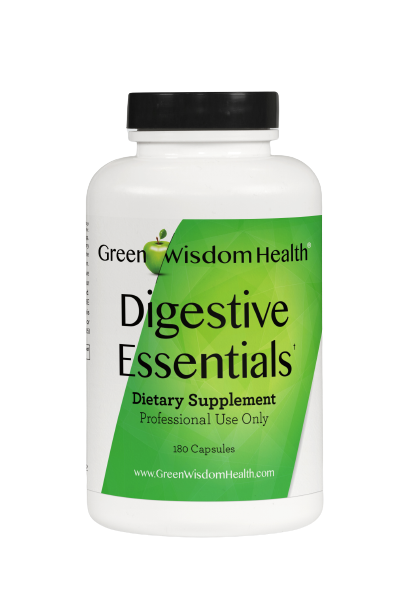
Green Wisdom Health Digestive Essentials 180-capsule bottle

I want digestive enzyme support

Digestive Essentials provides a blend of enzymes designed to support the digestion of proteins, fats and carbohydrates. Digestive enzymes are not appropriate for every cause of bloating or constipation and do not replace medical evaluation when symptoms are persistent, severe or worsening.

View Digestive Essentials

I want to explore possible food-related contributors

The FIT 132 evaluates immune responses involving 132 foods and additives and includes additional gut-barrier markers. It may provide useful information when food-related symptoms are suspected. Results should be interpreted alongside your symptoms, health history and medical care.

This test does not diagnose food allergy, celiac disease, or the cause of every digestive symptom.

View the FIT 132 Test

I am not sure where to begin

Green Wisdom Health’s Health Survey helps organize your symptoms, health history, medications, and current supplements so the available options can be considered in context.

Start with information rather than assumptions.

Start My Health Survey

Educational information only: This article does not provide a diagnosis or individualized medical treatment. Persistent, severe, worsening, or concerning digestive symptoms should be evaluated by an appropriate licensed healthcare professional.

Editorial Sources

Related Articles

Posted on — Leave a comment

Eczema: What You Need To Know

If you suffer from eczema, you probably know how uncomfortable and inconvenient the condition is.

Eczema is a common skin condition characterized by itchy, dry, and irritated skin. It typically starts during infancy or childhood but can persist into adulthood and it affects people of all ethnicities and ages. Complications of eczema may include:

  • Sleep troubles. Persistently itchy skin can cause difficulty getting a good night’s rest.
  • Skin infections. Frequent scratching of affected areas can leave the skin open to bacteria.
  • Thick scaly skin. Scratching causes skin to harden and thicken.
  • Asthma and hay fever. Eczema often leads to these upper respiratory conditions, especially in children younger than 12.

Eczema can appear anywhere but is normally seen on the arms, inner elbows, cheeks, and scalp.

Thankfully, the symptoms of eczema can be managed through simple home remedies and lifestyle changes.

What Causes Eczema?

The precise cause of eczema isn’t entirely known, however, research shows a few potential causes such as an overactive immune system, the inability to produce enough of a protein called filaggrin, which helps keep the skin moisturized and healthy, as well as poor gut health.

The gut-skin axis

When there is an imbalance in the gut or skin microbiome, it is known as dysbiosis. This can happen if there are too many bad species of bacteria in the gut, not enough good species or not enough diversity of species of bacteria in the system. In people with atopic dermatitis, which is a type of eczema, dysbiosis may play a role in the development of the disease.

Scientists believe that dysbiosis in the gut and on the skin may cause this. It may be that the immune system is detecting harmful levels of these bad microbes on the skin and so reacts to them. This may be why dysbiosis and eczema then create a cycle of inflammation that perpetuates symptoms.

Those who suffer with intestinal permeability, or leaky gut, may also experience eczema since they lack the beneficial species of bacteria that produce byproducts that help the intestinal barrier work more effectively.

External irritants

When the skin is exposed to an external or internal irritant, the immune system overreacts. These common eczema triggers include:

  • Chemicals or preservatives found in soaps or detergents
  • Scented products
  • Cigarette smoke
  • Allergies to pollen, dust, mold or mites
  • Rough and scratchy material such as wool
  • Synthetic fabrics
  • Temperature changes
  • Stress
  • Food allergies

Natural Treatments For Eczema 

During an eczema flare up, there are numerous natural remedies that can provide relief. Here are a few we recommend:

Coconut oil

Coconut oil contains fatty acids that help add moisture to the skin. It also is known to protect the skin by combating inflammation and strengthening the skin barrier. Studies have found the use of coconut oil for eight weeks improves eczema symptoms.

Using coconut oil is simple. Just apply -pressed or virgin coconut oil to the skin after bathing, once or twice a day.

Aloe Vera

Aloe Vera is another topical treatment that can be beneficial for soothing eczema symptoms. Studies have found it to be antibacterial, antimicrobial, immune-boosting, and wound-healing. These properties will help promote healing on eczema skin.

You should aim to find an aloe vera product with few ingredients — avoid preservatives, alcohol, fragrance and dyes which may further irritate the skin.

Colloidal oatmeal

Also known as avena sativa, it is made from oats that have been ground and boiled and is commonly used to treat irritated skin. Studies have found colloidal oatmeal to be highly efficacious at healing and soothing skin dryness, scaling, and itching.

Dietary changes and gut health assessment

Certain foods can cause inflammation in the body, which may in turn trigger an eczema flare-up. Making a few dietary changes can help prevent the occurrence of these flares.

Add anti-inflammatory foods into your diet, such as: fish, leafy greens, colorful fruits, turmeric and cinnamon.

Avoid inflammatory foods like dairy, eggs, soy, and wheat can be common triggers for eczema prone skin.

It is also highly recommended to get a thorough gut health assessment from a qualified practitioner – as mentioned earlier poor gut health is likely to be a trigger for eczema.

Vitamins and supplements

These can be useful for lowering inflammation and boosting the immune system. Common vitamins and supplements to manage eczema include:

  • Vitamin D, an immune strengthening vitamin.
  • Fish oil
  • Zinc
  • Selenium
  • Prebiotics and probiotics
  • Melatonin to ensure good sleep
  • Turmeric
  • Primrose oil

Reduce stress

Stress is another well-known trigger for eczema symptoms to flare up. Stress produces inflammation in the body, and inflammation underlies the condition. Try reducing stress through one or more of:

  • Deep breathing exercises
  • Yoga
  • Meditation
  • Listen to relaxing music
  • Ensure you get a good night’s sleep

Use gentle soaps and detergents

Laundry detergents, body washes, and soaps often contain harsh detergents and lathering agents that can dry out the skin of people with eczema among other harmful, hormone disrupting ingredients.

Be sure to use natural, gentle, no-lather cleansers that have no fragrance. Many people who suffer from eczema find that this helps their symptoms.

Eczema is a common skin condition that can vary in severity. While there is not currently a cure, you can treat and prevent eczema flares using natural home remedies and simple lifestyle changes. Avoiding irritants, minimizing stress and addressing the root cause of your symptoms will help keep your eczema at bay and allow you to live comfortably in your own skin.

For more information on dealing with eczema the natural way, don’t hesitate to reach out!

Sources:

Zagórska-Dziok M, Furman-Toczek D, Dudra-Jastrz?bska M, Zygo K, Stanis?awek A, Kapka-Skrzypczak L. Evaluation of clinical effectiveness of Aloe vera – a review. J Pre Clin Clin Res. 2017;11(1):86-93. doi:10.26444/jpccr/74577.

Reynertson KA, Garay M, Nebus J, Chon S, Kaur S, Mahmood K, Kizoulis M, Southall MD. Anti-inflammatory activities of colloidal oatmeal (Avena sativa) contribute to the effectiveness of oats in treatment of itch associated with dry, irritated skin. J Drugs Dermatol. 2015 Jan;14(1):43-8. PMID: 25607907.

Lambers H, Piessens S, Bloem A, Pronk H, Finkel P. Natural skin surface pH is on average below 5, which is beneficial for its resident flora. Int J Cosmet Sci. 2006 Oct;28(5):359-70. doi: 10.1111/j.1467-2494.2006.00344.x. PMID: 18489300.

Intahphuak S, Khonsung P, Panthong A. Anti-inflammatory, analgesic, and antipyretic activities of virgin coconut oil. Pharm Biol. 2010 Feb;48(2):151-7. doi: 10.3109/13880200903062614. PMID: 20645831.

Katta R, Schlichte M. Diet and dermatitis: food triggers. J Clin Aesthet Dermatol. 2014 Mar;7(3):30-6. PMID: 24688624; PMCID: PMC3970830.

Kim SO, Ah YM, Yu YM, Choi KH, Shin WG, Lee JY. Effects of probiotics for the treatment of atopic dermatitis: a meta-analysis of randomized controlled trials. Ann Allergy Asthma Immunol. 2014 Aug;113(2):217-26. doi: 10.1016/j.anai.2014.05.021. Epub 2014 Jun 20. PMID: 24954372.

Park H, Kim K. Association of Perceived Stress with Atopic Dermatitis in Adults: A Population-Based Study in Korea. Int J Environ Res Public Health. 2016 Jul 27;13(8):760. doi: 10.3390/ijerph13080760. PMID: 27472355; PMCID: PMC4997446.

https://www.ncbi.nlm.nih.gov/pmc/articles/PMC7916842/