
You are tired. You may feel cold when everyone else is comfortable, struggle to think clearly, notice changes in your weight, or feel as though your energy has simply disappeared.
So, you ask to have your thyroid checked.
Then you are told that your thyroid test is “normal”—but you still do not feel like yourself.
This experience can be frustrating, but it does not mean your symptoms are imaginary. It may mean that the first test answered only one part of a much larger question.
At Green Wisdom Health, we believe in a simple principle: Test, Don’t Guess. That does not mean ordering every test available. It means looking thoughtfully at your symptoms, health history, medications, supplements, and appropriate laboratory information before deciding what support may be useful.
What does a “normal thyroid test” usually mean?
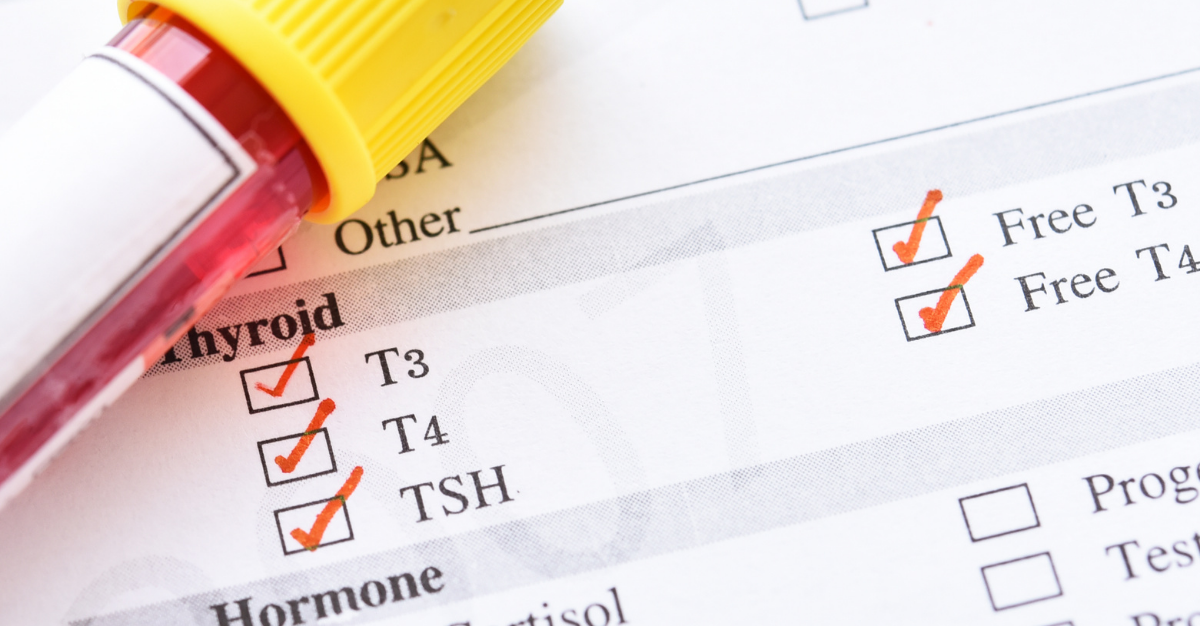
When someone says that a thyroid test was normal, they are often referring to thyroid-stimulating hormone, or TSH.
TSH is produced by the pituitary gland. It sends a signal telling the thyroid how much hormone to make. It is commonly used as the first screening test for thyroid function and provides important information.
Depending on the person’s symptoms, history, medications, and initial results, a healthcare professional may also consider tests such as free T4 or other thyroid-related markers. The appropriate tests are not the same for everyone, and laboratory results must be interpreted in context. Green Wisdom Health’s article Thyroid Symptoms, Tests and Complications offers additional background.
It is also important to remember that a result within a laboratory reference range does not explain every possible cause of fatigue. Fatigue is a broad symptom that can come from many different sources.
Fatigue is not exclusively a thyroid symptom
Fatigue is commonly associated with an underactive thyroid, but thyroid function is only one possible contributor. Similar symptoms can occur when other areas of the body are under strain. You can also review the distinctions between hyperthyroidism and hypothyroidism.
- Iron, vitamin B12, vitamin D, or other nutrient concerns
- Blood-sugar fluctuations
- Hormonal changes
- Poor sleep or sleep apnea
- Ongoing stress
- Certain medications
- Anemia
- Infection or inflammation
- Heart, liver, kidney, or other health conditions
This overlap is one reason symptoms alone cannot identify the cause. Two people may both feel exhausted but need very different evaluations and support.
A closer look begins with your complete health picture
A useful evaluation should begin with more than a single number. It should consider questions such as:
- When did the fatigue begin?
- Is it constant, or does it worsen at a particular time of day?
- Are you also experiencing cold sensitivity, constipation, dry skin, hair changes, mood changes, or unexplained weight changes?
- How well are you sleeping?
- Have your medications or supplements recently changed?
- Are you taking biotin, which can interfere with some thyroid laboratory tests?
- Have you experienced major stress, illness, dietary changes, or hormonal changes?
Your answers help determine which information may be relevant and which tests may—or may not—be appropriate.
Why medications and supplements matter
Always tell the professional interpreting your laboratory results about every prescription medication, over-the-counter medicine, vitamin, herb, and supplement you take.
Some products can affect thyroid hormone levels, interfere with thyroid medication, or alter laboratory results. Biotin is one well-known example: it can produce misleading results on certain thyroid tests.
Do not stop prescribed thyroid medication or change its dosage on your own. Medication decisions should be made with the licensed healthcare professional who prescribed it.
More testing is not automatically better testing
The goal is not to collect the largest possible list of laboratory markers. The goal is to ask the right questions and select information that may help clarify your individual situation.
For some people, that may mean reviewing TSH together with free T4. In other situations, a healthcare professional may consider additional thyroid testing or look beyond the thyroid entirely. Your symptoms, medical history, current treatment, and previous results should guide that decision.
That is the difference between simply ordering tests and using testing thoughtfully.
Where nutritional support may fit
The thyroid depends on adequate nutrition, but more of a nutrient is not always better. Iodine and selenium, for example, are involved in thyroid physiology, yet excessive intake can be harmful for some people.
This is why purchasing several individual “thyroid” supplements based only on symptoms can create unnecessary overlap or inappropriate dosing. Nutritional support should account for what you already take, your medications, relevant laboratory information, and your overall wellness plan. For more educational context, see Thyroid Facts and Follies.
A simpler way to organize personalized support
When nutritional support is appropriate, consistency matters. Complicated routines and numerous bottles can make even a well-designed plan difficult to follow.
Green Packs™ organize carefully selected professional-grade supplements into convenient daily packets. Each person’s pack is based on an individualized wellness plan designed around their individual needs. Green Packs are not intended to diagnose, treat, cure, or prevent thyroid disease, and they do not replace thyroid medication or medical care.
Because medications, supplements, and individual needs differ, Green Wisdom Health can help determine whether this type of support fits your situation.
Choose the next step that fits your goal
Some people are looking for straightforward nutritional support. Others want more laboratory information before making decisions. Green Wisdom Health offers a path for either goal.
I want nutritional support
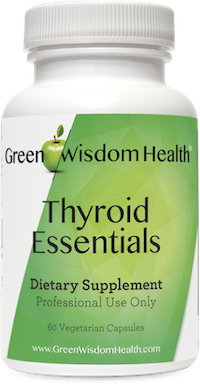
If you are looking for convenient nutritional support for healthy thyroid function, Thyroid Essentials offers a professionally formulated starting option. It is not a treatment for fatigue or thyroid disease, and it does not replace an evaluation, laboratory testing, or prescribed thyroid medication.
I want a more extensive laboratory picture
The Thyroid Hormones Extensive Lab Panel provides a broader collection of thyroid-related and supporting laboratory markers than a single screening test. Laboratory results should always be interpreted in the context of your symptoms, history, medications, supplements, and medical care.
I am not sure which path is appropriate
Begin with information rather than assumptions. Green Wisdom Health’s Health Survey helps organize your symptoms, history, medications, and current supplements so we can identify appropriate next steps.
Start with the Green Wisdom Health Survey
Tell us what you are experiencing, what you are currently taking, and what information you already have. We will help you determine the most sensible next step.
Important note
This information is provided for educational purposes and is not intended to diagnose, treat, cure, or prevent any disease. Persistent or worsening fatigue should be evaluated by a qualified healthcare professional. Seek prompt medical attention for symptoms such as chest pain, fainting, severe shortness of breath, confusion, a rapid or irregular heartbeat, or other urgent concerns.