Posted on Leave a comment

Healthy Glowing Skin Starts from Within

Healthy, glowing, wrinkle, and blemish-free skin is something we take for granted when we’re young, but as we age, retaining that youthful glow becomes more challenging. This is partly the result of the natural aging process, and partly due to accumulated exposure to environmental toxins. Add in stressors like poor diet and gut health, dehydration, UV rays, dry and cold air, and skin becomes noticeably duller and more damaged over time. However, rejuvenating your skin doesn’t have to be expensive or rely on invasive procedures. Below are five steps to achieve healthy, glowing skin naturally…because beautiful skin starts from within!

Stay hydrated

Most people know to put moisturizer on dry skin, but it’s equally important to hydrate the skin from within. Staying adequately hydrated affects every cell in your body, including your skin. Studies show that drinking enough water improves skin density and improves blood flow to skin. Here are some quick tips on staying hydrated:

  • Drink enough throughout the day. Although adequate amounts vary by individual, aim for about two to three liters a day.
  • If you have trouble remembering to drink your water, invest in an eco-friendly stainless steel bottle so it’s always with you even on the go.
  • Don’t like the taste of water? Adding a bit of lemon juice can also help make water more palatable (plus it adds a little antioxidant boost!)
  • Stay hydrated with fruit and vegetables! Including foods with high water content like leafy greens, strawberries and cucumbers also contribute to skin health.

Protect your gut health and eat a nutrient dense diet

Good skin is also linked to your gut. Many conditions, including acne, psoriasis, and eczema, can be linked to bacterial imbalances in the microbiome. How does this work? In simple terms, hormones greatly impact your skin, and they are metabolized in your gut. So, when your gut can’t do its job, you’re at risk of hormonal imbalances. Balance is also important with relation to the microbiome, and an overabundance of “bad” bacteria increases inflammation throughout your body, particularly on your body’s largest organ – your skin.

Restoring healthy bacterial balance reduces inflammation and helps to regulate hormones. Focus on whole, natural foods, and eliminate processed foods, in particular, foods high in trans fat, sweets, and fried foods. Also, alcohol can wreak havoc on your gut and lead to dehydration. Too much vino is not your best plan for healthy glowing skin!

Top skin and gut healthy inclusions:

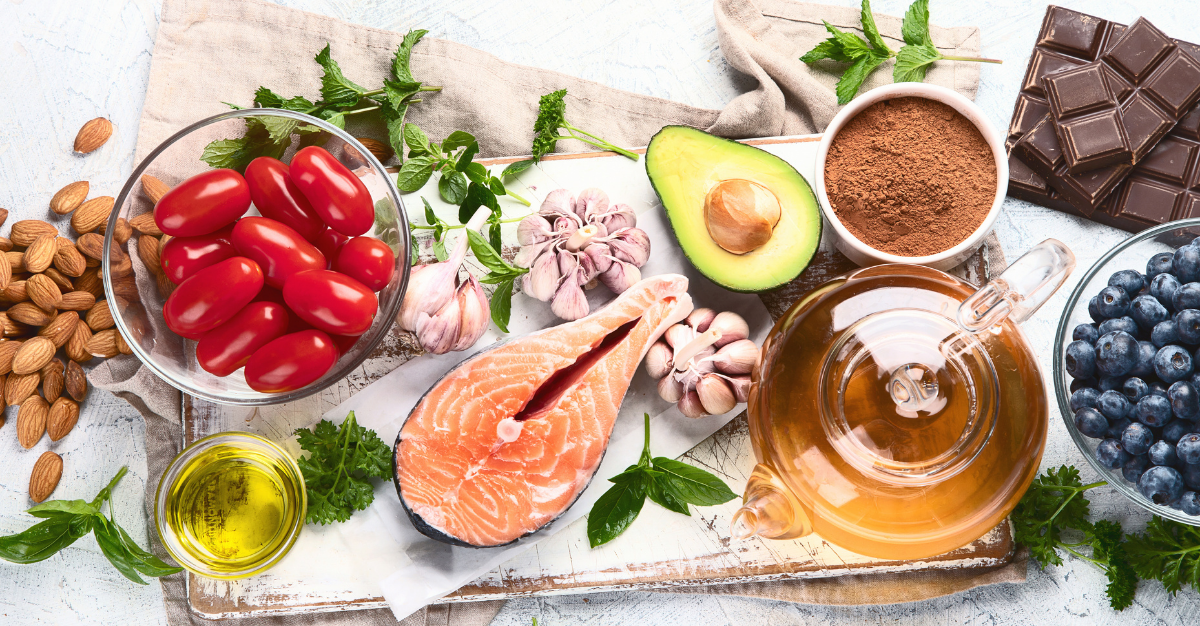
  • Foods high in omega-3 fatty acids like salmon, many kinds of nuts, and flax seeds. Omega-2 can help protect your skin from harmful UV rays. Healthy fats also contribute to smoother, more supple skin, according to research. 
  • Foods high in beta carotene, like sweet potatoes, carrots, and bell peppers, can help protect your skin from sun damage. Beta carotene is an antioxidant, which means it neutralizes damaging free radicals and reduces oxidative stress that leads to inflammation. Another carotenoid called lutein also contributes to skin health, and is found in brightly colored produce like broccoli and tomatoes. One interesting study of 800 women found women who ate a lot of green and yellow vegetables even had fewer wrinkles.
  • Foods high in vitamin C are associated with more youthful skin. It’s also needed to produce collagen, which is the protein that keeps your skin in good shape. Brightly colored fruits and vegetables, citrus fruits and leafy greens are full of beneficial vitamin C.
  • Be sure to also include probiotic-rich food and beverages like kefir, kombucha, tempeh, kimchi, and sauerkraut which add to the good bacteria that keep your microbiome in top shape.

Achieving a healthy gut starts with understanding your gut imbalances as well as removing food sensitivities, a common issue which can lead to further inflammation even when eating healthy foods. With proper functional testing we can determine what’s really going on in your gut and create a treatment plan unique to the needs of your body.  Ready to get to the root cause of your less than glowing and healthy skin? We can help!

Supplement with collagen

Collagen is an abundant protein found and made in the body. Repeated studies have found that collagen improves skin elasticity and reduces the appearance of wrinkles. As we age, our bodies naturally start to produce less collagen which becomes a major contributor to dry skin, loss of volume and wrinkles. Collagen can be sourced from animal products such as fish, chicken and beef bone broth, and can also be found in supplement form. Add collagen powder to your morning smoothie and never look back!

Gua Sha

This traditional chinese healing method uses a scraping tool on lubricated skin in certain fluid motions to help increase circulation. One study noted a decrease in blemishes after one week while another pilot study reported increased microcirculation to the areas treated. While not all “beauty treatments” deliver what they promise, the ancient technique of Gua Sha may be a healthy add on to your skin regimen!

Facial acupuncture

An easier, typically much cheaper alternative to injections, facial acupuncture offers a myriad of benefits with minimal side effects. It’s thought that acupuncture can improve circulation and stimulate collagen production, resulting in a brighter complexion and smoother skin. And, by improving circulation and detoxifying, acupuncture is also an effective treatment for acne, psoriasis, and eczema.

Create a skin-friendly lifestyle

Sleep and exercise both impact your skin. Moderate exercise increases blood flow and stimulates antioxidant production in a way that slows the aging process. The connection between skin health and sleep is not always apparent but there’s a reason we call it “beauty sleep.” Studies show that even one night of missed sleep can impact the quality of your skin.

Aim to get 7 – 8 hours of quality restful sleep each night and set aside time in your day for exercise to maintain youthful and glowing skin!

Start on the path to glowing skin the natural way, by addressing it from within. If you’d like to get started on a plan to look and feel your best, give us a call!

Sources:

Wipke-Tevis DD, Williams DA. Effect of oral hydration on skin microcirculation in healthy young and midlife and older adults. Wound Repair Regen. 2007 Mar-Apr;15(2):174-85. doi: 10.1111/j.1524-475X.2007.00202.x. PMID: 17352748.

Pilkington S.M., Rhodes L.E. (2010) Omega-3 Fatty Acids and Skin. In: Krutmann J., Humbert P. (eds) Nutrition for Healthy Skin. Springer, Berlin, Heidelberg. https://doi.org/10.1007/978-3-642-12264-4_9

Black HS, Rhodes LE. Potential Benefits of Omega-3 Fatty Acids in Non-Melanoma Skin Cancer. J Clin Med. 2016;5(2):23. Published 2016 Feb 4. doi:10.3390/jcm5020023

Nagata C, Nakamura K, Wada K, Oba S, Hayashi M, Takeda N, Yasuda K. Association of dietary fat, vegetables and antioxidant micronutrients with skin aging in Japanese women. Br J Nutr. 2010 May;103(10):1493-8. doi: 10.1017/S0007114509993461. Epub 2010 Jan 20. PMID: 20085665.

Proksch E, Segger D, Degwert J, Schunck M, Zague V, Oesser S. Oral supplementation of specific collagen peptides has beneficial effects on human skin physiology: a double-blind, placebo-controlled study. Skin Pharmacol Physiol. 2014;27(1):47-55. doi: 10.1159/000351376. Epub 2013 Aug 14. PMID: 23949208.

Crane JD, MacNeil LG, Lally JS, Ford RJ, Bujak AL, Brar IK, Kemp BE, Raha S, Steinberg GR, Tarnopolsky MA. Exercise-stimulated interleukin-15 is controlled by AMPK and regulates skin metabolism and aging. Aging Cell. 2015 Aug;14(4):625-34. doi: 10.1111/acel.12341. Epub 2015 Apr 22. PMID: 25902870; PMCID: PMC4531076.

Proksch E, Segger D, Degwert J, Schunck M, Zague V, Oesser S. Oral supplementation of specific collagen peptides has beneficial effects on human skin physiology: a double-blind, placebo-controlled study. Skin Pharmacol Physiol. 2014;27(1):47-55. doi: 10.1159/000351376. Epub 2013 Aug 14. PMID: 23949208.

Crane JD, MacNeil LG, Lally JS, Ford RJ, Bujak AL, Brar IK, Kemp BE, Raha S, Steinberg GR, Tarnopolsky MA. Exercise-stimulated interleukin-15 is controlled by AMPK and regulates skin metabolism and aging. Aging Cell. 2015 Aug;14(4):625-34. doi: 10.1111/acel.12341. Epub 2015 Apr 22. PMID: 25902870; PMCID: PMC4531076.

Tina Sundelin, MSc, Mats Lekander, PhD, Göran Kecklund, PhD, Eus J. W. Van Someren, PhD, Andreas Olsson, PhD, John Axelsson, PhD, Cues of Fatigue: Effects of Sleep Deprivation on Facial Appearance, Sleep, Volume 36, Issue 9, 1 September 2013, Pages 1355–1360, https://doi.org/10.5665/sleep.2964

Lam CT, Tse SH, Chan ST, Tam JK, Yuen JW. A survey on the prevalence and utilization characteristics of gua sha in the Hong Kong community. Complement Ther Med. 2015 Feb;23(1):46-54. doi: 10.1016/j.ctim.2014.12.002. Epub 2014 Dec 31. PMID: 25637152.

Nielsen A, Knoblauch NT, Dobos GJ, Michalsen A, Kaptchuk TJ. The effect of Gua Sha treatment on the microcirculation of surface tissue: a pilot study in healthy subjects. Explore (NY). 2007 Sep-Oct;3(5):456-66. doi: 10.1016/j.explore.2007.06.001. PMID: 17905355.
Posted on Leave a comment

Top 10 Ways to Boost Your Metabolism

If weight loss and a healthier lifestyle are at the top of your list of New Year’s resolutions, you’re not alone. Many people start out the new year vowing to drop some pounds – but not all succeed. This may be due to an under functioning metabolism – the rate at which we burn calories for energy – which directly correlates to weight gain and loss. The good news is that scientists have made a lot of advancements in our knowledge regarding metabolism, and tapping into those discoveries can put you on the road to success. According to current research, you’ll be more successful if you have a concrete plan that centers around a proactive approach to adding healthy habits to improve your metabolism, not depriving yourself.

Key Terms for Understanding Metabolism

In simple terms, your metabolism refers to the number of calories your body burns for energy. We know that when the body is efficiently burning calories, it also maintains a healthy weight and body composition. Your resting metabolic rate (RMR) is a measurement of how many calories you burn while at rest, without adding in additional exercise. The thermic effect of food is a reference to the increase in metabolic rate (the rate at which your body burns calories) that occurs after ingestion of food. When you eat food, your body must expend some energy (calories) to digest, absorb, and store the nutrients in the food you’ve eaten.

Many factors influence your metabolism overall and this includes your age, body, composition, gender, and even the food you consume. Although we all tend to blame a slowing metabolism in middle age on growing older, new research shows that it’s not so much the aging process (although that does play a role), but the lifestyle changes we tend to make in late adulthood are to blame for midlife weight gain.

Signs Your Metabolism May Need a Boost

Our metabolism impacts more than just our weight. Several other body systems are also impacted including our hormones.

If you are experiencing the following, it may be a sign that your metabolism is not functioning optimally:

  • Tiredness and fatigue
  • Struggle to lose weight – despite exercise
  • Cold hands and feet
  • Thinning hair
  • Low libido
  • Irregular periods
  • Poor sleep
  • Bloating, constipation and more

So what can we do to help speed up our metabolism and once again become an efficient calorie-burning machine? Read on for 10 easily implemented lifestyle changes that can boost your metabolism and help you reach your resolution goals for 2022.

10 Healthy Ways to Boost Your Metabolism

1 – Give your body the calories it needs.

It may seem counter-intuitive, but calorie restriction can slow down your RMR. Think of it this way: Your body wants to make sure you have the energy you need. When it senses you might not have enough caloric intake to support basic energy requirements, it adapts by requiring fewer calories for survival. That’s a big reason why although crash diets may result in short-term weight loss, many people can’t sustain their new lower weight very long.

2 – Spice up your meals.

Certain spices have thermogenic effects which means they can switch on your body’s heat-production systems, boosting your metabolism as you eat them, and afterwards. Spicy foods can have a more pronounced thermogenic effect, so increasing consumption of spicier foods, including cayenne pepper, ginger, and turmeric, can impact your metabolism.

3 – Focus on B vitamins.

The B vitamins serve many functions in the body, one of which is to help your body metabolize food, so it’s essential to get enough. Good sources of B vitamins include fruit and vegetables, such as bananas, spinach and peas, whole grains, legumes, eggs, and lean meats. Note that vitamin B12 is mostly available through animal sources, so vegans and vegetarians may want to investigate supplements. Proper testing and speaking with a natural healthcare practitioner can help determine if you have any nutrient deficiencies.

4 – Choose whole foods and plenty of protein.

Heavily processed and overly sweetened foods and beverages create an inflammatory response in the body that slows digestion, increases the production of harmful free radicals, raises insulin resistance, and ultimately slows your metabolism. Instead of processed foods, choose foods as close to their natural state as possible. In particular, quality sources of protein are important. The thermogenic effect of consuming protein is higher than that of carbohydrates or fat, and protein helps prevent muscle loss if losing weight.

5 – Add resistance training to your workout routine.

Because muscle is more metabolically active than fat, increasing the amount of muscle on your frame will raise your resting metabolic rate. A resistance training workout can also create an “afterburn” effect, in which you continue to burn a greater number of calories after the workout is over.

6 – Stay hydrated and choose your beverages wisely.

Making careful choices about what you drink can help keep your metabolism in check. Staying hydrated with water is important for maintaining a well functioning metabolism, as even mild dehydration may slow metabolism down. Some studies show that green and oolong tea consumption can boost your metabolic rate by as much as 5%. Coffee also has a similar thermogenic effect shortly after consumption.

7 – Get enough sleep.

Sleep has a surprisingly big impact on your metabolism, considering you’re not active when you’re asleep! Your body will find ways to conserve energy if you’re tired, and studies confirm that your RMR decreases after a night of inadequate sleep. Plus, when you’re tired, you’re more likely to make poor food choices, in part because sleep helps maintain a balance between the hunger hormone, ghrelin, and the fullness hormone, leptin.

8 – Reduce stress.

When you’re stressed, your body’s “fight or flight” response leads to increased production of the hormone cortisol. Once again, this is the body’s way of trying to conserve energy in stressful times, and, as a result, cortisol can lead to an increase of appetite. Insulin secretion also increases with higher cortisol levels. This made sense centuries ago, when resources were often scarce during times of stress, but in today’s world of modern conveniences, it often leads to weight gain. Of course, reducing stress isn’t always easy, but stress-reduction strategies like moderate exercise and meditation have proven results.

9 – Build in incidental movement to your days.

Moving more doesn’t have to mean formal workouts at the gym. Simply adding more incidental movement throughout the day improves your metabolism. Whether you’re cleaning your house, parking a bit further away from the store, using a standing desk at work, or taking the stairs instead of an elevator, you’re helping your metabolism in a way that fits with your daily life. Even fidgeting more can help improve your non-exercise activity thermogenesis (NEAT), which is the number of calories you burn aside from formal workouts. NEAT tends to slow down with age – we move less in regular life as we get older – so make a conscious effort to keep this on your radar as you age.

10 – Keeping a regular schedule for meals.

Skipping meals might seem like a good weight loss strategy, but ultimately, your body likes a regular schedule. As with low-calorie diets, skipping meals can trigger your body to conserve energy, which ultimately slows your metabolism.

Implement these healthy lifestyle changes and take control of your metabolism today! If you’d like some help finding the perfect balance for your unique needs with tailored recommendations, we’re here to help.

Sources:

Pesta DH, Samuel VT. A high-protein diet for reducing body fat: mechanisms and possible caveats. Nutr Metab (Lond). 2014;11(1):53. Published 2014 Nov 19. doi:10.1186/1743-7075-11-53

Hursel R, Westerterp-Plantenga MS. Thermogenic ingredients and body weight regulation. Int J Obes (Lond). 2010 Apr;34(4):659-69. doi: 10.1038/ijo.2009.299. Epub 2010 Feb 9. PMID: 20142827

Dulloo AG, Geissler CA, Horton T, Collins A, Miller DS. Normal caffeine consumption: influence on thermogenesis and daily energy expenditure in lean and postobese human volunteers. Am J Clin Nutr. 1989 Jan;49(1):44-50. doi: 10.1093/ajcn/49.1.44. PMID: 2912010.

Boschmann M, Steiniger J, Hille U, Tank J, Adams F, Sharma AM, Klaus S, Luft FC, Jordan J. Water-induced thermogenesis. J Clin Endocrinol Metab. 2003 Dec;88(12):6015-9. doi: 10.1210/jc.2003-030780. PMID: 14671205.

Bacaro V, Ballesio A, Cerolini S, Vacca M, Poggiogalle E, Donini LM, Lucidi F, Lombardo C. Sleep duration and obesity in adulthood: An updated systematic review and meta-analysis. Obes Res Clin Pract. 2020 Jul-Aug;14(4):301-309. doi: 10.1016/j.orcp.2020.03.004. Epub 2020 Jun 8. PMID: 32527625.

Kiecolt-Glaser JK, Habash DL, Fagundes CP, et al. Daily stressors, past depression, and metabolic responses to high-fat meals: a novel path to obesity. Biol Psychiatry. 2015;77(7):653-660. doi:10.1016/j.biopsych.2014.05.018

Van Pelt RE, Jones PP, Davy KP, Desouza CA, Tanaka H, Davy BM, Seals DR. Regular exercise and the age-related decline in resting metabolic rate in women. J Clin Endocrinol Metab. 1997 Oct;82(10):3208-12. doi: 10.1210/jcem.82.10.4268. PMID: 9329340

Yamamoto R, Tomi R, Shinzawa M, et al. Associations of Skipping Breakfast, Lunch, and Dinner with Weight Gain and Overweight/Obesity in University Students: A Retrospective Cohort Study. Nutrients. 2021;13(1):271. Published 2021 Jan 19. doi:10.3390/nu13010271

Posted on Leave a comment

End Heartburn and GERD the Natural Way

Play

Heartburn, indigestion, and GERD plague many people, and these conditions can have several causes. One of the most common causes is poor digestion. Fortunately, there are many things you can do to help support digestion like testing for food sensitivities, taking digestive enzymes with each meal, cutting out gluten, etc. In this week’s show, we’ll discuss how to end heartburn and GERD the natural way through the use of supplements and diet changes.

Products Mentioned in Today’s Show:

Digest Ease – Digest Ease is a cinnamon flavored chewable tablet containing DGL (deglycyrrhizinated licorice root and rhizome extract) and mastic gum to support healthy digestion and gastrointestinal function. This product may help alleviate gastrointestinal discomfort associated with occasional indigestion.

SBI SporeBacillus spores remain dormant in harsh environments until they reach more favorable environments like the human gastrointestinal tract. The combination of specific strains, particularly Bacillus coagulansBacillus clausii, and Bacillus subtilis, may help relieve symptoms for common GI complaints and reinforce healthy gut function.

Probio 100 – Probio 100 is a high-dose probiotic delivering 100 billion active cultures for cases of gastrointestinal and immune distress.

You can also listen to End Heartburn and GERD the Natural Way on our YouTube channel here.

Posted on Leave a comment

Health and Wellness Headlines for January 5

Top 10 NutritionFacts.org Videos of 2021

Story from NutritionFacts.org. Originally posted on January 4, 2022, 7:00 am.

NutritionFacts.org arises from my annual review of the medical literature. With the help of a team of hundreds of volunteers, we churned th… Read the full story on NutritionFacts.org.


Is It the Sugar, the Milk, or the Cocoa in Chocolate Causing Acne?

Story from NutritionFacts.org. Originally posted on December 30, 2021, 7:00 am.

Is the link between chocolate and acne due to the sugar, the milk, or the cocoa in chocolate? Researchers put white chocolate, dark chocolat… Read the full story on NutritionFacts.org.


Thank You for Your Support

Story from NutritionFacts.org. Originally posted on December 28, 2021, 7:00 am.

Thanks to your generosity, we have almost hit our goal! Without your support, I wouldn’t be able to spend my days digging into all of … Read the full story on NutritionFacts.org.


Does Chocolate Cause Acne? 

Story from NutritionFacts.org. Originally posted on December 23, 2021, 7:00 am.

What are the effects of dairy products, sugar, and chocolate on the formation of pimples? Acne affects nearly one in ten people globally, ??… Read the full story on NutritionFacts.org.


Dining by Traffic Light: Green Is for Go, Red Is for Stop

Story from NutritionFacts.org. Originally posted on December 21, 2021, 7:00 am.

In this article, I explain my traffic light system for ranking the relative healthfulness of Green Light vs. Yellow Light vs. Red Light food… Read the full story on NutritionFacts.org.


Support NutritionFacts.org — Fill the Carrot

Story from NutritionFacts.org. Originally posted on December 16, 2021, 7:00 am.

Today is the start of our annual end-of-year fundraising drive. More than half of our entire annual operating budget is raised around these … Read the full story on NutritionFacts.org.

Posted on Leave a comment

Health and Wellness Headlines for December 29

Thank You for Your Support

Story from NutritionFacts.org. Originally posted on December 28, 2021, 7:00 am.

Thanks to your generosity, we have almost hit our goal! Without your support, I wouldn’t be able to spend my days digging into all of … Read the full story on NutritionFacts.org.


Does Chocolate Cause Acne? 

Story from NutritionFacts.org. Originally posted on December 23, 2021, 7:00 am.

What are the effects of dairy products, sugar, and chocolate on the formation of pimples? Acne affects nearly one in ten people globally, ??… Read the full story on NutritionFacts.org.


Dining by Traffic Light: Green Is for Go, Red Is for Stop

Story from NutritionFacts.org. Originally posted on December 21, 2021, 7:00 am.

In this article, I explain my traffic light system for ranking the relative healthfulness of Green Light vs. Yellow Light vs. Red Light food… Read the full story on NutritionFacts.org.


Support NutritionFacts.org — Fill the Carrot

Story from NutritionFacts.org. Originally posted on December 16, 2021, 7:00 am.

Today is the start of our annual end-of-year fundraising drive. More than half of our entire annual operating budget is raised around these … Read the full story on NutritionFacts.org.


How to Balance the Risks and Benefits of Mammograms

Story from NutritionFacts.org. Originally posted on December 14, 2021, 7:00 am.

Fact boxes can quantify benefits and harms in a clear and accessible format.  When it comes to cancer screening, doctors “have too often … Read the full story on NutritionFacts.org.


Doctors Tested for Basic Understanding of Mammogram Math

Story from NutritionFacts.org. Originally posted on December 9, 2021, 7:00 am.

If doctors don’t understand health statistics, how can they possibly properly counsel patients?  “In these mammography wars, rational t… Read the full story on NutritionFacts.org.

Posted on Leave a comment

Health and Wellness Headlines for December 22

Dining by Traffic Light: Green Is for Go, Red Is for Stop

Story from NutritionFacts.org. Originally posted on December 21, 2021, 7:00 am.

In this article, I explain my traffic light system for ranking the relative healthfulness of Green Light vs. Yellow Light vs. Red Light food… Read the full story on NutritionFacts.org.


Support NutritionFacts.org — Fill the Carrot

Story from NutritionFacts.org. Originally posted on December 16, 2021, 7:00 am.

Today is the start of our annual end-of-year fundraising drive. More than half of our entire annual operating budget is raised around these … Read the full story on NutritionFacts.org.


How to Balance the Risks and Benefits of Mammograms

Story from NutritionFacts.org. Originally posted on December 14, 2021, 7:00 am.

Fact boxes can quantify benefits and harms in a clear and accessible format.  When it comes to cancer screening, doctors “have too often … Read the full story on NutritionFacts.org.


Doctors Tested for Basic Understanding of Mammogram Math

Story from NutritionFacts.org. Originally posted on December 9, 2021, 7:00 am.

If doctors don’t understand health statistics, how can they possibly properly counsel patients?  “In these mammography wars, rational t… Read the full story on NutritionFacts.org.


Breast Cancer Can Grow and Spread for Decades Before “Early” Detection

Story from NutritionFacts.org. Originally posted on December 7, 2021, 7:00 am.

“Early” detection is actually really late. Without mammograms, breast cancer may not be caught for an average of 22.8 years. With mammog… Read the full story on NutritionFacts.org.


Learn More Than 97% of Doctors About Lead-Time Bias

Story from NutritionFacts.org. Originally posted on December 2, 2021, 7:00 am.

After reading this, you’ll know more than an estimated 97 percent of doctors about a critical concept called lead-time bias.  While runni… Read the full story on NutritionFacts.org.

Posted on Leave a comment

Anti-Aging Effects of Collagen

Microphone and computer; rev up your metabolism.
Play

We often get questions about the differences between types of collagen, what brands are the best, what the actual benefits are, etc. In this week’s episode we brought back our special guest, Casey, who is going to answer some of these questions and explain the anti-aging effects of collagen, as well as some of the other benefits. He will also explain why our Collagen Ultra Powder is a better choice than many collagen products on store shelves.

Products Mentioned in Today’s Show

Collagen Ultra Powder – Collagen Ultra contains FORTIGEL® which has been shown in human studies to stimulate collagen regeneration, type II collagen and aggrecan, which all help to maintain healthy connective tissue.1-3 Most therapies simply block joint pain and connective tissue discomfort from exercise, and in doing so inhibit the regeneration and elongation of specific precursors, such as polysaccharides, and deplete nutrients such as vitamin C and magnesium that maintain joint and connective tissue health. FORTIGEL®, TendoActive® and Mobilee® protect and preserve cartilage, tendons, ligaments, intervertebral discs, and fascia. These three clinically studied ingredients support the natural healing process and maintain the structure of connective tissues.

Hair, Skin, and Nails – Hair, Skin, and Nails provides several essential vitamins, minerals, and phytonutrients needed to support healthy skin, hair and nails. This formulation provides betaine HCL, which helps to promote efficient digestion and assimilation of protein and minerals necessary for hair and nail health. It includes MSM, which provides a bioavailable source of sulfur, for connective tissue integrity. Saw palmetto is added to support normal levels of DHT, known to play a role in the thickness and health of hair. In addition, silica (from horsetail grass extract) is included for its collagen enhancing properties. Each serving contains 325 mg MSM, 100 mg betaine HCl and 240 mg saw palmetto. Added support from vitamin A, D3, folic acid, B12, biotin and selenium provide a full spectrum of skin, hair and nail support.

You can also listen to Anti-Aging Effects of Collagen on our YouTube channel here.

Posted on Leave a comment

Health and Wellness Headlines for December 15

How to Balance the Risks and Benefits of Mammograms

Story from NutritionFacts.org. Originally posted on December 14, 2021, 7:00 am.

Fact boxes can quantify benefits and harms in a clear and accessible format.  When it comes to cancer screening, doctors “have too often … Read the full story on NutritionFacts.org.


Doctors Tested for Basic Understanding of Mammogram Math

Story from NutritionFacts.org. Originally posted on December 9, 2021, 7:00 am.

If doctors don’t understand health statistics, how can they possibly properly counsel patients?  “In these mammography wars, rational t… Read the full story on NutritionFacts.org.


Breast Cancer Can Grow and Spread for Decades Before “Early” Detection

Story from NutritionFacts.org. Originally posted on December 7, 2021, 7:00 am.

“Early” detection is actually really late. Without mammograms, breast cancer may not be caught for an average of 22.8 years. With mammog… Read the full story on NutritionFacts.org.


Learn More Than 97% of Doctors About Lead-Time Bias

Story from NutritionFacts.org. Originally posted on December 2, 2021, 7:00 am.

After reading this, you’ll know more than an estimated 97 percent of doctors about a critical concept called lead-time bias.  While runni… Read the full story on NutritionFacts.org.


Does Laptop Wi-Fi Affect Fertility?

Story from NutritionFacts.org. Originally posted on November 30, 2021, 7:00 am.

Should laptops not be on laps? What is the effect of WiFi exposure on sperm motility and DNA damage? “It is impossible to imagine a [&#823… Read the full story on NutritionFacts.org.


Free Recipe for a Great Fall Meal and New Volume of Videos

Story from NutritionFacts.org. Originally posted on November 25, 2021, 7:00 am.

My new volume of videos—the 56th, if you can believe it!—is out now. In it, I discuss leaky gut, inflammation, the potato series I prese… Read the full story on NutritionFacts.org.

Posted on Leave a comment

Heartburn and GERD: Get Right to The Cause and Feel Better

Heartburn and GERD can be extremely frustrating to deal with. Both are painful and debilitating, and always carry some anxiety since the symptoms can resemble a cardiac event. To further complicate matters, many traditional “cures” carry their own serious risks to health – and they can actually make things worse!

But rest easy. We’ve got your back. Keep reading to learn how to end heartburn and GERD the natural way

What Is Heartburn And GERD?

Despite its name, heartburn has nothing to do with your heart, but it certainly feels like it sometimes. The prime symptom of heartburn is a burning pain in the chest that typically starts after eating or drinking, and worsens when you lie down. It can also be accompanied by an unpleasant taste in your mouth and difficulty swallowing. Heartburn is caused by acid reflux, which happens when acid from your stomach flows into your esophagus. The resulting pain is because the lining of the esophagus is far more sensitive than your stomach lining. When acid reflux becomes a chronic condition, it’s called gastroesophageal reflux disease (GERD).

In addition to the uncomfortable and worrisome symptoms, GERD and heartburn can have serious health consequences, including an increased risk of esophageal cancer and esophagitis. There is also a correlation between GERD and irritable bowel syndrome (IBS) – more on that below.

Note: If you have severe chest pain and other signs of a heart attack, like arm or jaw pain or shortness of breath, get immediate medical help. It’s always better to be safe than sorry.

The Root Causes Of Heartburn And GERD

Given the definitions above, it would be easy to assume the cause of heartburn and GERD is an excess stomach acid. However, these contradictory stats suggest otherwise.

  • Heartburn and GERD are increasingly common with age.
  • We produce less stomach acid as we age.

However, the typical approach to addressing heartburn and GERD is to slow the production of stomach acid. No wonder those treatments are often ineffective – they don’t address the root cause, and only mask the symptoms – temporarily!

In fact, they can make a bad situation worse. Over-the-counter antacids such as Tums or Maalox can cause constipation, for example. Other treatments such as proton pump inhibitors can impact the balance of bacteria in your gut, with far-reaching effects, with long-term use.

So, what causes heartburn and GERD? It’s helpful to take a step back. Because the esophagus is sensitive, any amount of acid can be harmful. That’s why the lower esophageal valve (LES) acts as a one-way “gate” that allows food and liquids to go into the stomach, but that keeps stomach acid from escaping into the esophagus. With this in mind, it makes sense that the root cause isn’t necessarily an excess of acid that must be somehow stopped, but a malfunction of the LES.

Several things can cause the LES to perform ineffectively, including:

  • Overeating
  • Obesity
  • Lying down after eating
  • Bending over with a full stomach

Most people with heartburn and GERD notice the impact of those things on their symptoms, and it certainly makes sense that abdominal pressure would cause the stomach contents to travel backwards into the esophagus. However, a vital element is often missing – the role of gut bacteria. Research shows that a bacterial imbalance in the intestine produces enough gas to create the same kind of pressure as the factors above, which pushes stomach acid into the esophagus. The role of bacteria also explains the correlation between GERD and IBS, since IBS is also the result of gut bacteria imbalances.

This bacterial overgrowth is triggered by maldigestion of carbohydrates. Somewhat ironically, reduced stomach acid contributes to further bacterial overgrowth. The resulting gas leads to a malfunction of the LES, so acid escapes the stomach into the esophagus.

This dynamic highlights the difficulties with proton pump inhibitors as a treatment for GERD. If they create bacterial overgrowth, ultimately, they contribute to an increase, not a decrease, in GERD.In other words, the treatment only makes the disease worse in the long run.

Stop GERD And Heartburn By Addressing The True Cause

As mentioned, many conventional treatments can make matters worse and act as a band-aid solution at best. A better approach is to get to the root of the problem: bacterial overgrowth caused in part by a shortage of stomach acid. The following steps may help.

1 – Aim for a diet that prevents bacteria overgrowth and protects stomach acid

The food you consume plays a big role in your bacteria balance. Some studies have found that a low-carb diet slows the growth of “bad” bacteria in the gut, and consequently reduces symptoms. Some strategies include:

  • Focus on complex carbohydrates like sweet potatoes and oats when you do eat carbs.
  • Avoid overly processed foods marketed as “low carb”
  • Eliminate artificial sweeteners and reduce fructose consumption.
  • Avoid foods extremely high in fiber, as they can contribute to increased gas
  • Follow a low FODMAP diet. FODMAPs are a type of carb that some people can’t digest efficiently.

2 – Restore a healthy level of stomach acid

Testing your stomach acid levels is a good first step – a natural health practitioner can help with that! From there, we can work together to increase acid production if necessary. Some ways to increase stomach acid production include:

  • Tiny doses of bitter herbs, including dandelion root, ginger, gentian root, ginger, milk thistle, and carraway.
  • Apple cider vinegar, lemon juice, and unpasteurized honey.
  • Hydrochloric acid supplements. (These are best used under supervision as it takes some testing to get the right dose.)    
  • Lifestyle changes such as avoiding drinking too much water with meals, which can dilute stomach acid.

3 – Restore beneficial gut bacteria and gut lining

The end goal is to bring bacterial balance back to your digestive system. Probiotic supplements can help restore good bacteria, but fermented foods and drinks are an even better option since they contain other beneficial nutrients. That includes items like kefir, yogurt, kimchi, sauerkraut, tempeh and kombucha (but be aware of the sugar content in your kombucha!)

It’s also important to protect the lining of your stomach. Certain medications like steroids, aspirin and ibuprofen can irritate the gut lining. Stress can also damage your stomach lining, so stress reduction strategies are always a good idea.

Don’t let the pain of heartburn and GERD hold you back, call us if you want to get to the root cause. Together, we can create a tailored plan to end the discomfort of heartburn and GERD for good.

Sources:

Greenwald DA. Aging, the gastrointestinal tract, and risk of acid-related disease. Am J Med. 2004 Sep 6;117 Suppl 5A:8S-13S. doi: 10.1016/j.amjmed.2004.07.019. PMID: 15478847.

Krasinski SD, Russell RM, Samloff IM, Jacob RA, Dallal GE, McGandy RB, Hartz SC. Fundic atrophic gastritis in an elderly population. Effect on hemoglobin and several serum nutritional indicators. J Am Geriatr Soc. 1986 Nov;34(11):800-6. doi: 10.1111/j.1532-5415.1986.tb03985.x. PMID: 3771980.

Jaynes M, Kumar AB. The risks of long-term use of proton pump inhibitors: a critical review. Ther Adv Drug Saf. 2018;10:2042098618809927. Published 2018 Nov 19. doi:10.1177/2042098618809927

Mayo Clinic, Proton Pump Inhibitors Decrease Diversity in Gut Microbiome, Increase Risk for Complications

Seto, Charlie & Jeraldo, Patricio & Orenstein, Robert & Chia, Nicholas & DiBaise, John. (2014). Prolonged use of a proton pump inhibitor reduces microbial diversity: Implications for Clostridium difficile susceptibility. Microbiome. 2. 42. 10.1186/2049-2618-2-42.

Piche T, des Varannes SB, Sacher-Huvelin S, Holst JJ, Cuber JC, Galmiche JP. Colonic fermentation influences lower esophageal sphincter function in gastroesophageal reflux disease. Gastroenterology. 2003 Apr;124(4):894-902. doi:10.1053/gast.2003.50159

Pimentel, Mark M.D., F.R.C.P.C; Rossi, Federico M.D.; Chow, Evelyn J. B.A.; Ofman, Joshua M.D., M.P.H.; Fullerton, Steven M.D.; Hassard, Phillip M.D., F.R.C.P.C; Lin, Henry C. M.D. Increased Prevalence of Irritable Bowel Syndrome in Patients With Gastroesophageal Reflux, Journal of Clinical Gastroenterology: March 2002 – Volume 34 – Issue 3 – p 221-224

Yancy WS Jr, Provenzale D, Westman EC. Improvement of gastroesophageal reflux disease after initiation of a low-carbohydrate diet: five brief case reports. Altern Ther Health Med. 2001 Nov-Dec;7(6):120, 116-9. PMID: 11712463.

Barrett JS, Canale KE, Gearry RB, Irving PM, Gibson PR. Probiotic effects on intestinal fermentation patterns in patients with irritable bowel syndrome. World J Gastroenterol. 2008 Aug 28;14(32):5020-4. doi: 10.3748/wjg.14.5020. PMID: 18763284; PMCID: PMC2742929.

Posted on Leave a comment

Have a Healthy, Happy Holiday Season This Year

‘Tis the season for joy, togetherness, and celebration – but also stress. Despite the festive, happy images we are bombarded with in the media, many people find the holidays a difficult time. Financial pressures, loneliness, shorter and darker days are just some of the factors that contribute to a rise in depression and anxiety during the holidays. Plus, this year may be particularly challenging as we continue to wrestle with the stresses of the pandemic. To make matters worse, those negative feelings are often exacerbated by the unhealthy habits so common during the holidays, like increased alcohol consumption, poor food choices, and overscheduling.

Make this Holiday Season Different

Start taking steps now to prevent holiday stress by prioritizing your health and well-being.  Eating well, enjoying the company of friends and loved ones, and practicing self-care strategies that work for you can all help bring the holiday season back to its true meaning: a time of joy.

Here are some of our top strategies to enjoy a happy, healthy and stress-free holiday season this year:

1 – Delegate and be selective with activities.

It’s easy to fall into the trap of thinking that you have to do everything on your own for a picture-perfect holiday season. Letting go of that expectation can actually lead to greater enjoyment and less stress, so don’t be afraid to ask others to contribute to big meals, encourage a healthy potluck style dinner, and turn down a social invitation that doesn’t excite you. Setting healthy boundaries with your time and energy is important!

2 – Shop wisely.

Financial pressure is one of the top stressors at this time of year. Making a budget at the onset can help keep spending in check. Always remember that personal, meaningful gifts don’t have to be pricey – and are often more appreciated!

WIth supply chain difficulties and many shortages of goods predicted for this winter, shopping locally can also alleviate stress. Plus, you’ll have the satisfaction of supporting a small business owner. 

3 – Stick to your sleep schedule.

The relationship between stress and sleep goes two ways. When you’re stressed, it’s more difficult to sleep, and when you’re not getting enough sleep, you’re more likely to feel stressed. When we’re staying up later or missing sleep, we are not at our best – studies show it takes up to four days to recover from just one hour of missed sleep! Practice good sleep hygiene, including keeping regular hours, staying away from screens before bedtime, sleeping in a cooler room and limiting alcohol consumption to at least 2 hours before heading to bed.

4 – Build movement into your schedule.

Exercise is a proven way to reduce the harmful effects of stress on your body, but when you’re busy and stressed, it can be hard to fit it in. If exercise is part of your daily routine, don’t let the busy-ness of the holiday season get in the way!

Consciously blocking out time for fitness regardless of what you have to do that day, and prioritizing that time helps. So does combining movement with holiday social events, whether that means going for a walk together, planning a snowshoe party, or heading to a skating rink.

5 – Include nutrient dense foods and practice mindful eating.

It’s not surprising that studies find that many adults gain weight over the holidays, but you might be surprised to learn that even adults who plan to lose weight often end up gaining instead. Keep your expectations realistic and focus on eating mindfully, enjoying everything in moderation. Here are some tips for eating more mindfully:

  • People often skip meals over the holidays, thinking that they’re compensating for indulging later, however, they end up eating more during their holiday events. A better strategy is to have healthy, satisfying food with plenty of protein, healthy fats and fiber before an event to stay on a regular eating schedule and prevent over-indulging.
  • Throughout your meals, allow some time between bites so your brain can more accurately measure when you’re full.
  • When you are faced with a lot of treats, retain a mindful approach. Choose the treats you really enjoy, and savor them slowly.

Making smart food choices during the holiday season with plenty of nutrient-dense foods can also support your immune system to help prevent illness (and nobody wants to be sick right now!) Fresh produce, particularly brightly colored vegetables and citrus fruits, are high in vitamin C, which supports immunity. And foods high in antioxidants reduce inflammation, so focus on fruits, vegetables, nuts,and legumes.

6 – Don’t forget to take care of your gut health.

The stress, potential depression, and sugary diets that many people face at this time of the year create an unfortunate trifecta leading to poor gut health. To protect your gut microbiome, focus on a wide variety of natural foods high in fiber. Fermented foods and drinks like yogurt, sauerkraut, kefir, and kombucha also help maintain a beneficial balance of bacteria because they are high in the beneficial bacteria lactobacilli.

7 – Limit alcohol.

Another factor affecting gut health and immune health is alcohol. Studies show that alcohol consumption doubles during the holidays. Bear in mind that binge drinking carries many health risks, even if you’re not a heavy drinker over the rest of the year. Plus, excess alcohol consumption can sap your energy and contribute to depression. Raise a glass for special occasions, but be mindful of what you drink. Kombucha, mocktails and sparkling water with fruit are excellent festive substitutes.

8 – Practice gratitude and focus on the good.

Sometimes, we all need to slow down and recognize the good in our lives. Practicing gratitude is a proven way to improve your mental well-being, and can be as easy as taking a moment to thank people for simple acts. Some studies have connected a “gratitude journal,” in which participants recorded the things they were grateful for, with improved mental health and reduced depression. As this becomes a habit, you’ll start to notice the good around you more often, in essence shifting the way you view the world for the better.

Make this holiday season the best ever – we all deserve it! Reach out if you’d like to learn more about creating healthy habits for the holidays.

Sources:

Lending Tree, 61% of Americans Are Dreading the Holidays Due to Spending, by Jacqueline Demarco

YouGov, Many Americans are Anticipating a Lonely Holiday Season, .by Jamie Ballard

National Alliance and Mental Illness, Mental Health and Holiday Blues

Suchecki D, Tiba PA, Machado RB. REM Sleep Rebound as an Adaptive Response to Stressful Situations. Front Neurol. 2012 Apr 2;3:41. doi: 10.3389/fneur.2012.00041. PMID: 22485105; PMCID: PMC3317042.

Madison A, Kiecolt-Glaser JK. Stress, depression, diet, and the gut microbiota: human-bacteria interactions at the core of psychoneuroimmunology and nutrition. Curr Opin Behav Sci. 2019;28:105-110. doi:10.1016/j.cobeha.2019.01.01

Beverage Daily, Americans Double Their Drinking During the Holidays, by Beth Newhart

Cunha LF, Pellanda LC, Reppold CT. Positive Psychology and Gratitude Interventions: A Randomized Clinical Trial. Front Psychol. 2019;10:584. Published 2019 Mar 21. doi:10.3389/fpsyg.2019.00584