Posted on Leave a comment

Myocarditis and Pericarditis Signs and Symptoms

Microphone and computer; rev up your metabolism.
Play

Myocarditis is a serious condition in which the middle layer of the heart wall becomes inflamed. Pericarditis is also a serious condition in which the pericardium (a thin, sac-like membrane surrounding the heart) becomes swollen and irritated. In this week’s show we’ll discuss some of the myocarditis and pericarditis signs and symptoms. However, if you suspect you have either of these conditions seek immediate medical attention as these conditions can be life-threatening. We’ll also go over some of the basics of heart health, and some supplements and lifestyle changes that may help support heart health.

Products Mentioned in Today’s Show

D3 + K2 Ultra – Clinical research suggests that the combination of vitamin D3 plus K2 together help provide support for healthy cardiovascular function, bone health, and immune system function.

Nattokinase – Nattokinase is a powerful enzyme used to support normal blood flow, circulation, and maintain normal ranged blood pressure levels.

Co-Q10 300mg – The antioxidant CoQ-10 helps to support cellular energy production and provide wide-ranging cardiovascular support.

You can also listen to Myocarditis and Pericarditis Signs and Symptoms on our YouTube channel here.

Posted on Leave a comment

Health and Wellness Headlines for November 10

Galangin ameliorates Imiquimod-Induced psoriasis-like skin inflammation.

Story from GreenMedInfo. Originally posted on November 9, 2021, 6:49 pm.

PMID:  Int Immunopharmacol. 2021 Jul ;96:107754. Epub 2021 May 24. PMID: 34162135 Abstract Title:  Galangin ameliorates Imiquimod-Induced … Read the full story on GreenMedInfo.


A comprehensive review on chemotherapeutic potential of galangin

Story from GreenMedInfo. Originally posted on November 9, 2021, 6:32 pm.

PMID:  Biomed Pharmacother. 2021 Sep ;141:111808. Epub 2021 Jun 24. PMID: 34175820 Abstract Title:  A comprehensive review on chemotherape… Read the full story on GreenMedInfo.


Big Bird, CNN Push Vaccine Propaganda on Kids

Story from GreenMedInfo. Originally posted on November 9, 2021, 5:24 pm.

A tweet showing Sesame Street’s Big Bird getting the COVID vaccine elicited strong criticism from elected officials and media pundits who ac… Read the full story on GreenMedInfo.


Big Bird, CNN Push Vaccine Propaganda on Kids

Story from GreenMedInfo. Originally posted on November 9, 2021, 5:21 pm.

Originally published on www.childrenshealthdefense.org by Jeremy Loffredo A tweet showing Sesame Street’s Big Bird getting the COVID va… Read the full story on GreenMedInfo.


Galangin mitigates iron overload-triggered liver injury.

Story from GreenMedInfo. Originally posted on November 9, 2021, 5:13 pm.

PMID:  Life Sci. 2021 Oct 15 ;283:119856. Epub 2021 Jul 27. PMID: 34329667 Abstract Title:  Galangin mitigates iron overload-triggered liv… Read the full story on GreenMedInfo.


Galangin enhances autophagy by inhibiting NF-?B pathway in gastric cancer MGC-803 cells.

Story from GreenMedInfo. Originally posted on November 9, 2021, 5:00 pm.

PMID:  Zhongguo Zhong Yao Za Zhi. 2021 Aug ;46(16):4167-4174. PMID: 34467729 Abstract Title:  [Galangin enhances autophagy by inhibiting N… Read the full story on GreenMedInfo.

Posted on Leave a comment

Health and Wellness Headlines for November 3

CDC Advisors Unanimously Endorse Pfizer’s COVID Vaccine for Kids 5-11 Despite Expert Concerns Over Clinical Data

Story from GreenMedInfo. Originally posted on November 2, 2021, 6:53 pm.

If CDC Director Dr. Rochelle Walensky signs off on the decision, children ages 5 through 11 could start receiving COVID vaccines as early as… Read the full story on GreenMedInfo.


CDC Advisors Unanimously Endorse Pfizer’s COVID Vaccine for Kids 5-11 Despite Expert Concerns Over Clinical Data

Story from GreenMedInfo. Originally posted on November 2, 2021, 6:27 pm.

Originally published on www.childrenshealthdefense.org by Megan Redshaw If CDC Director Dr. Rochelle Walensky signs off on the decision, chi… Read the full story on GreenMedInfo.


The anti-rotavirus effect of baicalin via the gluconeogenesis-related p-JNK-PDK1-AKT-SIK2 signaling pathway.

Story from GreenMedInfo. Originally posted on November 2, 2021, 3:25 pm.

PMID:  Eur J Pharmacol. 2021 Apr 15 ;897:173927. Epub 2021 Feb 7. PMID: 33567320 Abstract Title:  The anti-rotavirus effect of baicalin vi… Read the full story on GreenMedInfo.


Pharmacological properties of baicalin on liver diseases: a narrative review.

Story from GreenMedInfo. Originally posted on November 2, 2021, 2:18 pm.

PMID:  Pharmacol Rep. 2021 Oct ;73(5):1230-1239. Epub 2021 Feb 17. PMID: 33595821 Abstract Title:  Pharmacological properties of baicalin … Read the full story on GreenMedInfo.


Baicalin induces apoptosis and suppresses the cell cycle progression of lung cancer cells.

Story from GreenMedInfo. Originally posted on November 2, 2021, 2:07 pm.

PMID:  Front Mol Biosci. 2020 ;7:602282. Epub 2021 Jan 28. PMID: 33585556 Abstract Title:  Baicalin Induces Apoptosis and Suppresses the C… Read the full story on GreenMedInfo.


Baicalin improves cardiac outcome and survival by suppressing Drp1-mediated mitochondrial fission after cardiac arrest-induced myocardial damage.

Story from GreenMedInfo. Originally posted on November 2, 2021, 1:54 pm.

PMID:  Oxid Med Cell Longev. 2021 ;2021:8865762. Epub 2021 Feb 1. PMID: 33603953 Abstract Title:  Baicalin Improves Cardiac Outcome and Su… Read the full story on GreenMedInfo.

Posted on Leave a comment

Your Liver is Vital to Your Health: Here’s How to Support It

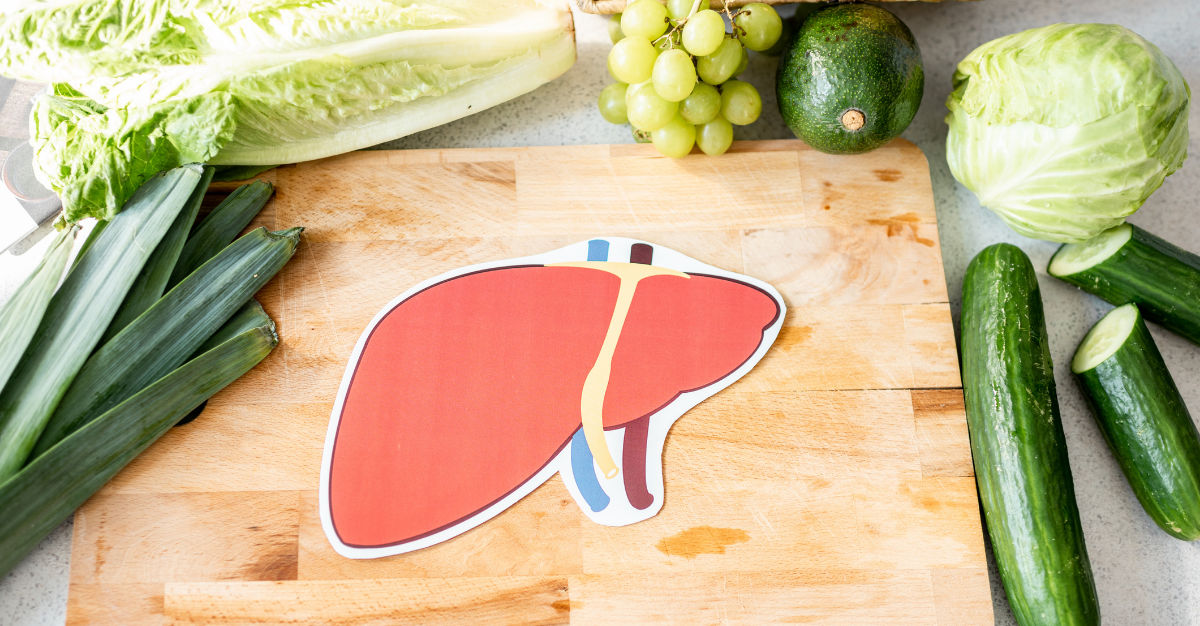
Your liver is the largest organ in your body, and it plays a vital role in your overall health. Many people assume liver problems only develop in people with alcohol dependencies, but the incidence of liver problems like nonalcoholic fatty liver disease (NAFLD) is rising rapidly, particularly among younger people. Alarmingly, up to 30% of the population in North America and Europe are affected by a fatty liver. It’s important not to neglect your liver health, because it performs many important functions in your body – over 500 bodily processes involve your liver!

Primary Functions of The Liver

On the surface, the liver’s job sounds straightforward. The digestive system delivers blood to the liver through the portal vein. Once that blood arrives, cells in your liver called hepatocytes act as a filtration system to remove toxins and create energy. The detoxification process helps your body rid itself of harmful substances like excess hormones, harmful food additives, and environmental pollutants. Behind that simple explanation, however, lies a complex network of processes that include:

  • Producing gamma globulin, which is essential for immunity
  • Manufacturing hormones
  • Creating the proteins necessary for blood clotting
  • Producing cholesterol
  • Regulating blood sugar
  • Metabolizing carbohydrates, fat, and protein to deliver energy
  • Storing vitamins and minerals, and releasing them as needed
  • Filtering toxins
  • Breaking down waste products and delivering them back to the digestive system for elimination
  • Producing bile to break down fat

With so many functions in its wheelhouse, it’s not surprising that liver problems can have a deep impact on your health. One of the most common is NAFLD, in which fatty tissues build up in your liver. Left untreated, this can develop into cirrhosis and even liver cancer.

Warning Signs of a Sluggish Liver

One of the most common and debilitating symptoms of liver problems is overwhelming, unexplained fatigue. One study found that patients with a fatty liver frequently experience extreme fatigue during the day no matter how much they slept the previous night. Pain in the upper right quadrant of the abdomen is another symptom. Other possible indicators of liver problems include:

  • Swelling in the stomach and legs
  • Mysterious rashes
  • Jaundice, or a yellowing of the skin and the eyes
  • Muscle aches
  • Mood swings
  • Headaches
  • Fuzzy thinking
  • Hormonal imbalances leading to problems like severe PMS and low libido

6 Ways to Support Liver Health

The good news is that your liver is amazingly resilient. It’s one of the few organs that can regenerate under the right conditions, so healthy lifestyle changes can go a long way to restoring liver health. Below are some strategies to support your liver.

1.         A liver-friendly diet. Focus on a well-rounded, whole foods diet. The “Mediterranean Diet” with its emphasis on fresh produce, seafood, and healthy fats is often recommended for liver health.

Because of the tight interconnection between your liver and your digestive system, maintaining healthy gut health is important. High-fiber complex carbohydrates like beans and oatmeal have been proven effective in fighting NAFLD, as have leafy green vegetables like spinach.

At the same time, reduce or eliminate processed sugar and white flour intake. These foods not only lead to weight gain, but they can also raise your blood sugar, which taxes your liver. Similarly, choose unsaturated fats like olive oil over saturated fats like butter, as saturated fats increase the amount of fat in your liver.

2.         Exercise. One of the biggest risk factors for NAFLD is being obese, so steps towards weight management are important. Work with a healthcare provider to determine the safest, most sustainable approach for you. A sedentary lifestyle is also linked to a higher prevalence of NAFLD, and it’s important to note that this risk is separate from the obesity risk – even people within a healthy weight range are at risk if they’re not moving enough. Exercise also stimulates another powerful detoxification process: sweating!

3.         Eliminate alcohol and cigarettes While NAFLD is different from liver disease caused by excessive alcohol, it’s still wise to give your liver a break. A liver that is already sluggish is more vulnerable to damage from alcohol than a healthy liver.

4.         Stay hydrated. Water is an important part of the liver’s detoxifying mechanisms and helps to dissolve fat and fiber.

5.         Supplement wisely. A number of supplements can bolster liver health, including:

  • Turmeric: The curcumin in turmeric has been found to reduce fat in the liver.
  • Garlic: Studies have linked garlic to lower liver fat, triglycerides and LDL cholesterol.
  • Ginger: The anti-inflammatory properties of ginger reduce inflammation in the liver.
  • Ginseng: Although ginseng has been shown to improve liver function, it can also interact with some medications and damage the liver, so always use under supervision of a healthcare practitioner.
  • Licorice. Chinese medicine has used licorice root to treat liver ailments for centuries.
  • Milk thistle: As a powerful antioxidant, milk thistle may help reduce liver inflammation.    

6.         Detoxify your environment. Pesticides, fungicides, household cleaners, food additives, pollution… your liver faces a lot of toxins every day. Although it’s difficult to eliminate many environmental toxins, try to make conscious choices about the things that you surround yourself with, including toiletries, cleaning products, and household items. That includes things that affect your psychological health – studies have linked excess stress with liver disease.

If you’d like to learn more about protecting your liver, we can help you put together a workable plan!

Sources:

Nonalcoholic fatty liver disease in adolescents and young adults: The next frontier in the epidemic, Iliana Doycheva,Kymberly D. Watt,Naim Alkhouri, First published: 19 January 2017 https://doi.org/10.1002/hep.29068

Lonardo A, Nascimbeni F, Maurantonio M, Marrazzo A, Rinaldi L, Adinolfi LE. Nonalcoholic fatty liver disease: Evolving paradigms. World J Gastroenterol. 2017 Sep 28;23(36):6571-6592. doi: 10.3748/wjg.v23.i36.6571. PMID: 29085206; PMCID: PMC5643282

Newton JL, Jones DE, Henderson E, Kane L, Wilton K, Burt AD, Day CP. Fatigue in non-alcoholic fatty liver disease (NAFLD) is significant and associates with inactivity and excessive daytime sleepiness but not with liver disease severity or insulin resistance. Gut. 2008 Jun;57(6):807-13. doi: 10.1136/gut.2007.139303. Epub 2008 Feb 12. PMID: 18270241.

Mokhtari E, Farhadnejad H, Salehi-Sahlabadi A, et al. Spinach consumption and nonalcoholic fatty liver disease among adults: a case-control study. BMC Gastroenterol. 2021;21(1):196. Published 2021 May 1. doi:10.1186/s12876-021-01784-8

Bahrami, A., Teymoori, F., Eslamparast, T. et al. Legume intake and risk of nonalcoholic fatty liver disease. Indian J Gastroenterol 38, 55–60 (2019). https://doi.org/10.1007/s12664-019-00937-8

Anania C, Perla FM, Olivero F, Pacifico L, Chiesa C. Mediterranean diet and nonalcoholic fatty liver disease. World J Gastroenterol. 2018;24(19):2083-2094. doi:10.3748/wjg.v24.i19.2083

van der Windt DJ, Sud V, Zhang H, Tsung A, Huang H. The Effects of Physical Exercise on Fatty Liver Disease. Gene Expr. 2018;18(2):89-101. doi:10.3727/105221617X15124844266408

Rahmani S, Asgary S, Askari G, Keshvari M, Hatamipour M, Feizi A, Sahebkar A. Treatment of Non-alcoholic Fatty Liver Disease with Curcumin: A Randomized Placebo-controlled Trial. Phytother Res. 2016 Sep;30(9):1540-8. doi: 10.1002/ptr.5659. Epub 2016 Jun 8. PMID: 27270872.

Soleimani D, Paknahad Z, Rouhani MH. Therapeutic Effects of Garlic on Hepatic Steatosis in Nonalcoholic Fatty Liver Disease Patients: A Randomized Clinical Trial. Diabetes Metab Syndr Obes. 2020;13:2389-2397. Published 2020 Jul 7. doi:10.2147/DMSO.S254555

Murray MT. Glycyrrhiza glabra (Licorice). Textbook of Natural Medicine. 2020;641-647.e3. doi:10.1016/B978-0-323-43044-9.00085-6

Posted on Leave a comment

Dealing With Mold: Natural Solutions for You and Your Home

Many people assume they are safe from mold if they follow the basic rules of cleanliness, but the truth is that mold is more pervasive than most of us realize. In fact, many troubling symptoms can be traced back to hidden sources of mold. The good news is that many natural remedies and easy preventative measures exist.

Why Is Mold Problematic?

Mold is a type of fungus that thrives in moist conditions, both outside and inside. It is essential to the environment – in the outdoors! – because it breaks down things like dead leaves.

Mold is more problematic indoors, where it favors damp, dark places like basements or poorly ventilated bathrooms. It can also grow in wet carpet, on windowsills, or in drywall. Even dishwashers and washing machines can harbor mold! And anyone who has ever forgotten to empty a lunchbox or thermos may have had an unpleasant encounter with mold.

When mold is growing indoors, its presence is not just limited to visible patches. Mold produces tiny spores and volatile organic compounds (VOCs) that spread through the air. In other words, a room may look clean, but if there is a small patch of mold growing in, for example, a corner of a windowsill, people in the room may be breathing in mold spores and VOCs. Some people are sensitive to these spores, some preexisting conditions are exacerbated by it, and people have allergies to mold.

Symptoms Of Mold Exposure

The effects of mold on the body are often cumulative, meaning that they build up over repeated exposure. Some common symptoms include:

  • Headaches
  • Fatigue
  • Nosebleeds
  • Unexplained muscle aches
  • A runny nose
  • Sore throat
  • Coughing
  • Eye sensitivity
  • Watery eyes
  • Nausea
  • Changes in appetite
  • Night sweats
  • Unexplained skin rashes

These symptoms are more likely to appear in children, older people, or the immunocompromised. Roughly 5% of the population has allergic responses to mold, which can trigger respiratory symptoms like wheezing and sneezing. Alarmingly, mold exposure may also be linked with a higher rate of depression, although more research needs to be done in this area.

Long-term exposure to mold can produce more serious effects in young people. One study found that children exposed to mold in their early years performed lower in cognitive assessments. Another linked mold exposure to an increased risk of asthma in children.

Mold In Our Food

Nobody likes to see mold on their food, and in some instances, the effects on your health can be serious, particularly for people with mold allergies. Some food molds produce poisonous and even carcinogenic substances called mycotoxins. Fruits, vegetables, bread, and cheese are foods particularly prone to mold. If a soft food, such as bread or berries has spots of mold, throw out the entire thing, as it’s possible invisible spores have permeated the rest of it. Don’t sniff the mold before you toss it, since you could inhale mold spores. Just assume it doesn’t smell very good!

Tips For Preventing Mold Exposure

Keep an eye out for moisture

Mold needs moisture to grow, so the first step to keeping mold at bay is to identify any sources of water or moisture.

  • If you see mold in a room, look for water leaks immediately.
  • Always use the bathroom fan when showering or bathing.
  • Maintaining HVAC systems is essential.
  • Use a dehumidifier if moisture is a problem in an area where it’s hard to address, such as damp crawl spaces.
  • When in doubt, throw out. Mold grows rapidly and is often hard to see initially. If a household item like a damp rug has a bit of mold, replace the whole thing.

Non toxic cleaning solutions

Although household bleach can effectively kill mold, it carries health risks of its own and should be avoided. Here are some alternatives you can try:

  • Tea tree oil is an excellent alternative. Just mix two teaspoons with two cups of water, and spray on affected surfaces. Let it sit for at least an hour before wiping clean with a scrub brush.
  • Baking soda is another good, non-toxic choice – just add some to water and spray.
  • Undiluted white vinegar can also kill mold. It’s cost effective, non-toxic and don’t worry about the smell – eventually the vinegary smell fades.

Natural remedies for mold exposure

If you’ve been exposed to mold and are experiencing reactions, the obvious first step is to remove the mold, as outlined above. As your body restores itself, you can take some steps to help detoxify.

  • Raw garlic has natural antifungal properties. You can include fresh raw garlic or tablets, however, speak with a practitioner about any specific dosage for you.
  • Activated charcoal binds itself to toxins in mold to slow or stop its spread. Taken internally, activated charcoal tablets can help rid your body of mold trapped inside. Again, speak with a qualified practitioner to see if this supplement is right for you.
  • Chlorophyll not only has antifungal properties, it also protects our DNA from damage from toxins. Green leafy vegetables are an excellent source of chlorophyll, as are phytoplankton and spirulina.
  • A sugar-free diet inhibits the growth of fungus.

Mold is not the most pleasant topic. It can be disturbing to find some in your own home and even worse it can negatively affect your health without you knowing it if you can’t pinpoint the source.

Taking a proactive approach and doing all you can to prevent mold exposure can lessen the impact of mold on your health. If you’d like to learn more, give us a call, and let’s talk!

Sources:

Jedrychowski W, Maugeri U, Perera F, et al. Cognitive function of 6-year old children exposed to mold-contaminated homes in early postnatal period. Prospective birth cohort study in Poland. Physiol Behav. 2011;104(5):989-995. doi:10.1016/j.physbeh.2011.06.019

Oluwole, O., Kirychuk, S.P., Lawson, J.A., Karunanayake, C., Cockcroft, D.W., Willson, P.J., Senthilselvan, A. and Rennie, D.C. (2017), Indoor mold levels and current asthma among school-aged children in Saskatchewan, Canada. Indoor Air, 27: 311-319. https://doi.org/10.1111/ina.12304

US Department of Agriculture. Molds on Foods: Are They Dangerous?

Potera C. Molding a link to depression. Environ Health Perspect. 2007;115(11): A536. doi:10.1289/ehp.115-a536a

Hope J. A review of the mechanism of injury and treatment approaches for illness resulting from exposure to water-damaged buildings, mold, and mycotoxins. ScientificWorldJournal. 2013;2013:767482. Published 2013 Apr 18. doi:10.1155/2013/767482

Posted on Leave a comment

Don’t Worry Be Happy

Microphone and computer; rev up your metabolism.
Play

The last few months we’ve received many questions about how to reduce stress and anxiety, worry less, and be happier in spite of all the negativity on the news. There are a few simple changes you can make like watching less tv, practicing being grateful for what you have, stress-reducing activities like meditation and exercise, and even eating a healthier diet to help reduce stress and anxiety. In this week’s show Don’t Worry Be Happy, we’ll go into more detail about how you can reduce stress through some lifestyle changes, as well as some supplements that may help you handle stress better.

Products Mentioned in Today’s Show

5-HTP – 5-HTP (5-hydroxytryptophan) is an amino acid that plays an important role in the production of serotonin, a neurotransmitter known to be associated with the feeling of well-being. In addition to supporting a healthy mental outlook and mood, studies have also shown serotonin to encourage deeper sleep and to support healthy appetite regulation. Unlike oral serotonin, 5-HTP is able to effectively cross the blood-brain barrier and increase synthesis of serotonin in the central nervous system.

EZ Relax – We’ve teamed nature’s greatest stress management ingredients to create a uniquely effective combination. Formulated with Ashwagandha, valerian extract, L-theanine, and GABA.

You can also listen to Don’t Worry Be Happy on our YouTube channel here.

Posted on Leave a comment

Health and Wellness Headlines for October 27

Experimental anti-tumor effect of emodin in suspension – in situ hydrogels formed with self-assembling peptide.

Story from GreenMedInfo. Originally posted on October 26, 2021, 3:11 pm.

PMID:  Drug Deliv. 2021 Dec ;28(1):1810-1821. PMID: 34470553 Abstract Title:  Experimental anti-tumor effect of emodin in suspension -hydr… Read the full story on GreenMedInfo.


Antibacterial activity and membrane-targeting mechanism of aloe-emodin against Staphylococcus epidermidis.

Story from GreenMedInfo. Originally posted on October 26, 2021, 2:52 pm.

PMID:  Front Microbiol. 2021 ;12:621866. Epub 2021 Aug 16. PMID: 34484130 Abstract Title:  Antibacterial Activity and Membrane-Targeting M… Read the full story on GreenMedInfo.


Emodin inhibits the progression of acute pancreatitis.

Story from GreenMedInfo. Originally posted on October 26, 2021, 2:39 pm.

PMID:  Mol Med Rep. 2021 Nov ;24(5). Epub 2021 Sep 9. PMID: 34498715 Abstract Title:  Emodin inhibits the progression of acute pancreatiti… Read the full story on GreenMedInfo.


The health benefits of emodin, a natural anthraquinone derived from rhubarb.

Story from GreenMedInfo. Originally posted on October 26, 2021, 2:33 pm.

PMID:  Int J Mol Sci. 2021 Sep 1 ;22(17). Epub 2021 Sep 1. PMID: 34502424 Abstract Title:  The Health Benefits of Emodin, a Natural Anthra… Read the full story on GreenMedInfo.


Anti-influenza A virus effects and mechanisms of emodin.

Story from GreenMedInfo. Originally posted on October 26, 2021, 2:17 pm.

PMID:  Biomed Res Int. 2021 ;2021:9066938. Epub 2021 Sep 9. PMID: 34540999 Abstract Title:  Anti-influenza A Virus Effects and Mechanisms … Read the full story on GreenMedInfo.


Rhaponticin contained Rheum officinale root extract improved postmenopause symptoms.

Story from GreenMedInfo. Originally posted on October 26, 2021, 1:57 pm.

PMID:  J Adv Pharm Technol Res. 2021 Apr-Jun;12(2):175-179. Epub 2021 Apr 27. PMID: 34159150 Abstract Title:  Rhaponticin containedroot ex… Read the full story on GreenMedInfo.

Posted on Leave a comment

Health and Wellness Headlines for October 20

Liquiritigenin attenuates isoprenaline?induced myocardial fibrosis

Story from GreenMedInfo. Originally posted on October 19, 2021, 6:30 pm.

PMID:  Mol Med Rep. 2021 Oct ;24(4). Epub 2021 Jul 30. PMID: 34328199 Abstract Title:  Liquiritigenin attenuates isoprenaline?induced my… Read the full story on GreenMedInfo.


Liquiritigenin exerts the anti-cancer role in oral cancer.

Story from GreenMedInfo. Originally posted on October 19, 2021, 6:26 pm.

PMID:  Bioengineered. 2021 12 ;12(1):6070-6082. PMID: 34488535 Abstract Title:  Liquiritigenin exerts the anti-cancer role in oral cancer … Read the full story on GreenMedInfo.


Liquiritigenin protects against arsenic trioxide-induced liver injury by inhibiting oxidative stress and enhancing mTOR-mediated autophagy.

Story from GreenMedInfo. Originally posted on October 19, 2021, 6:19 pm.

PMID:  Biomed Pharmacother. 2021 Nov ;143:112167. Epub 2021 Sep 21. PMID: 34560535 Abstract Title:  Liquiritigenin protects against arseni… Read the full story on GreenMedInfo.


A Pelargonium Sidoides root extract is effective and safe in patients with the common cold.

Story from GreenMedInfo. Originally posted on October 19, 2021, 6:13 pm.

PMID:  Integr Med (Encinitas). 2019 Feb ;18(1):42-51. PMID: 31341433 Abstract Title:  Treatment with EPs 7630, aRoot Extract, Is Effective… Read the full story on GreenMedInfo.


Investigation of antibacterial and antiinflammatory activities of proanthocyanidins from Pelargonium sidoides DC Root extract.

Story from GreenMedInfo. Originally posted on October 19, 2021, 6:04 pm.

PMID:  Nutrients. 2019 Nov 19 ;11(11). Epub 2019 Nov 19. PMID: 31752295 Abstract Title:  Investigation of Antibacterial and Antiinflammato… Read the full story on GreenMedInfo.


These results demonstrated better clinical and antimicrobial efficacy of EPs 7630 than amoxicillin.

Story from GreenMedInfo. Originally posted on October 19, 2021, 5:28 pm.

PMID:  Ann Otol Rhinol Laryngol. 2020 Oct ;129(10):969-976. Epub 2020 May 26. PMID: 32456442 Abstract Title:  Herbal Drug EPs 7630Amoxicil… Read the full story on GreenMedInfo.

Posted on Leave a comment

Build a Solid Foundation with Healthy Habits for a Healthy Brain

We tend not to think very much about our brain when we’re young. That might be a bit of a philosophical conundrum (can a brain think about itself?), but it also can carry unfortunate repercussions down the road. It’s important to build a strong foundation of brain health for better aging, both physically and mentally. As we age, the mind-body connection becomes even more pronounced, and our physical health profoundly impacts our mental health – and vice versa.

Although it’s often taken for granted, your brain plays a vital role in your quality of life. As the command control center of your nervous system, functions regulated by your brain include memory, moods, energy, and mobility. Each of these functions are complex and tightly interconnected. In fact, it’s difficult to define brain health, since so many different processes are involved.

Why is taking care of our brain health so important?

One thing is certain: As we age, risks to brain health increase. One in four adults will experience a stroke in their lifetime, every five years after the age of 65, risk of Alzheimer’s doubles and other neurological conditions go up.

Perhaps the most shocking statistic out of the CDC shows that 77.4 % of adults aged 45 – 65+ with at least 1 chronic disease show significant cognitive decline compared to just 22.6 % with no chronic disease (88.3 % being female)

However, there are many things we can do to protect our brain health. Although there is a genetic risk in Alzheimer’s, deterministic genes (genes that directly cause a disease, as opposed to risk genes which increase the risk) are tied to less than one percent of Alzheimer’s cases. By looking after our physical body before we experience problems, we can reduce our risk.

Let’s take a deep dive into some protective measures we can take for brain health.

Eat for brain health.

A diet high in antioxidants minimizes the oxidative damage that can lead to impaired cognitive functioning, particularly with regards to memory. Foods high in antioxidants include brightly colored produce, spices like turmeric and curry, and many beans. Many foods high in Vitamin C are antioxidants, and studies show a link between low intake of Vitamin C and the development of dementia. As well, choose foods high in omega-3 fatty acids whenever possible. Your brain cells contain the fatty acids DPA and EHA, and  a diet high in omega-3 fatty acids helps your brain build new cells. Good sources include nuts and seeds, fatty fish, and plant oils like flaxseed oil.

Coffee has also been linked to a reduced risk of stroke and Alzheimer’s, perhaps because of its antioxidant qualities. If you don’t like coffee, green tea may have even stronger brain-health benefits, in part because of its high levels of the amino acid L-theanine, which can trigger a relaxation response in the brain that balances the stimulating effects of caffeine.

To counteract oxidative stress and damage to the brain, avoid excess alcohol, sugar, and processed foods.

Keep your blood sugar in check.

High blood sugar is associated with an increased risk of cognitive impairment, even if a person doesn’t develop diabetes. You may start to hear Alzheimer’s being referred to as “Type 3 diabetes” more and more as research has shown clear links between insulin dysregulation and cognitive impairment leading to Alzheimer’s disease. A balanced diet, including fats and protein with each meal and eating plenty of fibre can help keep your blood sugar levels stable.

Control your blood pressure and exercise regularly.

Not only does high blood pressure increase the risk of stroke, it can also impair blood flow to the brain. This can raise the risk of vascular dementia. One study found that a 10-mmHg increase in systolic blood pressure raised the risk of cognitive problems by 9%. One way to improve blood pressure is to maintain a regular exercise routine. Numerous studies show a clear link between even modest exercise and improved metabolism in the parts of the brain responsible for learning and memory function as well.

Be cautious with medications.

Certain kinds of commonly prescribed medication can impair brain function, including many medications for anxiety, sleep problems and allergy symptoms. It’s always important to review the side effects of any medications with a healthcare practitioner and discuss alternative treatments.

Keep your brain active.

“Use it or lose it” doesn’t just apply to your physical health. Activities that stimulate your brain and help develop new neural connections include puzzles, vocabulary exercises, crossword puzzles, learning a new language, and listening to (or playing) music.

Physical activities that require some mental concentration have similar benefits. The practice of tai chi has been found to increase brain volume, and dancing improves spatial memory and overall cognitive health – not to mention its numerous social and physical benefits.

Research supplements.

If you can’t get all your nutrients from diet or have trouble with absorption, supplementation of certain brain healthy supplements can be beneficial. Some supplements that are beneficial for brain health include:

  • Fish oil, which contains high levels of Omega-3 fatty acid.
  • B vitamins and folic acid, which help with the production of neurotransmitters.
  • Vitamin D, which is particularly important during the dark winter months. One study found that people with low levels of Vitamin D have twice the risk of developing Alzheimer’s.

Be sure to speak with your healthcare provider before including any new supplements to see if they are right for you – we would be happy to help!

Attitude is everything.

One of the most important things you can do to protect your brain health is to simply commit to protecting it. Studies show that feeling that you are in control of your own aging process, which includes your brain health, leads to healthier outcomes. One study found that among people with a genetic predisposition to dementia, a positive attitude to aging led to an almost 50% reduction in developing any form of dementia.

Taking steps towards an overall healthier lifestyle will help you gain that sense of control. Talk to us about the changes you can make to protect your brain.

Sources:

Nehlig A. Effects of coffee/caffeine on brain health and disease: What should I tell my patients? Pract Neurol. 2016 Apr;16(2):89-95. doi: 10.1136/practneurol-2015-001162. Epub 2015 Dec 16. PMID: 26677204.

Launer LJ, Masaki K, Petrovitch H, Foley D, Havlik RJ. The association between midlife blood pressure levels and late-life cognitive function. The Honolulu-Asia Aging Study. JAMA. 1995 Dec 20;274(23):1846-51. PMID: 7500533.

Smith PJ, Potter GG, McLaren ME, Blumenthal JA. Impact of aerobic exercise on neurobehavioral outcomes. Ment Health Phys Act. 2013;6(3):139-153. doi:10.1016/j.mhpa.2013.06.008

Littlejohns TJ, Henley WE, Lang IA, et al. Vitamin D and the risk of dementia and Alzheimer disease. Neurology. 2014;83(10):920-928. doi:10.1212/WNL.0000000000000755

Wysocza?ski T, Soko?a-Wysocza?ska E, P?kala J, Lochy?ski S, Czy? K, Bodkowski R, Herbinger G, Patkowska-Soko?a B, Librowski T. Omega-3 Fatty Acids and their Role in Central Nervous System – A Review. Curr Med Chem. 2016;23(8):816-31. doi: 10.2174/0929867323666160122114439. PMID: 26795198.

Wei GX, Xu T, Fan FM, et al. Can Taichi reshape the brain? A brain morphometry study. PLoS One. 2013;8(4):e61038. Published 2013 Apr 9. doi:10.1371/journal.pone.0061038

Basso JC, Satyal MK, Rugh R. Dance on the Brain: Enhancing Intra- and Inter-Brain Synchrony. Front Hum Neurosci. 2021;14:584312. Published 2021 Jan 7. doi:10.3389/fnhum.2020.584312

Paleologos M, Cumming RG, Lazarus R. Cohort study of vitamin C intake and cognitive impairment. Am J Epidemiol. 1998 Jul 1;148(1):45-50. doi: 10.1093/oxfordjournals.aje.a009559. PMID: 9663403.

Kaiser Permanente, Dementia risk tied to blood sugar level, even with no diabetes, August 7, 2013.

Positive age beliefs protect against dementia even among elders with high-risk gene

Levy BR, Slade MD, Pietrzak RH, Ferrucci L (2018) Positive age beliefs protect against dementia even among elders with high-risk gene. PLOS ONE 13(2): e0191004.

Posted on Leave a comment

Food Additives: Harmful or Harmless?

Think about any item in your kitchen pantry, flip over to the ingredients list and odds are…you’re going to find some kind of food additive!

Food additives are typically added to enhance the flavor, appearance, or texture of a product, or to extend its shelf life. Although generally tested for their safety, studies show that some of these substances have been associated with adverse health effects and should be avoided, while others are safe and can be consumed with minimal risk.

Even the healthiest eaters and most careful label-readers find it difficult to completely avoid food additives. Many foods that are considered healthy choices, such as many paleo-friendly or gluten-free foods, contain some kind of additives.

This can create a lot of confusion, such as: If cow’s milk contains no additives, is it a better choice than something like almond milk, which often contains the additive carrageenan? Or, is a dietary supplement with soy lecithin actually harming your health?

In this blog entry, we’ll take a look at some of the common food additives you can run into, and consider the pros and cons for each.

Emulsifiers

Soy lecithin

Soy lecithin is commonly found in dietary supplements, chocolate, ice cream, and some breads. Its purpose is to act as an emulsifier helping ingredients that don’t typically blend, such as oil and water, to combine together. Emulsifiers also reduce stickiness, control crystallization and prevent separation.

Soy lecithin is extracted from raw soybeans, and many people choose to avoid soy products. One reason for this is that soy is a common allergen, which is triggered by soy protein. However, the amount of soy lecithin in foods is typically very small, and the amount of soy protein is even smaller, so people with soy allergies don’t usually experience adverse effects. Of course, any reaction will depend on the severity of your allergy, so always proceed with caution if you have a soy allergy, and discuss the use of soy lecithin with a healthcare practitioner. Many people also chose to avoid soy products because they contain phytoestrogens, which can increase estrogen levels. Studies confirm that soy lecithin does contain high amounts of phytoestrogens, but, again, the amounts of soy lecithin used are extremely small, so the possible impact is low.

There are some possible health benefits to soy lecithin, as studies have found that it can reduce cholesterol levels. It’s also a source of choline, a nutrient that supports brain and liver function and heart health.

People with extreme soy allergies may want to avoid soy lecithin, but, for the rest of us, the amounts are so small that any risk is low. Anyone who has concerns about genetically modified soy may want to look for organic soy lecithin, but keep in mind that the amount – and any risk – is low.

Carrageenan

Carrageenan is typically found in almond milk, coconut milk, some meats, and some yogurts. Carrageenan acts as an emulsifier and thickening agent.

Some studies on animals found a connection between carrageenan intake and gastrointestinal issues, including cancerous colon lesions. More studies need to be done regarding any impact on human health, particularly since the levels of the additive used in the animal studies didn’t mirror typical human consumption. However, some in-vitro studies did find a link between certain kinds of intestinal inflammation and carrageenan consumption. These studies raised enough concern that the National Organic Standards Board has removed carrageenan from its list of approved ingredients.

Until more thorough research is completed, this is one additive to limit when possible. Fortunately, it’s possible to buy almond milk, coconut milk, and yogurt that doesn’t contain carrageenan. You can also make your own!

Flavor and Color Enhancers

Monosodium glutamate

Monosodium glutamate, or MSG, is added to enhance the flavor of many processed foods, canned soups, frozen meals and is commonly found in fast food and prepared meals at restaurants. MSG has been a subject of controversy for many years – from its effects on brain health to weight gain and metabolic syndrome – studies have shown it to have some negative effects on those that are sensitive to the additive. It has also been linked to headaches and sweating when consumed in large amounts.

Although research is still ongoing on the definitive effects of MSG on the body, if you experience any of the negative side effects mentioned it’s best to avoid MSG whenever possible.

Artificial food coloring

Artificial food coloring is used to brighten the appearance of everything from candy to condiments. There have been concerns about the negative effects of food coloring in recent years, specifically Blue 1, Red 40, Yellow 5 and Yellow 6. These dyes have been associated with allergic reactions and hyperactivity in children. In recent studies, Red 3 has been associated with increased risk of thyroid tumours in mice.

More and more studies show that food dyes may have negative effects on health so it’s best to avoid them as much as possible.

Artificial sweeteners

Common artificial sweeteners include aspartame, sucralose, saccharin and acesulfame potassium. These sweeteners can be found in many diet or low calorie foods as a flavor enhancer with little to no caloric content.

While this might sound great in theory and may benefit those who need to monitor blood sugar levels, artificial sweeteners have been linked in animal studies to cause weight gain, brain tumors, bladder cancer and many other health hazards. Those that are sensitive to artificial sweeteners typically experience headaches.

Although everyone has their unique individual needs, avoiding artificial sweeteners in favor of natural sweeteners such as raw honey, maple syrup or coconut sugar may be a better option.

Gums and Thickening Agents

Xanthan gum

Xanthan gum is commonly found in gluten-free baked goods. Xanthan gum acts as a thickener, stabilizer, or emulsifying agent.

Xanthan gum is produced when the Xanthomonas campestris bacterium ferments on a sugar, which creates a substance that can be dried and ground into a powder. Studies on humans have found that larger amounts (more than a typical diet would contain) of xanthan gum have a noted laxative effect, and can produce gas and other digestive activity. Other studies show a possible link between lower blood sugar levels and xanthan consumption, possibly because it slows sugar absorption.

People with sensitive digestive systems may want to limit their xanthan gum consumption. As well, anyone with severe corn, soy, wheat, or dairy allergies should confirm the product they use is free of any allergens, as those elements can be used in the fermentation process. Overall, however, this additive is largely safe for adults.

Guar gum

Guar gum is added to many processed foods, including salad dressings, sauces, some baked goods, and soups as a thickening agent.

Guar gum is a soluble fiber, and can increase the number of gut bacteria, with positive effects on constipation and irritable bowel syndrome. However, it can also lead to some digestive upset for people with sensitive systems. Guar gum can also lower blood sugar and cholesterol levels, and some studies show a potential positive effect on weight loss.

Anyone with digestive issues should monitor the effect guar gum has on their symptoms, since some people report an improvement after removing it from their diet. For most people, however, it’s a safe additive to consume.

Locust bean gum

Locust bean gum is a thickening agent added to many foods including dairy products such as ice cream, yogurt, and cheese.

Despite its name, this additive is actually derived from the carob tree. Studies haven’t found a lot of risk associated with locust bean gum consumption, and some evidence shows a positive effect on cholesterol levels.

As with guar gum, people with digestive issues might want to monitor their symptoms, since some people report increased gas and sensitivity, but this additive is considered safe

The Takeaway

Of course it’s ideal to avoid food additives altogether, but it may not always be realistic for everyone to prepare all food from scratch. The overall quality of your diet is far more important than how well you avoid these additives. Eating fewer packages and processed foods, more whole foods and cooking as much as possible is always recommended.

Try batch cooking and freezing meals so you always have options on hand, plan out your meals so that you head to the store with a list and spend a bit of time reading multiple labels of various products before you purchase.

Remember, your health and longevity are an investment! If you’d like to learn more about the foundations of a healthy diet and what to include and what to avoid, call us – we can create a health plan tailored to you and your individual needs!

Sources:

Mourad AM, de Carvalho Pincinato E, Mazzola PG, Sabha M, Moriel P. Influence of soy lecithin administration on hypercholesterolemia. Cholesterol. 2010;2010:824813. doi: 10.1155/2010/824813. Epub 2009 Dec 28. PMID: 21490917; PMCID: PMC3065734.

Maximilian Behr, Jörg Oehlmann, Martin Wagner,

Estrogens in the daily diet: In vitro analysis indicates that estrogenic activity is omnipresent in foodstuff and infant formula, Food and Chemical Toxicology,

Volume 49, Issue 10, 2011, Pages 2681-2688, ISSN 0278-6915,

https://doi.org/10.1016/j.fct.2011.07.039.

Awazuhara H, Kawai H, Baba M, Matsui T, Komiyama A. Antigenicity of the proteins in soy lecithin and soy oil in soybean allergy. Clin Exp Allergy. 1998 Dec;28(12):1559-64. doi: 10.1046/j.1365-2222.1998.00431.x. PMID: 10024228.

Tobacman JK. Review of harmful gastrointestinal effects of carrageenan in animal experiments. Environ Health Perspect. 2001;109(10):983-994. doi:10.1289/ehp.01109983

Food Safety News, “Board nixes use of carrageenan in organic food production” November 18, 2016.

Daly J, Tomlin J, Read NW. The effect of feeding xanthan gum on colonic function in man: correlation with in vitro determinants of bacterial breakdown. Br J Nutr. 1993 May;69(3):897-902. doi: 10.1079/bjn19930089. PMID: 8329363.

Osilesi O, Trout DL, Glover EE, Harper SM, Koh ET, Behall KM, O’Dorisio TM, Tartt J. Use of xanthan gum in dietary management of diabetes mellitus. Am J Clin Nutr. 1985 Oct;42(4):597-603. doi: 10.1093/ajcn/42.4.597. PMID: 4050722.

Fuwa, Masako & Nakanishi, Yukiko & Moritaka, Hatsue. (2016). Effect of Xanthan Gum on Blood Sugar Level after Cooked Rice Consumption. Food Science and Technology Research. 22. 117-126. 10.3136/fstr.22.117.

Russo L, Andreozzi P, Zito FP, et al. Partially hydrolyzed guar gum in the treatment of irritable bowel syndrome with constipation: effects of gender, age, and body mass index. Saudi J Gastroenterol. 2015;21(2):104-110. doi:10.4103/1319-3767.153835

Vuorinen-Markkola H, Sinisalo M, Koivisto VA. Guar gum in insulin-dependent diabetes: effects on glycemic control and serum lipoproteins. Am J Clin Nutr. 1992 Dec;56(6):1056-60. doi: 10.1093/ajcn/56.6.1056. PMID: 1442657.

Gunness P, Gidley MJ. Mechanisms underlying the cholesterol-lowering properties of soluble dietary fibre polysaccharides. Food Funct. 2010 Nov;1(2):149-55. doi: 10.1039/c0fo00080a. Epub 2010 Sep 30. PMID: 21776465.

Babiker, R., Merghani, T.H., Elmusharaf, K. et al. Effects of gum Arabic ingestion on body mass index and body fat percentage in healthy adult females: two-arm randomized, placebo controlled, double-blind trial. Nutr J 11, 111 (2012). https://doi.org/10.1186/1475-2891-11-111

Søndergaard, O. Meyer, G. Würtzen,Magnesium stearate given peroprally to rats. A short term study, Toxicology,Volume 17, Issue 1,1980, Pages 51-55,

ISSN 0300-483X,

https://doi.org/10.1016/0300-483X(80)90026-8.

National Center for Biotechnology Information (2021). PubChem Compound Summary for CID 11177, Magnesium stearate. Retrieved August 23, 2021 from https://pubchem.ncbi.nlm.nih.gov/compound/Magnesium-stearate.