
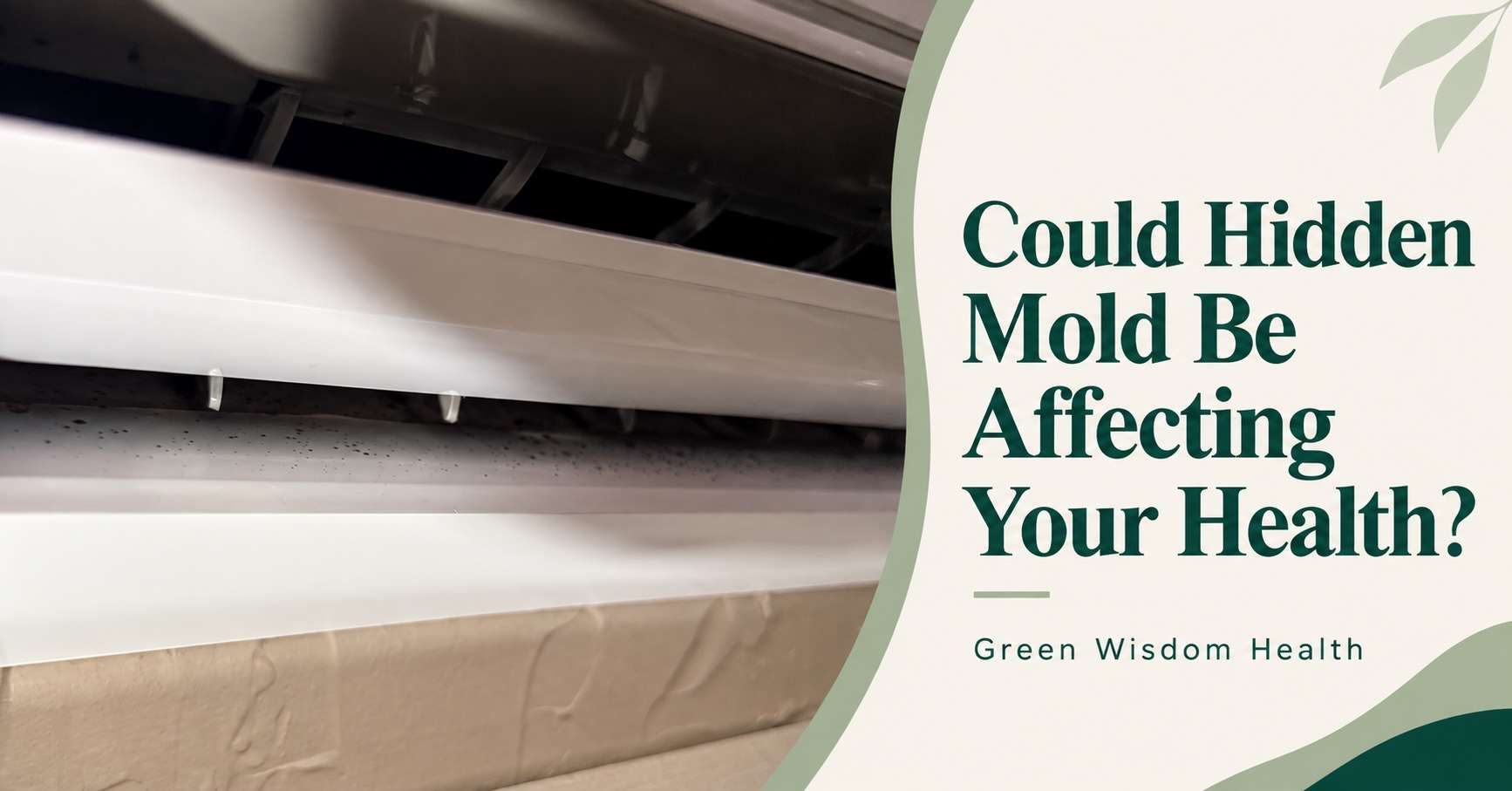
Hidden mold exposure can be difficult to recognize because mold can grow out of sight, and common symptoms cannot tell you by themselves whether mold is the cause. A careful next step considers the building, moisture, health history, and appropriate testing without jumping to conclusions.
The short answer
Damp or moldy environments are associated with respiratory irritation, allergy symptoms and worsening asthma in some people. Other concerns—including headaches, fatigue, concentration difficulties and unrefreshing sleep—are nonspecific and can have many possible causes. Symptoms do not confirm mold exposure, show that mycotoxins are present or identify a building as the source.
Why mold is receiving increased attention
On September 18, 2026, the U.S. Department of Health and Human Services, led by Secretary Robert F. Kennedy Jr., convened a Mold Surveillance Roundtable involving federal leaders, clinicians, researchers and patient advocates. The discussion reflects increased national attention to mold, fungal disease, surveillance and gaps in evidence.
The roundtable does not mean that HHS, CDC, EPA or any other federal agency endorses Green Wisdom Health, RealTime Laboratories, urine mycotoxin testing or this panel. It does show that mold and fungal-health questions are receiving more organized public-health attention.
Our mini-split discovery
After Janet and Dr. Stephen Lewis experienced persistent respiratory symptoms, we discovered visible mold hidden inside the mini-split air conditioner in our bedroom. We cannot establish that the mold caused those symptoms. The discovery did, however, show us how easily a potential exposure can go unnoticed in a place used every day.
That experience reinforced a practical lesson: investigate moisture and visible growth, take symptoms seriously and resist the temptation to assume that one finding explains everything.
Where mold may hide in homes and buildings
Mold needs moisture. According to the U.S. Environmental Protection Agency and CDC, growth may develop where water, condensation or persistent humidity reaches a suitable surface.
- Inside air conditioners, air handlers, drain pans or ductwork
- Behind drywall, wallpaper, baseboards or cabinets
- Under carpet, flooring or sinks
- Around roof, window or plumbing leaks
- In bathrooms, laundry rooms, basements and crawl spaces
- On insulation, ceiling tiles, wood, fabric or upholstery after water damage
A musty odor, staining, repeated condensation or a history of leaks can justify a closer environmental inspection. Hidden growth should be approached carefully, especially when a large area or contaminated HVAC system may be involved.
Possible symptoms associated with damp or moldy environments
CDC and EPA describe respiratory, allergic, eye and skin effects that may occur in some people who spend time in damp or moldy environments. Possible concerns can include:
- Nasal or sinus congestion
- Coughing, wheezing or throat irritation
- Watery, itchy or irritated eyes
- Skin irritation
- Worsening allergy or asthma symptoms
- Headaches or fatigue
- Difficulty concentrating or “brain fog”
- Difficulty sleeping or waking unrefreshed
These symptoms are nonspecific. They may result from infections, seasonal allergies, asthma, medication effects, sleep disorders, stress, anemia, thyroid concerns or many other conditions. They do not confirm mold exposure and do not mean that mycotoxins are present.
Why symptoms alone cannot confirm mold exposure
No symptom list can establish the source of a health concern. Two people in the same building may respond differently, and the same symptom can have unrelated causes. Timing, medical history, allergy or asthma status, medications, occupational exposures and the condition of the building all matter.
Seek appropriate medical care for severe shortness of breath, chest pain, fever, confusion, rapidly worsening symptoms or another urgent concern. People with chronic lung disease or weakened immune systems should discuss possible mold exposure with a licensed healthcare professional.
Correct the moisture problem first
EPA summarizes mold control in one sentence: moisture control is the key. If mold is visible or a musty odor is present, locate and correct the water source. Repair leaks, address condensation, dry water-damaged materials promptly and remove contaminated materials safely. Testing a person does not locate or remediate mold in a building.
Small areas may sometimes be handled using EPA guidance. Larger areas, sewage contamination, repeated water intrusion or suspected contamination in an HVAC system may require a qualified environmental or remediation professional. Environmental work and healthcare evaluation answer different questions and may both be appropriate.
What the RealTime Laboratories Total Mycotoxin Panel measures
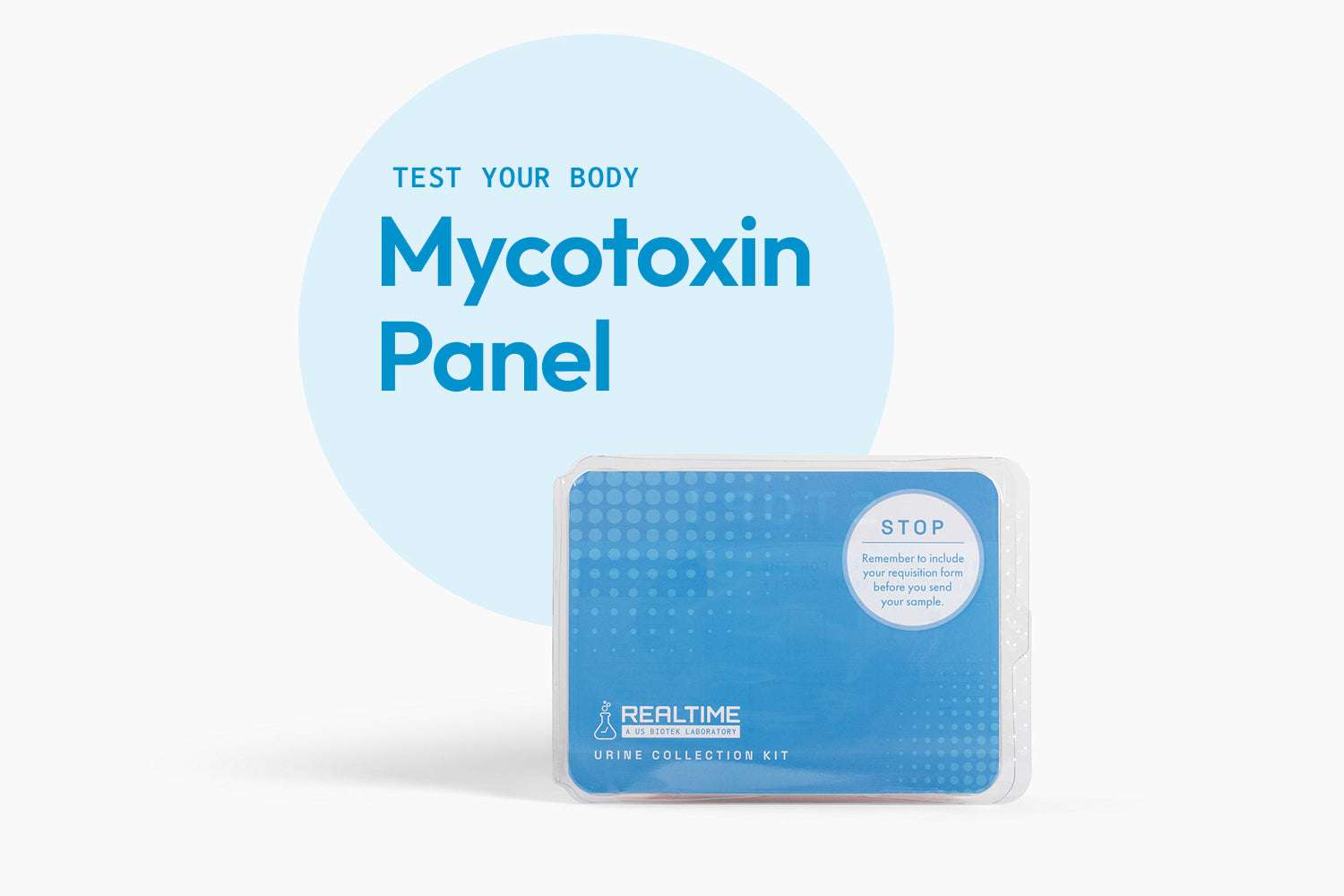
The RealTime Laboratories Total Mycotoxin Panel is a urine test that measures selected mycotoxins detected in the submitted sample at the time of collection. The current panel reports:
- Ochratoxin A
- Aflatoxin group
- Macrocyclic trichothecene group
- Gliotoxin derivative
- Zearalenone
The laboratory report should be interpreted alongside the person’s health history, symptoms, environmental information and other relevant findings.
What the panel cannot determine
- It does not diagnose mold illness.
- It does not prove that symptoms were caused by mold.
- It does not identify the building or location where an exposure occurred.
- It does not establish that a home, workplace or HVAC system is contaminated.
- It does not guarantee that treatment is needed or will produce a particular result.
A urine result is one piece of information. It should not be used by itself to assign a diagnosis, prescribe a “detox” program or replace an appropriate environmental assessment.
What the $399 Green Wisdom Health purchase includes
- The urine collection kit
- Laboratory processing
- The laboratory report
- A personalized results consultation with Stephen E. Lewis, D.C.
Stephen E. Lewis, D.C. — Clinical Director and Lead Clinician
During the included consultation, Dr. Lewis reviews the laboratory report in the context of your health history and goals. Ordering is unavailable for residents of New York, New Jersey and Rhode Island.
$25 Promotional Credit
The panel is $399. Use coupon code WELLNESS25 at checkout to receive a $25 promotional credit, reducing your price to $374.
Who may want to discuss testing
A conversation about testing may be reasonable for someone who has discovered dampness or mold in a home or workplace, has ongoing respiratory or allergy concerns that deserve evaluation, or wants to understand whether this laboratory information could add context to an existing health review.
Testing is not automatically the right first step for everyone. A discussion should consider symptoms, health history, prior testing, the condition of the building and whether moisture has been corrected. Green Wisdom Health’s brief questionnaire can help organize that information before an office follow-up.
What to do next
- Address active leaks, dampness and visible mold safely.
- Seek medical evaluation for persistent, severe or concerning symptoms.
- Gather relevant environmental information and previous test results.
- Review the panel details or complete the questionnaire below if you want help deciding whether testing fits your situation.
Explore the Mycotoxin Panel
Review what the urine panel measures, what is included and the important limitations before ordering.
Learn About the Mycotoxin PanelNot Sure Whether Testing Is Right for You?
Complete our brief questionnaire to tell Green Wisdom Health about your concerns, possible exposure and previous testing. Our office can then help you determine the appropriate next step.
Complete the Mycotoxin QuestionnaireHave Questions?
Contact Green Wisdom Health if you need help understanding the testing process, availability or included consultation.
Contact Green Wisdom HealthFrequently asked questions
Can symptoms prove mold exposure?
No. Symptoms associated with damp or moldy environments are nonspecific and may have many causes. They do not confirm exposure, show that mycotoxins are present or prove where an exposure occurred.
What does a urine mycotoxin panel measure?
It measures selected mycotoxins detected in the submitted urine sample at the time of collection. Results should be interpreted with health history and other relevant findings.
Can this test identify mold in a particular building?
No. The panel cannot identify the home, workplace or other location where an exposure may have occurred. Environmental assessment is needed to evaluate a building.
Is the consultation with Dr. Lewis included?
Yes. The $399 purchase includes a personalized results consultation with Stephen E. Lewis, D.C., as well as the kit, laboratory processing and report.
In which states is ordering unavailable?
Ordering is unavailable for residents of New York, New Jersey and Rhode Island.
Educational information only: This article does not diagnose mold illness or provide individualized medical treatment. Persistent, severe, worsening or concerning symptoms should be evaluated by an appropriate licensed healthcare professional.
Editorial sources
- U.S. Department of Health and Human Services: Mold Surveillance Roundtable, September 18, 2026
- CDC: Mold
- CDC/NIOSH: Health Problems Associated with Damp Buildings
- EPA: A Brief Guide to Mold, Moisture and Your Home
- EPA: Biological Contaminants and Indoor Air Quality
- RealTime Laboratories: Mycotoxin Panel test information